After a night at the Iron Horse Inn where we spent our first days in Amsterdam, we walked around the now familiar Leidesplein neighborhood. The canals, houses, and grand public buildings were glowing in the morning sun. We had planned a final week without much agenda, just to go someplace more peaceful and less frenetic than the large cities we have been visiting in Scandinavia.
Our destination was Wageningen, a small city in Gelderland, Netherlands. Why Wageningen? Becky wanted to see where her ancestors had lived before emigrating to New Amsterdam in 1650. The family first moved up the Hudson River to Kingston NY, then eventually to North Carolina. Not expecting to find any lost cousins after almost 400 years, Becky thought it would be nice to breathe the air, wander the streets, look at the Neder Rhine River, and enjoy just being there.
Following a short train ride from Amsterdam to Ede, we caught a bus to Wageningen where we had lunch at the bus station. The friendly lunch man called a taxi and let us store our bags while we walked to the library to make some initial contact about the history of the town.
The taxi took us two miles east to Wageningesche Berg—berg meaning hill. The Netherlands is generally very flat at or below sea level. But here was a “mountain,” a 500 foot bluff overlooking the Neder Rhine River. And the mountain was covered with old growth forest.
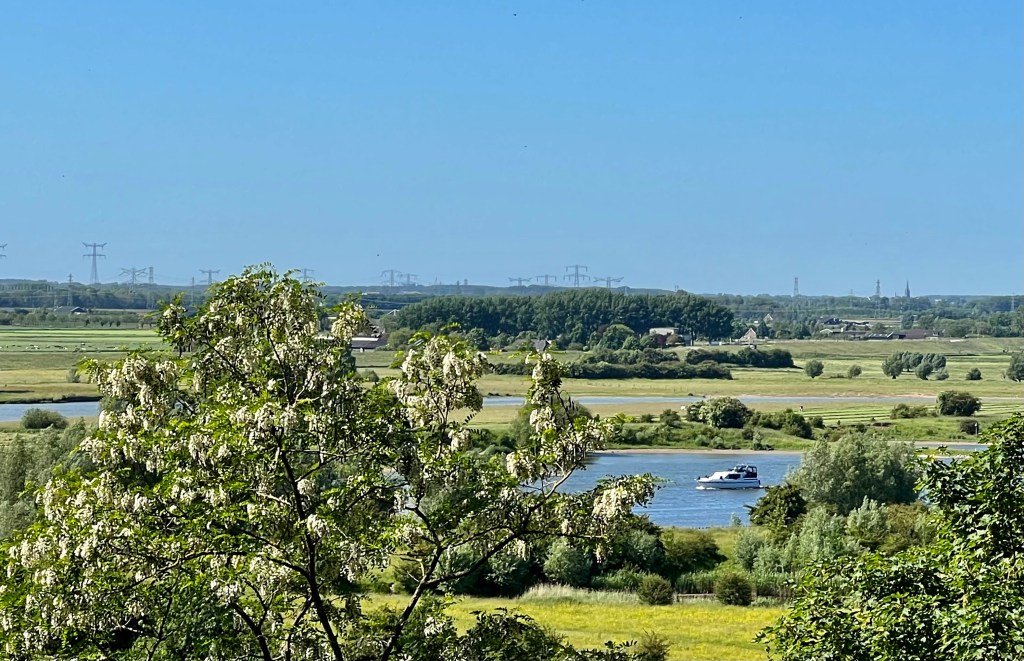
This unique landscape escaped development, originally as part of a huge estate and now as an arboretum and public park. We were stunned at the beauty and felt immediately at home in the trees, almost like Carolina. No wonder the ancestors wound up in Henderson County, which must have felt like home to them. Over the next three days, we fell in love with Wageningen.
Many Nederlanders speak excellent English and are helpful when asked for information or directions. Several times, people overheard us talking and wanted to know where we live which opened conversations about wanting to come to the United States, or their visiting the United States, or having relatives in the United States.
Learning to say the name of the city was a challenge, a feat we never mastered although Becky is much better than I am. We began phonetically by saying “wag-en-ing-en.” This was greeted with puzzled looks until people realized what we were trying to say. “Oh, you mean vachg-ning” or something approaching that. We learned that Dutch has many sounds that English does not.
The fact that the town does not have a rail station goes back to late 1800’s. The city council had to decide whether they wanted a train station or a university. Wageningen already had an agricultural station with a variety of fertile soils left by the glacial moraine that dug out the Rhine valley. The natural choice was the university. Now Wageningen University with five Research Centers has grown into economic engine for the region and a major intellectual center for life sciences. But you still have to take a bus to get there.
The only building in the forest is the beautiful, modern hilltop Fletcher Hotel, The first evening, we took advantage of the view and ate on the hotel veranda: wine, lemonade, and “smeersels.” Smeersel is whatever you smear on bread—in our case brown bread with whipped butter or olive tapenade. We sat and sat, soaking in every moment until the sun descended behind the trees and cold descended upon us.
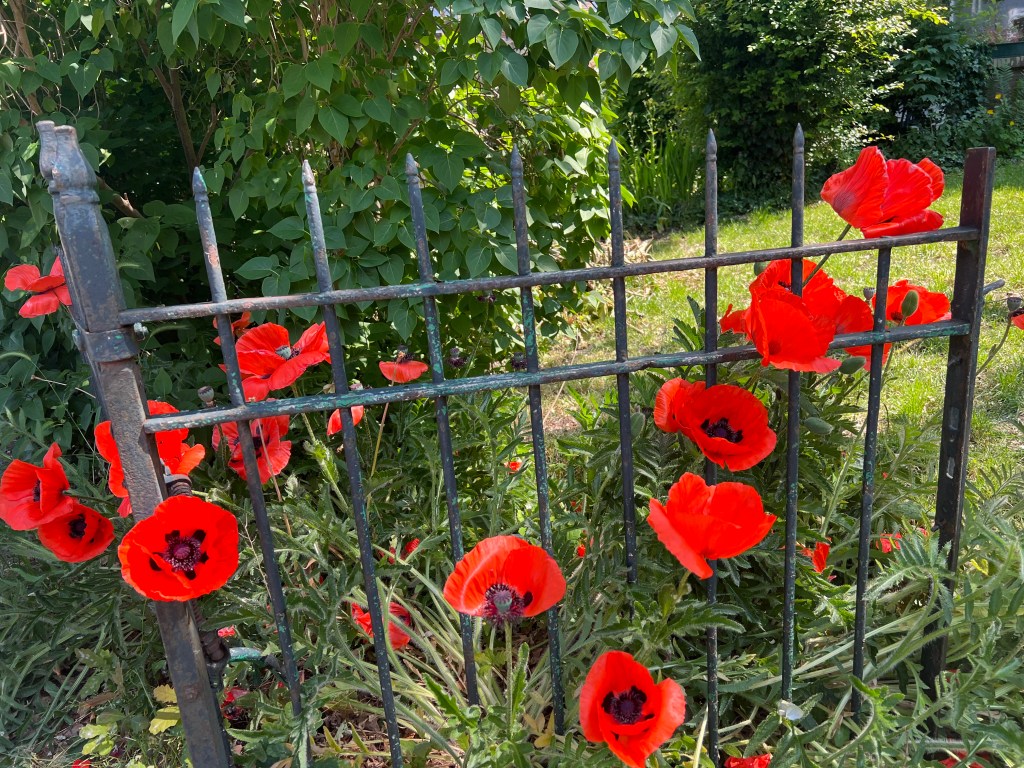
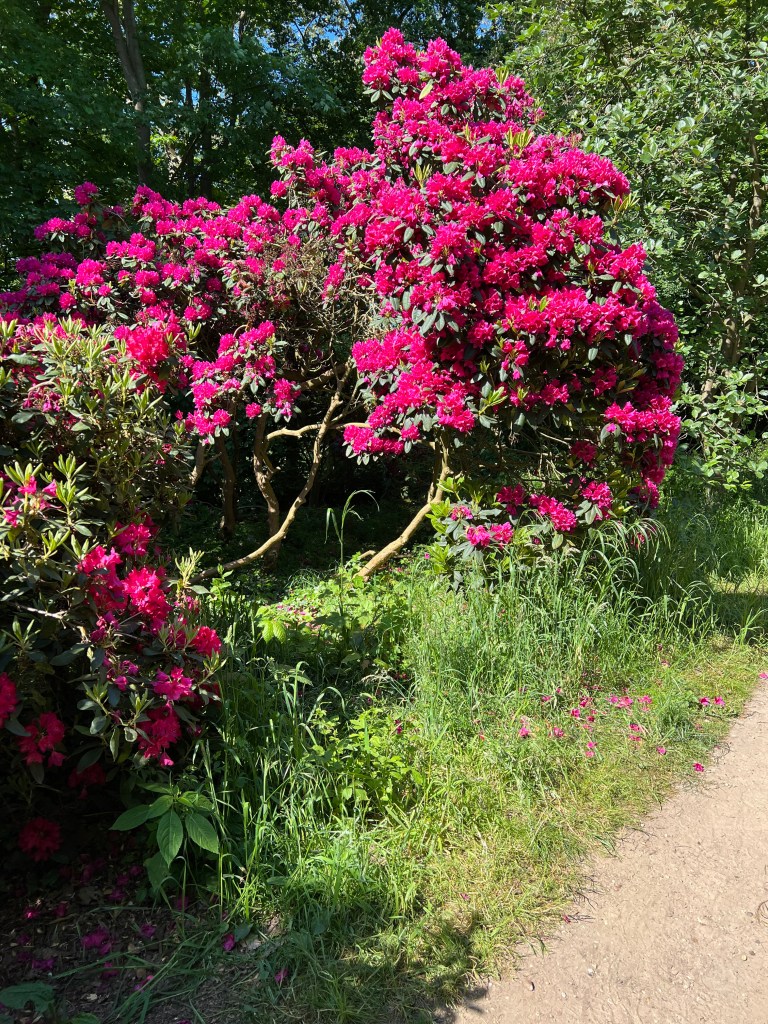
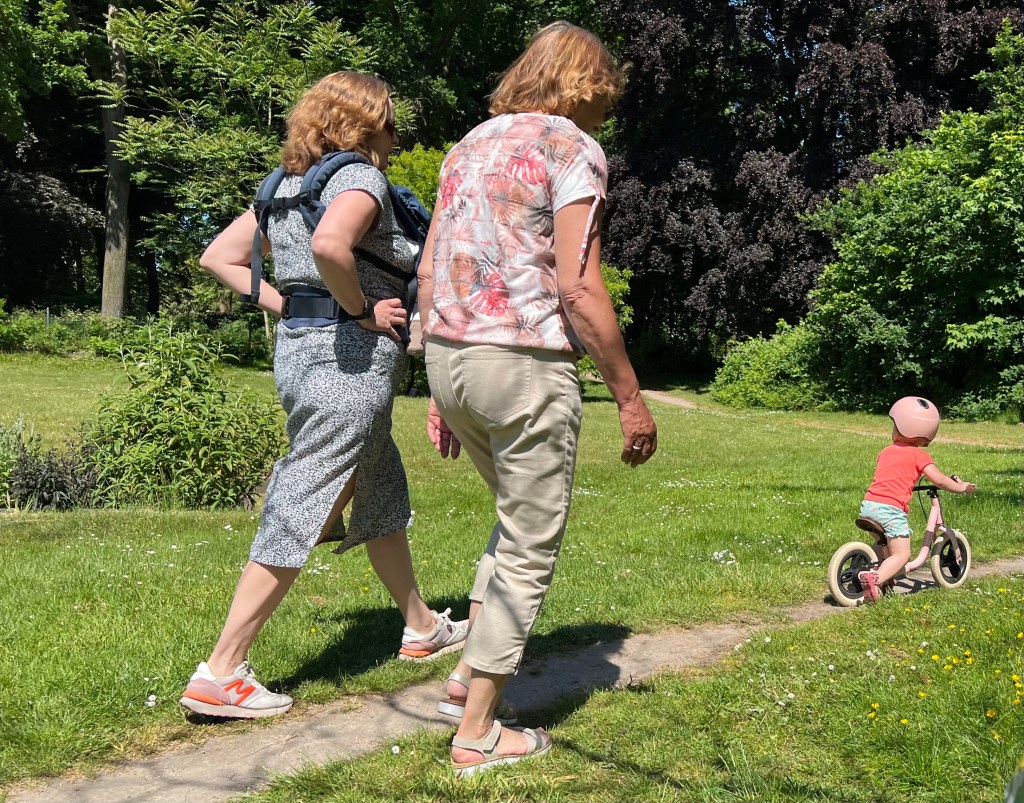
The next two days were exploratory. We began each day with a walk through the forest park to the town center. People told us this was a 20 minute walk, but we had photos to take, trails to explore, and time enough not to worry about time. We passed by families having picnics, great stands of rhododendron and azaleas, tumultuous wild flowers, and signs marking the trail.

Our walk took us into the city center and its historic church, both of which were heavily bombed during WWII, either by the attacking Allies or the retreating Germans. Wageningen was where the “capitulation” agreement was signed to recognize the surrender of German forces in the Netherlands. Allied forces had cut supply lines and trapped German troops.
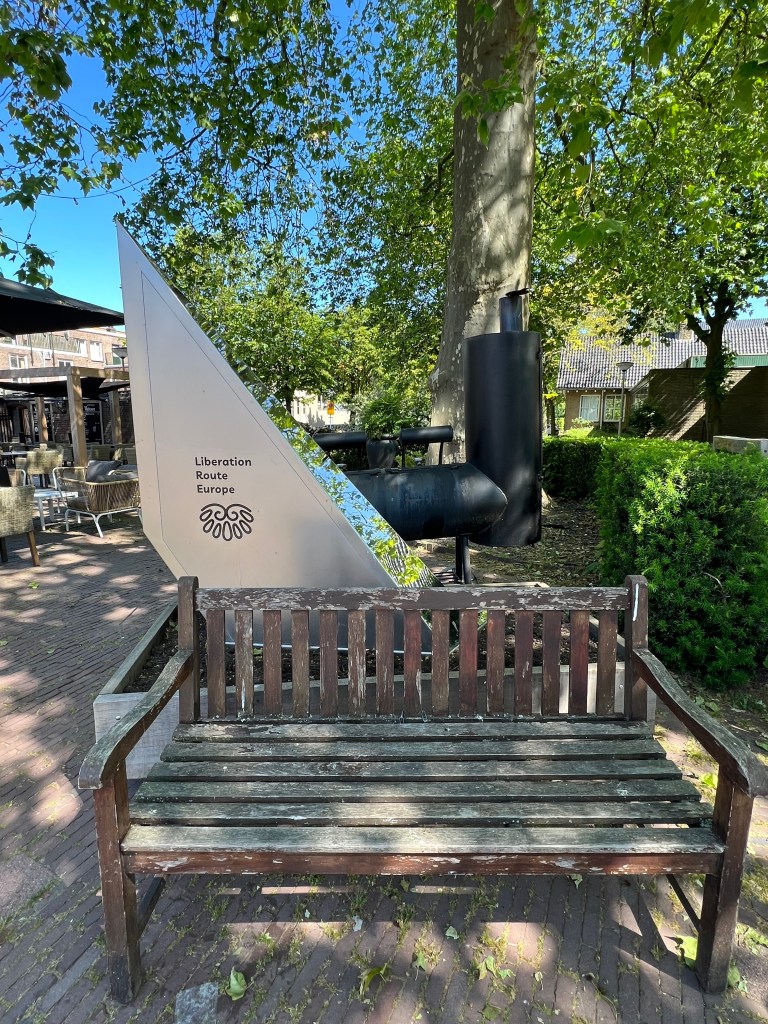
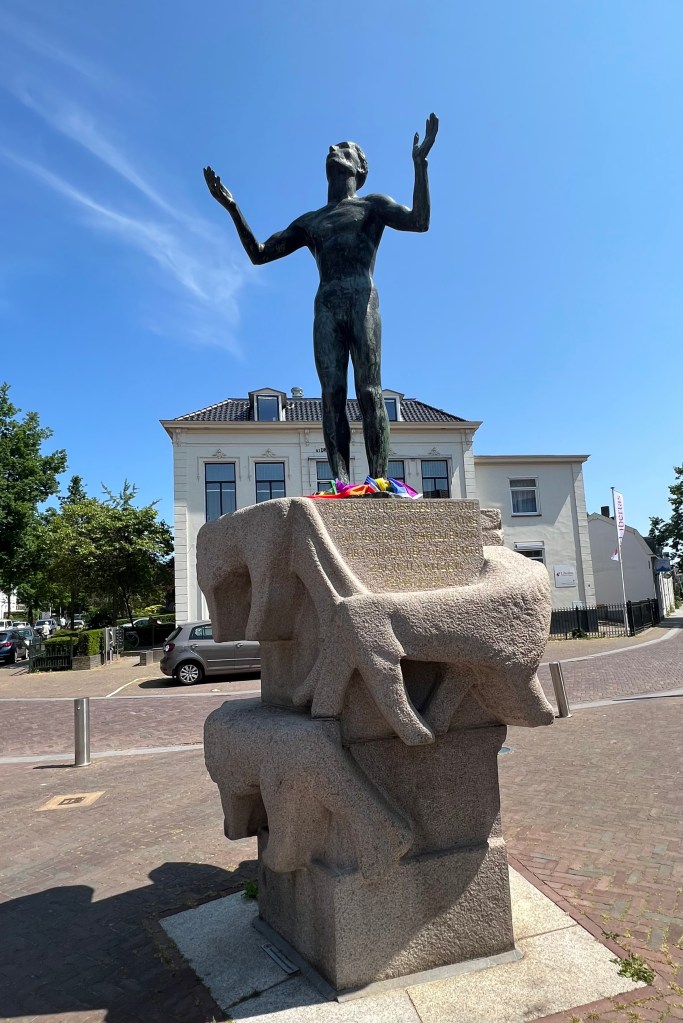
The Hotel De Wereld is the site of the signing and the Liberation statue beside it commemorates the event. For many years, Liberation Day was marked with a parade of Canadian, British and American soldiers involved in the liberation plus local resistance fighters. Now the Liberation Day parade on May 30 is composed mostly of school children and civic groups.
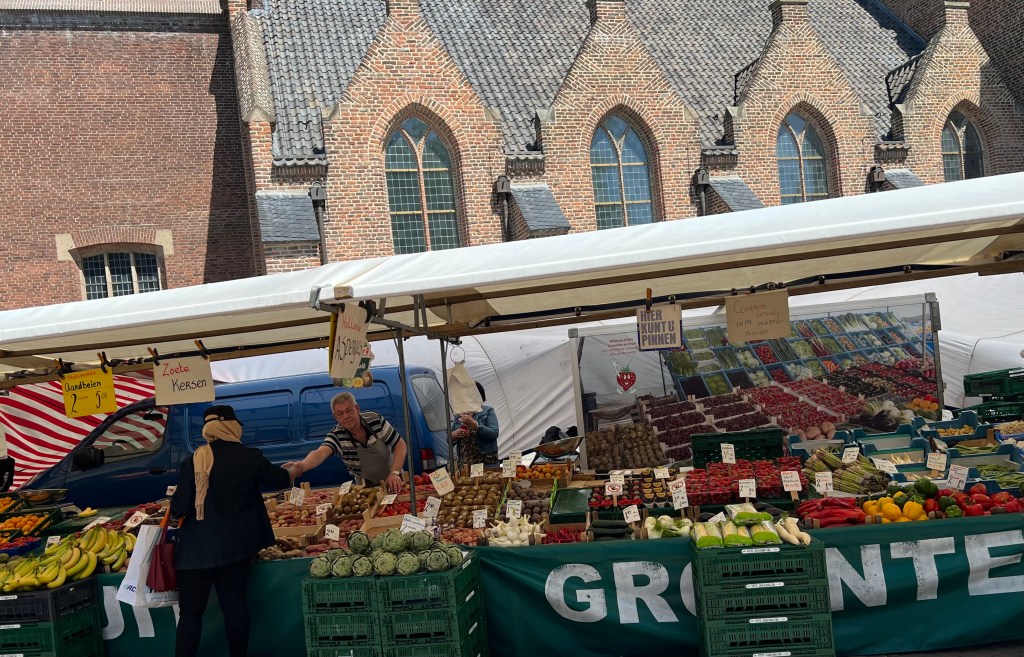
in middle of Old Town Wageningen
For more information about Wageningen, google History of Wageningen.
Saturday is Market Day with booths set up all around the rebuilt church. We sampled and bought cheese and bread with bananas and grapes for breakfast.

The old town center is a warren of little streets and hard to follow on the map, but we soon learned that General Foulkes Road (named for the British-Canadian Commander who signed the capitulation) is the primary route to our hotel.
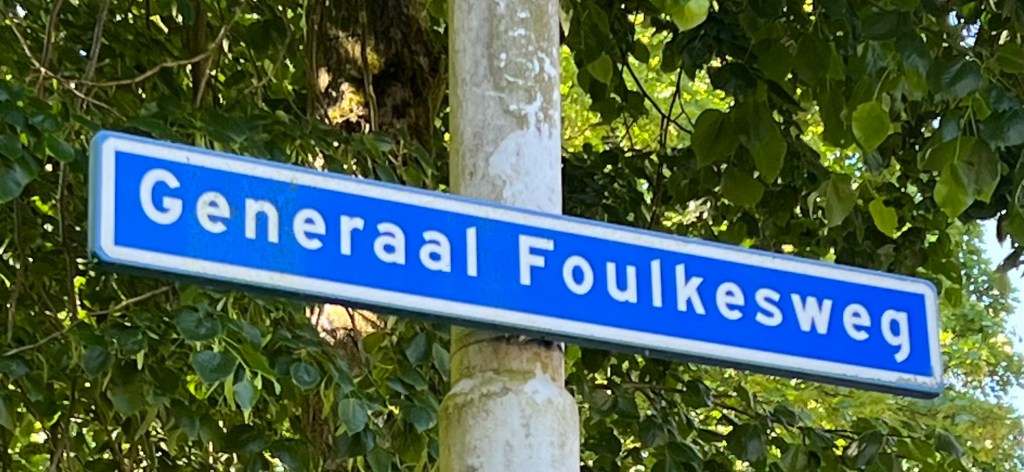
About 3:00, we were tired and headed back to the hotel. This walk was a bit of a slog due to the heat of the day, having walked 10,000 steps already, and our surprisingly heavy breakfast purchases.
Our afternoon nap refreshed us for a leisurely meal on the veranda. We shared an amazing goat-cheese laden salad. The hotel is extremely busy and hosts a variety of events. We saw a reunion and wedding party while there. The fact that the service was a slow suited us perfectly. We did not abandon our reverie until the evening got too chilly.
On Sunday, we planned three events. The Dutch Reformed Church was close to town and we dropped in there there as services ended. We had conversations with several people about Becky’s ancestors who belonged to the Dutch Reformed Church in Kingston, NY. People were interested in the documentation Becky had about the ancestors, but they had no knowledge of anyone with the family name.
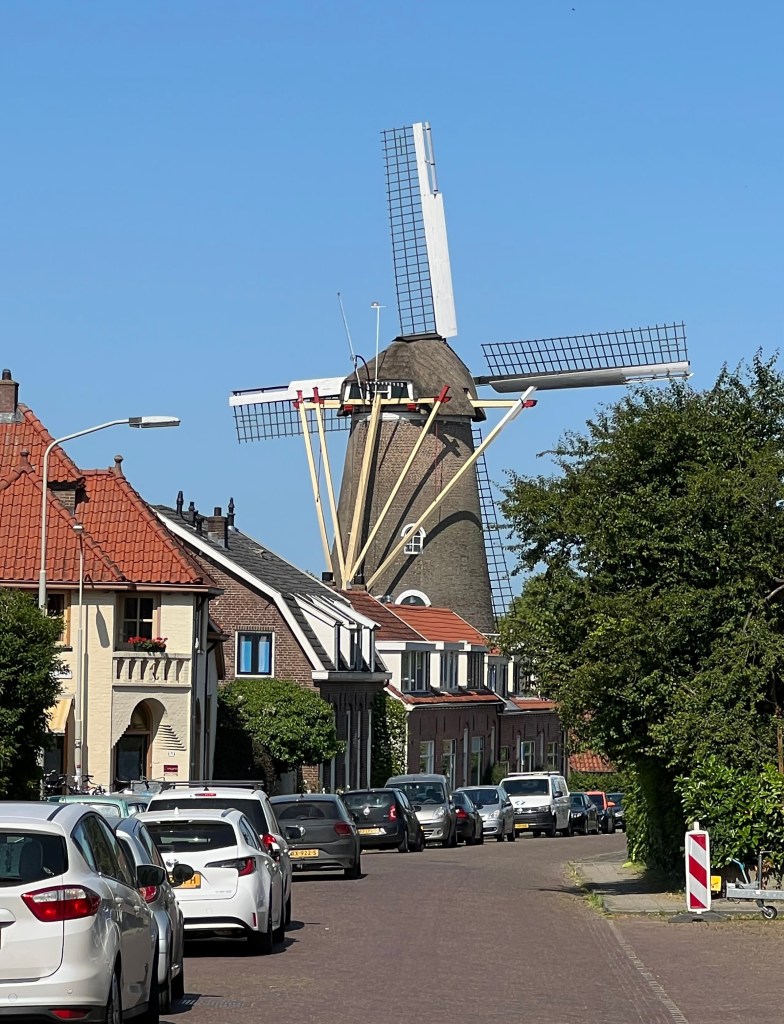
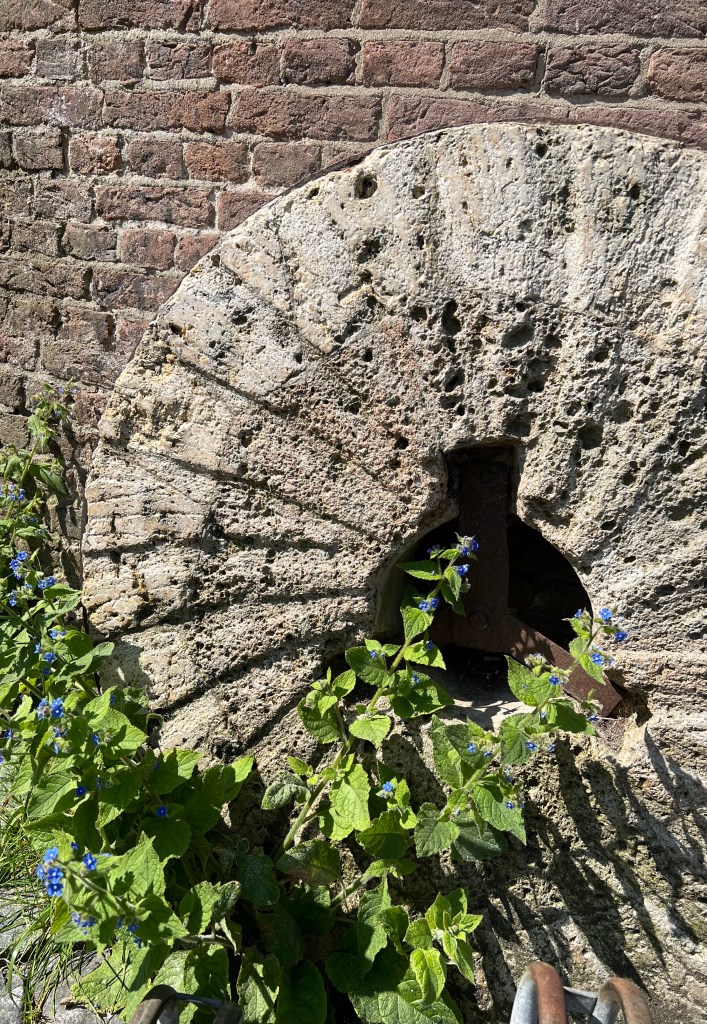
After church, we walked toward city center and came upon a windmill from 1879. Its history as a grain mill is reinforced by huge grinding stones that served that purpose.
Lunch at the Hotel De Wereld was the next stop. I had a sample plate of “traditional” Dutch foods: asparagus soup, mushroom fritter, mackerel broodje, and egg and cheese broodje. Becky had chef’s special sandwich which turned out to be a not-so-special ham and cheese broodje. You may have guessed, broodje (“bro-ja”), means bread or roll, the only Dutch word we learned!
In the afternoon, we located the Museum de Casteelse Poort, the city museum. We previously had followed signs, but the museum eluded us being tucked away on a side street. This time we stopped and asked for directions from a bartender in a sidewalk cafe. He told us the longer route that goes beside the original city wall was more interesting. He was correct. The path is historic and beautiful.
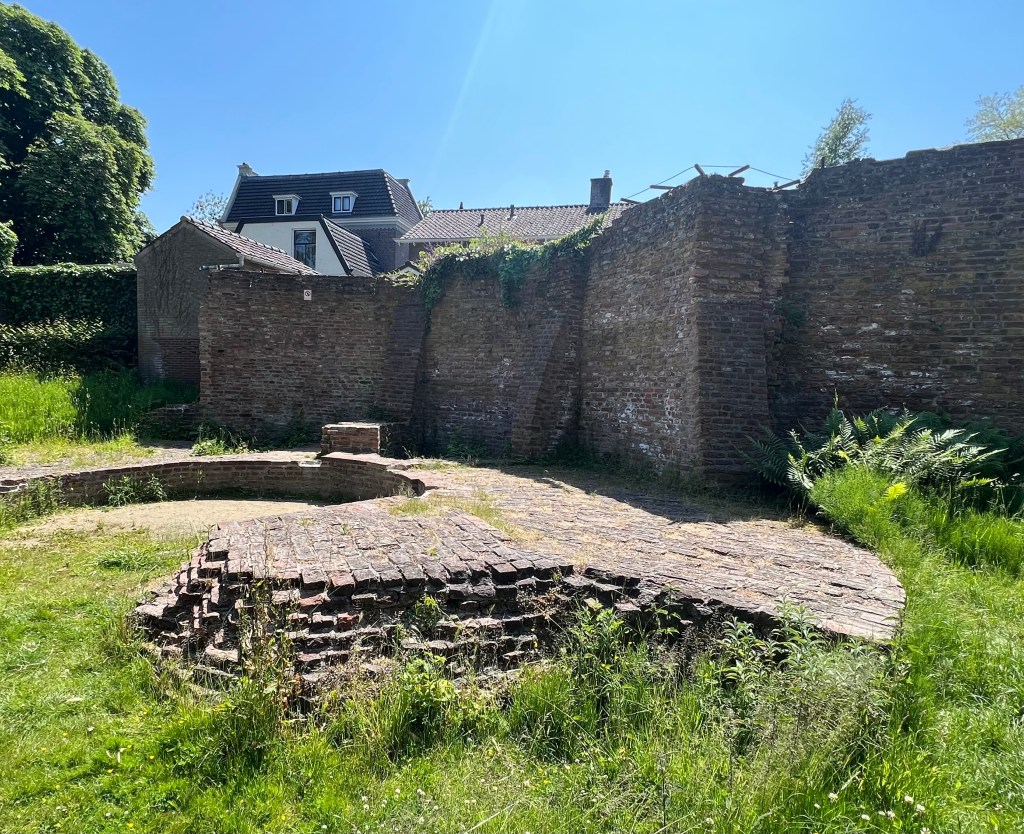
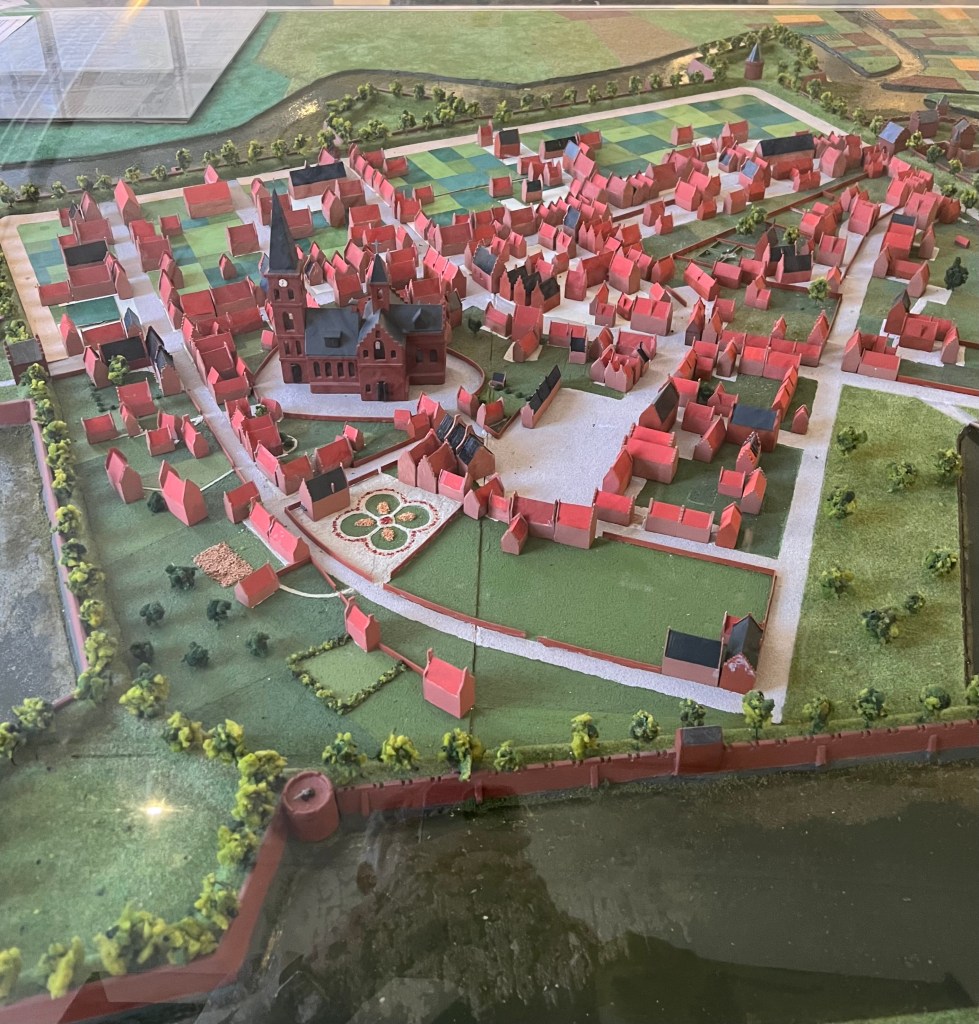
The City museum has two primary exhibits. On the first floor, the history of the town is presented with many artifacts and a scale model of the town and wall we had just walked past.
The second floor focused on the many ways landscape had an impact on the area. This was done though comprehensive video about primary landforms, diagrams about fauna and soil types, and finally a collection of local art on the theme of landscapes.
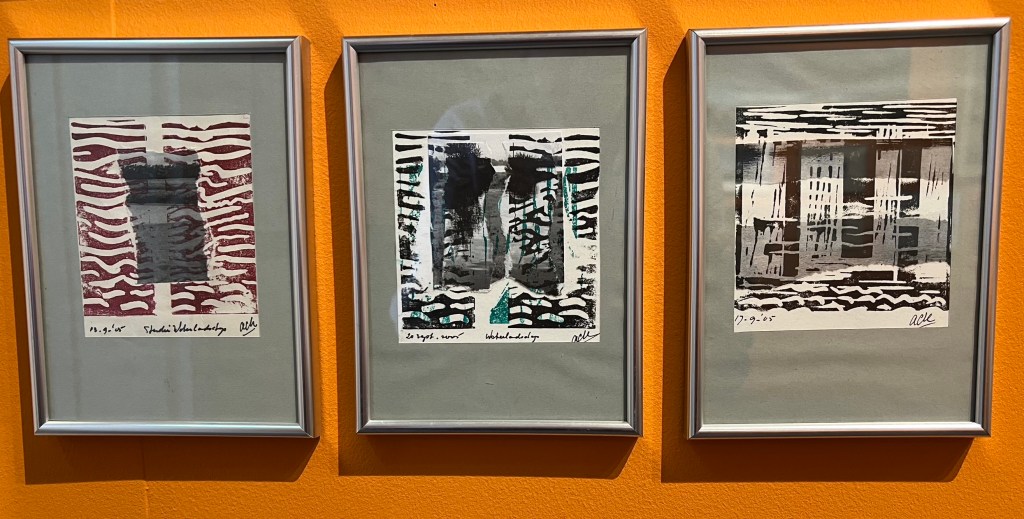
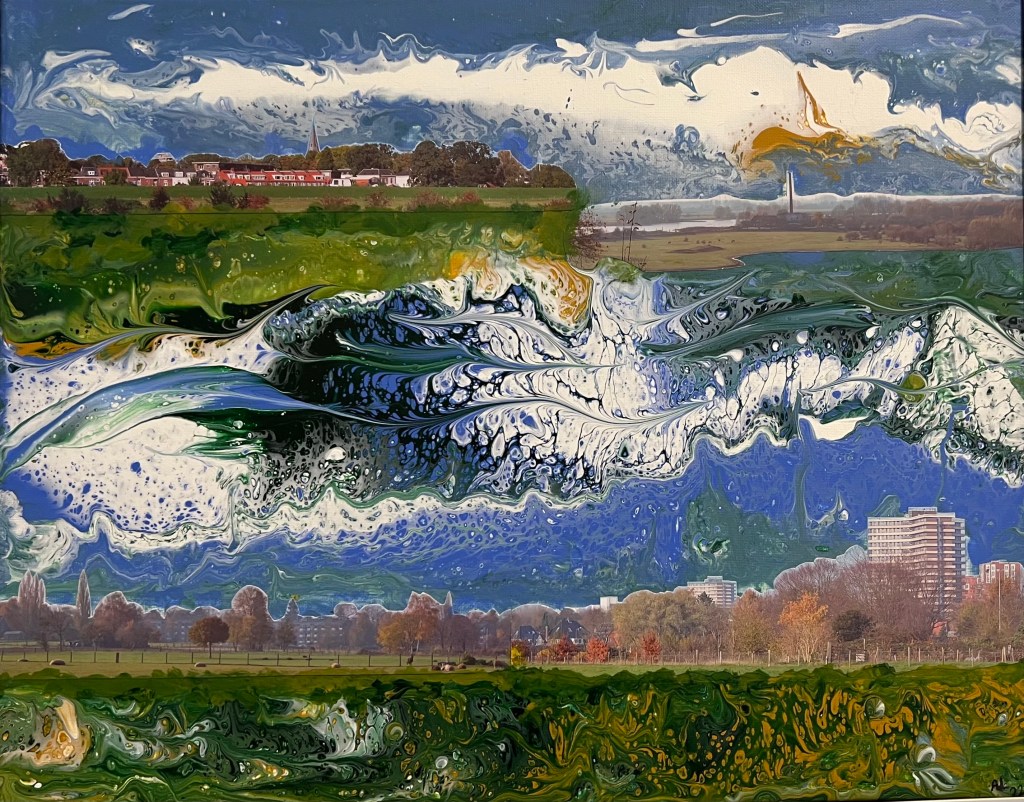

The exhibits were interesting but had only Dutch descriptive labels so we learned less than we would like to know.
As we walked away from the museum, a man asked whether we enjoyed our visit there. We replied affirmatively. Then he asked if we had found anything about our ancestors. We were puzzled until he explained that he had talked with the bartender who gave us directions. Wageningen is a small town.
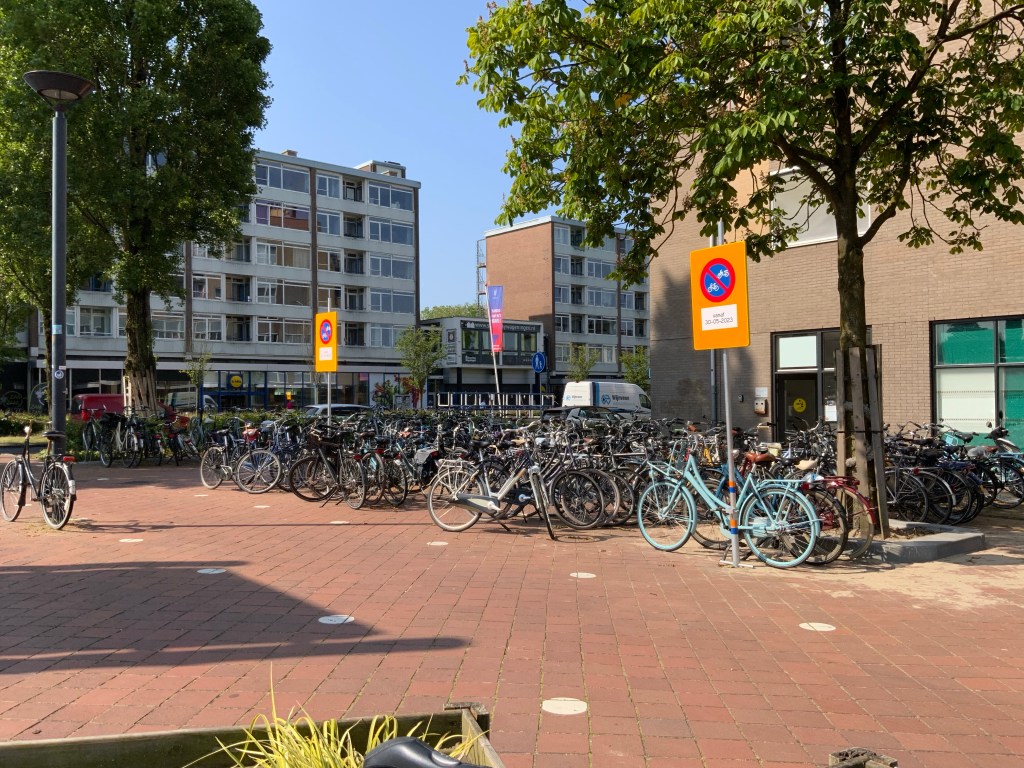
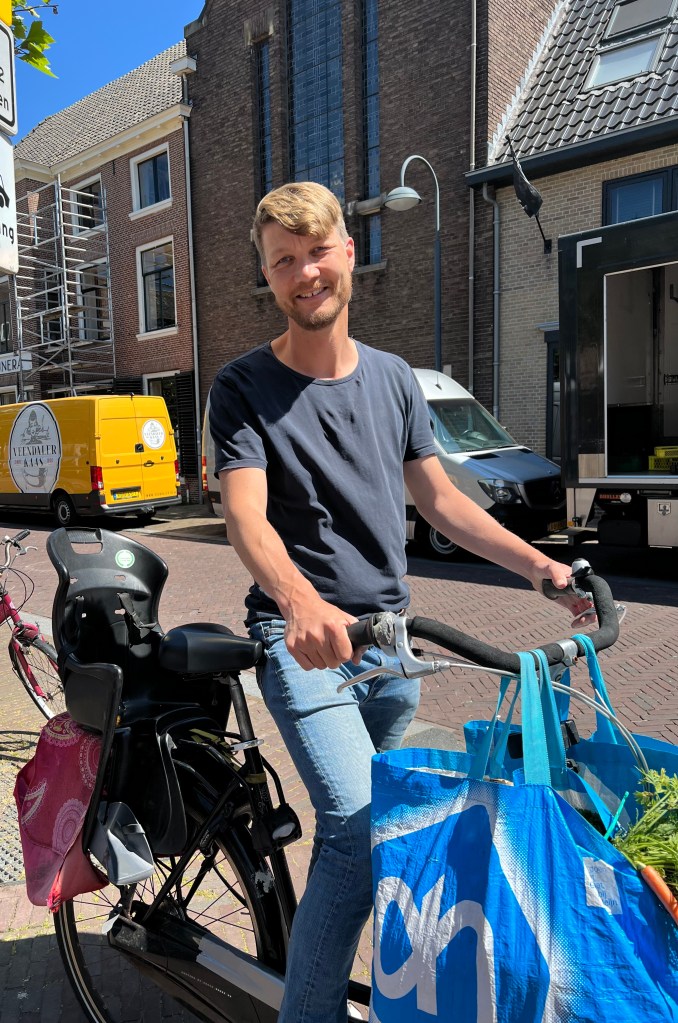
Bicycles, bicycles, bicycles are a way of life and transportation all over the Netherlands. In Wageningen, they are especially practical since the town and university are compact. We observed every possible size, shape, and use of bicycles: standard, fold ups, electric bikes, racing bikes, bikes with front carts built for groceries or children, three wheelers, and more.
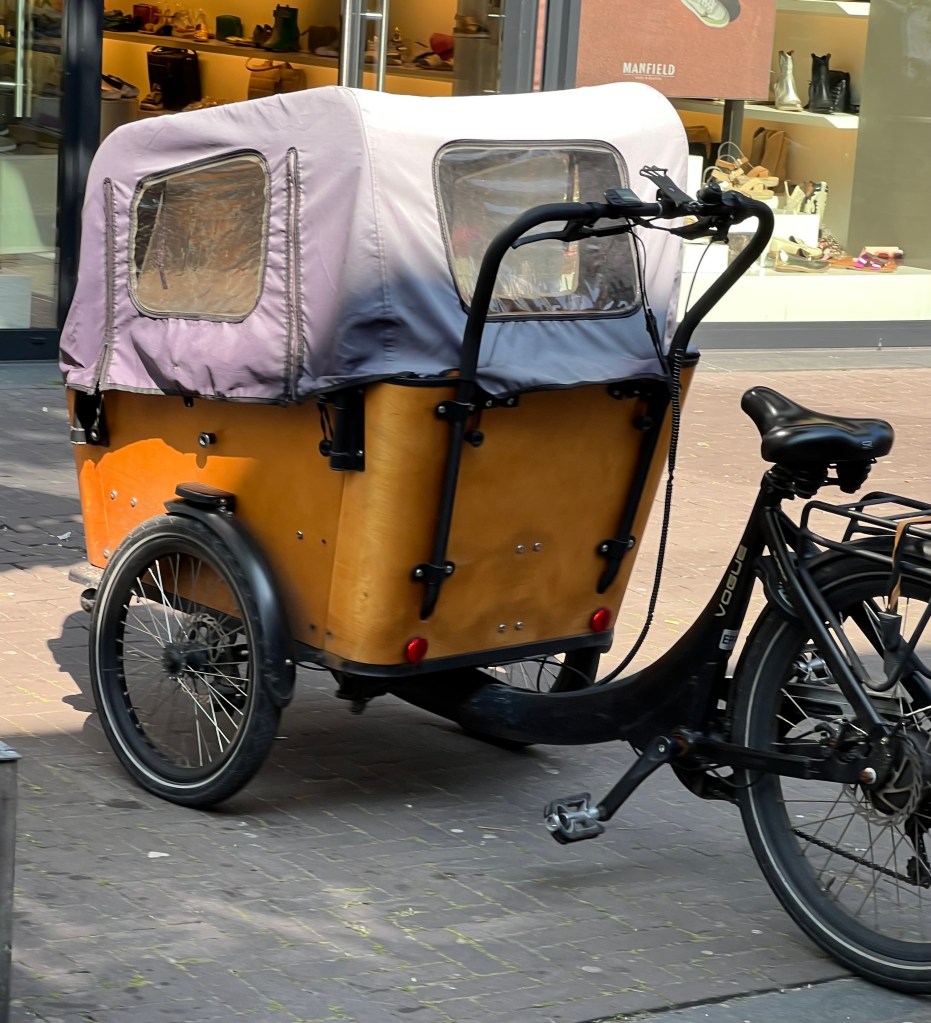
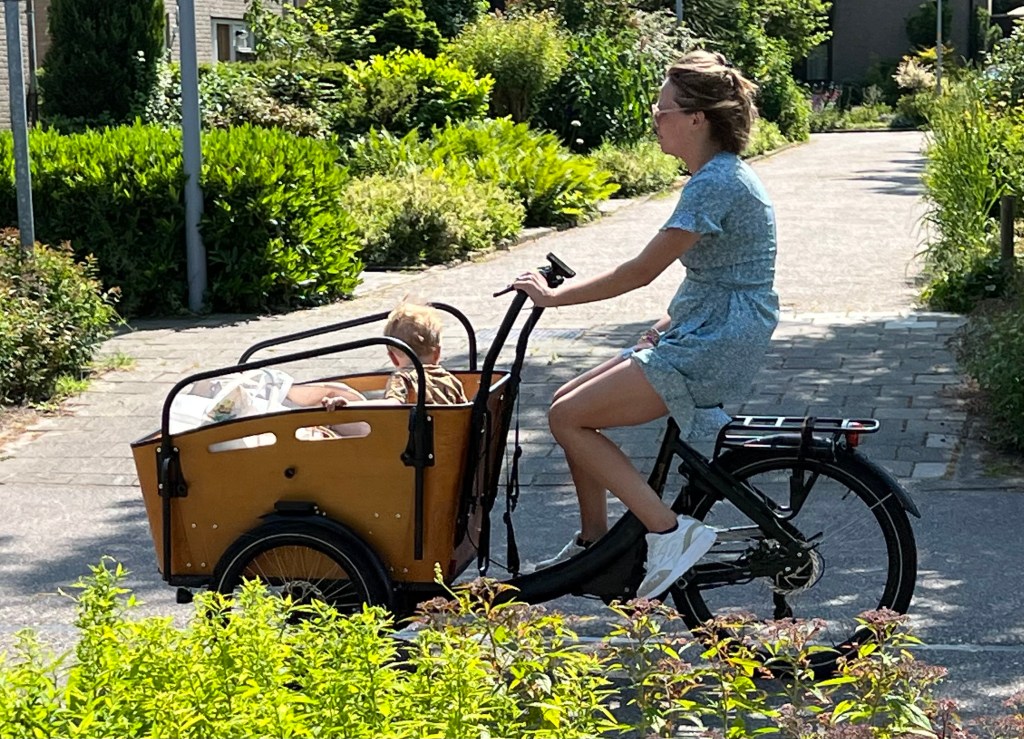
In Amsterdam, bicyclists defy death with their speed and number. Bicycling in Wageningen was more casual and purposeful and not as scary.
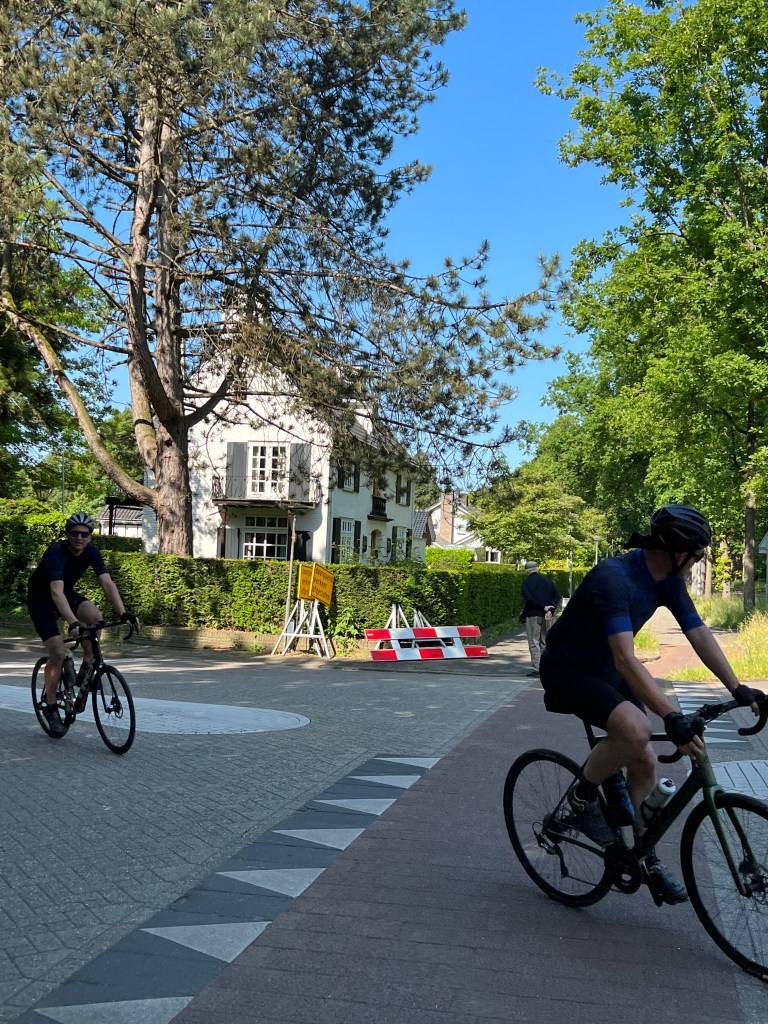
We observed two special biking experiences. On Saturday, streets had been blocked for a road race. We got to watch the racers at several places where their route intersected ours.

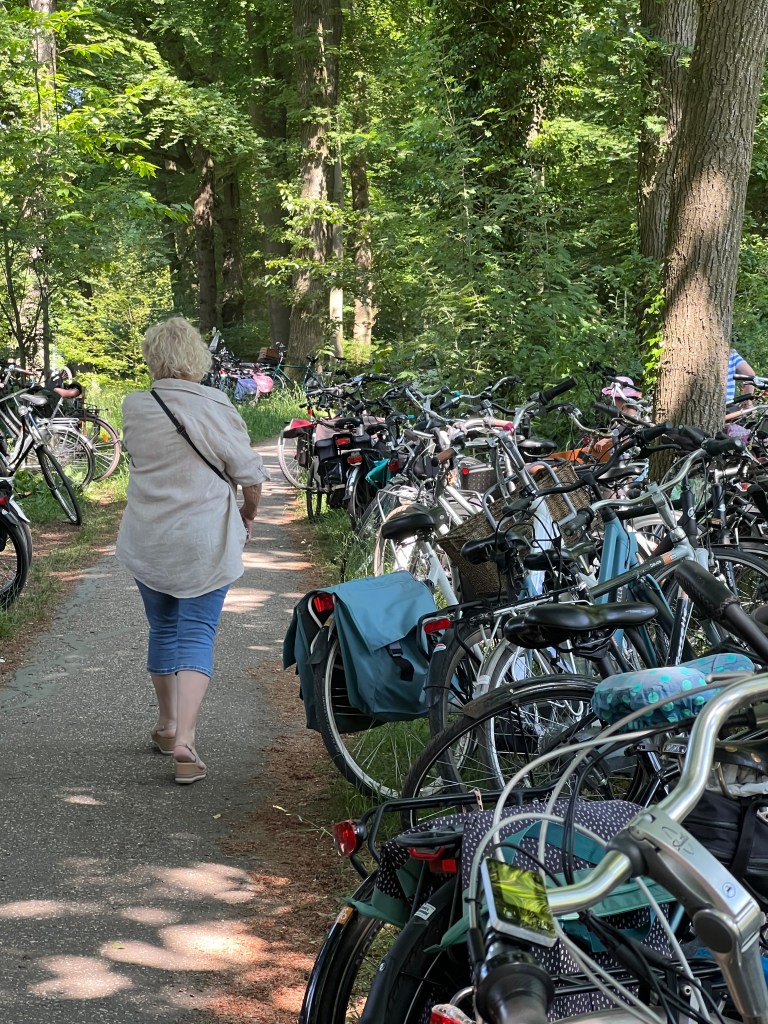
Pedestrians could only cross streets with permission from the guards for the protection of both the cyclists and the walkers. On Sunday, at least two events in the park resulted in a huge crowd: a concert on an inflatable stage and a large church picnic. These were in addition to many family picnics. Thousands of bicycles were in the park all afternoon.

Our routine kicked in when we got back to the hotel. Nap first, then veranda to enjoy as long as possible. The place is so beautiful we loved sitting there. We again shared the delicious salad with goat cheese, and we took a walk along the bluff afterwards. We are now wishing we had planned more time in Wageningen.
Instead we took a taxi to the bus and the bus to the train to Hoopddorf near Schiphol Airport. We stayed at the same Hilton five years ago and could see a rapid transformation of the town.
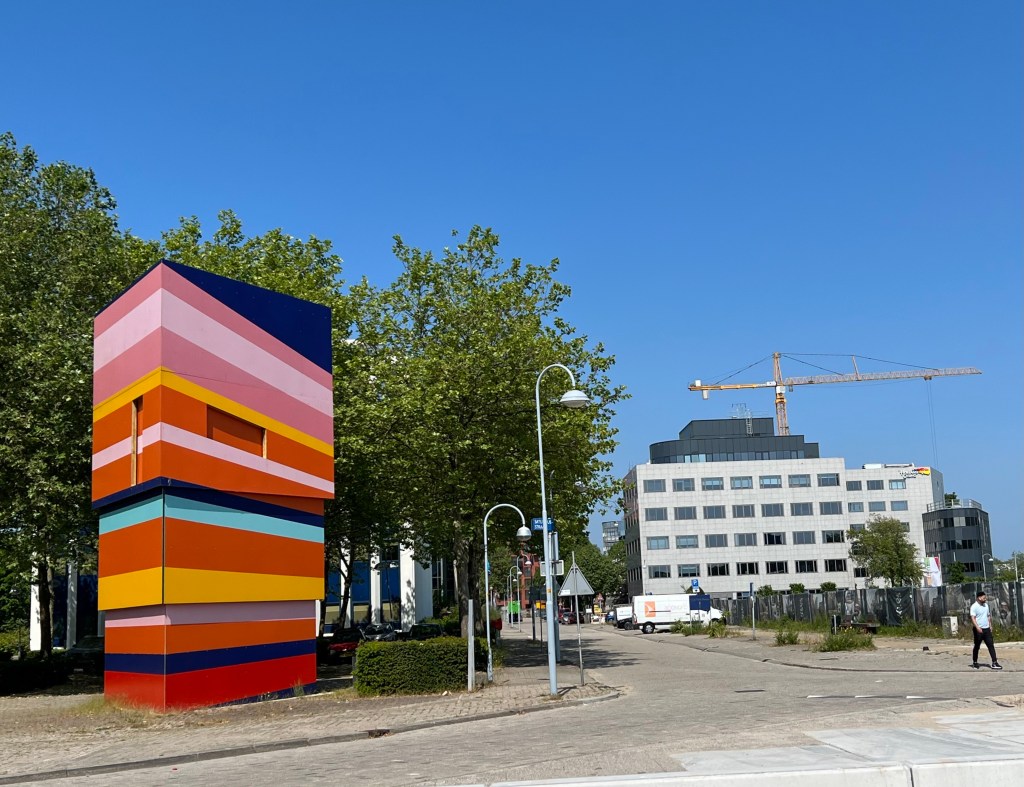
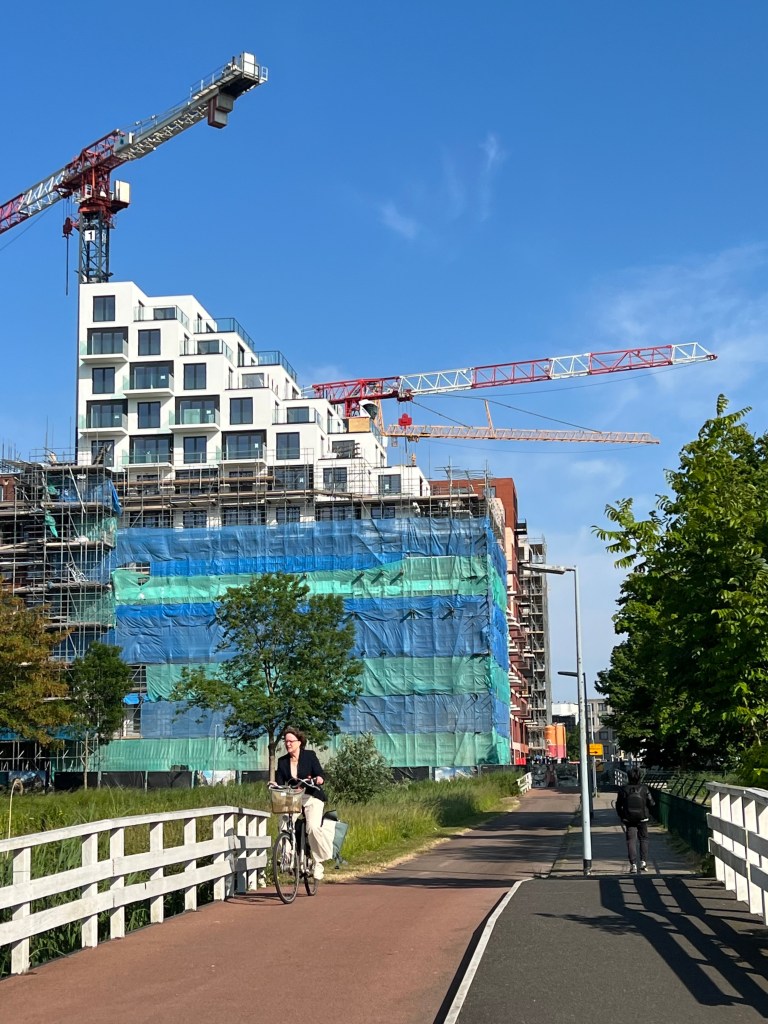
Hoopddorf had been primarily residential, but its prime location has generated huge new office towers and stacks of new apartments. Rhythmic pounding construction noise provided background sounds during the day.
Since we had been in transit most of the day, we decided to walk into the Centrum in search of a really good dinner. We found Darbaar Royal Indian Cuisine and were not disappointed—vegetarian dinner with mushrooms, potatoes, and eggplant playing spicy roles. On the return walk, we followed a bike path that was a short cut directly to the hotel.
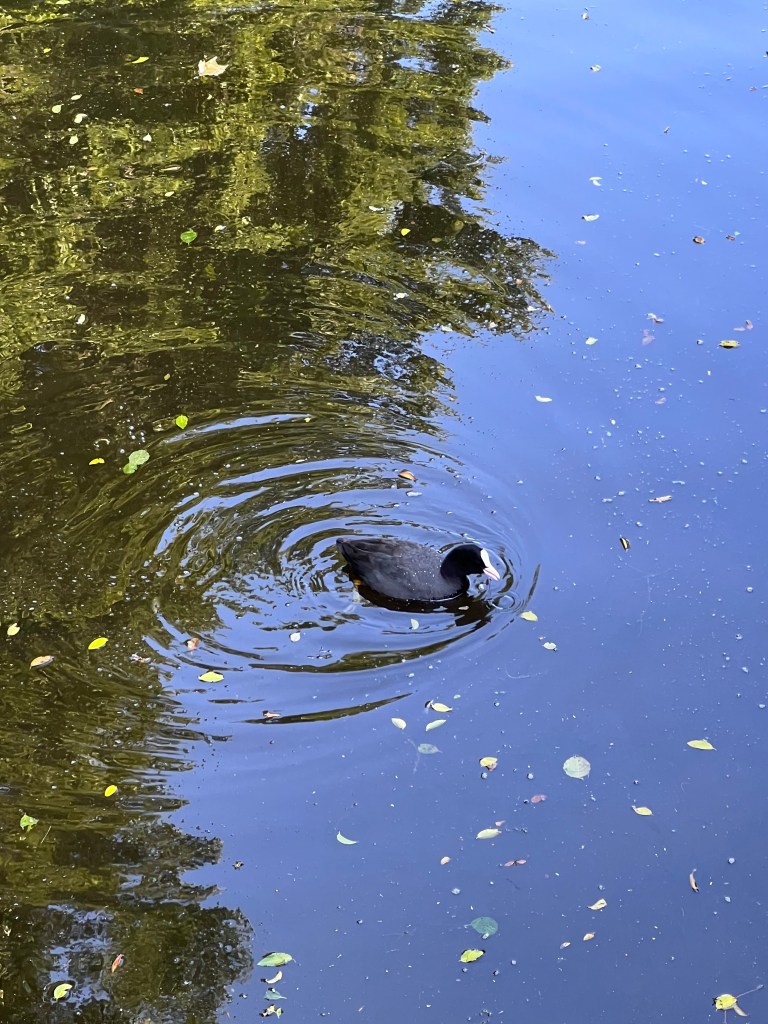
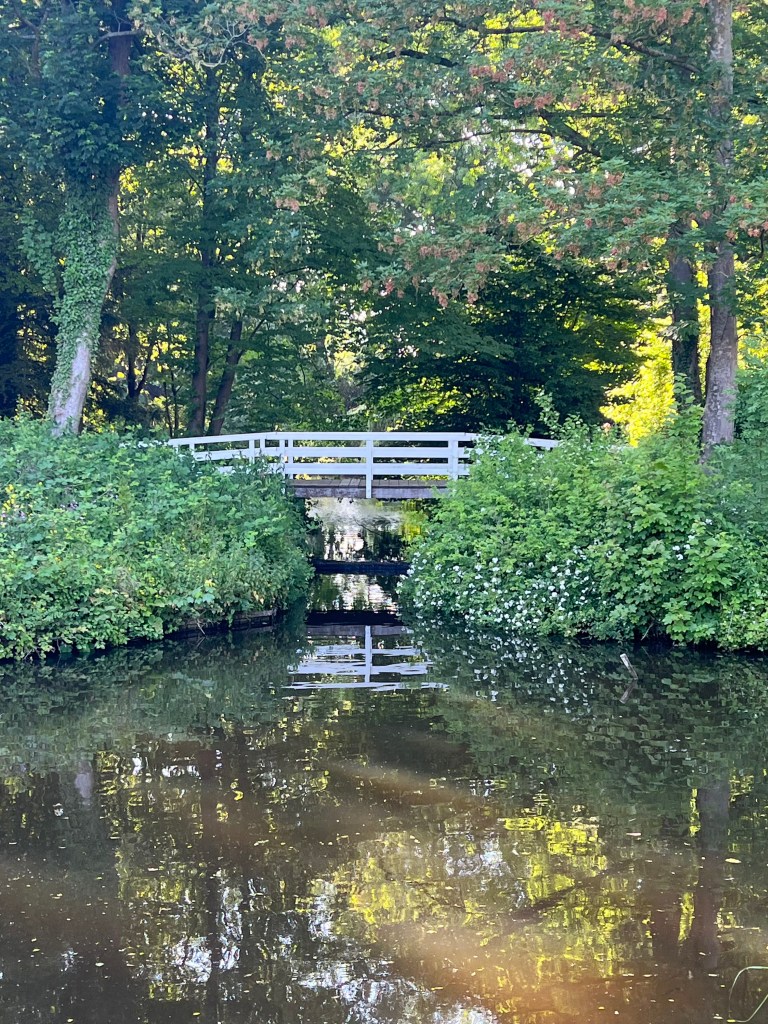
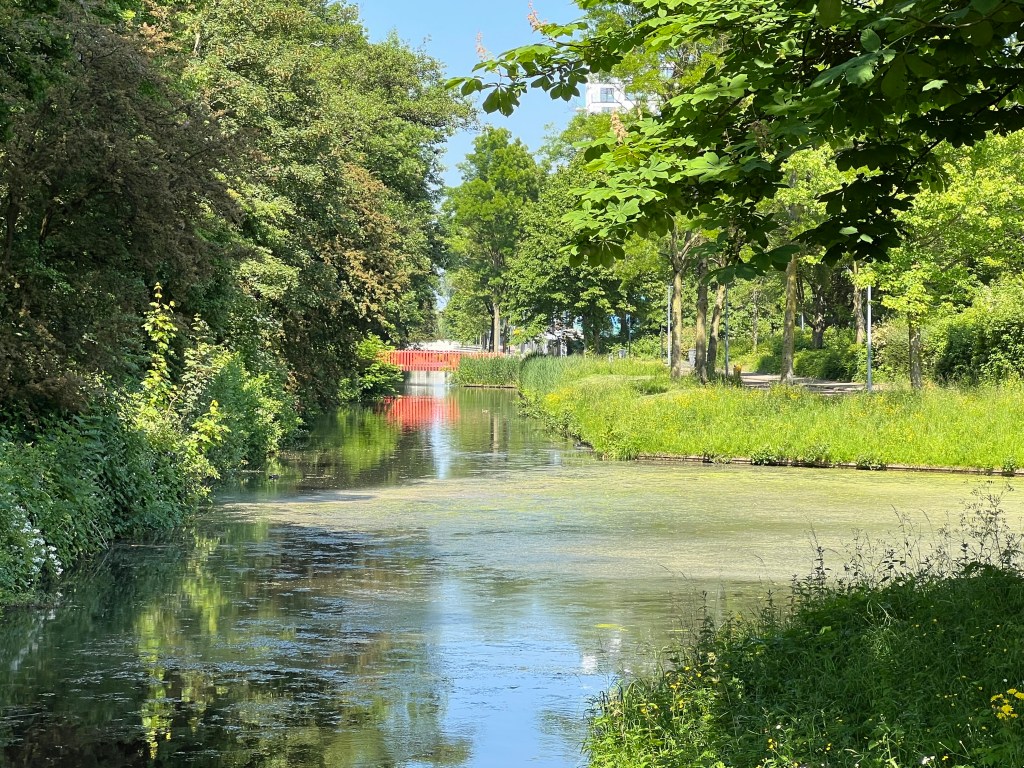

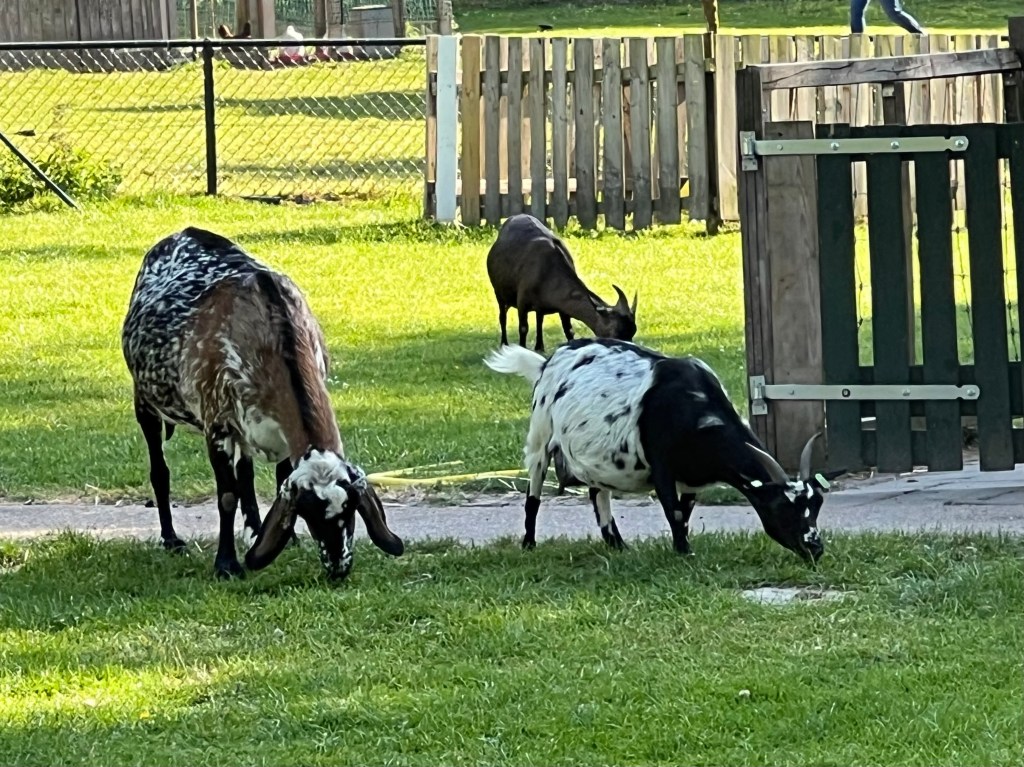
On the short cut, we recalled there was a city park with sheep and goats. We were glad that the animals were still doing their jobs of running, resting, eating, and generally being cute. There are several new lambs and the lop eared goat is very pregnant. Reminds us of Lillian Sandburg’s goat herd.
The plane is scheduled for 10:55 Wednesday, June 7. American Airlines recommends three hours for international flight check in. We are five minutes away by train and train run about every 15 minutes. We think and hope 8:30 is enough time to get there and get home to North Carolina.

