Remembering that it is impossible to do everything, Jim and I decided to skip Versailles and go instead to Fontainebleau. He had visited Versailles in the past and comments by recent visitors persuaded me to bypass it. Steve and Becky had also been to Versailles and did not wish to go again. Steve joined us for the trip to Fountainebleau while Becky took a day of rest. The weather was great.
Finding Fountainebleau
About 9:00 we took two Metro lines to Gare d Lyon. Our train was at the platform early so we settled in to wait and wait while more and more passengers jammed the aisles and vestibules.
Hikers, campers, and bicyclists were out for a day, weekend, or week of outdoor fun. They carried tents, beds, rucksacks, bicycles and nourishments for their stay in Boi de Roi forest preserve near Fontainebleau adding both crowding and youthful energy to the trip.
The train arrived at Avon station in an hour and 15 minutes with only one stop. At Avon station a bus whisks you to the gates of Fountainbleau.
By the time we arrived at Avon, we were in serious need of a restroom. We went through the turnstiles only to discover the facilities were inside the station not accessible after we exited.
Transport buses filled up leaving about 30 people stranded including us. Anxiously waiting 30 minutes for the next one, we thought more buses would be helpful considering the number of people visiting Fontainebleau.
Thirty minutes felt like an hour. At long last, the bus arrived and delivered us to the gates of Fountainbleau, We faced a lovely long walk through gardens to the Chateau. None of us were up for a lovely walk at that moment; we immediately found a lovely sidewalk cafe for tasty brunch and lovely clean facilities. Doubly refreshed, we crossed the street approaching the gigantic Chateau.
Garden at FountainebleauBetsy in the Garden
The Chateau
In 1528, Francois I hired Italian artists to build the original palace. He even convinced Leonardo da Vinci to move to France for the last three years of his life and assist in the design. The chateau has many additions and wings built over centuries. Every king, queen, and emperor loved this palace, and most have left their imprint on it creating a glorious hodge podge of elegant rooms and different styles.
Fontainebleau, seen from the street, is a U-shape building facing a football field sized courtyard and centered on immense horseshoe stairs leading to its impressive doors.
On either side of the courtyard are wings with a completely different architecture. Each wing is about two New York blocks long—longer than a football field. This initial sight is overwhelmingly grand and designed to communicate power and wealth.
Our brunch allowed us to arrive during a lunchtime lull. We sped through security and entrance with tickets on our phone. The tour entrance is on the right wing around the 50 yard line. For future reference and need, we saw a large sign indicating that toilettes were located at the far end of the football field closest to the road.
The Rise and Fall of Napoleon
Fontainebleau has more Napoleon Bonaparte connections than any other palace in France. The first exhibit occupied half of the right wing and presented Napoleon’s life before and during his time as Emporer and King of France. Napoleon lived a life of gold and gilt and military pomp which demonstrated his power, glorified his ego, and echoed his personality. What he carried into battle for his comfort amounted to a small palace on wheels.
To seal the deal of his future ambitions, he divorced Josephine, his true love, and married Princess Maria Louisa of the Austrian Hapsburgs. The birth of Napoleon II called for even more ostentatious golden baby accoutrements and remodeling of palaces for the heir apparent.
Displays also chronicled his defeat at Waterloo and abdication, exile to Elba, short return to power, and eventual exile in the South Atlantic as far away from France as the British could banish him.
Among other renovations, Napoleon added the impressive horseshoe staircase to King Henry IV’s palace giving the Chateau its most outstanding exterior feature. From this staircase, Napoleon gave his farewell abdication speech before being exiled. Glory to the very end. After abdication, Maria Louisa and Napoleon II went home to Vienna and basically disappeared. By this time the Bonapartes had extended royal family occupying thrones and power throughout Europe.
Living the Royal Good Life
Ballroom
The main tour of Fontainebleau itself continued through the right wing and into the central area. This included both original buildings commissioned by Francis I and many subsequent renovations and redecorations by subsequent kings and queens.
The interior is rich in art and design that changed with every French ruler. A warren of interconnected spaces includes royal reception rooms, multiple bedrooms, a glorious ballroom, libraries, guard rooms, etc.
In each of these rooms, we saw elaborate furniture, sculpture, paintings, tapestries, dishes, and bric-a-brac. Excess reigned supreme.
After an hour following a route through all this opulence filled our eyes, heads, and guts. A sense of God-given authority pervades Fontainebleau like a parable on the corruptive influence of power and wealth.
The Saga of No Toilettes
Steve finished the tour first and asked the exit attendants for directions to the toilettes and was told “Outside.” He followed the previously seen sign to the toilettes. Walking from the 50 yard line toward a touchdown, instead of toilettes, he found a sign.
It read “We are sorry for the inconvenience, but during renovations these toilettes are closed” showing a map pointing to another restroom a football field away in the opposite direction and through two archways.
By this time, Jim and Betsy finished the Chateau tour and were also headed for the toilettes. Steve signaled to “STOP” with both hands halt them from walking forward Then in his best Texas French accent, he started shouting, “No toilettes! Non! Non! Non! No toilettes!” And making the football no catch signal.
Jim and Steve in Search of Toilettes
We found the toilettes. Then we sat down for a rest looking at a large pond at the rear of the Chateau. Steve went to the snack bar. The poor snack attendant had a credit card machine which was malfunctioning. This created a long line of tired and thirsty people digging around for cash. After eating our ice cream bars, we walked back to the bus stop heading for the train.
Ageless Beauty
The bus ride back to the station was uneventful except for the small woman of indeterminate age who sat across from me in the bus. I was taken aback by her powerful presence in the style of Iris Apfel, a doyenne of New York high fashion. reborn.
Iris Apfel
Sitting directly opposite from her, I tried not to stare, but I had to look. She wore a crown of short red hair perfectly coiffed; an ensemble of top, pants, and handbag in three tones of yellow to gold; a blouse of pink and blue plaid; oversized black frame glasses; large gold circle earrings with a center blue jewel; and the brightest lively blue eyes. Outrageous and beautiful.
I wanted to take a photograph but that felt too intrusive and I had no French to ask permission. As the bus stopped, I was compelled to say something. I bent forward and whispered the only French I could muster, “Tres bien.” And in English “Beauty has no age.” She smiled and replied, “I think I understand.” Alighting the bus with her cane, she disappeared into Avon. But my vision has not.
Postlude
Three travelers got back to Passy apartment 28 from a long day of travel and many sights. So much elegance and opulence, but the visit to Fontainebleau was somehow disappointing.
Betsy said it perfectly, “It was a museum but had no story. It was just a lot of stuff.” The Napoleon exhibit did have a story, but it was a rather bitter story of too much power and too little humanity. I bought a small Fontainebleau book hoping to derive more sense of the people who made Fontainebleau their home.
I believe the Biltmore House in Asheville manages a better balanced presentation of the upstairs downstairs story of the Vanderbilt family living in their mansion.
Becky and I visited Musee Monet Marmottan ten years ago and remember its impressive collection of Monet paintings. Surprise to us, it was only a few blocks away from the Passy apartment 28. On Saturday morning, the Robsons and we walked down the street across Ranelagh Park to the front door of the Museum.
Musee Monet Marmottan
The handsome building in a residential area belongs to a Beaux Arts association which owns and manages the largest private collection of Monet paintings as well as those of other Impressionist masters.
On the first floor of this large townhouse, we saw paintings by Corot, Caillebotte, Renoir, and Degas in elegant, ornate 1900s Empire setting with statues, floral centerpieces, and elaborate wallpapers.
A special exhibit of Eugene Boudin was mounted in a series of small, very crowded rooms. He was a friend of Monet and in some ways a mentor despite their differences and arguments about style. He painted many scenes of people strolling along a beach.
Even he apparently became bored with these and added harbor and boat scenes. The sun and moon in his paintings are impressionist although he never identified with that label. Boudin, like many painters at this time, was not successful financially, but he is now regarded as a precursor of Impressionism.
Enjoying Monet
The Monet collection fills an expansive basement gallery with two dozen paintings spanning his career and styles. An hour with Monet is a rare delight. The serene setting with plenty of benches enabled viewing and contemplation. We had so much Monet to appreciate: flowers, churches, street scenes, water lilies, landscapes, buildings—all brilliant and wonderfully gauzy in focus.
Many paintings owned by the association were bequeathed by Michel Monet, the surviving son. The huge gift, including family portraits, was made to insure preservation and continuing display in the museum and on loan.
Sunrise: Impression, which has recently returned from loan, is stunning. It was presented in the first show by painters whose work had been rejected by the French art establishment. One critic at the time wrote that it was not a painting at all but just an “impression.” The label “Impressionism” meant to be demeaning became the label of the entire movement
Betsy’s Favorite. Choosing one favorite from all the glorious ones we saw at the Museum Marmottan Monet is almost impossible. My particular favorite is Les Roses painted in 1926 and one of Monet last works.
The brush strokes are hurried and loose. The flowers don’t even appear to be roses, but by standing several feet back, the roses seem perfect. I marvel how he accomplished this, especially on such a large scale.
Becky’s favorite. This painting drew me in with brilliant depth, composition and color. I felt present in the scene.
Steve’s favorite. I am fascinated by this landscape which is so different from many Monet paintings. The abstraction of the bridge and church is accomplished with a muted palette creating a perfect composition of dark and light.
Jim’s favorites. My favorite Monet painting was actually two paintings of essentially the same scene. The museum placed them side-by-side for comparison of the completely different styles Monet employed.
The first painting has a very soft and pastel feel as if Monet had placed a thin gossamer veil between the viewer and the scene. The second painting, also Becky’s favorite, used bold brush strokes and vibrant colors giving the scene a completely different feeling. These two paintings clearly demonstrate Monet’s artistic genius.
Always attracted to scenes of children, Becky was touched by the concentration of the young artist sketching on his island of the floor.
A guest artist Francois Petrovich had a separate gallery with her response to a Berthe Morisot painting. She did 9 variations of a sunflower.
Becky enjoyed the purple variations; I thought the dark sunflower painting was striking.
When Becky and I left the museum, we headed back to 28 looking for a place for lunch. On a side street, we found a Lebanese cafe with a line of customers—a good sign. We had excellent wraps of marinated chicken and Haloumi cheese. The rest of the afternoon was for rest.
What did Betsy and Jim do??
Going to Giverny
Two days later, four Monet aficionados were on a train to Giverny to visit Monet’s house and garden. Master of Movement Jim organized the trip with our Eurail passes. Unfortunately, turnstiles at Gare St. Lazare could not read them. I brazenly followed someone through the bicycle gate and motioned Becky through. Now we were two inside and two outside.
A train official saw the bewildered tourists gesticulating wildly and came to help. We showed him our Eurail passes and tickets. He opened the gate for Betsy and Jim and directed us to join a swarm of people waiting on platform 12. That was a good thing because we had been heading to platform 17 as listed on the schedule board. Thank goodness that the gentleman knew his business. Only seconds later we were in the swarm rushing to find seats on the train to Vernon – Giverny.
Betsy sprinted ahead and claimed four seats. For the next 20 minutes, the swarm continued until every space in the cars and vestibules was stuffed.
The first half-hour landscape was suburban Paris manufacturing plants and mid-height apartments which yielded to rolling country side and farmland for the last 30 minutes. The only excitement was when conductors and Securete guards gathered up scofflaws without tickets and put them off at the first stop—probably with fines.
Giverny is 15 minutes and 10 Euros away from the train station in Vernon. Two buses and a choo-choo open-air trolley were waiting for the swarm which obediently lined up.
Jim saw an opportunity because the swarm had lined at the second bus and nobody was on the first bus. He walked us quickly forward where we paid 10 Euros for a round trip ticket and took our seats. We were on our way while the swarm was still lined up.
I asked how he knew to move us ahead and he replied, “Don’t follow the lemmings.” The swarm had turned into lemmings. His words became our motto for the day and beyond.
Monet’s Garden Then and Now
Twenty years ago, Becky and I visited Monet’s House and Garden on a lovely June day. The garden flowers were beautiful, the water lily pond was full of blossoms, a boatman was taking people on short ride on another pond, and the house with lovely 1900 decor was charming. Everything was so idyllic, so serene that you could imagine the secluded life that Monet enjoyed in his retreat. You could almost see him sitting with an easel painting the scenes you were seeing.
Today, all serenity is gone. Our swarm joined the swarms from dozens of tourist buses and the hourly train. It seems everyone had taken Rick Steves’ advice to avoid the morning and arrive around noon for a leisurely afternoon. Ha! More people arrived mid afternoon including three groups from a River Boat cruise.
The walk from bus parking lot toward the gardens was fairly easy. Cafes and restaurants along the way were overwhelmed with lunch business. Betsy used “don’t follow the lemmings” by turning left instead of right where she found a small cafe and we enjoyed a light lunch.
We bought combo tickets at Marmottan Museum and entered using the express line and avoiding the lemmings standing in the long ticket line on a sultry afternoon.
Inside the garden, the swarm/lemmings were everywhere; buzzing around the beautiful gardens, lining up to walk through the house, wandering around the lily pond which has no blooms until June, and standing in front of everybody’s photographic efforts.
While Becky waited on line for the house tour, I found a quiet bench perfect for resting and observing the swarm. Soon she abandoned all hope and joined me on the bench which was prime real estate.
Field trips are a ploy for teachers dealing with tired children and spring fever. Becky and I know this from 40 plus years in schools. The first rule for fields trips is findings things that are age and interest appropriate. An educational field trip requires preparation and follow-up. None of this was apparent at the gardens today.
Children love flowers, but why are they in an acre of flowers instead of flowers in the parks and yards in their neighborhood? Do they have any idea why they are walking through a century old house? Or care who Monet was? Or why they are squatting down on the house steps obstructing traffic to have a snack? Or why the teachers are screeching and repeatedly counting heads?
Groups of excited 3, 4, or 5 year olds were the most interesting. They were herded through the gardens by frantic, overwhelmed teachers and addled parent chaperones.
Identifying children by their class membership is always an issue. Several strategies were in play: matching T-shirts, matching caps, necklaces, and name tags on strings or stuck on. I would definitely go for T-shirts as recognizable and attached.
Video of child herding in Monet’s Garden
One bored five-year boy engaged in casual gravel scuffling. Two dads joined him scuffling gravel back and forth several times, until the teacher noticed. Then the “not dads” wandered off smiling about inciting insurrection and leaving the child to his fate. I am fairly sure that gravel scuffling would be this child’s favorite memory of the day.
Other swarm groups included disinterested, hormonal teenagers holding hands or clustered in roving bands. A day out of school in the spring is great, even if you have no idea why you are there.
Not really her best photograph
Demanding fashionistas were accompanied by their minions with cameras—boy friends or best girl friends who were tasked with getting the perfect look. Long white dresses were de rigeur.
Finally, many people, like us, had spent time and money to view the garden that inspired the Monet’s paintings. However, after an hour what they most wanted was a place to sit down.
They eyed our bench—hoping that we would soon depart. After a reasonable time, we relinquished to seats exiting via the shop. We retraced our steps to the small cafe oasis for a cool drink and more rest.
Betsy and Jim had taken advantage of a lull in the house line and scooted through. They then visited the very fine local Impressionist museum where they enjoyed a wonderful collection and were introduced to British impressionist Sisley. We had viewed the collection 20 years past and still enjoy looking at the catalog.
Leaving Giverny
We all walked back toward the bus just as the 4:02 bus pulled away. About a dozen people were stranded waiting for the 5:02 bus. However, another bus from Vernon immediately appeared and we were hopeful.
The driver said he could not take us back because it was the end of his day. The distressed group grew to about 30. I suppose the bus driver took pity on us and got permission to deliver us to the train station. Most had already bought round trip bus tickets, except for the those who had paid for the one way trolley.
A tree in the middle of road delayed our return trip. The tree was patiently waiting to be planted. The bus driver and tree planters finally guided us through. This delay meant we barely missed the train. We were hot and thirsty and retreated to the nearby cafe to enjoy local beer and soft drinks for an hour.
The train arrived, we rode an hour and took Bus 32 back to apartment 28. Jim and I picked up wraps from our new Lebanese diner for dinner. It was a long and wonderful spring day with friends on a trip. What could be better?
Reflections on a Pond without Lilies
Becky noted the coincidence of Monet containing the first five letters of monetizing. Every charming house along the road to the garden had turned into a cafe or shop. Monet came to Giverny seeking escape the from hubbub and distractions of Paris. He would surely be horrified that his fame has overwhelmed the serenity of Giverny.
Whether you read this blog as surly or sardonic or wry or funny, we genuinely enjoyed spending everyday with our friends and travel buddies Jim and Betsy. We could not find more amiable and flexible companions. Thanks to you, our friends and readers, for traveling with us.
A long-time friend Ken Mirvis shares his travel blog with us. We enjoy reading it and learning about his adventures and misadventures traveling the highways and byways of the United States. We hope someday those travels will bring him through Hendersonville.
Ken and I were new faculty members at Tri County Technical College in Pendleton, South Carolina in 1974. His brother Joe was director of the Oconee County Community Theatre. Joe, Ken, and I bonded through our shared love of theatrical mayhem in productions of The Odd Couple, Carnival, Roar of the Greasepaint, and a summer play for children Flounder Flounder of the Sea in which Becky and I played a married couple.
Ken, a professional writer and owner of The Writing Company in Boston, advised and admonished me to include, not just the happy travel stuff, but everything that goes wrong as well. All the mishaps and missteps of travel can be called color, or griping, or just the truth. I hope he enjoys this episode of bumps. If my narrative emphasizes the traumas more than the triumph of spending a day with Monet in his garden, you can blame Ken.
Saturday. Our desire to visit the Luxembourg Gardens was a memory trip. All of us have romantic memories of walking in the gardens, having a picnic on a bench, and enjoying the amazing spring flowers and open expanse in the middle of Paris. The Robsons’ memories are 30 years old but still strong; we were surprised we were there 20 years ago. Time flies.
I saw a television special about The Cluny Museum which is conveniently located on our route. We took Bus 32 to Trocadero and transferred to Bus 63, a Rick Steves recommended regular bus that runs along the south side of the Seine River. The Cluny is just a block away.
The focus of the newly reopened and reconfigured Cluny museum is the Middle Ages. The Middle Ages includes 1000 years also known as the Dark Ages. It was a bloody time of fighting for territory and power, of the falls of Rome and decline of Greco-Roman culture, of multiple invasions and destruction across Europe. It was a death-marked time of plague and famine for common folk. And it was a time of power and privilege of the very few, with hunger and deprivation of the many.
If you read the Brother Cadfael mysteries or saw them on PBS series, you will recall a nicely sanitized version of these times. Derek Jacobi plays a kindly brother trying to do good and solve mysteries in a world of hurt.
Cluny Museum incorporates parts of ancient house ruinsAncient sundial in Cluny Courtyard
We were not prepared for all we saw at the Cluny.
All that Glitters is Not Gold
Official entrance to French Senate
Many ancient artifacts displayed in the Cluny illustrate the life, the art, the politics, and how the wealthy and royal folks lived. Many religious artifacts were dedicated to Jesus, the Virgin Mary, disciples and various saints.
Reliquary boxes were constructed to hold bits of bones or other objects related to important such religious personages. These chests were often elaborately decorated with gold, silver, and jewels.
These odd bits were placed in churches for education and veneration. They drew crowds of pilgrims to pray for blessings, divine guidance, and intervention in their lives. Pilgrimages were medieval “tourist” events for the faithful and were also very profitable for the churches which had the best relics and the best stories. Seeing room after room filled with beautiful objects inspires awe and wonder that such things exist.
Rescued glass from St. ChapellePainted glass
Stained glass was incorporated into church windows such as this sample from St. Chapelle. At the time, stained glass was not mosaic as we think of it, but was pieces of colored glass which had details painted on called “historian” glass. Technology eventually allowed the making of glass which could be cut for mosaic.
Gold jewelry shows the opulence of the wealthy.
Screens and household objects were decorated elaborately.
Examples of tiles and bowls show artistry on common objects.
Even weapons such as shields received decoration.
The museum incorporates the only remaining Roman ruins in Paris—parts of an amphitheater and bath. The frigiderium is the first exhibit. Descending into the huge empty underground stone rooms gives you multiple chills.
Highlights of the museum are tapestries and more tapestries. Chilly rooms in stone castles were adorned with lavish weavings depicting the lives and status of the royal and wealthy.
Tapestries for Beauty and Warmth
They also served to warm the cold of the stone walls in castles. The poor, having no stone walls, had little need for tapestries.
Ten galleries on the second floor are hung with tapestries surrounding the display of cabinets full of more beautiful things.
The tapestries were probably woven in the late 1500s and were “discovered” around 1800 at the Chateau de Boussac, home of the Carbonnieres family.
The most famous tapestries are entitled “The Lady and the Unicorn,” a sequence of six related tapestries. Each weaving shows a lady with her maidservant surrounded by a glorious red background covered with heraldic banners, flowers, and animals including a unicorn and a lion.
The meaning of these tapestries was a mystery for two centuries, but the current consensus is that they represent the senses: touch, smell, taste, hearing, sight, and a mysterious sixth sense.
This sixth tapestry is titled Mon Seul, or MySole Desire. While scholars may be mystified by the sixth sense, I think it is obvious and I am not telling. Controversy surrounds this sixth tapestry on whether it actually belongs to the sequence or to some other tapestry group.
After leaving the Cluny, we took a short ride on Bus 21 to the Luxembourg Gardens. Before entering, we ate lunch at a small bistro on the corner.
The sidewalk menu had a warning to malingerers: no Wi-Fi, no charging stations, come in and talk together.
Snails Yummy
Jim had escargot and I chose Quiche Lorraine; both were very tasty. Unfortunately, the Croque Monsieurs which Betsy and Becky ordered were dry and tasteless and could only be partially salvaged with heavy application of mustard.
Our romantic memories of the Luxembourg were fulfilled. The flowers and the vista across the wide open space were just as glorious as our memories.
The Gardens were filled with people just as we remembered—families with children romping around, school groups on an outing, young couples, and older people like us who were enjoying the sunshine and their own memories.
We took photos and wandered about before going different directions for the afternoon.
Becky and I walked to the right side past Luxembourg Palace now housing the French Senate; 2025 is the 150th anniversary of the building becoming the French Senate.
Our walk led us past the Luxembourg Palace which is grand, guarded, and locked up on the Garden side. The business entrance is in back on a busy street with heavily armed guards away from the Garden.
Past the Senate, we entered the Luxembourg Art Museum featuring an exhibit of art by Fernand Leger. Leger was a contemporary of Picasso and known for bold colors and interesting compositions.
Works from other artists who were influenced by Leger completed the show. For the most part, we preferred Leger’s work over those by the newer artists. However, Roy Lichtenstein and Robert Indiana were classic examples employing Leger’s techniques in their art.
Robert Indiana Roy Lichtenstein
The plaza in front of the Saint Sulpice Church was our next stop. The church played a central role in Dan Brown’s mystery The Da Vinci Code.
Restaurants and bars surround the plaza with outdoor seating. The casual Pret a Manger provided a short rest for us with coffee and mocha.
Walking past the Cluny, we expected to find Bus 63 for our return. No such luck. Alas, we were adrift in Paris needing an alternate route—Bus 27 to Gare St. Lazare then on home on Bus 32.
Betsy and Jim went to the far side of the Garden continuing their search for the place they stayed 30 years ago. Jim is 90% sure they found it.
The stroll took them through the fancy shopping area of St. Germain and finally home to 28 Rue d’Annonciation. The Parthenon was also on their route.
We had already planned to eat supper at La Matta Italian Cafe and Pizzeria. We walked across the street about 7:30 and got a table at the end of a narrow room seating about 40 people.
We were barely seated before the room was packed! Sitting close to the kitchen, we observed and heard the lively conversation between waiters and cook. The mood was festive and the pizza was fantastic. All in all a wonderful day!.
Robson Report. Tuesday morning started out with an easy trip to Gare Montparnasse. Figuring out the train situation on Monday meant we were relaxed and arrived with an hour to spare. When a train is posted on the giant schedule, you can go to that track to board your train.
Unfortunately the car numbers were not posted, so it was hard to locate our reserved seats. Since we had ample time to board, it worked out.
The high speed train took us 123 miles in one hour to Saint Pierre des Corps, the station where we had rented our Avis car.
Car Rental Follies
Now the fun began, they had no record of our reservation and no cars. Then the agent looked at the record and told us our car was cancelled. No one spoke English at the counter so you can imagine how difficult this conversation was. Jim’s Orbitz confirmation was lost in cyber space so we didn’t have proof of our reservation.
Since they had no cars to rent, we tried other car rental desks there. We went to all six without any luck—no cars anywhere.
Hmmm, what to do? Jim found a screen shot of his reservation so back in he went to “discuss” with Avis. I sat outside and considered options. How could we get to Amboise for our Airbnb and see the castles, chateaus, and everything else we had planned using public transportation?
Although not easy, it could be possible.
Suddenly, Jim emerged from Avis semi-victorious. The different agent found our reservation which was located at a different Avis location 20 minutes away. Okay!
Betsy beside the tiny car parked in a tiny space on a tiny street
We called Uber which took us to another center which looked more like a cleaning place than a renting place.
Alleluia, lo and behold, they had a car for us! Miguel there was terrific and soon we were in our tiny Toyota to Amboise.
And then the driving fun began.
Amboise Street
Driving in Rural France
France has only two kinds of towns: those that have lots of traffic and too many streets that don’t have names; and, those that were small villages built in the Dark Ages with most roads only wide enough for one and one-half vehicles.
In our lovely, ancient town of Amboise, several roads narrowed to at most a one lane. After encountering several of the “chicken” situations, we looked for a street sign showing who had the right-of-way. We finally recognized such a sign with an up arrow and a down arrow indicating whether you had priority or had to yield. We felt better.
The final problem was parking, and thank goodness we had a small car. As the above picture attests, we had at most 8 inches of room between the car in front of us and the very solid metal post behind our car. After four tries and one or two “discussions” between us, the car finally got all of itself in the parking spot and off of the road. The rear-view mirror had to be tucked in or it would have been hit by a passing car.
In Amboise
Amboise is absolutely charming as was our apartment. Chantal, the owner who lives downstairs, is darling person and a wonderful hostess.
Betsy in the tiny door to the tiny house
She showed us about the place and gave us many recommendations for food, museums, chateaux etc. The stairs up the the apartment were tiny and twisting. Fortunately we had only a backpack to carry up, which Chantal thought very odd. She said “Where is your luggage. Americans always had big baggage.”
The apartment is on the Loire River quay and directly faces the Chateau Amboise which is something out of a fairy tale book.
After catching our breath, we decided to visit the Amboise Museum located in Leonardo da Vinci’s home where he lived the last three years of his life. We drove due to a light rain, but construction detours messed us up. We drove around for an hour before we found it. Now 5:30 and it closed at 6, so we opted to come back another day. (Actually we never made it back. Chantal described its contents as full of children’s “charming” drawings of da Vinci’s inventions. Not that exciting after all.)
We headed to a huge grocery store for dinner and morning supplies. Our cozy apartment welcomed us back. We watched the Loire castle across the river in the golden hour.
Amboise Castle in the golden hour
Wow! Now it really looked like Cinderella’s castle.
Chenonceau
Wednesday. After a great night’s sleep and a quick breakfast of croissants, we took off on an early cold and blustery morning.
We were warned to get to the Chateau de Chenonceau by nine. The castle is small, and the crowds usually get large as the tourist buses arrive. The rain let up while we were taking an easy 20–minute drive from town. This was fortunate because the entrance is a 15-minute walk.
Chenonceau is a Renaissance palace that arches gracefully over the Cher River. Building took place from 1513-1521 by Thomas Bohier.
In 1547 King Henry I gave the castle to his mistress Diane de Poitiers who added the arched bridge across the River.
This Chateau became a battle of wills and wits between Diane and the King’s wife Catherine de’ Medici. Even the Royal Insignia in one room, made with the initials of Henry and Catherine intertwined, are intertwined in a way that makes
D and a P for Diane Portiers.
When Henry died in a joust, Catherine repossessed the castle and gave Diane a castle elsewhere which ironically turned out to be a wealthier estate due to its rich farmland.
Chenonceau is beautifully maintained filled with huge fresh flower arrangements in every room and magnificent furnishings.
Wak in the woodsOld Tower from 1100s Clemonceau
The audio guide was informative and entertaining; we spent over 2 1/2 hours exploring the castle. Two gardens, one designed by Diane Portiers and the other by Catherine d’Medici are maintained and lovely but the weather kept us from exploring them.
Chambord
Cheverny, a very sweet village, was our next destination. We hoped to get lunch and visit the castle, but most places close between 1 and 3 each afternoon. We parked to buy tickets when we realized that we did not have enough time to visit this castle and drive to Chateau Chambord.
Decisions are tough—so many things you want to do. We opted to leave Cheverny and drive 45 minutes to Chambord, the granddaddy of the Loire chateaux.
Francis I designed Chambord in an egalitarian way. Each of the four apartments were on the same level and completed with the same luxury. The staircase in an impressive and intricate double helix. Some believe that Leonard designed it. Leonard did live in the area and was known to do work for Francis. So sounds reasonable but who knows?
.
Garden at Chambord
This chateau began as a simple hunting lodge and is surrounded by Europe’s largest enclosed forest park defined by a 20-mile-long wall. Started in 1518 by Francis I and modeled after an Italian church, making it a rival to St. Peter’s Basilica being built at the same time.
Garden at Chambord
Over 1,800 workmen spent 15 years on the project. As a “hunting lodge,” it was rarely used over the centuries. During the French Revolution, all the furnishings were removed and sold leaving the vast castle empty.
An unexpected pleasure there was a display of modern stained glass by Father Kim En Jong, one of the world’s foremost masters of this art. We were mesmerized by the vibrant colors of huge glass pieces mounted in stark contrast to the plain stone walls.
Figures by Kim En Jong
We spent 3 1/2 hours in this chateau and left just as it was closing.
The drive home was easy now that we understood all the road rules, and we had a lovely Algerian dinner at Bistro L’Amboisie.
Amboise Castle at night
Driving Home, Dining, and Wining
Thursday. We left our Amboise lodgings mid-morning and took a long drive past many fields of grapes.
We saw a cliff where houses were dug into the side. Whole houses! We could only see the fronts.
Saumur is one of the three major towns in the Anjou region of the Loire which is famous for wines. We strolled through this pleasant town and discovered a charming restaurant, Alfredo Saumur.
Vincent, the owner and chef, prepared an authentic French lunch for us accompanied by glasses of local wines. We drove back to our train station along the River through tiny village after village.
Jim enjoying fine wine and dine at Vincent’s
It was a perfect ending to our time in Loire!
The train back to Paris was uneventful, but getting back to the apartment was a pain. Something had closed the quick Metro home. We found an alternate with two Metro links and long wait times for both..
Finally we got to 28 an hour later than we anticipated where we devoured the plate of cheese, crackers, grapes, and fridge leftovers that Becky and Steve had prepared for us.
Becky and I stumbled out of the Louis Vuitton Foundation after 3 hours in the David Hockney 25 exhibition. We sat on a long wooden bench in the Bois de Bologna park and surveyed the amazing building from the rear. Parched and hungry, I ambled over to the Airstream trailer / food truck and ordered Lipton Ice Tea and 2 “Gourmet” hot dogs ( ketchup, mustard, and fried onions).
Bois de Bologna Park behind Louis Vuitton building
Shortly after, Jim and Betsy came out as well. We did not talk much then as Jim and Betsy were off exploring. Becky and I were more leisurely enjoying the large water cascade at the back of the Frank Gehry designed Foundation Building.
Water cascaded video
From this angle, the building look even more like a ship plowing into the sea. Two ducks floated leisurely around in the pond without any regard for the giant ship above them.
Gehry designed Louis Vuitton building looks like a ship sailing over water cascade with ducks
We walked almost 2 miles while in the exhibition which had only a few benches in galleries for rest. We called Uber and headed back to 28. The afternoon was spent in napping, reading, and deep recovery mode.
Robson Report. Jim and I took the shuttle bus back to Arc de Triumph where we snapped a few photos and quickly made a dash away from the throngs of tourists. Taking the Metro to the Opera Garnier, we ran into even more tourists! Seeking a calmer setting, we headed down a side street to a charming cafe where we enjoyed a late lunch of mushroom omelets and coffee.
The Opera neighborhood is full of elegant and expensive shops where we wander for quite some time and ending at the Galleries Lafayette. What an amazing couture shopping center that is!
Just looking up at the amazing stained glass ceiling made the trip there worthwhile. Since everything there was way beyond our budget,
we took a Metro home.
An early morning grocery run provided staples, salad makings, and garlic and pine nut ravioli for supper. The RANA ravioli is the same brand we buy at Publix for a quick pasta dinner.
A problem with “quick” was the induction range which quit heating just as the water boiled for the pasta. We switched pasta sauce and the pasta on one burners until both finally got hot enough to eat. I found the induction instructions and will try to master the beast before next time.
After supper, we reflected on David Hockney 25. Jim liked the wall of charcoal drawings of trees—25 to 30 in which Hockney practiced drawing the trees from different views. I found the Yorkshire paintings most intriguing—both ones in bright colors and the more contemplative ones. Betsy’s thought his use of the iPad fascinating and noted the differences between the bright colors in early painting and more subdued style and tones in the Yorkshire scenes. Becky agreed that the differences in works with exuberant coloration and almost monotone was interesting, but his use technology to create and display his art was astounding.
Video of David Hockney painting was showing at the entrance to the exhibit
We all agreed that the Opera designs were beyond wonderful and wished we could see an opera with those designs. I read recently that some company was using the design for Rake’s Progress again. A wonderful day of art will continue buzzing in our heads for a good while.
Tuesday. Jim and Betsy were up and out early this morning on their train trip to the Loire Valley. Becky and I were slow moving and still in recovery mode. About noon, we took a scouting trip on Bus 32. From for our Passy Place stop, it goes close to the Eiffel Tower, the Champ Elyse, and Garnier Opera and all the way across town to Gare l’Est.
We got off for a look around, then got back on for the return trip. For 2 Euros each way, we can see the city—much more economical than the 53 Euro Hop On-Hop Off buses often stuck in traffic. City buses have right of way and special lanes.
On a short walk back to 28 we stopped at the Apoteek. For supper, we located a Thai cafe three blocks away—The Big Buddha. Ordering on a kiosk prints a ticket for the cashier where you pay with your phone. The cashier hands your order to the cook and minutes later you have it a fresh hot Thai meal. The whole operation is conducted with only pointing and no verbal interchange.
Saturday. We had an easy morning with croissant and coffee late. Jim and Betsy had travel fatigue, I had a bad night with my right shoulder, and Becky had fitful sleep. I suggested last night that we go to Luxembourg Gardens since it was supposed to be sunny. All four of us had fond memories of this beautiful garden and spring flowers would be glorious.
Big Buddha Cafe
Becky had tofu fried rice and I ate chicken stir fry.. The food was good but was milder than we like Thai. We got soy sauce which helped, but wished for Jim’s magic Thai sauce for extra heat.
Wednesday. The first event of the morning was a broken toilet seat. A post that holds the toilet seat to the toilet rusted through and disengaged, so the toilet seat was free wheeling on the other post—not a secure seating. We called Fanny who came to assess the damage; her husband would come to fix it. Becky needed a haircut; Fanny recommended a salon around the corner at 10 Rue d’Jean Bologna and set up an appointment for Thursday at 12:30.
For breakfast, I went to the Boulangerie and got a small loaf of chewy, crusty bread which was excellent. I also got one Pistache Financier to share. The bakers on Great British Baking Show had a financier challenge; this was an opportunity to taste one.. It was a small round cake with a slightly grainy texture and without a lot of flavor. Becky called it dense cupcake. Not bad, but not as delicious as we had imagined.
For lunch, I went across the street for Lebanese daily special. Kamil greeted me, asked my name and where I was from. The forecast was off and on rain all afternoon. Kamil said rain was bad for his business. We ate half our gyros for lunch and reserved half for dinner.
For the afternoon, we took Bus 32 to Trocodero to visit the Museum of Ancient Architecture (Cite de l’architecture et du Patrimoine). Sunshine started our journey, but sprinkling greeted us at the museum.
The back of the museum and a nice walk
The sign on a map had an arrow pointing left for the museum, so we walked left toward what we thought would be the entrance, but was not. Then we walked back to the real entrance just to the right of the bus stop map—a nice, but unnecessary walk in the drizzle.
The Eiffel Tower is in full view from Trocodero plaza where we took some snaps.
Eiffel Tower in a Mist
Unfortunately, none of the train cars were marked with numbers so it took a bit of doing to find
The Museum of Ancient Architecture
The museum was full of impressive statuary and ornate facades of churches and cathedrals from Roman through gothic times. Two gentlemen in the late 1800s managed to wangle this huge space to preserve architectural artifacts. I suppose they were saved from crumbling and falling in oblivion as victims of age and urbanization.
The museum housed a couple of hundred artifacts, large and small, on display. Everything was covered with intricate, impressive carvings.
A Carved Diorama of the Death of St. Ettiene (Stephen)
The signage was in French so we had little information except for the locations such as Chartre, Rouen, Vonne and Reims. We saw many soldiers and saints and gargoyles, oh my!
After two hours in the Cluny, we walked and rode Bus 21 to the gates of Luxembourg, stopping for a lunch and some rest in a nice bistro. Jim and Steve had great lunches, escargot for Jim and Quiche Lorraine for me.
In Roman times, warriors were paired with church officials documenting the alliance that conquered the world.
A polychrome nook appears to be a small semicircular chapel with saints accepting prayers.
Many carvings portrayed Bible stories meant to be instructive for the illiterate masses. Eve eating an apple in the garden of Eden was making some point, or was the apple tree consuming her?
Jesus in the Tomb
Gargoyles over doors and parapets would keep evil spirits out.
And this fine skeleton with his heart in hand is still frightening. Don’t do whatever he did!
Many doors and entrances were stunning.
A ornate wooden cabinet was a magnificent work
Thinking about the craftsmanship was boggling. How many men took how many years to complete each of these masterpieces.
A figure with two details from edge of the robe
This museum left us wishing we had more information about the artifacts. I looked for a small guide book, but only found tomes too big and too expensive for our needs. Before we left, Becky got this great photograph through a window.
I spent time in the evening on a special blog about David Hockney 2025. Writing about the experience and searching for photographs was work but great fun—a way to relive the experience. I wanted to finish and send it on its way Wednesday night. Becky is the final editor of the blog; she is picky in a good way.
Friday was errand day. Becky had a hair appointment around noon. We walked around the corner to the salon, and I headed to the train station to add money on our Navigo cards and stopped for some Euros at an ATM. Becky was finished and sitting in a small garden next to the Salon watching people and a host of pigeons.
We had passed a small pizza cafe on our street and went in for lunch—an excellent thin-crust pizza and another handy spot for dinner sometime. Our best intention was to take another tourist bus trip, but a short snooze turned into a 3-hour deep nap.
A message from Jim and Betsy said they were on their way back from Tours. I went to the green grocer next door for grapes, bananas, tangerines to make a welcoming plate with cheese and crackers which turned into supper with a few left-overs from the fridge. We also heard from Fanny that the new toilet seat was on order and would be fixed the next day.
Jim and Betsy told us all the saw on their trip to the Loire Valley and the many trial of driving in rural France. You can read all about it in Part 2 of
Monday after Easter. I read in the New York Times about a retrospective of artist David Hockney’s work that was scheduled while we were in Paris. I immediately ordered four tickets from the sponsor, the Louis Vuitton Foundation. Betsy and Jim were not familiar with Hockney, but they are great travel partners and always game for new opportunities and new experiences. All of us were headed for an immersive experience at David Hockney 25 today.
I was first aware of Hockney during his California period (1970-1990): color drenched scenes of swimming pools, nudes, and double portraits now owned by museums and regularly shown in exhibits.
His work was noted for brilliant hues and flat perspective influenced by pop art. I knew nothing about his earlier work nor much about his work since 2000. I had read about pioneering use of Polaroid, iPhone and iPad and other technologies as tools and media for art and inspiration.
Louis Vuitton Foundation
We took an Uber to the Louis Vuitton Foundation sponsoring of David Hockney 25. The building, designed by Frank Gehry, is itself a monumental work of art.
Louis Vuitton Foundation building. The white carbuncle is the security entry even . Don’t you wish it was somewhere else?
Concrete blocks stacked at weird angles are the core for the 4-level structure. The blocks are pierced with giant glass windows creating internal light.
Metal shields or sails looks like gossamer wings on every side. Perhaps it is a giant 3-masted schooner sitting high on the edge of Bois de Boulogne park. Or perhaps it’s a flutter of butterflies ready to take flight. We were stunned by its presence before getting out of the Uber.
David Hockney 25
With 11:00 tickets we were ushered into a reception hall bypassing the crowds standing on line hoping for the limited daily tickets. We got audio tour headphones and started through the exhibit.
On a wall, we watched a video of David Hockney painting a canvas that we would see later in the show.
A video shows him painting at the beginning of the exhibit. Look for the finished painting later in the blog.
Hockney walked or stalked back and forth with his brushes, bounding up to the canvas to add a stroke here or there, stepping back to consider, then changing colors and working on a different part. Here we could see him actually making dabs and splashes and strokes on canvas—a new and revealing use of technology.
The galleries were organized both chronologically and thematically.
Abstract art declared he was openly gay during his early days at the Royal College of Art the when it was still illegal in England
Moving to California and achieving fame for his painting that captured the cool hedonism of the time
Touring the United States experiencing the vastness, openness, and beauty of mountains and canyons
Moving back and forth between Los Angeles and Yorkshire to take care of his mother
Moving to Yorkshire permanently and painting pastoral scenes in his style
Moving to Normandy and more reflection on the surrounds
A gallery of portraits
A final video gallery of opera designs of the 1980s and 1990s which are among his most imaginative and fantastical works
Wherever Hockney lived he was inspired by what he saw and recorded it for himself and for the world to see differently.
Over his career he worked in oil, acrylic, watercolor, and charcoal. He engaged in printmaking. He used photography for collages which then led him to thinking about collage in painting. He pioneered technology as a tool and as a medium itself. Still painting. In 2017, he was fit enough to work at his easel for 6 hours a day. Nearing 90, he is under care at his home in Normandy.
After 3 hours spent in 7 galleries, Becky and I were overwhelmed, elated, and exhausted. We were soaked in the art we saw.
We did not attempt photography because capturing what we saw was impossible, especially with the crowds everywhere. We knew we would buy the huge catalog but not until we were home.
A Life of Boundless Creativity
Hockney’s art was him and he was his art. He was intimate and monumental. He was plain but never simple. He was grand and granular.
He was famous and infamous. He was commercial and self-aware of history and legacy. He was humorous and self effacing. He was a curmudgeon and a Bon Vivant. He was open and private. He loved and lost and loved again.
He painted people. He painted himself, his pets, celebrities, and his friends and lovers. He honored those artists who inspired him and “recreated” their famous work in his own style
The images captured in his art are a unique vision. I could wax on and on and then on some more about what we saw and how we felt. Instead I am going to take you, friends and readers, on a my exhibition of his work because that is what he lived for.
California
Mom and DadBon VivantSelf portraitIsherwood and Bacardy
Hockney’s reputation grew immensely during his time in Los Angeles. He was cool and famous for painting cool and famous friends such as Christopher Isherwood and Don Bacardy and not so famous, his Dad and Mom.
A driving trip across the United States took Hockney to places and vistas that changed his painting. He responded with grand landscapes: bigger, bolder scenes, representational and abstract, from unusual points of view.
His work with Polaroids led him to paint on large canvases and put them together for an impact that was astounding. This collage technique was a major breakthrough for him. Now he could paint outside the limits of one canvas.
This huge painting of the Grand Canyon is composed of many canvases collages together.
Yorkshire
Hockney began visiting his mother regularly and eventually moved permanently to Yorkshire where he had gone to school in Bradford. Although the content was more pastoral, his exuerberant technique created a new artistic language inspired by his home land. He painted similar scenes many times.
Hawthorn trees
Hockney magnified his vision with interpretations of “simple” scenes on a grand scale.
Normandy
Normandy became a retreat, not from work or creativity, but from the demands of fame and the impact of age. Here he spent more time painting in small scale and similar subjects again and again—flowers in vases, pets, hawthorn blooms. Several galleries featured these themes. One panorama used a sequence for canvases to show what he could see from his house and garden. The Grand Cour, a panoramic view from his garden, was in a separate rounded gallery which reminded Becky and me of being surrounded by Monet’s water lilies in the Musée de l’Orangerie.
Portraits
Hockney painted many portraits and self portraits over 60 years. He paints from life and from photos. While capturing the face and posture, he renders something more true than photographic accuracy.
Another gallery held a dozen paintings inspired by famous paintings by other artists. His take honored the original art with distinctly Hockney attributes. This sunflower tribute is one example.
The final room held a video show of a dozen opera production designs. In an auditorium-size room without seating, production designs for a dozen operas were shown in rotation.
The images were shown on three walls, the ceiling, and the floor where many people were lounging on pillows. People standing along the rear wall were able to see all the surfaces. The images were accompanied by music from each operas. The effect was almost psychedelic.
He has been honored many times with exhibitions focused on a single theme. David Hockney 25 is a comprehensive look at his work. This curated show honors his life of artistic creativity and brings his recent and less known work into focus.
Never a shrinking violet, he enjoys celebrity but not necessarily the demands on him. Here he appears with a few friends with a book for a new exhibit.
I hope you enjoyed going on a tour of David Hockney with us. We saw many of the works here, but not all. I included some I found online that were not in the show. If you have time and interest you can find much more about David Hockney on Wikipedia and at the Louis Vuitton Foundation website.
The Eurostar was fast and full. It makes the trip to Paris in about 3 hours stopping only at Rotterdam, Antwerp, and Brussels. I slept soundly from Brussels to Paris and had a shake-to-wake experience on arrival. I was groggy but with help from new Canadian friends got luggage down from the racks and onto the platform.
We joined a long taxi line until a “Securite” officer guided us to a shorter queue for groups carrying luggage and needing larger transport. We were third in this line. One of the taxi drivers jumped the line or did something wrong, we were not sure.
We observed a shouting and, I am sure, cursing event in French among the driver, passengers forced out of his taxi, a different driver, and Securite. Entertaining, but a little frightening for our first Paris experience.
Finally loaded into a nice black van like Beyoncé and Jay Z, we whizzed along the streets of Paris passing L’Arc de Triomphe and the Eiffel Tower. I wanted to stick my head out of the window and pant with excitement like a cocker spaniel. The taxi driver dodged cars, drove in the bus lanes, and delivered us in 20 minutes to our apartment in 16th arrondissement, an area called Passy on the west side of Paris.
28 Rue d’Annonciation and Neighborhood
When we rented the Airbnb last November, photographs showed us a modern apartment with a beautiful built-in kitchen and large island, sleek living room, luxury beds, bathrooms, and lots of closet space.
Perfect for a three week stay.
The apartment manager, Fanny Ribierto, greeted us on the street and ushered us into the apartment. To open the gate/door at the street, you key in a code, walk through a passage, and enter a century-old cobbled courtyard perhaps 30 meters by 20 meters with space for bicycles and recycling bins and a garden in need of care.
Across the rear of the courtyard, we faced a modern concrete and glass building with 8 apartments on 3 floors. Another key code is needed to enter the building. We are staying one flight up on the first floor. A heavy duty key opens the double-lock front door into the apartment— more spectacular in person than in picture.
Fanny showed us around pointing out various features and how some things work. Jim, Betsy, and Becky still know some French so they were able to understand most of the conversation or use phone translators. We have her number and Airbnb contact for anything we need. (We have called her twice to help with the induction range which began beep-beep-beeping and the washer/dryer which refused to wash or dry.)
The interior photographs told us nothing about the setting of 28 Rue d’Annonciation.
Jim and Betsy explored the neighborhood, while Becky and I napped. Returning with a few groceries, they had much to tell. On our street, they found several small restaurants including one with French cuisine next door. In additions, some restaurants had storefronts with cooked foods ready to go which was very handy for us. Most alluring were the Boulangerie and the Patisserie directly opposite our front door.
Only a block away, they found La Grand Epicerie de Paris, a 3-story luxury grocery store with prices matching the name, and an open-air market with many food vendors.
By 6:30, we were all ready to try one of the dining options. An excellent review for a Pakistani place led us down the street between the patisserie and the boulangerie then let us down because it was closed for renovation. We walked past a seafood cafe which was more in price or food than we wanted. Turning a sharp corner completed a triangle route back to our street where a hotel with a restaurant beckoned us.
The menu included a variety of dishes at reasonable vacation prices meaning less than 20 Euros or $24.
The busy outdoor dining area looked festive, but we opted for the warmer inside seating. Becky ordered an omelette with salad, Betsy had Thai chicken salad, and Jim and I each enjoyed beef patty with egg and frites.
We were not disappointed in the quality of the food, service, or price and knew we would be back. After a fast game of progressive rummy, we finished unpacking and soon fell into great beds with Paris dreams dancing in our heads.
Wandering and Wondering
Much of the first three days were spent learning how the extensive tram, bus, and train system work. Again, Jim was the Master of Motion and had his job cut out for him.
Jim and Steve pondering a transport map at La Muette station
Thursday. The first morning, we visited the nearby Carrefour grocery store I noticed on our walk. It is a full line grocery with reasonable prices where we bought staples plus pasta and salad fixings for supper. Lunch was a tasty wrap from the Boulangerie.
Robson Report After lunch Betsy and Jim set out to see the Eiffel Tower. They walked to Trocadero overlooking the Eiffel Tower then down to its base crowded with people—a theme for Paris. It was a perfect afternoon for walking along the Seine and admiring the scenery.
.Not finding a large bag of ground coffee in the grocery store, we set off to the Starbucks we found on Google maps. After a good bit of walking, we successfully purchased beans which they ground for us. Though the bags of coffee were much bigger, they contained the same weight of coffee at twice the price of the grocery store near us!
Crossing the Pont de Grenelle bridge we started our walk home.
Dinner was pasta and salad from the grocery store which were very tasty. But induction cook top seemed to have a mind of its own. We got the pasta sauce simmering on one burner, then the burner under the pasta turned itsself off. Finally it reset and boiled the pasta just fine. However, we had done something to hurt its feelings, and it began to beep-beep-beeping which continued through the night. The next morning Jim wrote Fanny and she showed up to turn off the beep while we were out.
Friday. A tram/train station and a bus stop were just 6 minutes from our door served as our base for learning how to get around in Paris. Navigo transport cards can be used in trains, trams, and buses in the metropolitan Paris called Ile de France. We all bought cards and set off.
Robson Report. Jim and Betsy left Becky and Steve at La Muette Metro station and headed to Montmartre for the day. Montmatre is 450 feet above the city. They made an easy trip on the Metro only complicated by missing the stop with the funicular. An easy mistake since they had not been to Paris in 30 years.
St. Pierre-de-Montmartre
After walking up many, many steps, they arrived just in time to hear a wonderful concert in the church of St. Pierre-de-Montmartre. Five young singers accompanied by a cello and the church organ enchanted their audience for an hour.
This church, dating to 1147 AD, was the first church built in Montmartre. Today overshadowed by its gleaming neighbor Sacre Coeur, it is a delightful gem.
Jim in front of Sacre Coeur with the crowd
The remainder of our day was spent taking a Rick Steve’s walking tour of the area. The crowds were unbelievable around the Sacre-Coeur de Montmartre and the Place du Tertre, where many artists paint and sell their works.
We were happy to leave this crowd and search out the haunts of many of the most-famous impressionistic artists, Van Gogh, Picasso, Renoir and Utrillo.
Head downing from Montmartre, we stopped at the Moulin Rouge near Place Pigalle and Pig Alley. This stretch of Boulevard de Cichy from Place Blanche to Place Pigalle is considered by many to be den of all iniquities. Pig Alley got its name from WWII GI’s due to its very raunchy nature.
The return Metro trip passed without incident as they had learned very well during their morning escapades.
Becky and I took two trams to Chatelet les Halles in the heart of Paris.
We walked along the Seine for several blocks and found a Creperie for coffee and lunch.
From our seats, we could see two towers and the spire of Notre Dame. Approaching the famous cathedral, we stopped for a photo near one of the original Metropolitan subway stops with its original ornate sign and railing.
Thousands of people were lined up waiting for entrance to Notre Dame, and thousands more were milling about like ants. Becky took a quick photograph before we walked back to an RER train entrance for Lines B and C.
To say the transportation system is complex is an understatement. This particular entrance serves both B Trains and C Trains with a warren of tunnels interconnecting at different levels. We took elevators, escalators, and stairs up and down several times before finding the illusive RER C Train platform. Several people were helpful, others were friendly but not helpful or too busy to answer irritating Americans.
Eventually we found the C Train platform for trains going west but different C Trains took three different routes and destinations. We were looking for the Pontaise train which appeared 15 minutes later,
Becky entertained three children with “Itsy Bitsy Spider” while we waited and on the train. Eight stops later we back at our Muette/Boulainvilliers location and were glad to find an elevator to the surface.
The exit was in a completely different location from where we entered the. Station. Google maps and I had a misunderstanding which led us the wrong way for a couple of blocks before we found the right direction. We were back at number 28 in ten minutes.
Becky finds beautiful door on walk to 28
When the Robsons joined us, Jim and I walked across the street and bought dinner at the take-out seafood buffet across the street: black cod in cream sauce, salmon cooked with tomato, peppers and olive, and sweet potato’s. Quite a feast for 40 Euros or $48. Our first day had been an introduction to the transport system and offered great glimpses of Paris.
Wandering and Laundering?
Saturday. Becky and Steve stayed around the neighborhood and breathed Paris air. We had the “daily special lunch” from the Lebanese cafe across the street: a huge gyro, 2 small appetizers, and drink for 12 Euros. Due to some communication confusion, I would up with 3 daily specials with 3 gyros—falafel, veggie, and chicken. We ate part of the gyros for lunch and put the rest away for supper when Betsy and Jim returned late, exhausted, and hungry from their travels.
Robson Report A bit before noon we headed to the metro with Notre Dame our goal. Arriving there was easy, but negotiating the crowds was nearly impossible. Fortunately, we had been inside the cathedral in the past so we spent our time there reading about the fascinating ongoing restoration process.
Lunch was on a stone bench in the plaza. After exploring the rest of the de La Cite around Notre Dame, we cross over the Seine to the Latin Quarter looking for the hotel where we had stayed so many years ago, but could not figure out exactly where it was and whether it was still there. Despite that, we had wonderful afternoon strolling through the beautiful Paris neighborhoods. Late in the afternoon we were near Notre Dame and observed, not the same people, but the same hordes Steve and Becky had seen the day before.
The return trip from Notre Dame began with the same multi-level up-and-down escalator-elevator-stairs search for the RER C Train that Steve and Becky had the day before. But travel was more complicated because the C Train line to Pontaise ceased operation at Musee d’Orsay dumping everybody out into 5;00 traffic looking for alternative routes home. Every transport was overflowing. The alternative involved two Metros with long lines and waits for both.
The Robsons were happy to join Becky and Steve for dinner with left-over lunch gyros.
Easter Sunday. Easter Sunday surprised us as most of the cafes and shops on our street were open and bustling. Morning began with a grocery walk to Carrefour grocery to replenish staples and get laundry detergent for impending laundry. Becky and I did not start laundry despite our best efforts. After an hour of frustration with the combo washer/dryer, we sent a message to Fanny.
Doing its job at last
Robson Report. After moving slowly in the morning, we stopped across the street for a Lebanese wrap to eat enroute to Montparnasse. We wanted to know how to navigate the Gare de Montparnasse where we catch the train on Tuesday morning for our side trip to Tours in the Loire valley. This turned into a daunting task and we were glad we did this early.
The station is 4 levels, huge and extremely complicated. We found no one who speaks English— even in the tourist information area. And that is really only a bank of computers with a couple of attendants not eager to help in any way. We spent a couple of hours locating platforms and train schedule boards. Time will tell on Tuesday morning!!! We did venture out to the Place de Montparnasse but it began to rain so we snapped a couple of photos and headed back.
As the Robsons arrived about 5:45, Becky and I were out the door to the Eglise Notre Dame de Grace Passy which is a 1 minute walk from 28. Beside the old church from 1666, the new church from 1860 is huge and stunning with white limestone block walls and modern stained glass indicating a contemporary update.
We lit a candle for our great friend Sister Mary Alyce who was in hospital in Milwaukee, and we sat in silence and awe. A special Easter service featured organ music and a soprano soloist with a powerful voice leading the congregation in song and response. A young priest offered the homily in French and several congregants read passages. The service was a beautiful and moving ritual. Although we did not understand the words, we understood the meaning of the Easter celebration.
When we returned to 28, Jim and Betsy had enticed the washing machine to roar into action. Actually it was very quiet for the entire 4 hours! that it was washing.
The French Restaurant next door was open until 10:00; we went about 7:30 and ordered—sausages for Jim and Steve, beef bourguignon for Betsy, and onion soup with Greek salad for Becky.
The evening ended with a game of progressive rummy with 3 of us competing for the high score which is not the goal of the game. The washing machine finally completed its 4 hour cycle. What was it doing for 4 hours? Becky put clothes on a rack to dry. Betsy started another load after some more washing machine craziness. Then everybody headed for bed.
During our first week in Amsterdam, we enjoyed many cultural and artistic activities on our must-do list: Rijksmuseum, Van Gogh, and Keukenhof as well as exploring a great city by tram and on foot. Spending more time in Amstelveen allowed us to pretend to be residents rather than tourists: going to the park, shopping in local shops, finding the ATM. We also had time to venture beyond Amsterdam.
Definitely Delft
Betsy has been reading Rick Steves’ suggestions about places to visit in the Netherlands and he put Delft at the top of her list. Jim, ever our Manager of Motion, planned Bus 357 to the Metro Station at Amstelveenweg. Then we did a dipsy-doodle after one stop to a different Metro which hooked us directly to Amersterdam Zuid with an Intercity Train to Delft avoiding time and crowds at Centraal.
This was an excellent plan on paper. But the escalator at Zuid was not operational requiring a very long trek down steep stairs. First-class tickets for the trains meant we had access to had wide, comfy, red leatherette seats. But we missed the memo that folks who cannot find seats anywhere on the train crowd into aisles and empty spaces, especially in the vestibules at the exit doors.
Nor had we anticipated that the train to Delft stopped at Schiphol Airport and that everybody’s cousins would be flying away on Saturday morning. Or that they and their luggage would crowd onto the train. Or that the Delft train would be running late progressively 8, 10, 14, 18, then 25 minutes.
All these realities delayed our arrival at Delft by a more than an hour. But we were stoic in the face of adversity shared with our fellow travellers.
We immediately went to the Delft tourist center and bought four 5-Euro tickets for a hop on-hop off conveyance—more akin to a golf cart and more appropriately called climb-in, climb-out. You climb in on your knees, sit knees to nose, and extricate yourself without falling onto the pavement.
Ancient Houses house businesses on Delft central Square
A 20-minute city tour was taken before we climbed out. Our tour guide did a great job of pointing out various important buildings. Delft, of course like most ancient cities, experienced a fire in the 1330s which destroyed most of the original wooden edifices. The city was rebuilt with stone and brick buildings representing architectural styles over 4 centuries.
Cargo from both the Dutch East Indies and the West Indies was unloaded into warehouses along the canals. Porcelain shards imported from the East Indies inspired what we know as Delft fine china with distinctive blue patterns. Delft was also a market town for local produce and had an important butter market. The butter was kept 10-degrees cooler in the canal under the aptly renamed Butter Bridge.
We saw the house where Vermeer lived and where his wife sold his paintings to pay the rents. Hence much of his work is lost. We passed the Old Church with the leaning tower where William of Orange was assassinated.
The buildings are straight but the Oude Church Tower leans left
The climb-off tour ended on the large central square with the New Church on one end and the City Hall on the other end.
Nieuw ChurchCity Hall
Picturesque old houses line either side of the square and along adjacent streets which are now occupied by businesses of all kinds—restaurants, Delft china shops, butchers, bakers, and cheesemongers, trendy clothing, and tourist tatt. One of these anachronisms was particularly jarring—a Subway was on the first floor where the first Dutch Bible was printed in 1477.
Delft Center Square
The restaurants and their open air seating were overflowing with folks sunning themselves, drinking beer and wine, and hungrily looking at menus but with little sign of food. We found a restaurant less busy, a Greek place down a side street. After some menu puzzlement, we ordered gyros and frites that were totally delicious. Becky asked for mint-tea thinking she would get a bottle of mint tea. Instead it was real mint in hot water and very refreshing.
Real Mint Tea
After walking around the square, we paid entrance to the New Church built in 1381 and beautifully plain having been defrocked during reformation.
Nieuw Church TowerTomb of King WilliamWith its canopy
The gigantic, ornate tomb where William of Orange is buried occupies the center of the church. All of the royals since him are entombed in the undercroft. A video showed the entombment ceremonies for Queen Juliana and Prince Bernhardt in 2002.
In the later additions over the next three centuries, beautiful stained glass appears high above the stone walls.
Newer part of Nieuw ChurchStain Glass Tea towel with picture of stain glassInside newer part of the Nieuw church
As we were leaving, a group of men wearing gray suits and mint green ties gathered near risers in the middle of the Church. We learned they were veterans and members of a Men’s Choir getting ready for a concert at 2:00.
Westland Men’s Choir in the Nieuw Church
Video of Men’s Choir singing “You Raise Me Up”
Becky and I love choral music in cathedrals with wonderful their reverberating acoustics. We stayed to hear the concert which was a mix of sacred music, inspiring songs, and popular songs. The sound was magnificent.
Robson Report. Remembering that it is impossible to do everything, Jim and Betsy decided not to attend the choir concert and instead took a walking tour through Delft. Beginning at the Market we passed the Town Hall, rebuilt in 1620 after the great fire and on to the Waag next door which was the weighing or customs house at that time.
Jim on the Botterburg
Continuing the walk down the Boterburg (Butter Bridge), we discovered a monument to Antoine van Leeuwenhoek, the inventor of the microscope. He is actually buried in the Old Church. Our walk continued past lovely residential neighborhoods on charming canals.
We regrouped about 3:00 and walked to the train station where we encountered different transit problems. Train and Metro tickets live on our phones and are required for getting on and getting off. Two phones—suffering zealous photo taking—were running low on power, and Becky’s power was out completely. Eventually we figured how to get on and off the train. We waited 20 minutes for the train to Zuid on Platform 1; when that train suddenly arrived on Platform 2, we joined the mad dash across the span. Heads up!
Schiphol Airport was on the return route, so the train gradually filled with people going to the airport. After depositing the outgoing passengers, the train filled with folks departing the airport. We were again trapped as the aisles and exits were packed. At 3 minutes before ETA at Zuid, we pushed toward the exit. We stood in the crowd at the door while the train was held for 15 to 20 minutes before pulling in and letting us out. Whew!
Betsy had noticed that Bus 178 stopped in Amstelveen and at ground level so we did not need the broken escalator. We tap in and out with credit cards instead of phones on the bus. Learning alternatives is an essential skill, and we already see how that becomes routine if you live here.
Eventually back at the house, pasta and salad were consumed. We discussed Delft and all what we learned about such a beautifully preserved ancient city. Betsy and Rick Steves were right about visiting Delft.
Powder laundry and powerful learning
Becky and I have an attitude about laundry. We do not like doing it while traveling. We look for full service laundries which take our dirties and return them clean and folded and ready to face another week. Even when we have laundry facilities on site, we are just NOT patient.
On Sunday morning, I loaded up a suitcase with all our dirties and headed off to a full service laundry near the Leidensplein bus stop on faithful Bus 357. When I got to said laundry, it was open but not for full service on Sundays. Washers and dryers were available so I bought soap and filled one washer then a second. I piggybacked two dryers. So for 40 Euros we had fresh clothes in only 2 hours. Success!
I invited three travelers to join me at the Resistance Museum at 2:00. This museum happened to be on the same street as the laundry and only 28 minutes walking. However, those 28 minutes would be by a fit 20 year-old. Those 28 minutes by 79-year old Steve dragging 30 pounds of clean clothes in a suitcase over cobbled streets turned into an hour.
Jim, Betsy, and Becky waited patiently, and we entered the Museum of Resistance during World War II about 3:00. It was a full-on multi-media story about how Netherlanders responded before, during, and following the German invasion and take over in 1940.
The route carried visitors through each year of the war with many exhibits and video narration showing how the clandestine fight against the Germans grew and was conducted: smuggling people and goods and ammunition to support the war effort and protecting Jews from the ever present danger of being shipped away. Many Dutch men were sent to work camps and industrial factories in Germany.
Of particular interest was how loyalties and alliances changed over time with various groups and organizations co-opted by Germans and infiltrators. People were scared of joining the resistance and for not joining the resistance. Finally, the cruelty of the Germans became so apparent and so appalling, more people were involved, but never a majority due to fear for themselves and their families.
An exhibit at the Rijksmuseum alerted us to Dutch colonial impact on the islands of East and West Indies. We were particularly interested in how the resistance played out there. The East Indies were attacked by Japan with promises of independence from the Netherlands. But in reality, they were as bad or worse than the Dutch had been.
Indonesian freedom fighters finally joined the Allied resistance to Japan hoping for liberation from the Dutch as well. At the end of the war, the Dutch returned with “all’s good now,” but the resistance had grown strong enough to fight for the freedom which was finally granted in 1949. In the aftermath of World War II, Dutch colonial possessions around the globe were finally freed.
Individual stories were presented in side rooms to highlight personal experiences. One was about a Dutch boy sent to work camps in Germany. He received a letter about his father’s death and was allowed to go home where he was greeted by his father who put him into hiding.
Several stories were from individuals in Dutch colonies who were torn between loyalties to their people versus the Dutch. Many finally sided with the Allies and became freedom fighters after the war using the fighting skills they learned. We got home full of information, but with many questions about how such awful things could have been done to people.
After the museum, we stopped for ice cream and caught a tram to Leidensplein where Bus 357 takes us back to Amstelveen. I was tired and still dragging the clean laundry, and Becky was not feeling well. The pain on her side from her fall at Keukenhof Gardens had gotten much worse.
She and I decided to take a taxi instead. On the way, her pain intensified and we stopped at an emergency center in Amstelaan. The doctor told us that an X-ray, did not show a cracked rib, but her examination did, so she received her pain medicine. We got another taxi and were “home” in 10 minutes. The Robsons had prepared dinner, and we were fast in our beds after an eventful day.
Last Days in Amstelveen
Our last days involved getting ready for our next stop in Paris. Jim finalized arrangements with the Paris Airbnb owner and contact. In his Master of Movement role, Jim arranged a cab to Schiphol the next morning. We wanted plenty of time to get there and figure out how the trains worked.
The Robson Report: The Robsons felt a strong desire to see more of the Netherlands, especially after falling in love with Delft. Although not usually big fans of tours, they signed up for an eight hour tour of villages outside of Amsterdam. Since we already knew where to bus tours parked, so we left the house a little before 7:00 feeling far less anxious about an 8:30 bus departure.
Leo, the bus driver, was retired from Interpol and an avid fisherman eager to share his fishing photos. Marion, their tour guide was ditsy, but very knowledgeable and shared tons of information with them in English!!
Our first stop was Marken, an island town only connected to the mainland by a causeway. In 1916 a terrible flood occurred resulting in hundreds of deaths and massive destruction. As a result, in 1929 two vast dikes were built to close off the ocean inlet called the Zuider Zee forming two inland fresh water lakes. This killed the fishing industry in Marken which is now a charming commuter village.
Our next stops were Edam for cheese making demonstrations and Volendom for lunch. This village was also a fishing community before the dikes were built. Now its economy is solely tourist based. There streets were overrun with tourists which was dismaying, but we did enjoy a wonderful lunch of fish and chips along the seaside boardwalk.
Our final stop was Zaanse Schans to view the many windmills there and learn how they are operated and maintained. Originally built to drain water to create polders (land previously under water), where they now grind grain.
Working Windmill
Video of windmill
This was a very full day, but when heading back to Amsterdam they felt they had really gotten a great feel for the Dutch countryside.
On the last days, Becky and I mostly hung around the house, I took a short walk one afternoon to the Apotek to pick up a prescription for pain for Becky. The Apotek takes only cash or debit cards, but neither of my debit cards worked.
Out of cash, I had a long walking to shops to get Euros at a AMT. I passed many modern apartment blocks along the route. With large populations and limited space, apartment living is essential. I looked at apartments for sale; the least expensive one was 355,000 Euros for 72 square meters or about $400,000 for 720 square feet. The prices went up to 1.5 million Euros.
We wondered what the rental costs might be. The tour guide had told Jim and Betsy that rentals required you to remove all your furniture, decor, and flooring when you move leaving an entirely empty space for the next renter to occupy. Sounds like a great incentive for living sparely.
Shopping block with the Ecological Grocery with yellow ATM on right side
I wandered around the shops and bought bath gel and shaving cream, then some salad and a quiche for supper at the Ecological Grocery. I also found Da Vinci gelato which I sampled. It was next door to Vera Sapori where we had Becky’s birthday party.
I realized I did not have to walk back because Bus 357 would carry me back to the Apotek to pay for the prescription they were holding for me. Then it was only a short walk home. Jim and Betsy returned from their long walk around the park and lake after stopping at a local pub for a beer and chats with several friendly locals.
In the evening, we read the exit instructions, cleaned and straightened things up, washed dishes, and took out the trash and recycling. Fresh salad was served with remaining prepared meals: lasagna, curry, and broccoli quiche. Final packing was required for catching the taxi at 9:00 in the morning.
Leaving Amstelveen
On the last morning, Jim and Steve—kitchen dogs by name and deed—ate whatever remained in the refrigerator for breakfast. We took our luggage out the back door to wait for our taxi. Caroline from next door turned the corner in her tiny car at the time we were expecting a large taxi to arrive. Our first reaction was OH NO! But then we saw her and waved goodbye.
A Mercedes Benz station wagon followed and twenty minutes later we were at Schiphol Airport which houses train, bus, Metro, and air connections. It is huge with different levels for different modes of transport.
Being there early allowed us to find our way around the terminal, take a rest break, buy sandwiches and drink for the train, and arrive at Platform 5 and 6 to wait for the Eurostar train. An electronic sign showed the relative position of first and second class cars with their numbers so that we could stand close to our boarding places.
Becky, Betsy and I were on Car 12 and Jim was on Car 13. Even with all our preparation, getting up two steps onto the cars with luggage was a challenge. Jim was masterful hoisting bags up into the 12 Car. But then he got trapped on the platform behind a woman who was only one step up and blocking the door.
He had to save himself and run for an open door on Car 13. I helped the marooned woman—her husband had abandoned her—get her bag up into the car. Then I need help getting our luggage stowed. Thank goodness for Canadians from a family group of 10 who jumped up to help. They were younger and stronger than I and lifted our bags into already crowded overhead shelves. Four hours later we arrived at Gare du Nord in Paris with new adventures in store.
Thanks to Marita and Carl for their hospitality
Many thanks to Marita and Carl for opening their home to us. Here are a few things we really enjoyed about staying in your home.
Our beautiful home away from home
The house was supplied with everything we needed for easy and comfortable living and cooking.
We loved being in a neighborhood with Martin and Caroline next door and many friendly neighbors with dogs and children for entertainment on our walks.
Access to transportation was GREAT! Only three walking blocks away we had choice of 3 Buses routes that connected everywhere.
Shopping was also easy with the huge city center mall one bus stop away and local shops two bus stops away or easy walking distance. The open air market on Friday was a favorite. And we recommend the Boulevard Cafe at the mall.
The neighborhood was beautiful with parks for walking and spring flowers every where in gardens.
We enjoyed two outstanding dinners at local restaurants: Italian at Vera Sapori and Indonesian at Lemon Grass.
Thanks again for your hospitality. We had a great time
Steve’s response to the Resistance Museum
I took the required course in American history during my first semester in college. The young history professor, William Marina, had a special area of interest in revolutions—theory and practice, good or bad, and how they come into being.
He presented significant markers that lead people to vote for or to revolt against power from either internal or external forces. Examples we studied were the American revolution and revolutions in France, Russia, rise of Nazism in Germany prior to World War II, as well as “liberation” movements in South America, North Africa, and China. They all had significant markers.
Creation of “enemies” based on differences: economic (rich or poor), cultural, racial, and religious characteristics used to whip up hate.
Propaganda that demonized the enemies and appealed to a sense of helplessness and persecution of the “masses”. Repeated stories of evil deeds by enemies upon the good people, whether true or false.
Destruction of cultural institutions which serve people and create a sense of commonality and mutual respect such as courts and rule of law, churches, schools, government agencies, universities, social clubs. Such institutions become either targets of distress and disloyalty or turned into powerful promoters of hate, vengeance, and ill will against enemies
A charismatic leader who promises to fix all the problems and charms the electorate into supporting violent overthrow of the government or an election victory which they interpret as giving them all power.
Unquestioned loyalty to the new order and punishment to those who resist.
I was a college freshman and naive. Of course, I thought, this could never happen in the United States. Our founders were wise enough to distribute power into three branches of government which check and balance each other.
Flying from Asheville to Charlotte to Philadelphia to Amsterdam lasted almost 20 hours, but each flight was on schedule with time for leisurely walks between gates, lunch at Panera Bread in Charlotte, and a coffee break in Philly. The flight was uneventful.
Becky and I had an empty seat between us as I am an aisle person and Becky is a window person. The empty seat is a blessing for the imaginary person who was not sitting there. Betsy and Jim had seats in the middle section and talked with a person going to Uganda for missionary work. Betsy and I tried to watch “A Complete Unknown” in flight, but the sound and the picture were mostly out of sync. Although frustrated, we saw enough of the Dylan biopic to see it later, but in sync.
Imposter?
Arrival Amstelveen
At 8:35 on time, we arrived at Schiphol Airport , gathered bags, declared nothing, and were escorted to the front of a passport line by a supervisor. The only hitch came when the passport inspector questioned my 7-year old passport picture which no longer looks like me. After conferring with someone, he declared “It is you, but you have lost weight, ” I replied, “Thanks for noticing!” In thirty minutes, we were out at the curb—a testament to Dutch efficiency.
Becky and Betsy at Schiphol Airport waiting for Marita
Our Super Host Marita picked us up for a ten-minute ride to the Airbnb in Amstelveen. Rather than staying in a hotel, we rented a house in a lovely community with parks, restaurants, shops, neighbors, and a lot of personal attention from Marita and Carl. They showed us everything from garbage collection to the coffee maker with a complete description of the household routines labeled “quirks.” World travelers, they were off to Turkey for a month. Marita spends a month in India annually and last year had a meeting with the Dalai Lama. Carl retired as a physiotherapist two years ago but has an in-home studio where Jim continued his physio exercises.
After 20 hours in transit, we were tired and hungry. Marita laid in food for breakfast which provided a midday repast of coffee, tea, and peanut butter on great chewy bread. While Betsy, Becky, and I napped, Jim scouted the area locating the nearby bus stop with links to buses, subways, trains, and trams. We can get into the heart of Amsterdam in 30-40 minutes. He also wandered through “old town Amstelveen” where he found a restaurant featuring authentic Indonesia dishes.
Lemon Grass became our dinner destination where we ordered four different dishes—each with unique spice combinations unlike any we know from Thai, Indian or Vietnamese cuisines.
Our long first day ended with a game of progressive rummy and early to bed. Becky and I took the bedroom on the second floor and Jim and Betsy are on the third floor—age before beauty. The stairs are steep, narrow and curved making climbing precarious for us all, especially me with size 15W shoes.
Big feet, stairs steep and narrow
The temperature was a chilly 31 degrees due to a late spring cold snap. Duvets warmed us in our beds, and we prepared to wear our warmest clothing for the following day.
Comfortable living room at Marita and Carl’s perfect for reading and contemplating the day
Amstelveen was named for the river Amstel plus “veen” for low lying or swampy area. A peat farming village was established here in the 1600s. The rural nature was maintained until 1920s when an early airplane landed and acreage was bought for an airfield. The boggy nature of the land became a problems as aircraft became heavier and were often trapped in the mud. The airfield was drained and built up for better landing. The strategic location was captured by the Germans early in World War II, bombed repeatedly by allied aircraft including one assault of 1600 bombs, and completely destroyed in the German retreat.
Dear Readers, at this point I should have posted and started a new blog, but did not. Break your reading as you wish. Also note that all the photos, whether single or multiple, may be expanded for closer inspection with a tap or two on the screen. Otherwise, thanks for reading.
Amstelveen was transformed from a village into a city of 100,000 after WWII as a result of its proximity to the rebuilt, growing modern airport. When KLM headquarters was built nearby, other businesses followed with the need for housing.
End of Arrival Amstelveen
Exploring Amsterdam
Getting Around the Big A
Day One in Amsterdam focused on mastering the transport system and taking a canal boat ride. We used the 9292 transit app to plan our trip to Amsterdam Centraal starting with Bus 357, just four blocks away. It connects to the Metro also called the Subway which, despite its name, runs mostly above ground and looks like a high speed train. Along the route past Schiphol Airport , we saw many stunning modern office buildings.
We arrived at Amsterdam Centraal Station, the transportation hub for Amsterdam and the whole of Netherlands. Centraal was completely remodeled over the last 10 years and now includes an upscale shopping mall and all the facilities for thousands of daily travelers. Entering the toilets costs .9 Euro ($1) with a tap in of your phone or credit card, but never cash. The facilities are clearly marked M and W, but gender differences are not strictly enforced. When the W line is overcrowded, Ws cross over into the Ms stalls. When in Amsterdam….
A long ride on Tram 2 took us through the center of Amsterdam, past the Museumplein where Rembrandt, Van Gogh and Banksy reside, and into suburbs for an architectural tour of apartment buildings from the 1920s to the 2020s. At the end of the line, we got off and rode back to Leidensplein at the lively heart of Amsterdam. Hungry at 2:00, we found many cafes and bistros offering late-lunch choices. We chose Lavash, a Middle Eastern eatery, where the pizza and salads were excellent—fresh and tasty.
Booking a 4:00 Blue Boat Canal trip, we were taken in and out of canals. under bridges, past million dollar apartments including the Mayor’s official residence, and beside million dollar houseboats moored along the canals. We were awash with sights and sounds of Amsterdam.
The tour ended a block from the 357 Bus stop. Betsy, Becky, and Jim went into SPAR (think upscale 7-11), while I stood watch for the bus. As a 2-minute warning flashed on the electronic sign, the provisioners returned with supper salads and sandwiches. We hopped on and twenty-five minutes later we were in Amstelveen for the 4-block walk to the house—our circuit for the day. Day One was a success in learning the transit system and taking a touristy canal boat ride as our introduction to one of the great cities in the world.
Caroline, the next door neighbor, popped in for a visit. She greeted us warmly and answered questions— clarifying directions to grocery stores and recycling procedures.
In the sun and out of the wind, the temperature was a nice glow in the low 50s, but as the sun waned so did the temperature. After walking 2-3 miles during the day with the chill descending, we ate salads and sandwiches and headed for beds seeking refuge from the chill under warm duvets.
Soaking in Art
Day Two began with a walk to Vomar, the local grocery, where we bought staples, lasagna and salad for supper, and snacks which Jim and I call “fun foods” such as popcorn, stroopwaffles, and almond cake. The half-mile walk each way took us past spring blooms in front of many houses.
At noon, Bus 357 took us to the Rijksmuseum where we had timed entry for 1:30. The bus stopped a few blocks from the museum with enough time for a quick sandwich from a stand on the plaza in front of the museum.
Entering RijkMuseum Becky, Jim in red sweater, Betsy hiding behind the sign
RijkMuseum is a gigantic, magnificent edifice purpose built in the 1880s to hold art treasures from 1400-2000. Each floor is filled with a century of art work. Not having three days to see everything, we were selective.
At the center of the museum is the Honour Gallery which showcases the most famous painters from the 1600s: Rembrandt, Hals, Vermeer, Steen, and more. In their time, they were revolutionary. The museum recently acquired and is featuring a painting by a woman from the period. Who knew?
Grand HallGallery of HonourRijkMuseum
We stood transfixed for a time outside the glass enclosure which protects Rembrandt’s “Night Watch” — colossal in size and significance. It had been damaged twice recently—first by knife then with acid. Restoring the painting has begun again to remove dirt, smoke, and varnish accumulated over centuries and to repair past restoration efforts with latest techniques and computer precision. The light and bright colors of the original as well as some long-obscured details are being revealed turning the night into glimmering “Day Watch.” Restorers doing this painstaking magic, pixel by pixel so to speak, are watched by a large audience.
The Museum’s website includes much information and many virtual opportunities to explore the art works featured there.
One of the most interesting galleries focused on the Dutch East India company, its positive economic impact for the Netherlands and its negative consequences for indigenous peoples across Southeast Asia and South America. Exotic spices were an important part of the Dutch import trade. We were told that Indonesian food is the second cuisine of the Netherlands and now we understood why.
Betsy and Jim were amazed by the vast collection of china, silver, swords and assorted “loot” accumulated by the traders over three centuries of colonial rule.
3 ft by 5 ft Diorama of Dutch West IndiaTrade
Schouten’s huge and detailed dioramas of Amsterdam and Surinam trade in the 1800s were special favorites. Portraits of military garb combining native and standard Dutch elements were quite beautiful yet culturally disturbing.
Military garb combining colonial and native
Becky and I spent time with the American Photography exhibit shown in five large galleries filled with 500 photographs from the Rijksmuseum collection and on loan. This survey showcases 200 years of American life—at home and at work, in families and alone, in despair and celebration, in servitude and freedom, at war and peace. Also highlighted were photography in advertising and marketing and photography as art. Images include those from famous photographers such as Diane Arbus and Richard Avedon as well as ones from family albums and by unknown photographers.
At 5:00, we boarded Bus 357 just as the work crowd started clambering aboard. The bus was soon filled to overflowing—no places to sit or to stand as more and more people jammed in. We tapped in with phones or credit cards, but the buses were so crowded it was hard get to the exit and tap out. Becky was the last to be extricated from the throng; the bus waits for no one.
Betsy and Jim headed back to Vomar grocery for coffee beans we had forgotten that morning, while Becky and I walked to the house directly, unlocked the door, and fell exhausted onto sofa and chair. We had walked 4-5 miles during the day still exhilarated from all we had seen.
Duplex house we pass everyday on way to Bus 357
After some down time, Betsy and Jim heated lasagna in the oven and created a salad of endive, arugula, and tomato for a fine supper. Steve and Becky organized “fun food” crackers, cheese, olives, and Krab dip for appetizers and did cleanup. Another fine day in the neighborhood, we were ready for a warm night in the duvets hoping for warmer weather the rest of the week.
Hanging around Amstelveen
After two heavy-duty days, Day 3 was by design an easy one. We slept late and ventured out around 11:00 to the large shopping mall one stop away on Bus 357. The mall was full of trendy clothing stores and fancy chocolate and snackery shops. Tucking into the Boulevard Cafe because the weather was still where we ate delicious salads and sandwiches.
Becky and I spent the next hour at CoBrA museum showing contemporary work from artists in Copenhagen, Brussels, and Amsterdam. We enjoyed some of the art and were puzzled by others before taking the bus back.
Sculpture Garden at CoBrAPainting by Dora Tubman was Steve’s favorite at CoBrA
Betsy and Jim packed up groceries at the ubiquitous Albert Heijn and took the sidewalk, up and over a huge highway construction project, back to the house with a stop for cappuccino. Becky, Betsy, and Steve napped while Jim read and showered. At 7:00 appetizers were out and pizza followed for supper. An early evening was called because the next day required early start.
Keukenhoffing-Trials and Trails
Keukenhof Gardens was our destination of Day Four. Nine years ago, Becky and I visited this gigantic garden filled with tulips, hyacinths, and many spring flowering flowers and bushes. The plantings represent many different growers and are arranged in landscapes, vignettes, and masses. We were excited for a return visit.
We booked a tour which departed at 9:00 “somewhere close” to Centraal Station. Many complaints on the website were from people frustrated in locating the tour bus. Since Centraal is about an hour away, we added plenty of time to find the ambiguous “somewhere close.”
We were out the door at 7:15 in the chill, when the first bad thing happened. Hurrying instead of minding my step, I tripped on a curb, did a brief but animated dance into the middle of the street, and landed smack on my face. My nose, right cheek, right hand, and glasses were the primary casualties. Thanks to Eliquis, each abrasion, scrape, and puncture immediately pooled blood. Something akin to a champagne fountain at a wedding reception.
A kind neighbor brought his first aid kit and spotted my bleeding face and hand with iodine. He wanted to do more, but we insisted we did not have time for further repair. We were on a flower mission.
I continued to drip on the bus and the Metro to the horror of fellow passengers. My glasses bent back into relatively good shape, but the right lens suffered a scratch the size of a dime in the middle of the viewing area. Persistence amid the drip paid off. Arriving 30 minutes early, we located the tour bus in only 20 minutes with the help of two police officers who also wanted to take me for emergency services.
The bus was several blocks from Centraal—hidden behind the Doubletree Hotel on the cruise ship dock at the end of a line of 15 to 20 tour buses. A few landmarks instead of an address would have been more helpful.
We were told to find a person wearing a green coat for check-in. Instead of a leprechaun, we found a short Spaniard with a green umbrella standing across the street from the bus. After check-in, the kind bus driver with a first aid kit wrapped my right hand in gauze to staunch the bleeding. I stuffed Kleenex up my nose stopping that drip and boarded the bus for the hour ride to Keukenhof Gardens.
We signed up for the English language trip, however most people this day were Spanish. The tour guide was the same non-leprechaun who gave a long talk in Spanish which must have been amusing as there was much laughter. The English version was neither funny nor understandable; the spiel was rendered faster than we could listen and sotto voce.
The ride however was entertaining through Amsterdam and into the countryside where we saw massive ribbons of tulips growing in fields. When we arrived, each of 1000 large tour buses was disgorging 100 passengers. Perhaps an exaggeration, perhaps only 300 buses, but 300 x 100 = 30,000 visitors, and perhaps not an exaggeration.
A Six Flags-size parking lot full of automobiles, vans, and other private vehicles had its own entrance on the opposite side of the park. The record attendance set in 2019 (pre Covid) was 1.5 million visitors over 60 days, or approximately 250,000 visitors a day. Any way you count it, many, many, many people were at Keukenhof.
Our guide distributed a map of the garden pointing out features such as the lake, the windmill, the conservatory, new Julianna venue, as well as many eating opportunities and toilets facilities. Most important, he made it clear in both Spanish and English that we should return to this meeting spot by 1:00 or surely be bus-left. That point was critical before being turned loose among 200,000 people. Our quartet determined to meet at 12:45.
Majestic tulipsVignetteStream
Becky and I went for coffees and excellent blueberry muffins before setting off among the flowers. I was ambulatory, although people did look at my poxy face with trepidation. We entered the conservatory filled with massive displays of tulips of every color.
We wandered into the landscaped scenes around the edges of the garden which were less traveled. We came upon the windmill from the backside avoiding the front crowd.
Windmill from wilderness sideBecky at the Windmill with the throng
The Robson Report: On our first visit to Keukenhof, the thought of covering almost 80 acres and over 7 million flower bulbs in about 2 hours was daunting. We put some rockets in our pockets and took off.
Jim‘s first impression of the garden
We wanted to make sure we saw at least one windmill while in Holland, so we started there. You can’t go anywhere in these Gardens without being surrounded by beautiful flowers, so we made a few stops along the way to admire their beauty. The Gardens include several purpose-built pavilions (tulips, orchids, growing and propagation etc.) connected by miles of walking paths.
Over 100 commercial growers use the Gardens to showcase their flowers and landscaping design skills. The results are spectacular. Tulips, hyacinths and narcissus (a fancy name for daffodils) are the stars of the show, and flowering trees provide a beautiful back-drop.
The memory of all of the beauty contained within these garden walls will live with us for a very long time. We saw all of the pavilions and walked as many paths as we could until all of the gas in our rockets was consumed. We plopped ourselves in a cafe to recharge. When our batteries moved from red to green, we continued exploring and arrived at our collection spot with 10 minutes to spare.
At the appointed time and place, we gathered with our bus mates and began walking toward the bus. By 1:00, all the passengers except 2 had returned. When the 2 laggards arrived, the non-leprechaun walked us rapidly toward the bus. Becky and I were hobbling at the back of the pack when the second bad thing happened. Becky fell on the uneven brick pavement, She quickly got up and continued forward feeling unsteady but valiant. She was feeling a slight pain on her side. As a result of our twin falls, when the tour bus got back to Centraal, we decided to take an afternoon at rest.
We planned on riding the tram to Museumplein then catching Bus 357 to Amstelveen. Then, the third bad thing happened. While checking in on the tram, I dropped my phone BAM! under the tram. Jim asked the driver if he could retrieve it; the driver agreed as long as Jim did not actually climb under the tram. Jim stretched out from the platform, found the phone lying directly on the track, and plucked it to safety. PHEW! Now we really need some to time to recover.
When traveling in Europe, your entire life is on your phone: tickets for all events, trams, and buses, the Eurail pass and train schedule, paying for anything and everything you buy. So far, we have had a couple of situations that required actual money.
While Becky and I returned to Amstelveen for recovery, Betsy and Jim wandered the streets and alleys of downtown Amsterdam, a wonderful place to explore with cultural surprises all around.
When Jim asked where the “red light district” was, he was told they were in it. Day time on the major streets of RLD looks pretty tame, but on the side streets at night behind the curtains things get friskier and riskier. The police have cracked down on wandering bands of inebriated and high young men tourists looking for a good time.
Walk on the wild side
After an excellent snack of crackers and cheese, the Robsons headed back to Amstelveen and their own recovery from a long day. Despite three unfortunate events and being exhausted, we realized what a fantastic day we had.
Keukenhof Gardens is truly amazing as we were surrounded by nature’s beauty and man’s ingenuity—millions of brilliant flowers and landscapes of such perfection. Our heads were full of those sights. Even 200,000 people roaming around and standing in your photographs were minor distractions. This was a day to remember forever. We trundled off to slumber with fantastic flowers dancing in our dreams
Keukenhof.nl for more about the gardens.
A Day of Celebrations
Day Five was whole day of celebrating Becky’s birthday with cards at breakfast and emails, texts and phone calls all day. We sang John McCutcheon’s birthday song, a lively improvement on the more familiar ditty which John calls a dirge and the most boring song ever written.
The central feature of this day was the Van Gogh museum with timed tickets for 2:45 meaning we needed to catch Bus 357 at 1:30. With the morning open, Betsy and Steve wandered around the huge open air market at the civic center. It was a lively scene with huge stalls of edibles and clothing and most anything else you might want.
We bought bread and pastries, shish kebabs and pita sandwiches, and fresh fruits. We skipped the cheese mongers delicious looking fare and the soup kitchen which smelled wonderful and offered both hot soup for now and frozen soup for later. A short stop at Albert Heijn completed our food purchase with coffee beans, butter, and nut butters.
Bicycles everywhere
On the way out of the market, I found Becky’s perfect birthday gift—fabric. Not just any fabric but a map of Amsterdam on canvas—perfect for making a tote. She received it with delight and started imagining how she would use it.
Canvas with map of Amsterdam, birthday lagniappe
We got to the Van Gogh and entered just after 2:30. We were glad we had arranged our tickets even before we left North Carolina.
Approaching the Van Gogh Museum
The museum was SOLD OUT for the day despite pleas from disappointed tourists who crowded around the entrance hoping for reprieve and offering reasons why they should be the exception. No exceptions were granted. We stowed coats, purses, and backpacks in lockers requiring 6-digit code with an icon needed to open a locker and to retrieve our stuff later.
One of many self portraits Van Gogh painted experimenting with light and color
The permanent Van Gogh collection was exhibited on three floors starting with his early efforts, continuing as his skills and vision grew along with his discontent with traditional painting, through his time and friendships in Paris with major impressionist artists who were breaking barriers with new techniques and wild colorations, into his most creative and productive last years during which depression and death haunted him. During the last months of his life, he completed 70 paintings which are the ones we are most familiar with. Here are some that may be less familiar that represent his progress at painting not scenes but feelings.
Beyond Sunflowers—A gallery of Van Gogh’s paintings
The Van Gogh chronology was fascinating and gave us a more complete understanding of how he developed as an artist with even more appreciation for his amazing art. Seeing that much Van Gogh in one setting was an overwhelming celebration of art and imagination.
The final gallery highlighted the work of artists who were influenced by Van Gogh. A special exhibit by contemporary artist Keifer Anslem was on display. We held mixed reactions with Jim being the most interested. Maybe because Betsy looked so wonderful in the forest.
Betsy standing in figurative forest mural by Keifer Anselm inspired by Van Gogh
We got home around 6:00 in time for rest before dinner. Our neighbor Caroline suggested a local Italian place which she said was rated number 1 in the Netherlands, Veri Sapori. Jim called yesterday to secure the only open table at 8:00 and organized a taxi ride to and from Becky’s birthday dinner
Chef preparing using a pound of parmesan for a plate of swirledj fettucini nests. Quite an entertaining performance
.
Antipasti plate devoured
Simple elegance in black and white with a little bling set the ambiance in this trattoria. We had a beautiful plate of antipasti, three pasta dishes (al salmone, de la chef, arrabbiata) with tomato sauces which looked similar but tasted entirely different. Dinner with Lambrusco was perfect.
Pasta salmone and Pasta Arriabata
We were too full to consider a dessert, but the waitress presented the table with a small tiramisu served with a sparkler rocket, loud music, everybody clapping for Becky’s birthday.
Tiramisu shared four ways
Becky’s first reaction was to hide, but the event was so joyous she had to yield to the spirit. This was a capstone for a birthday to remember for a very special person and the end of our first week in Amsterdam.
On Saturday, we embark on a grand tour of Netherlands, France, and Belgium. Jim, Betsy, Becky and I had a final planning session on Saturday night. So many little jobs to take care of and so little time. Our first stop is in Amsterdam. We already have tickets to Keukenhoff Gardens, the Van Gogh museum, and the RijkMuseum in Amsterdam and plan side trips to Rotterdam and Delft. If you want to follow along with us, we will be posting weekly reports of where and what we have been doing.
If, on the other hand for any reason, you are not interested in the travelogue, please let us know and we will gladly remove you from our subscriber list.

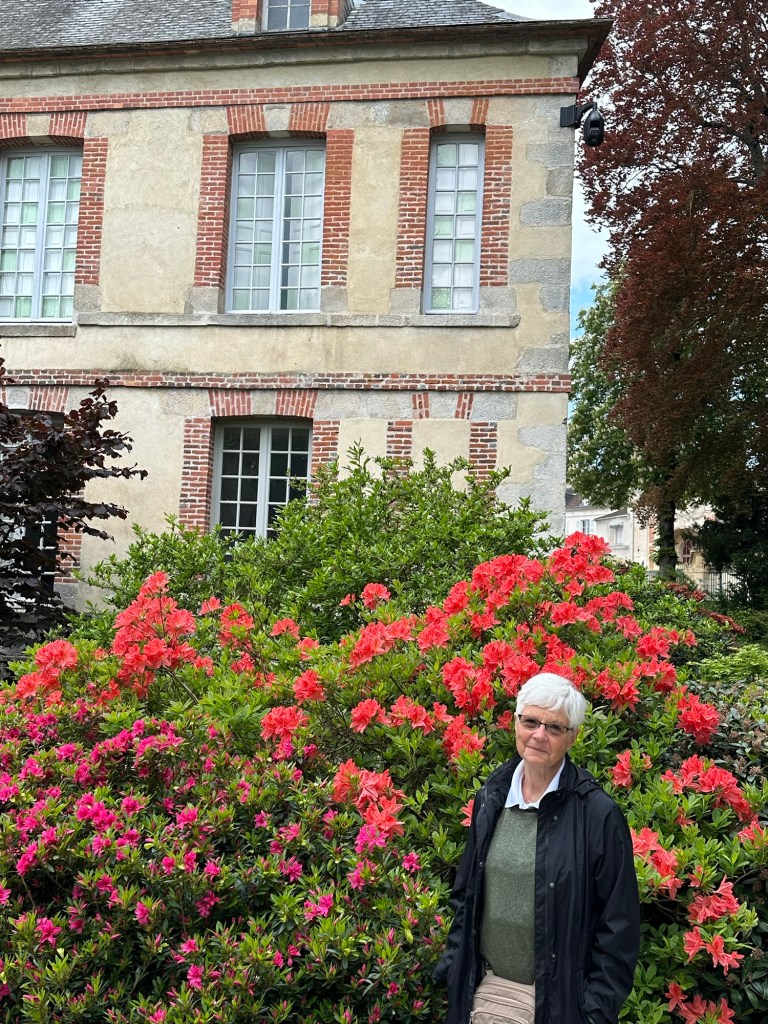
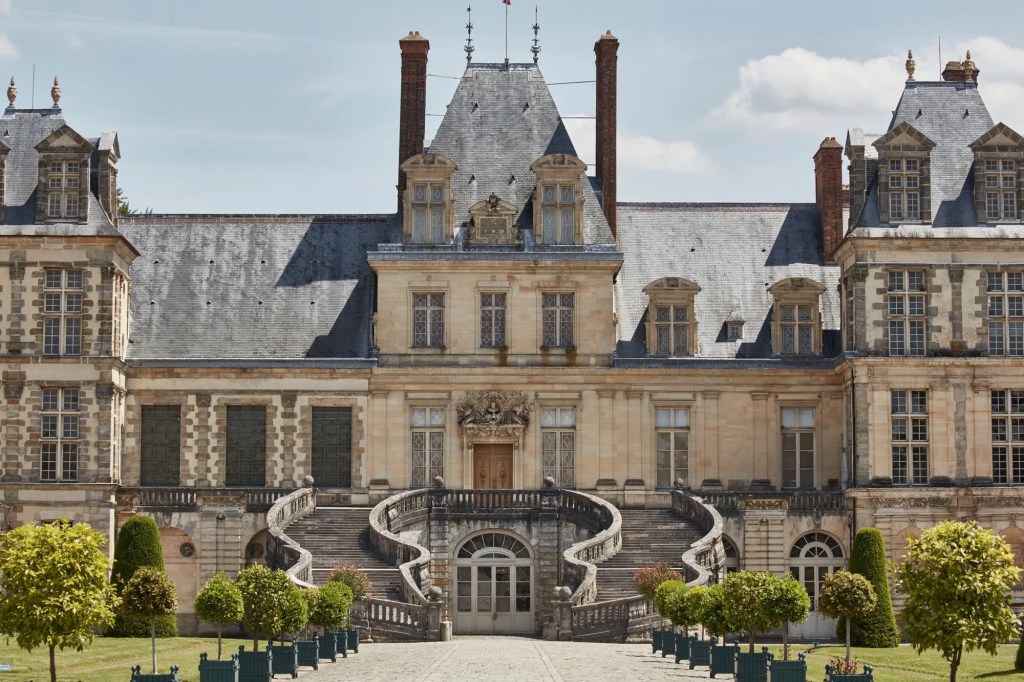
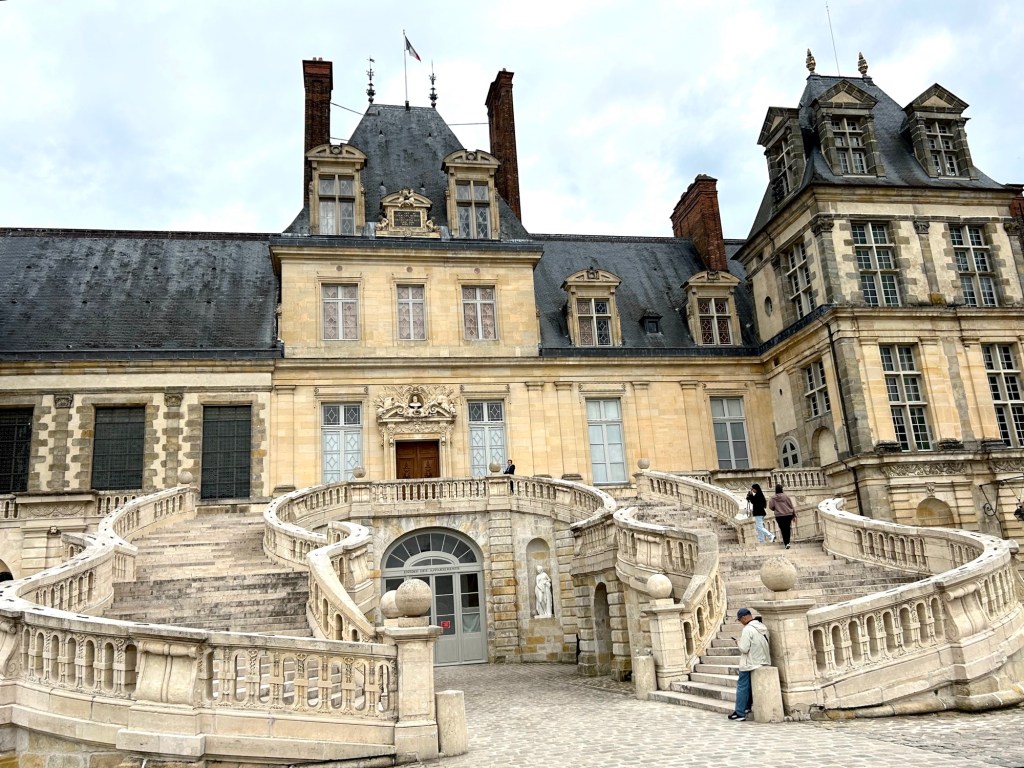
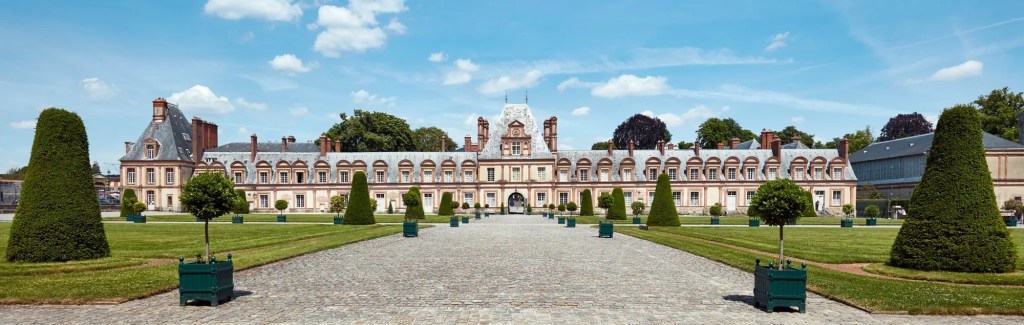
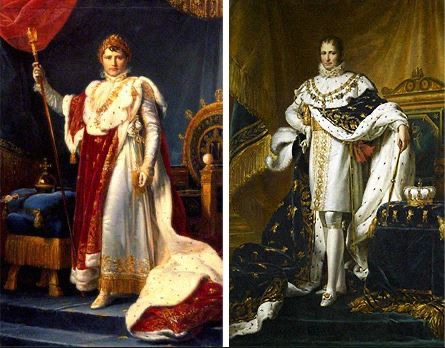

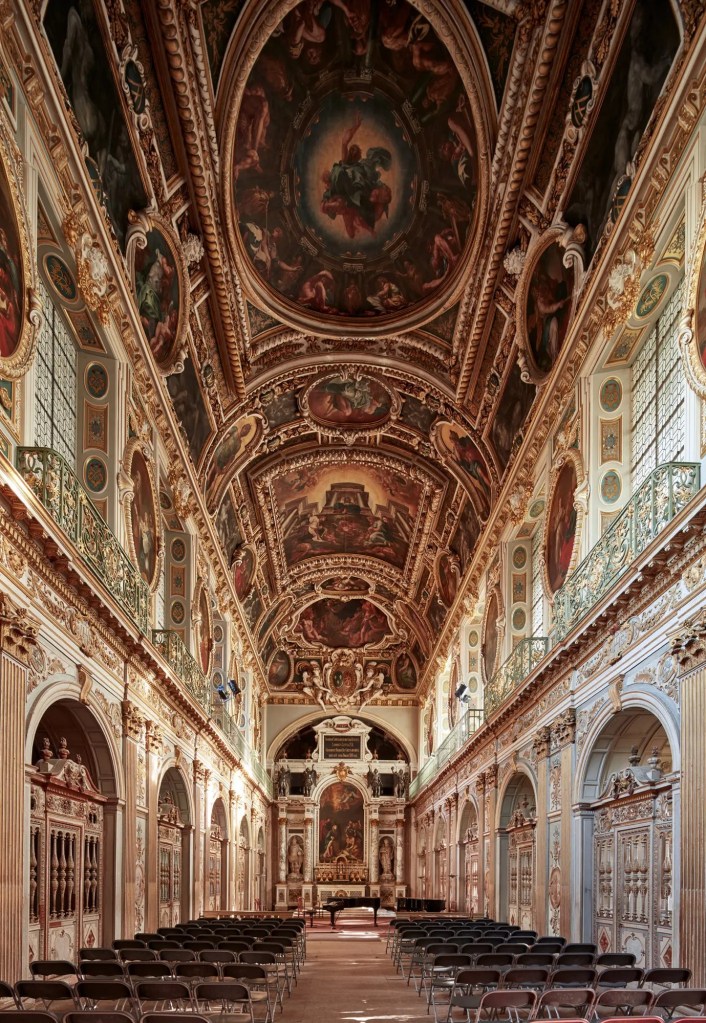
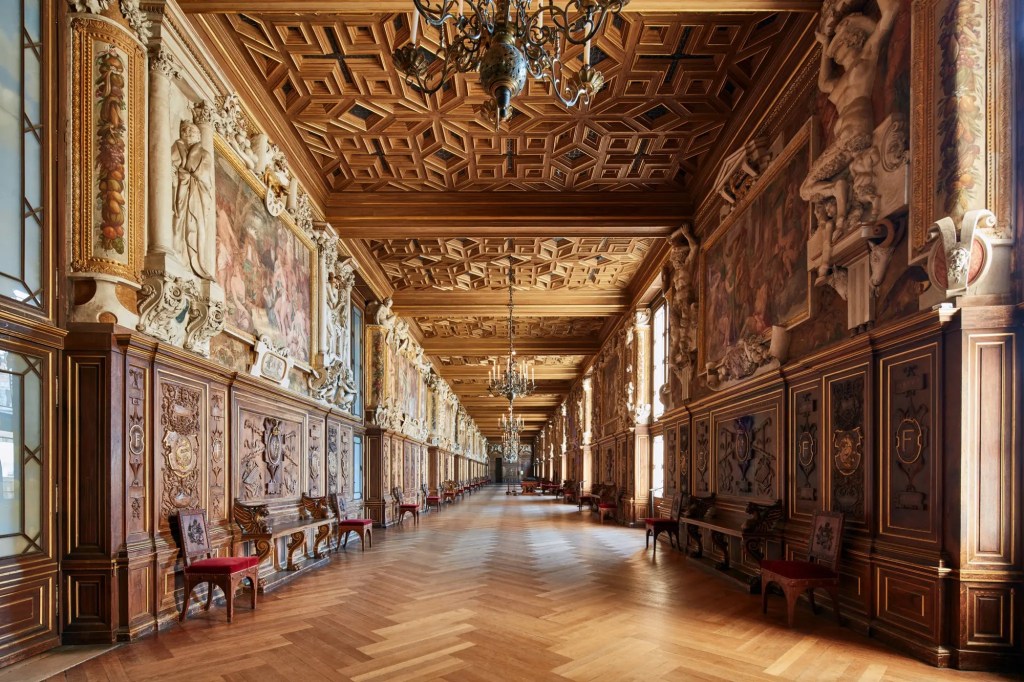
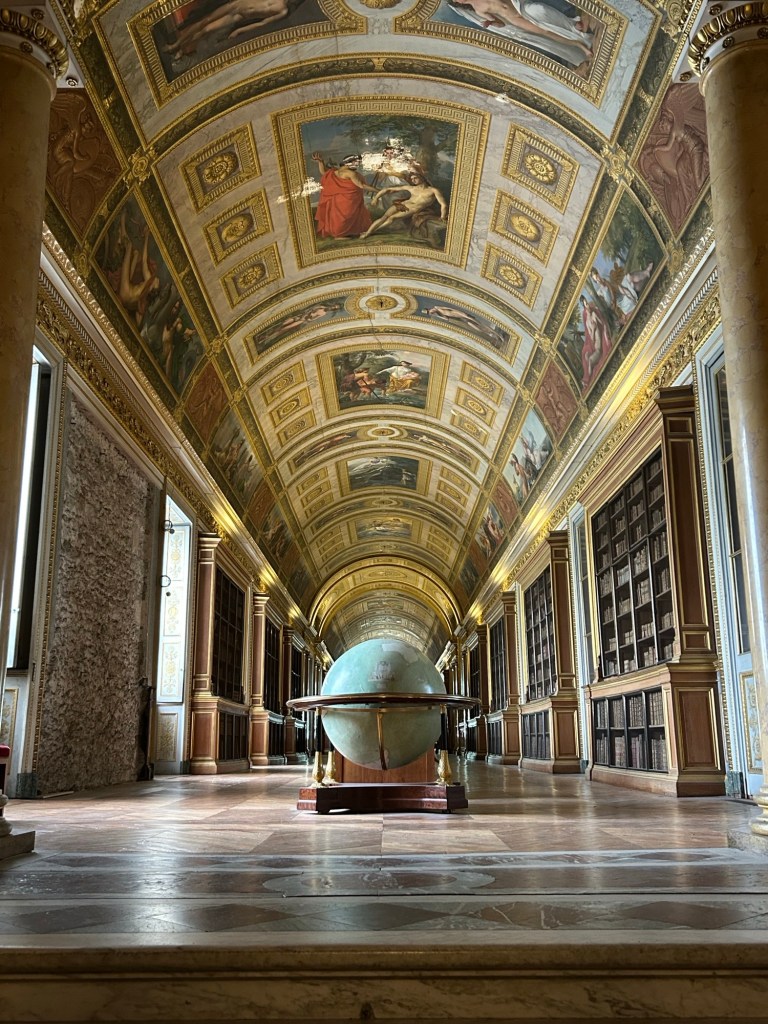
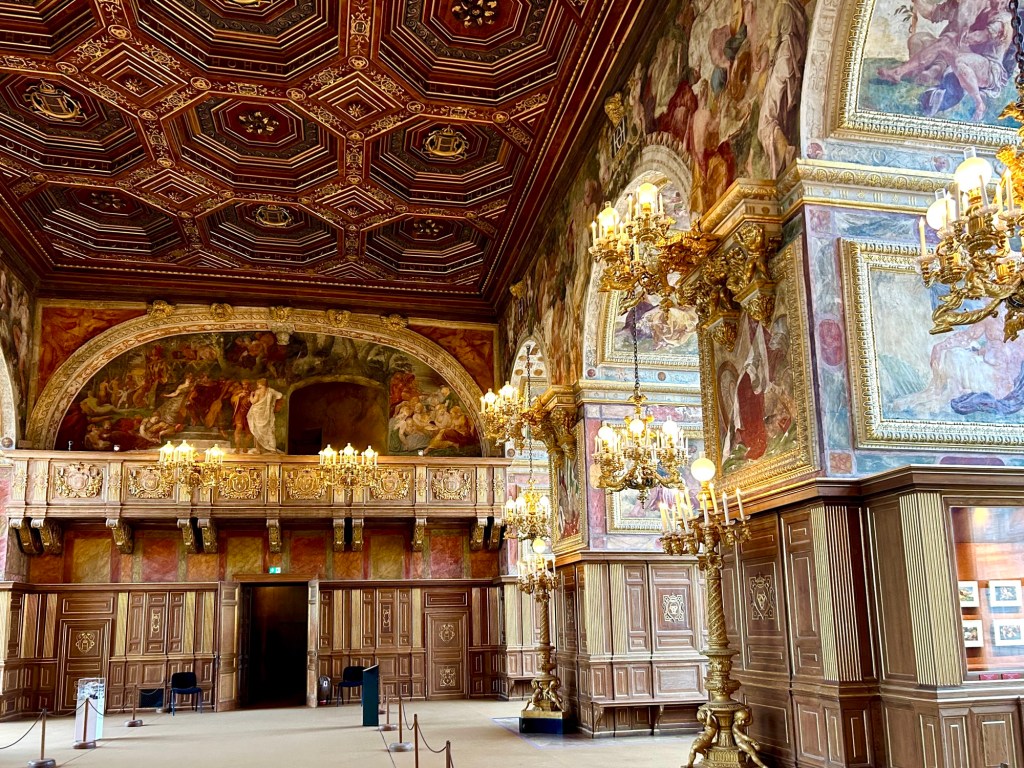
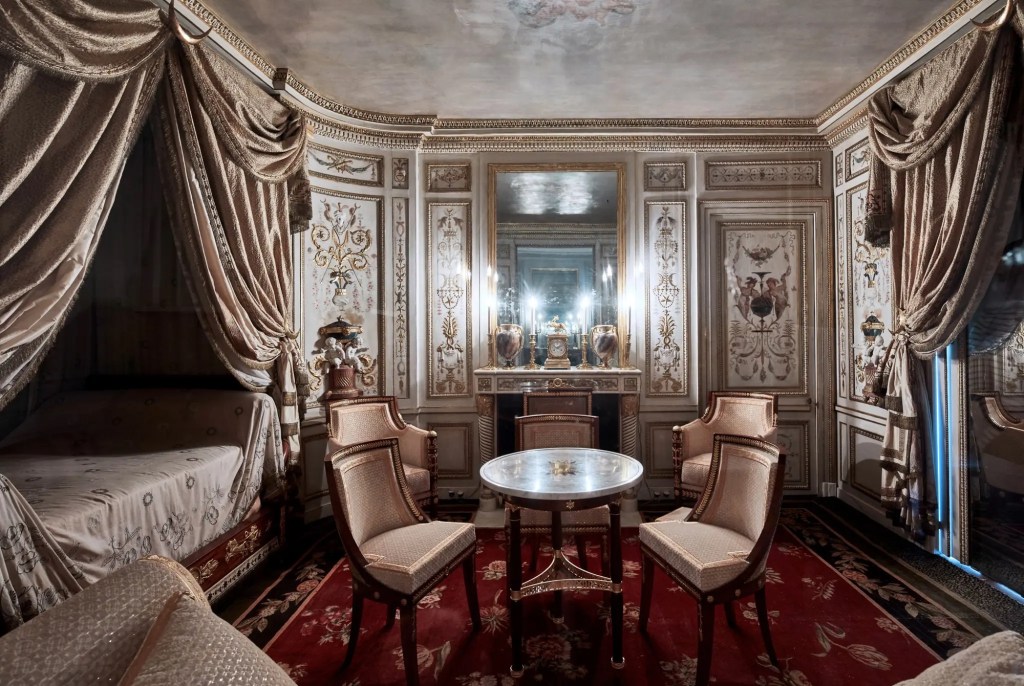
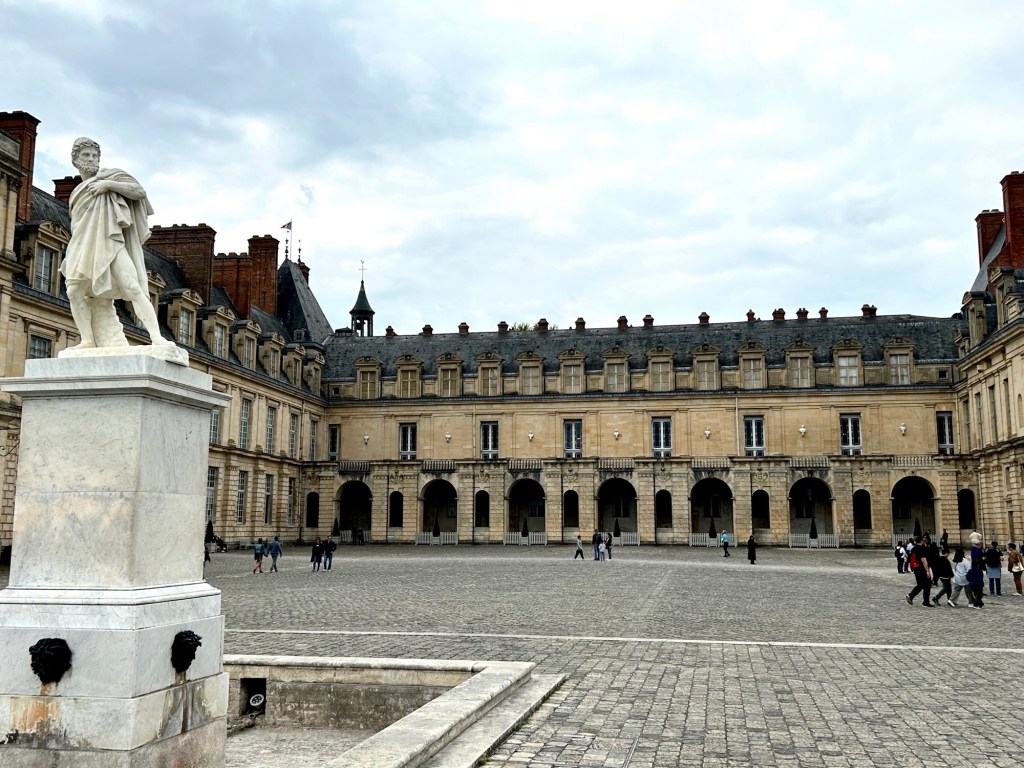
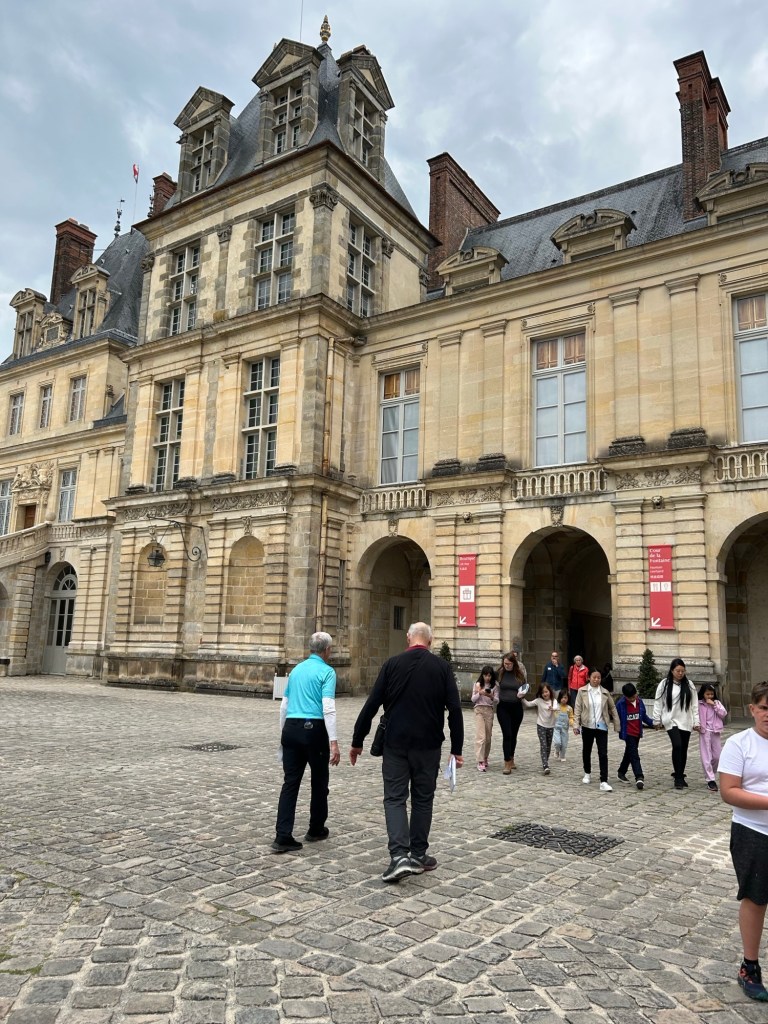

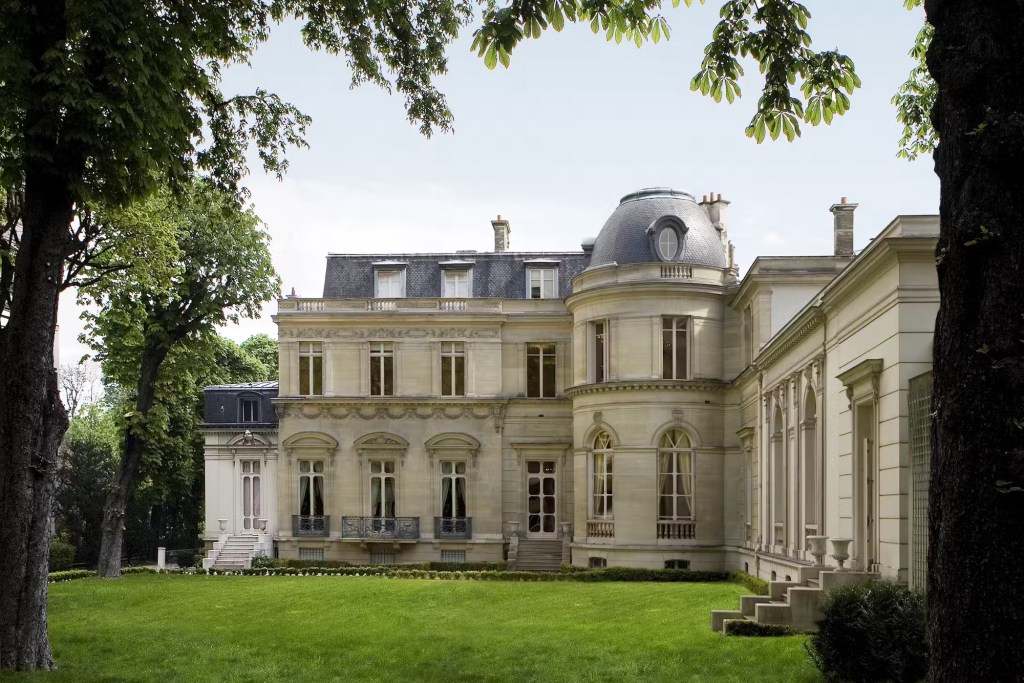
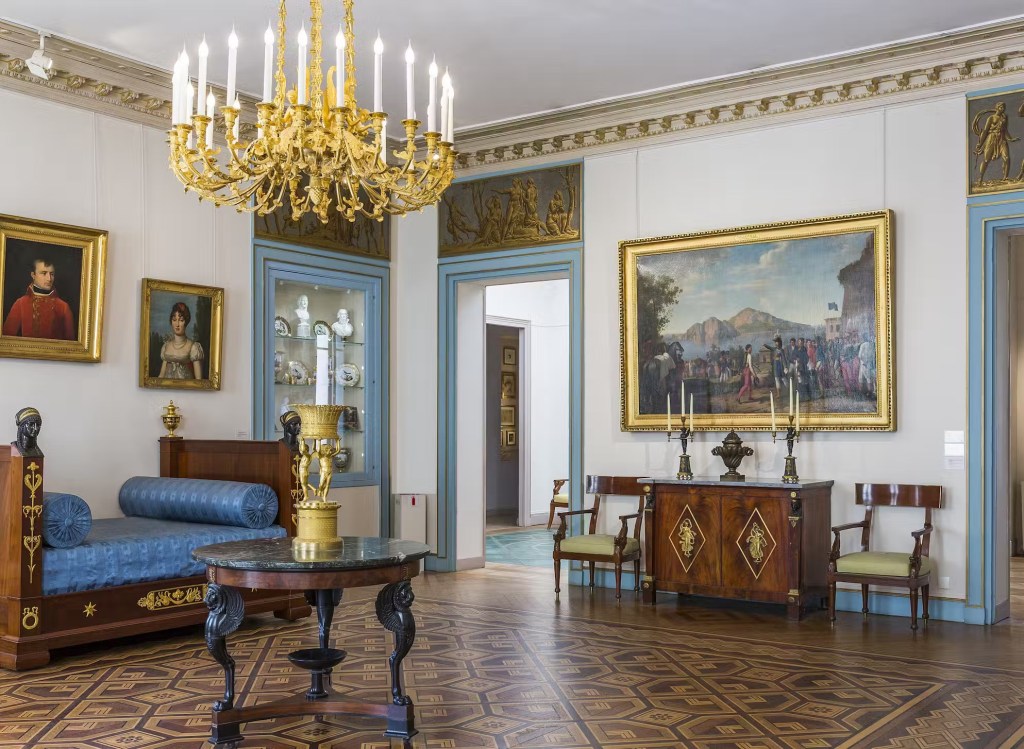
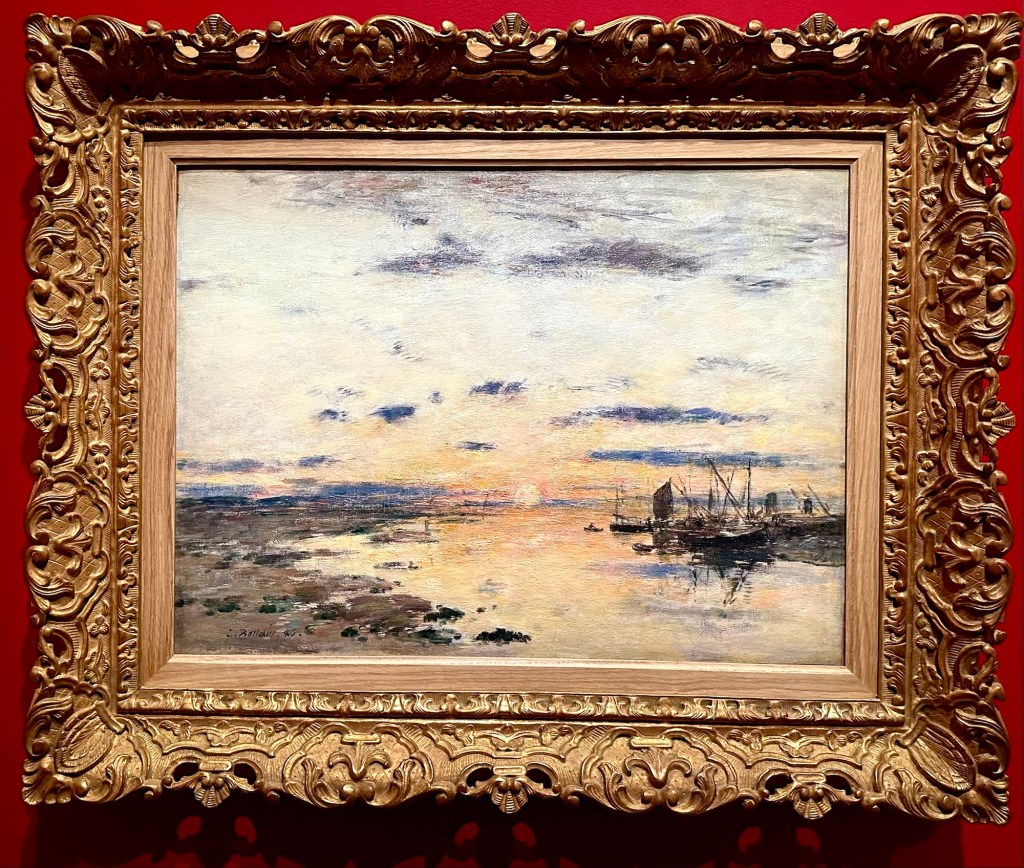

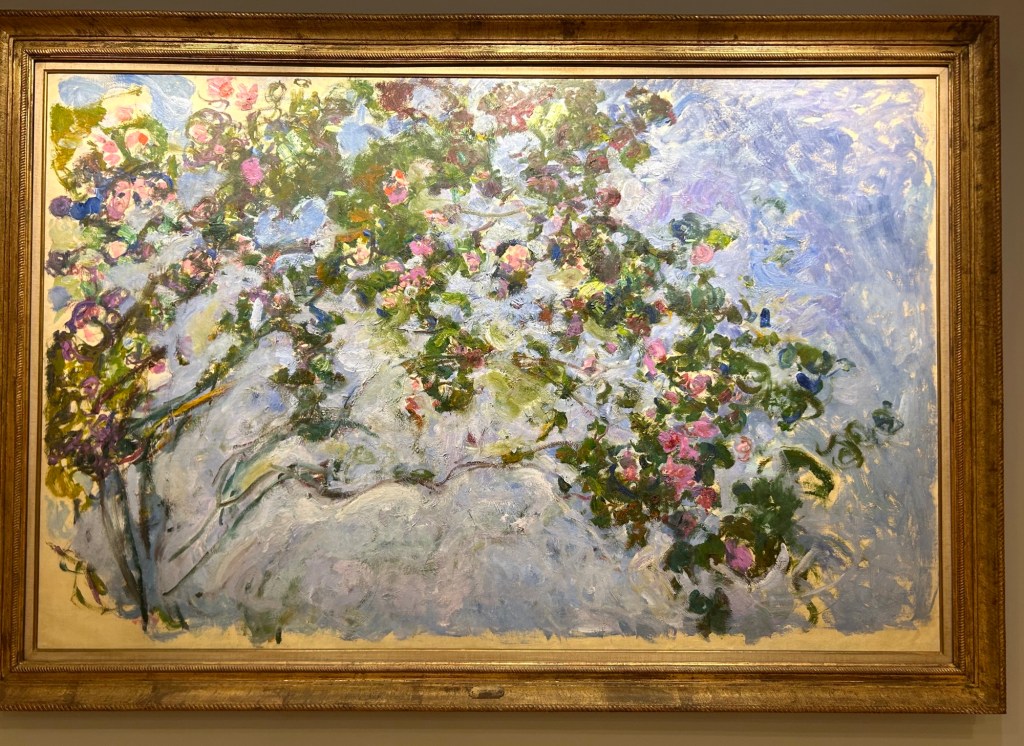

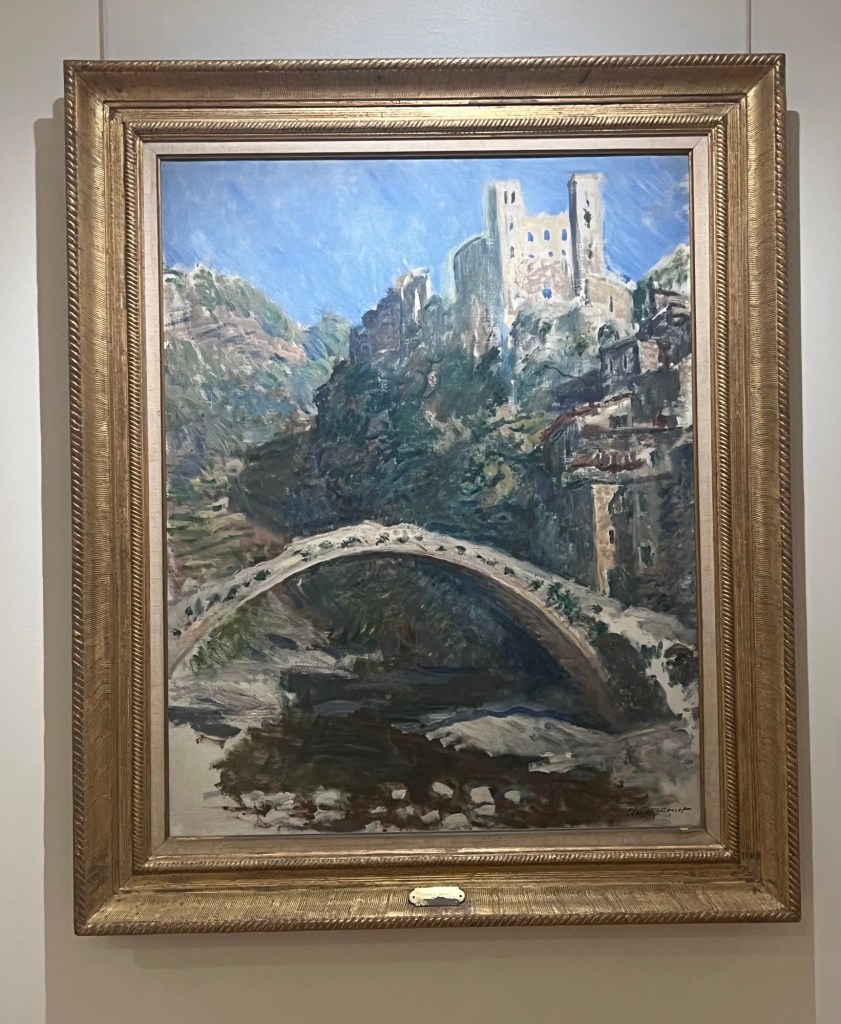
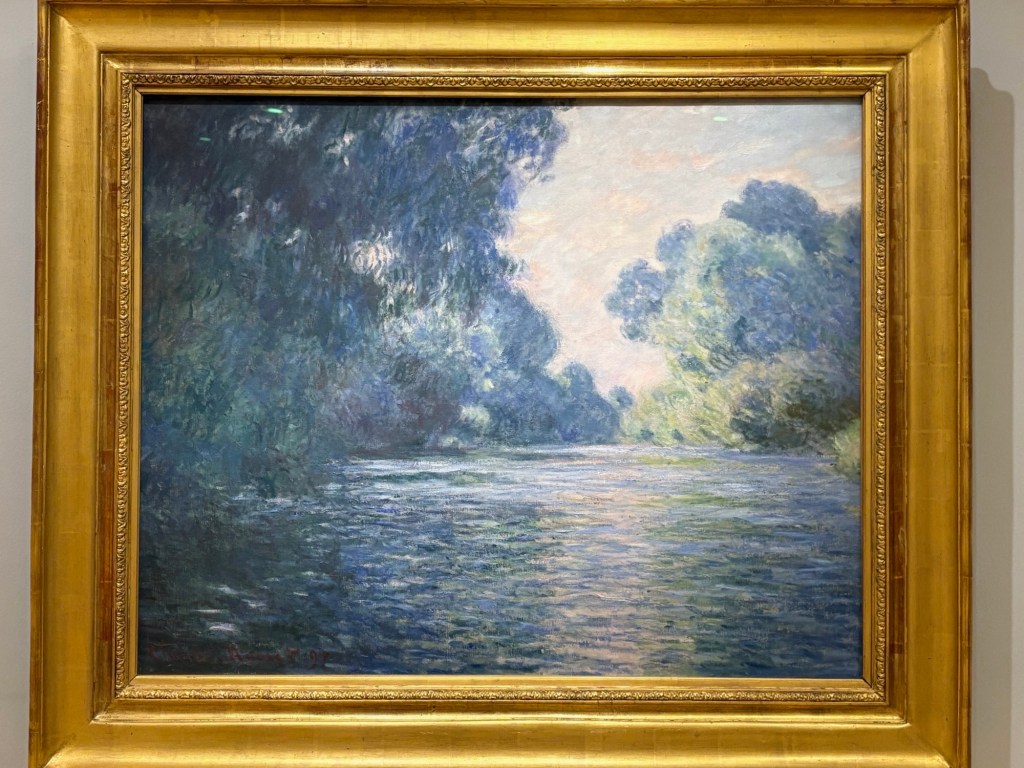
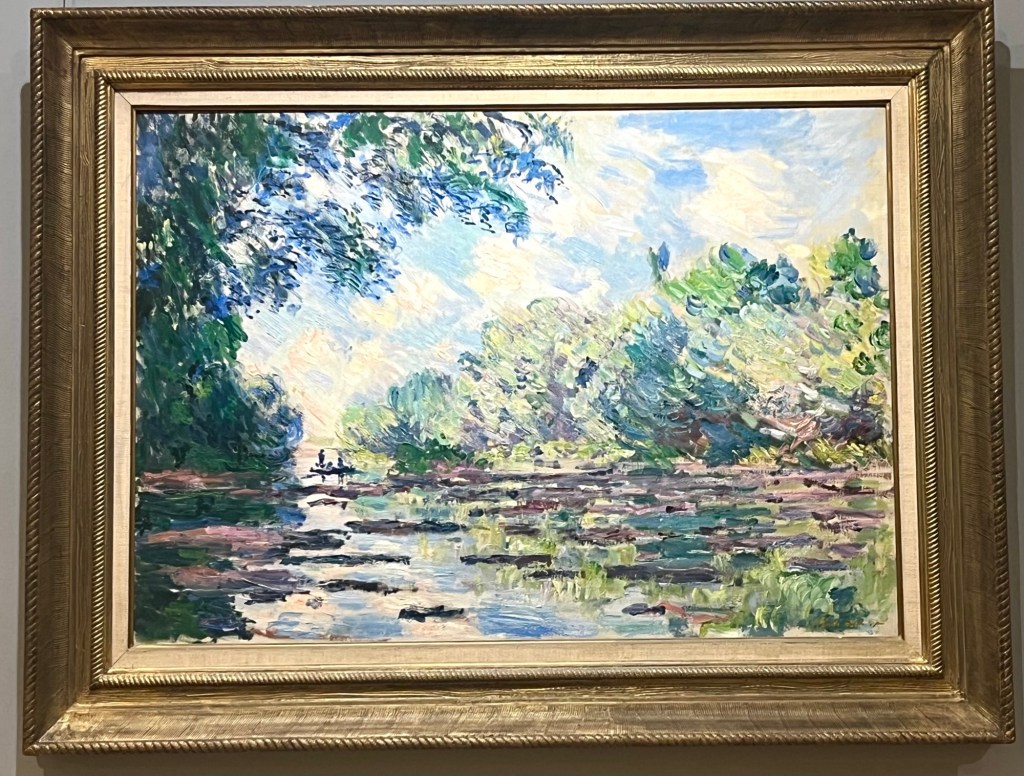
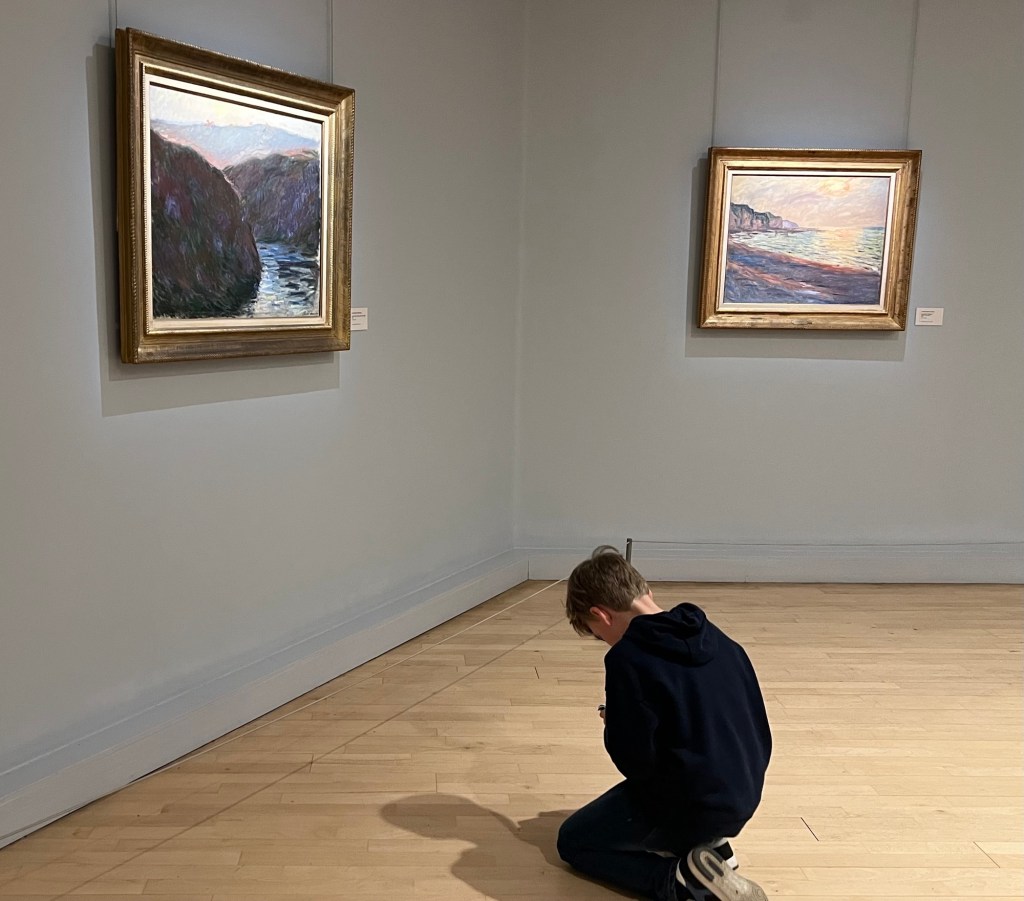


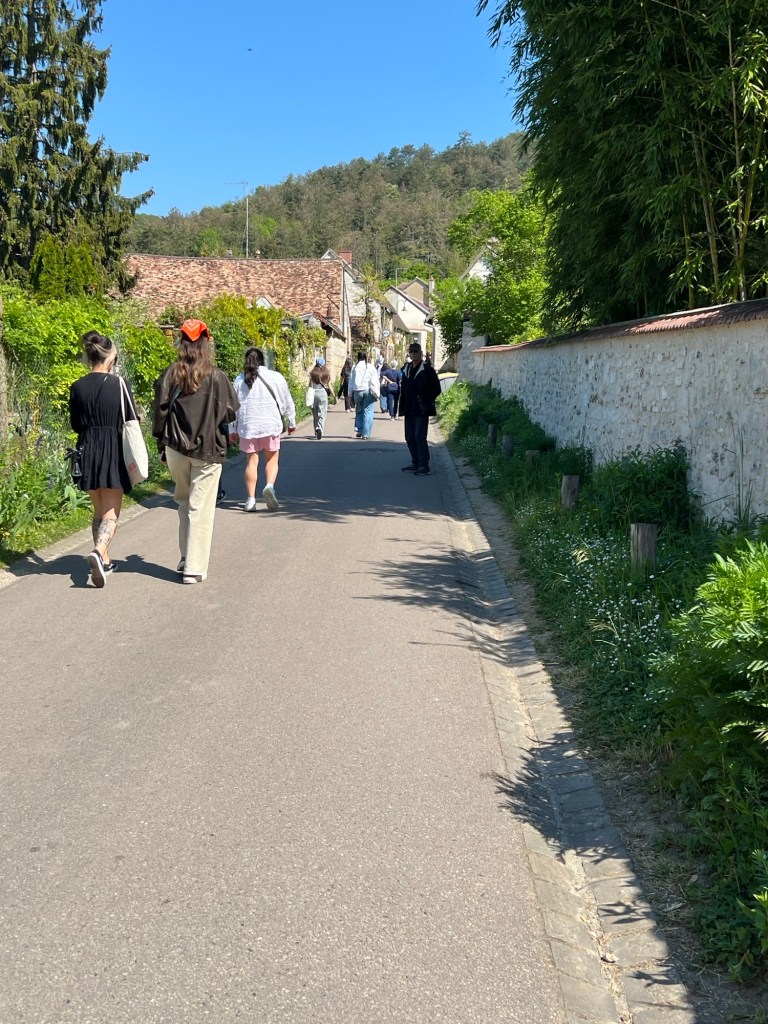
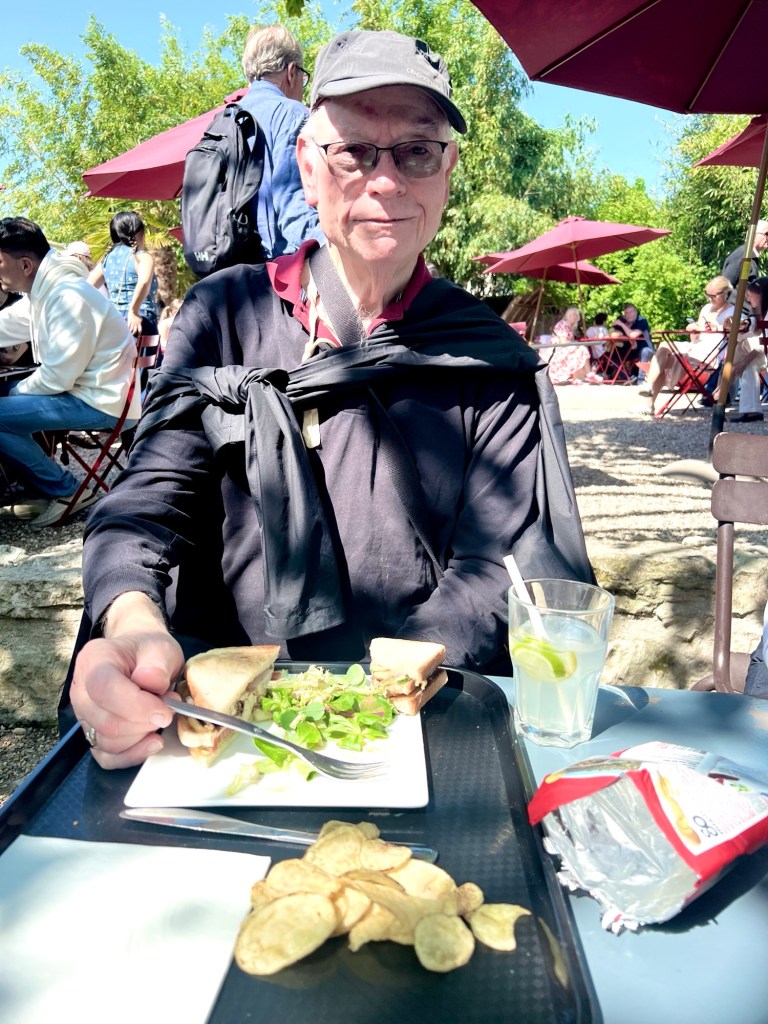
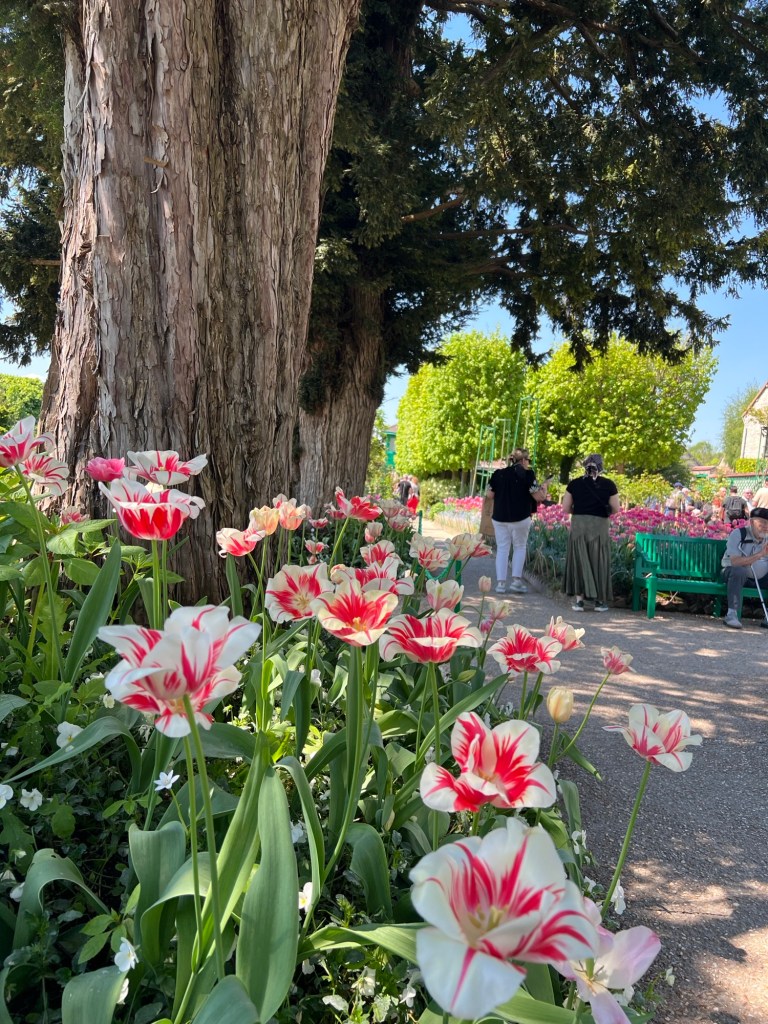
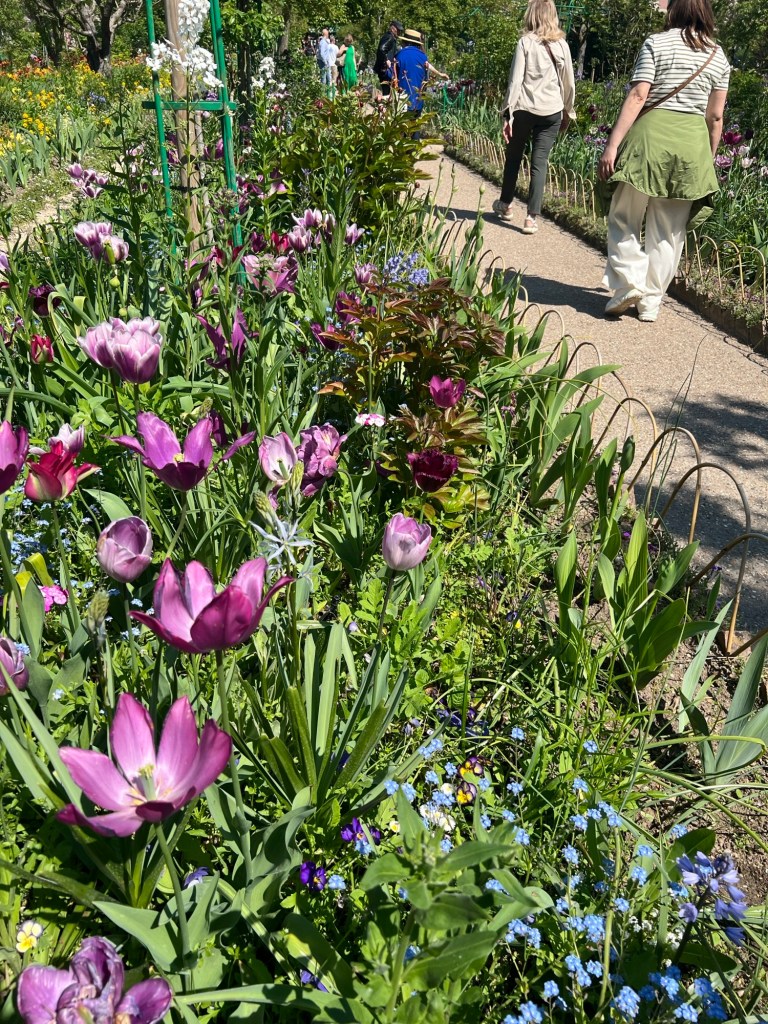

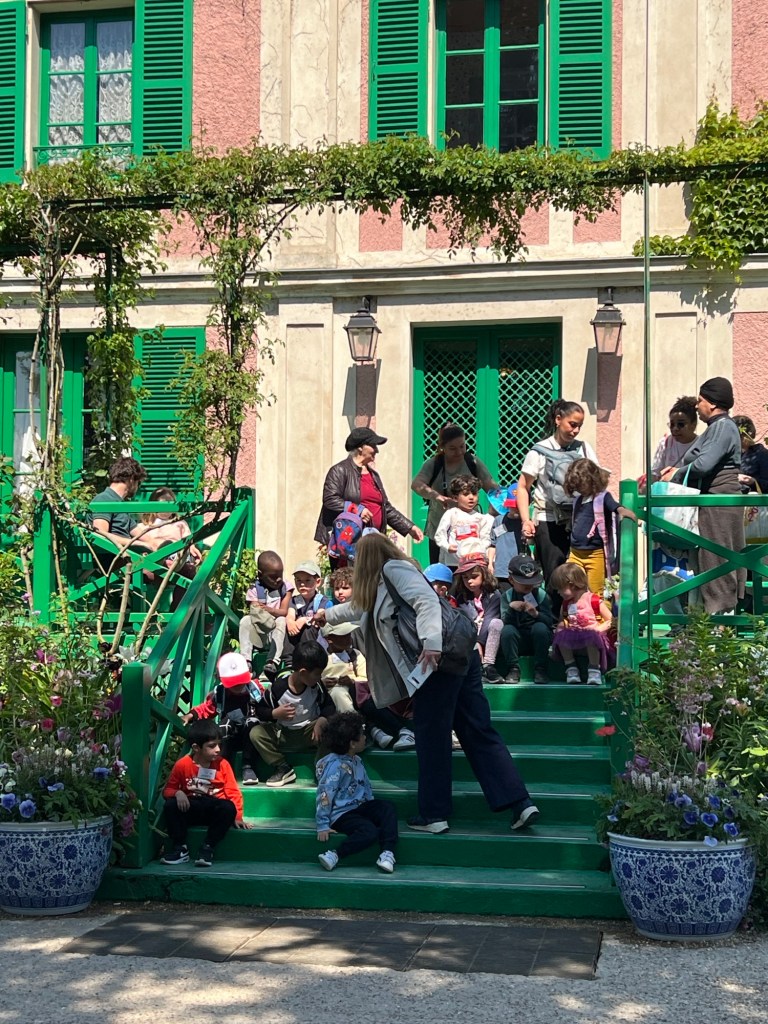
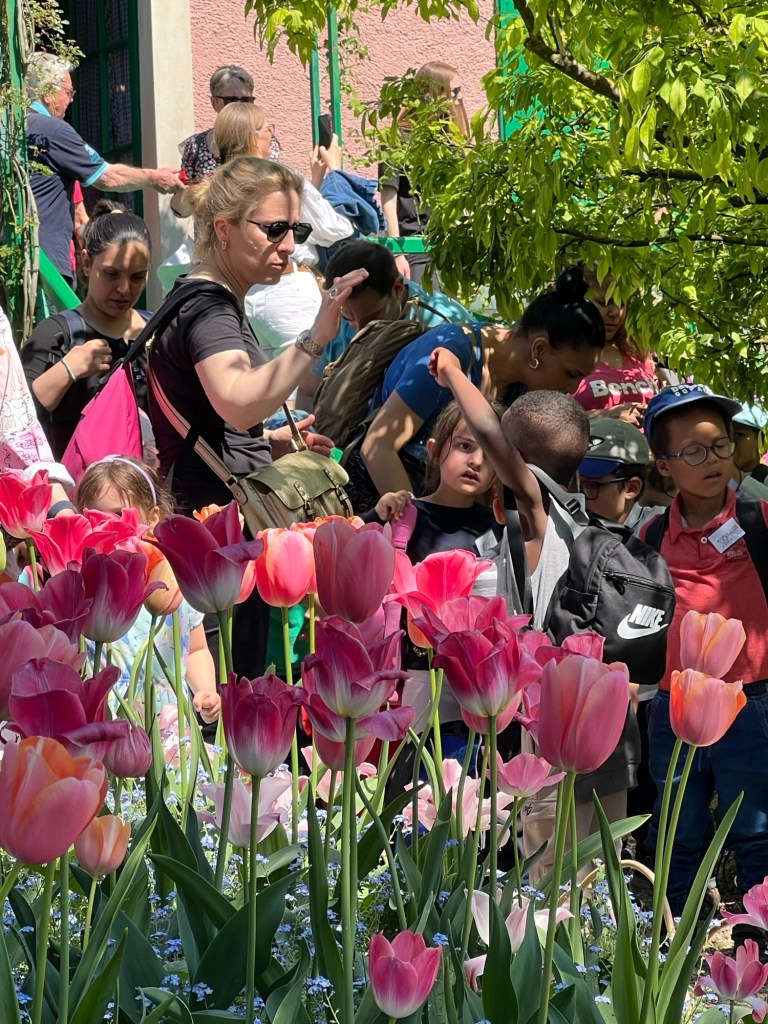

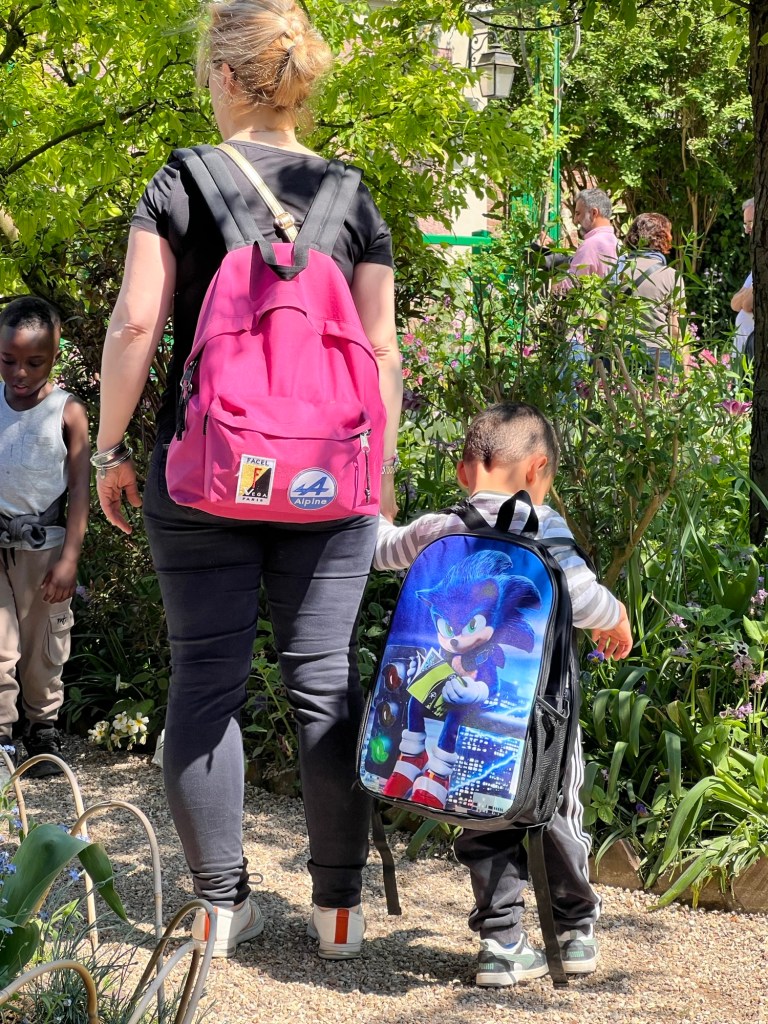
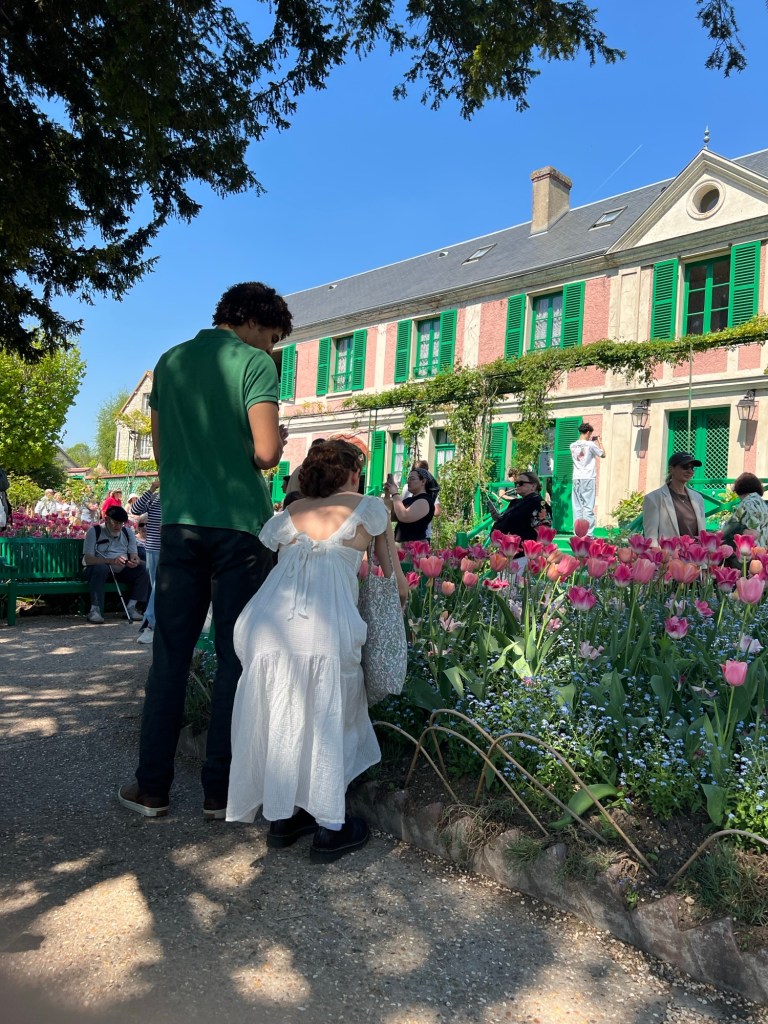

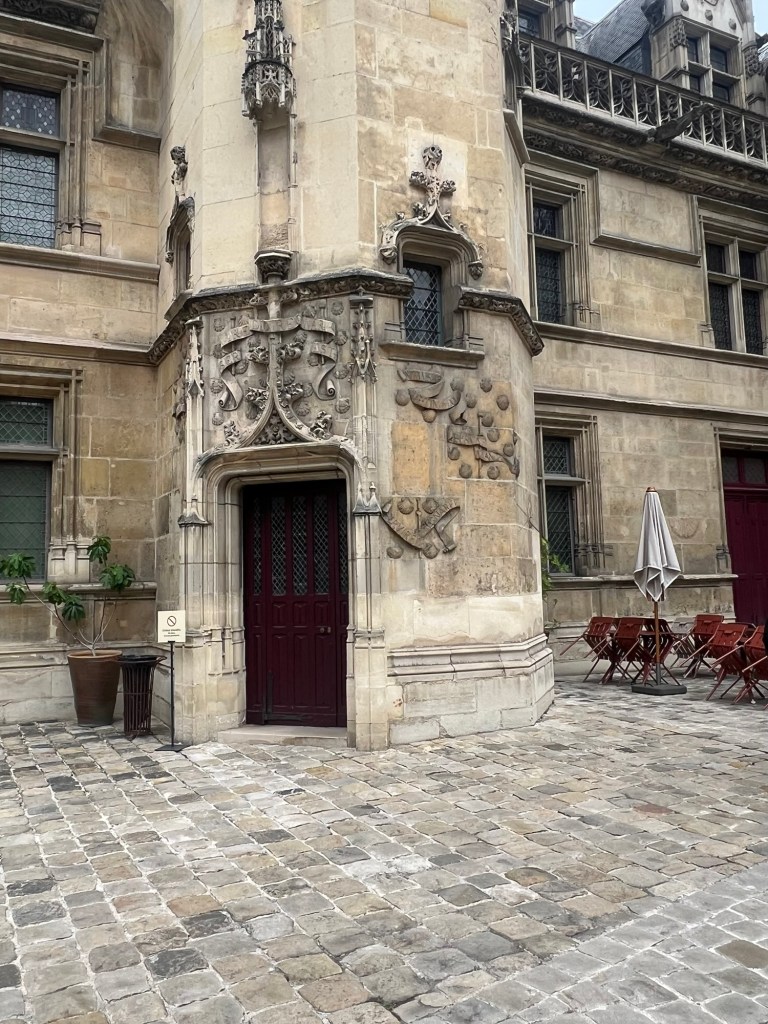
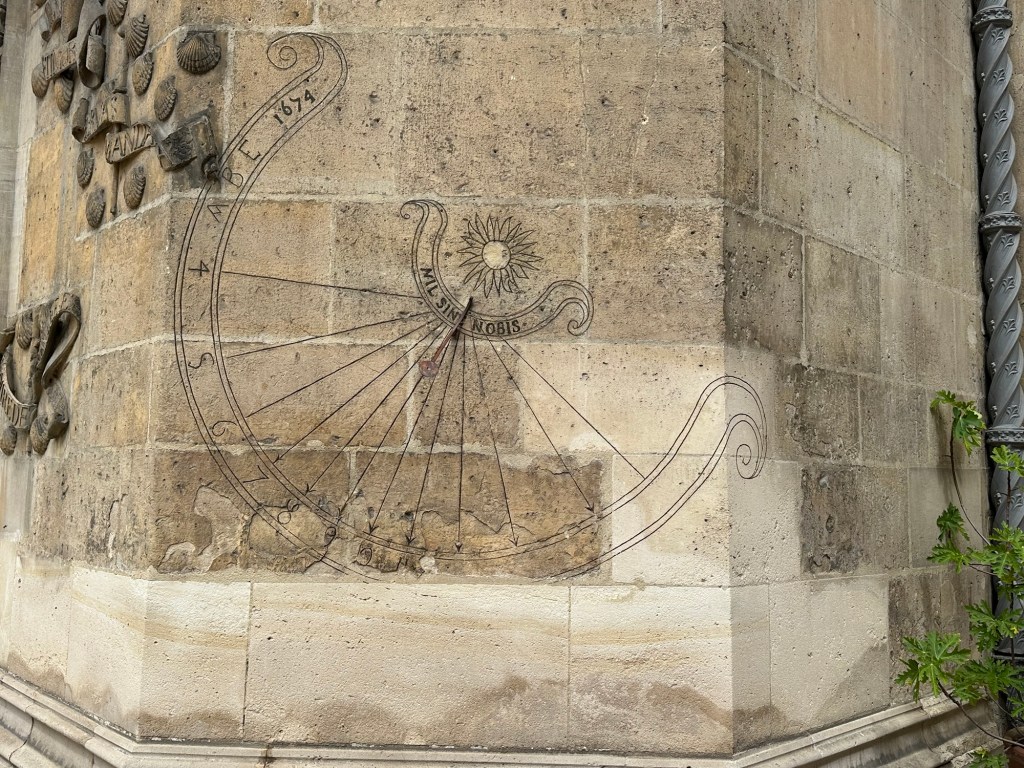
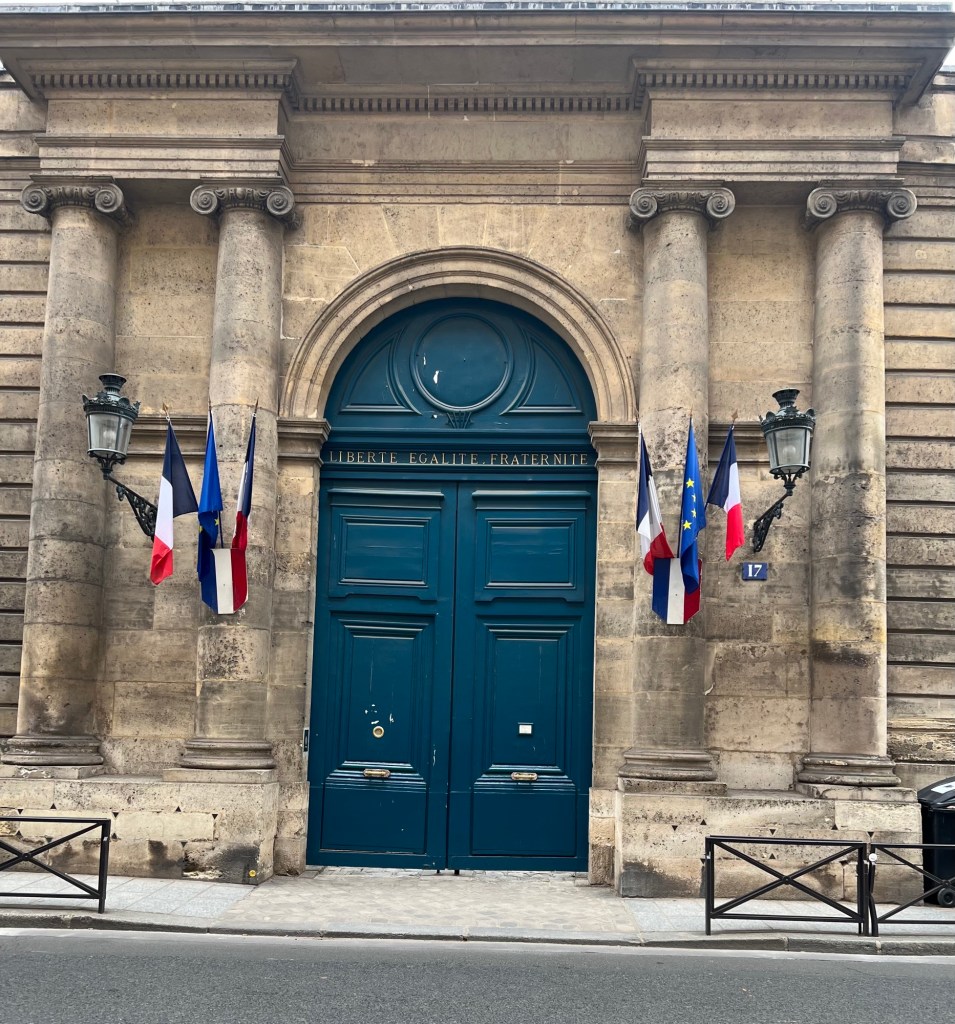

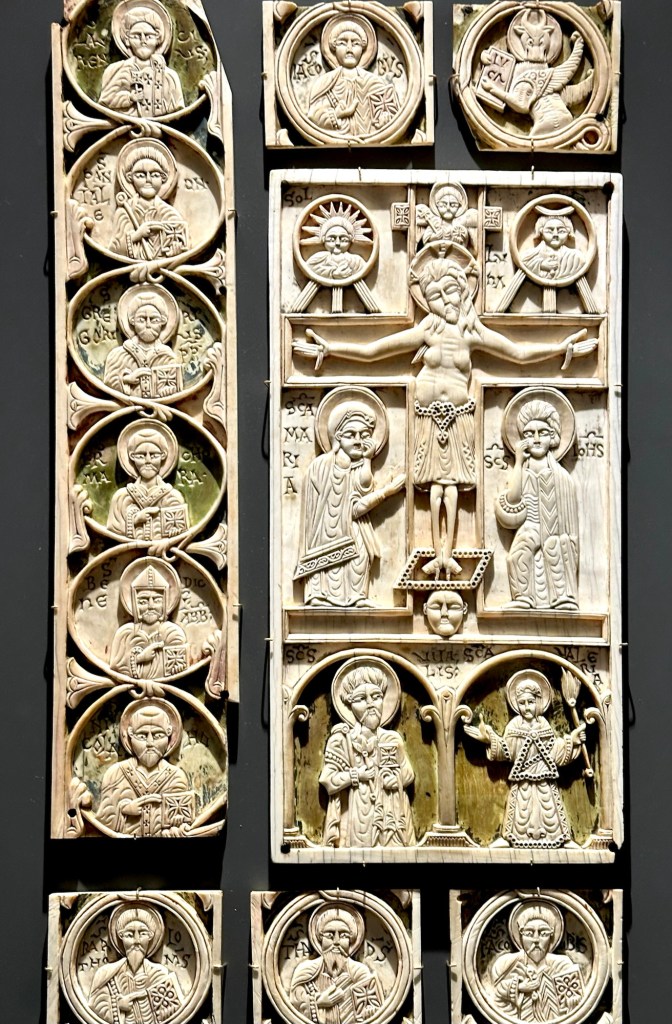
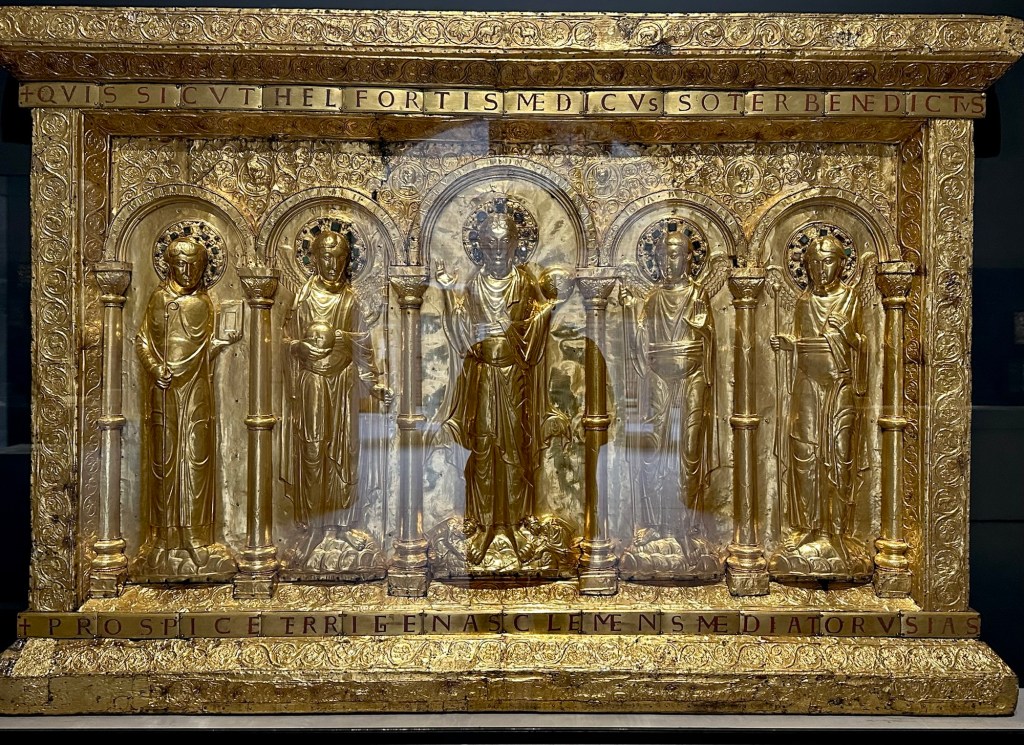
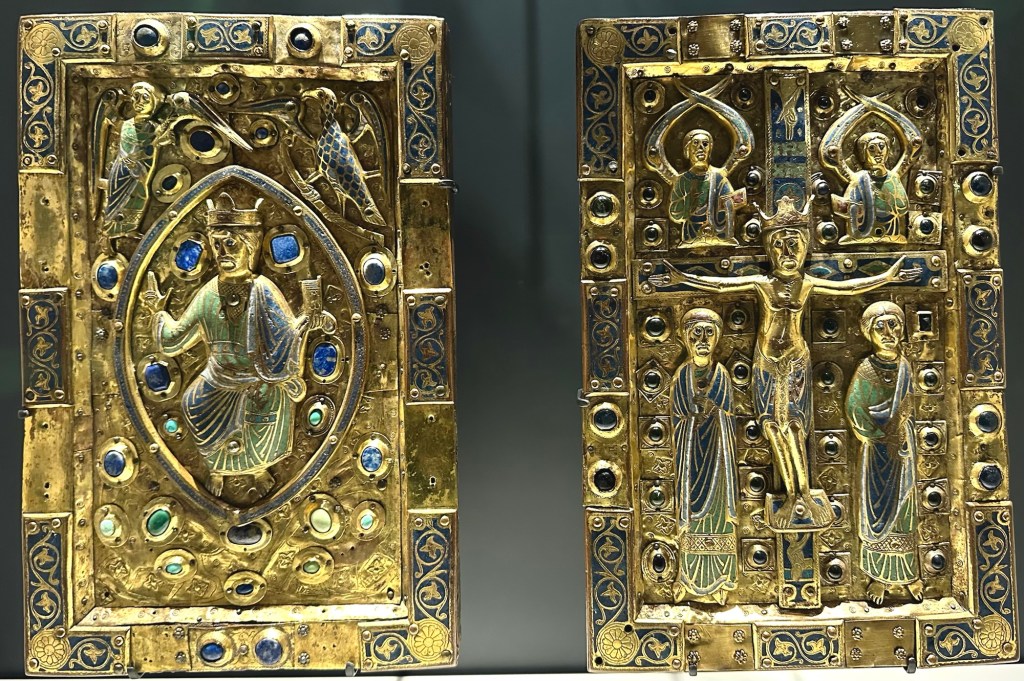
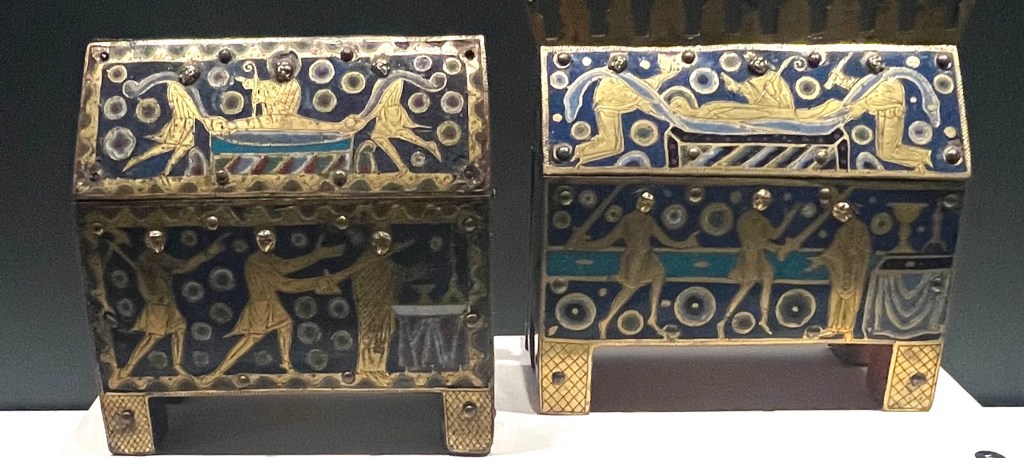
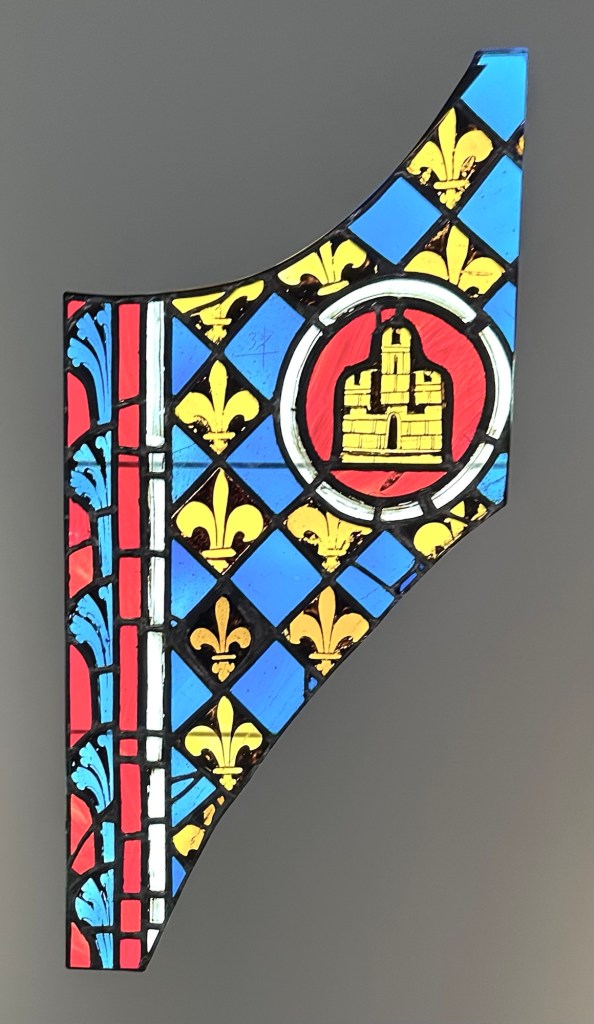

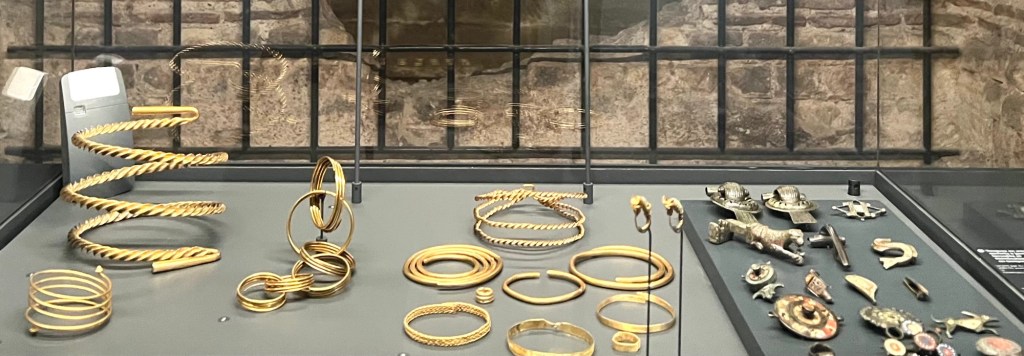

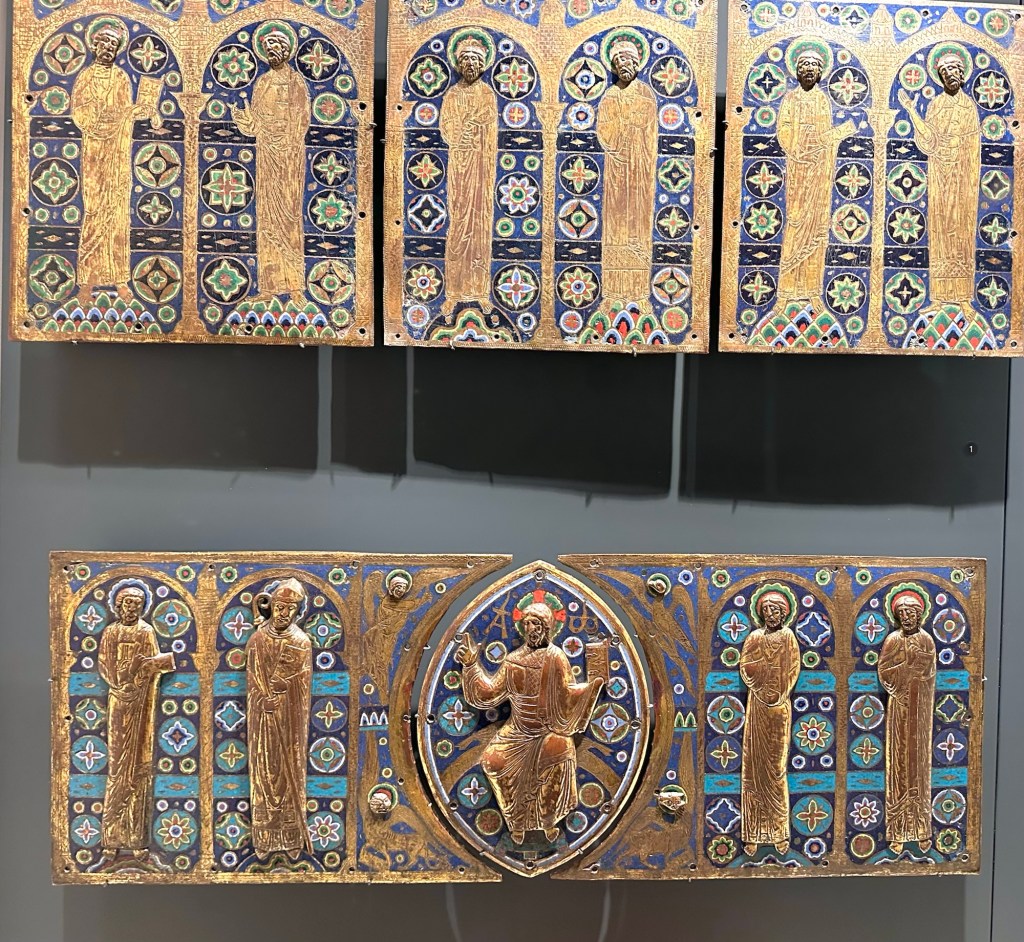
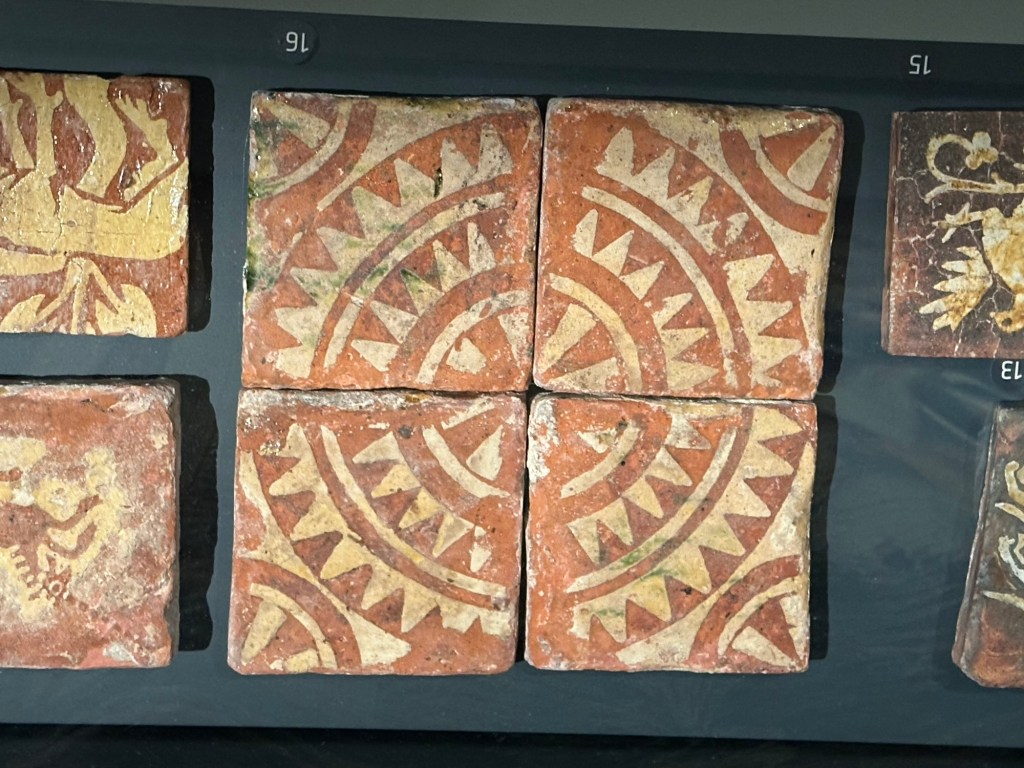

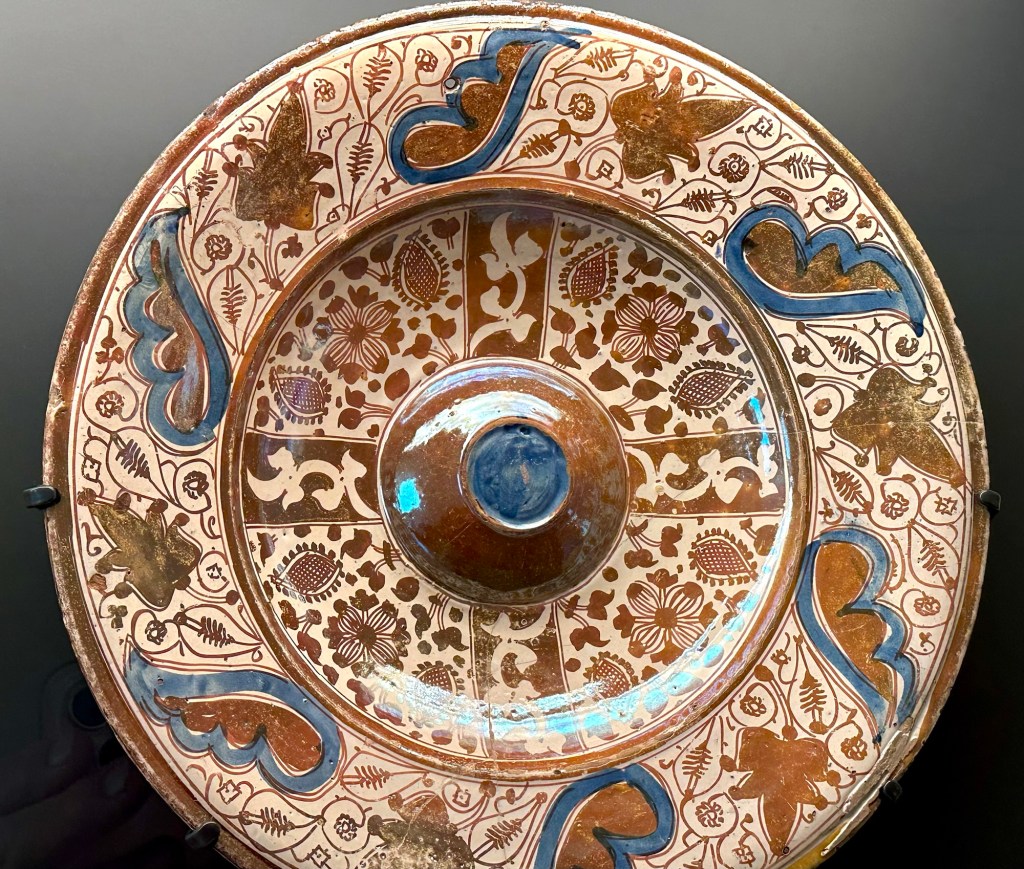

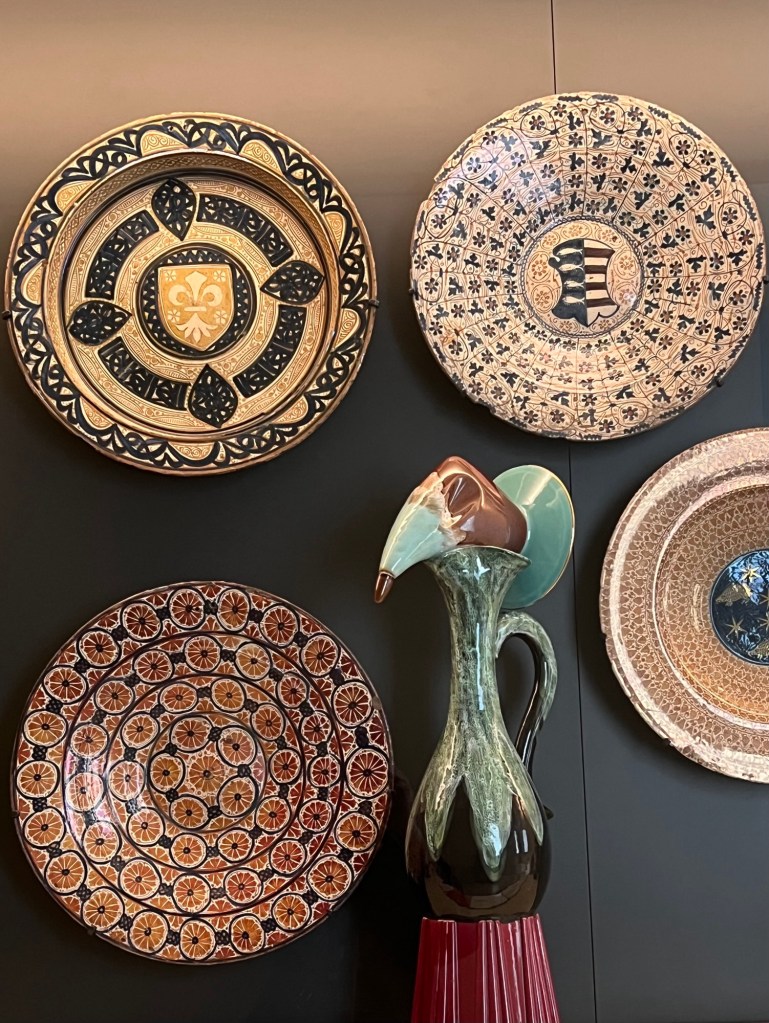

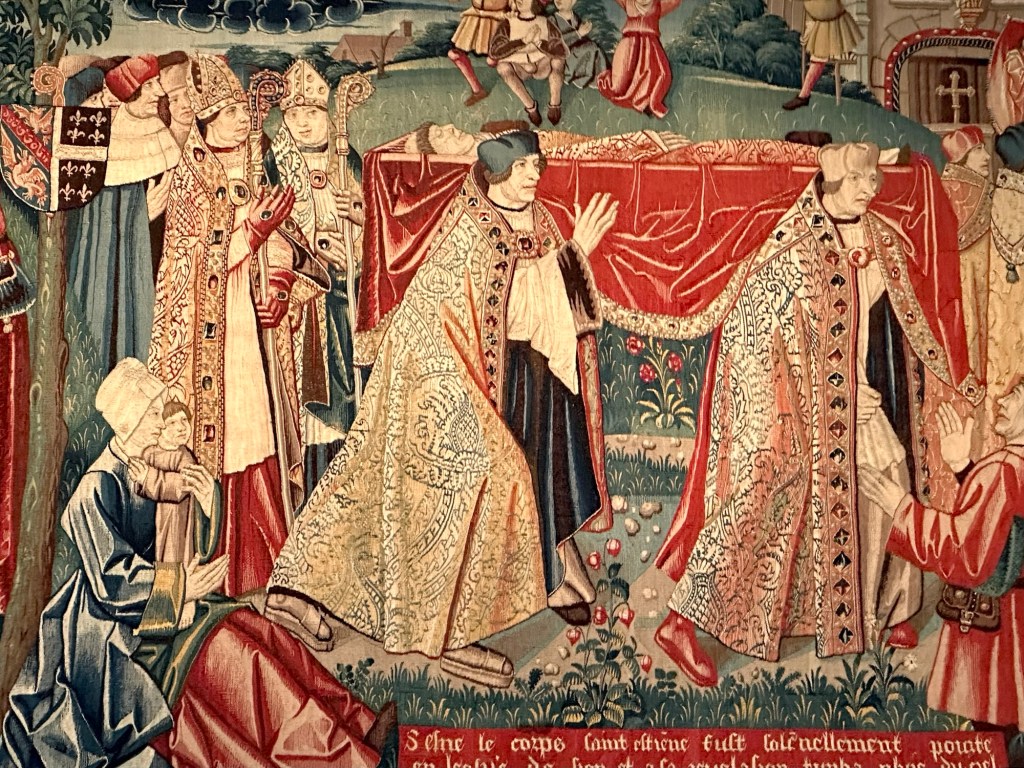
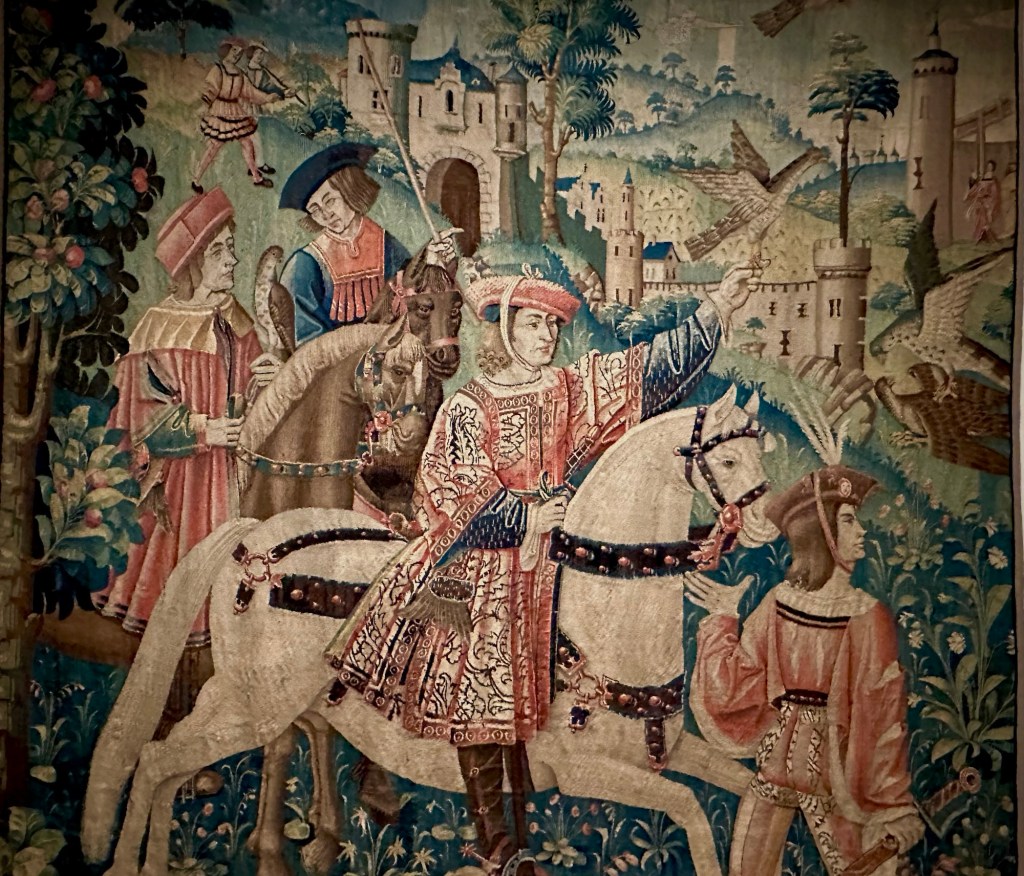


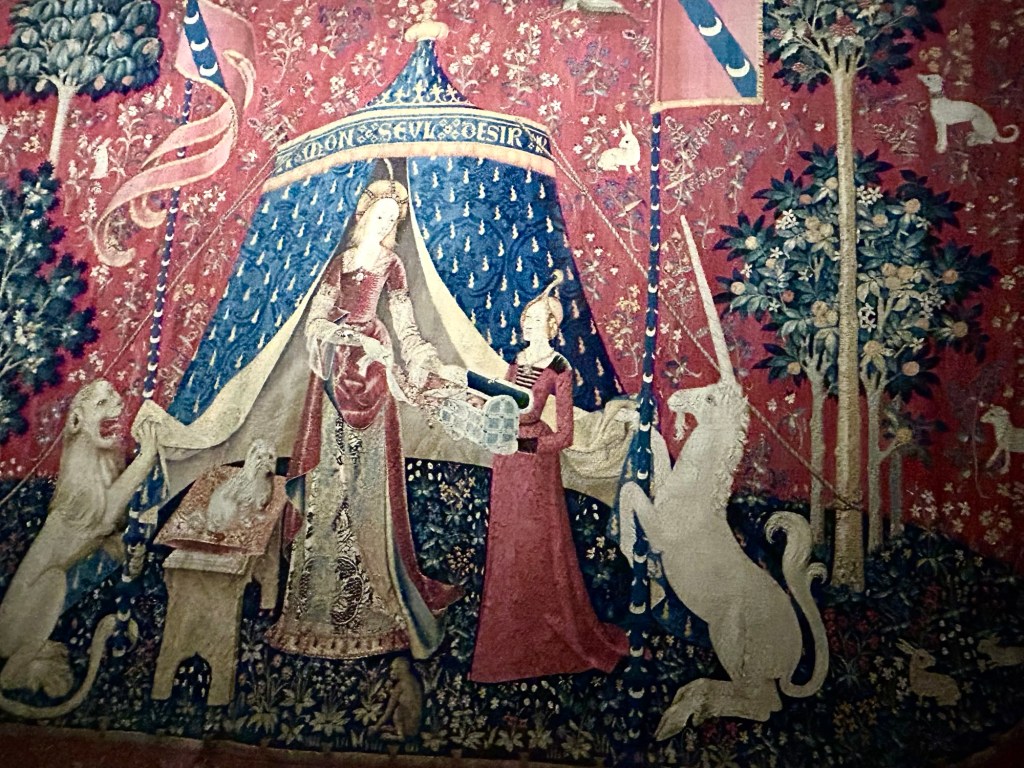


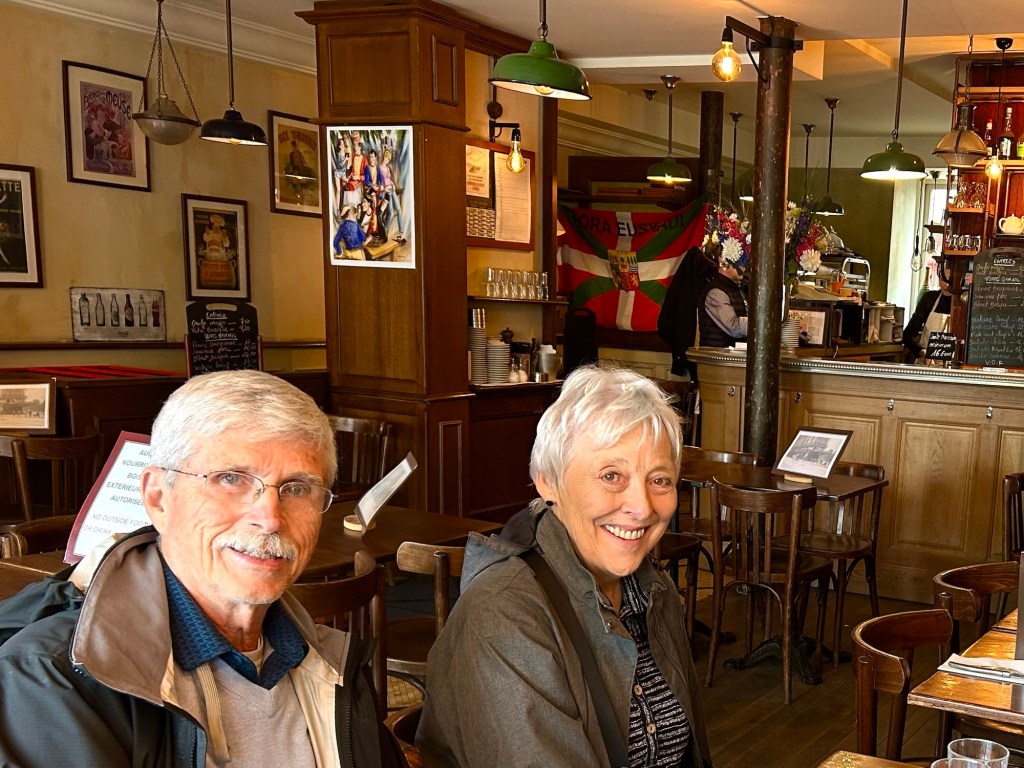
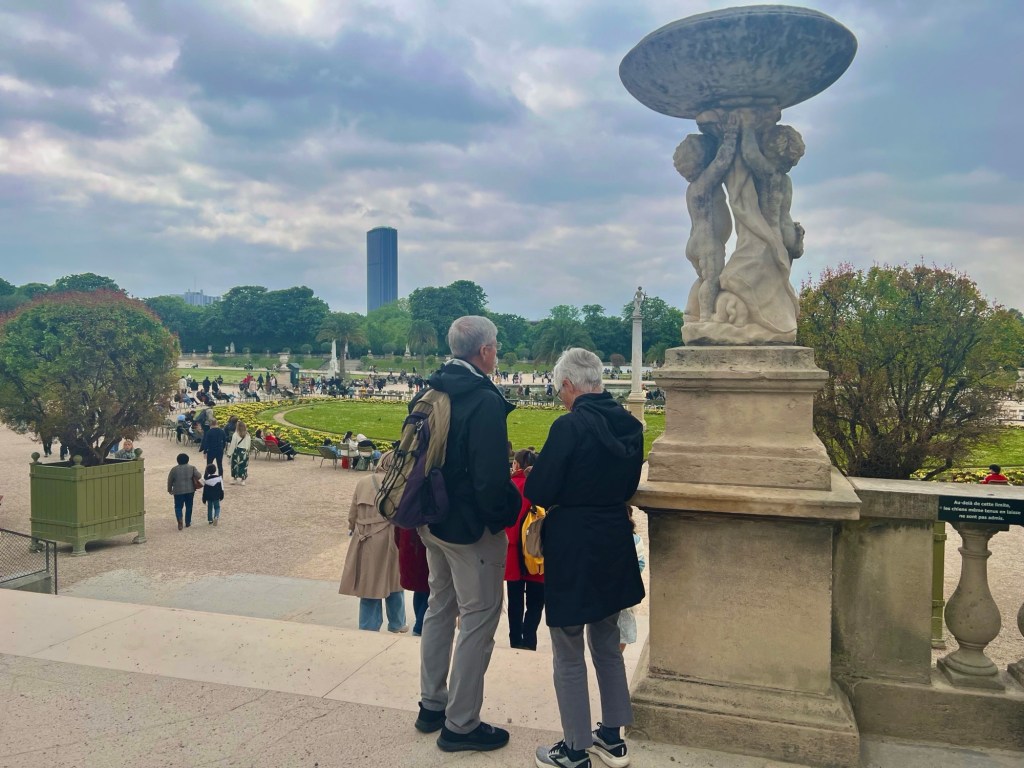
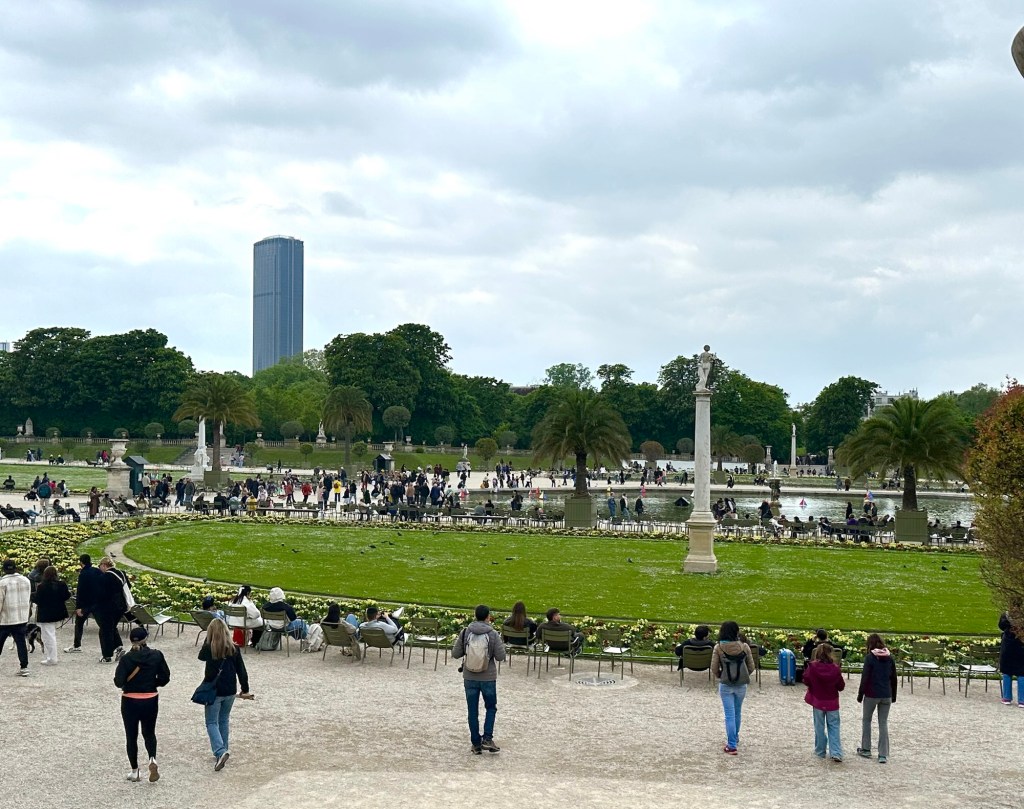
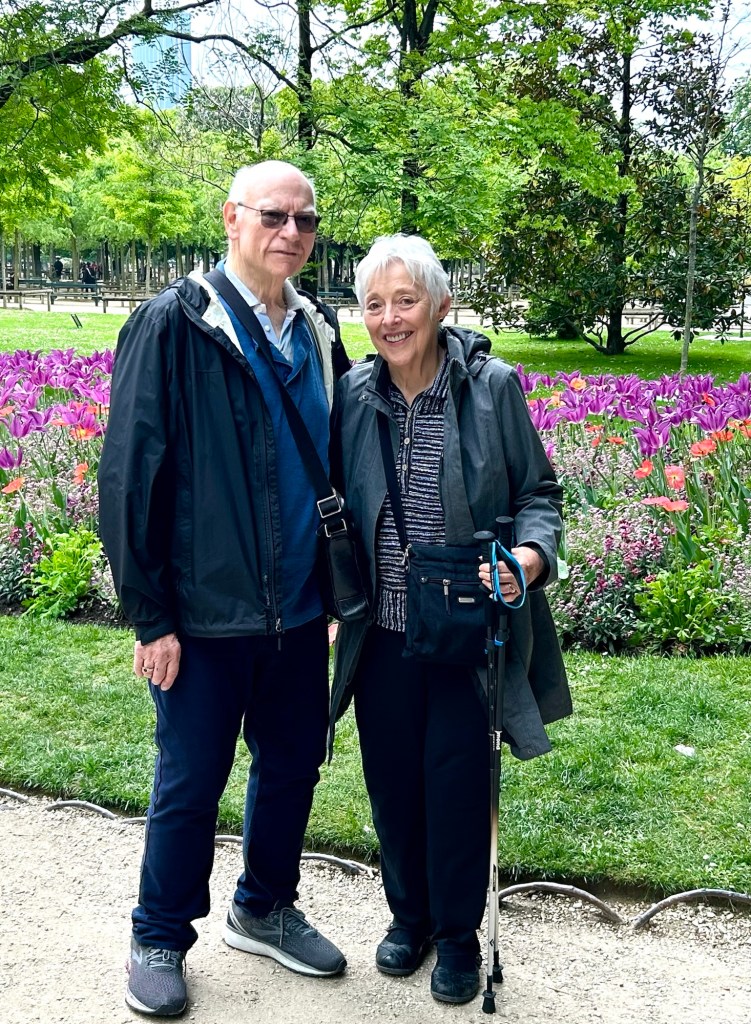

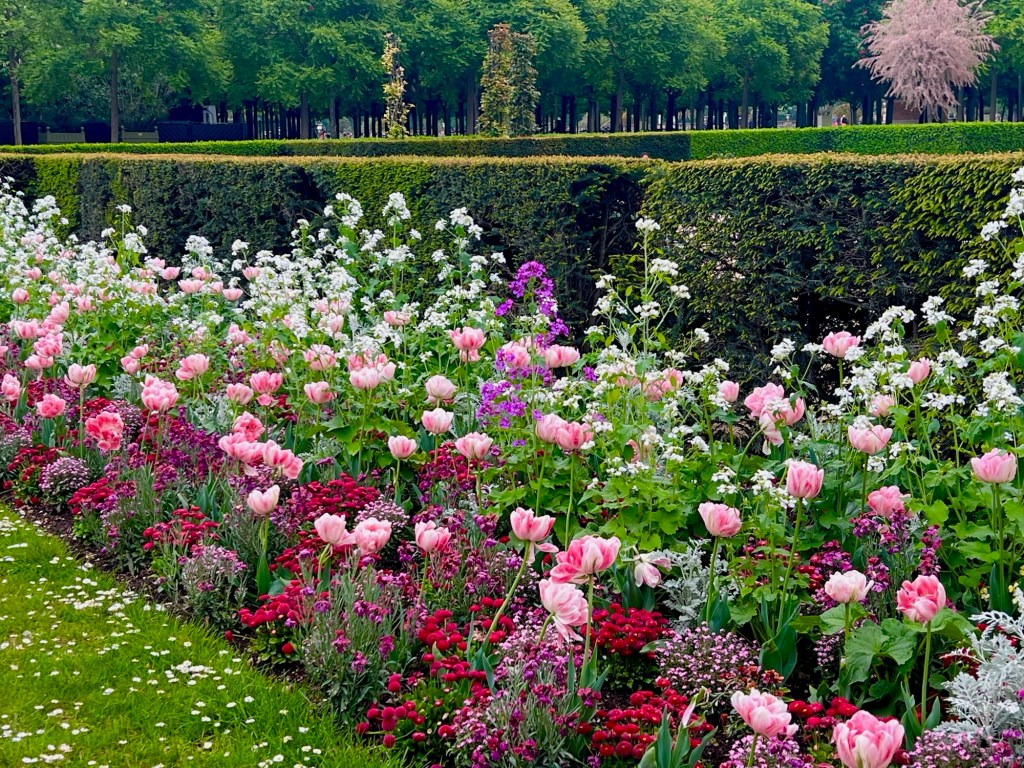
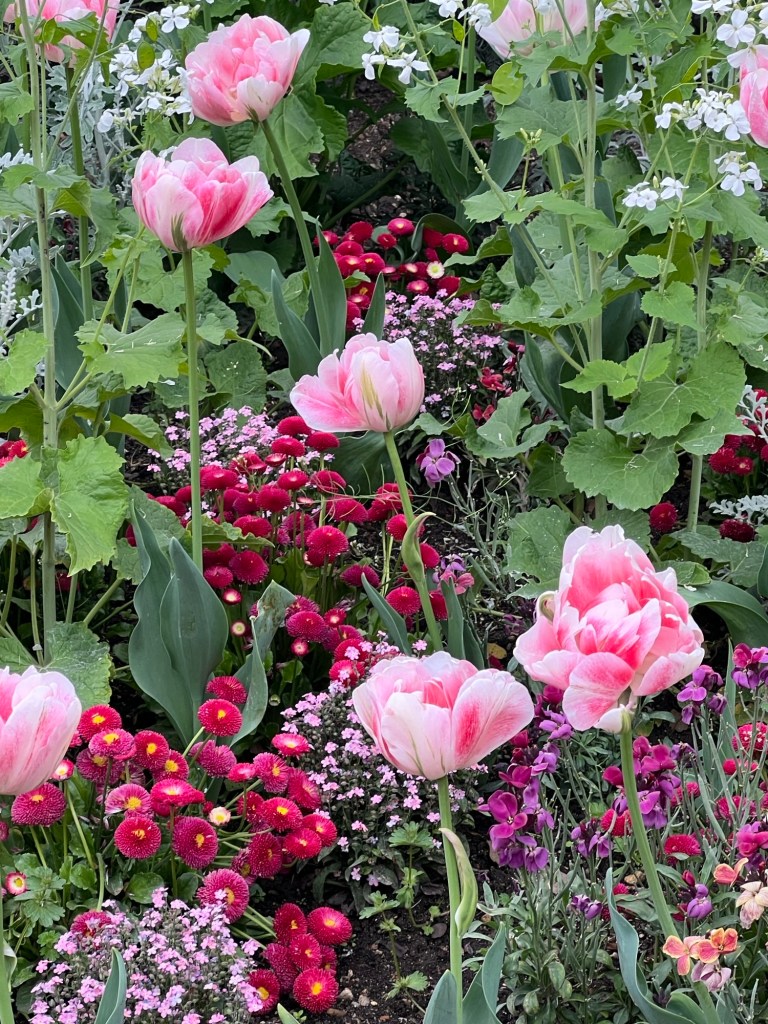
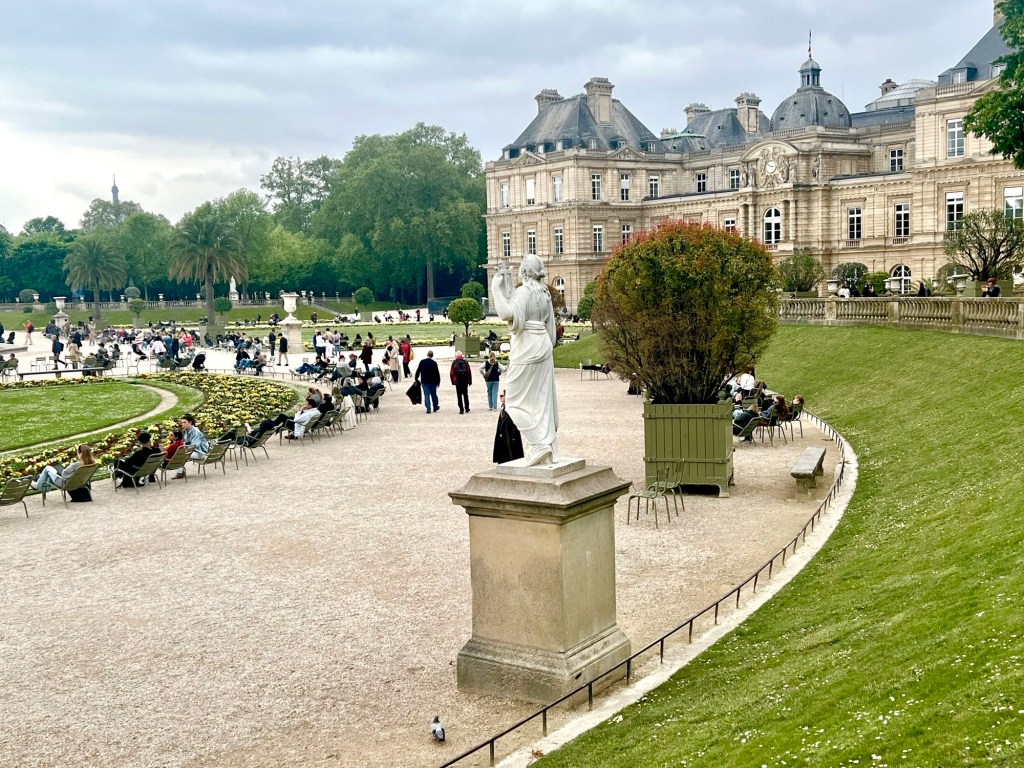

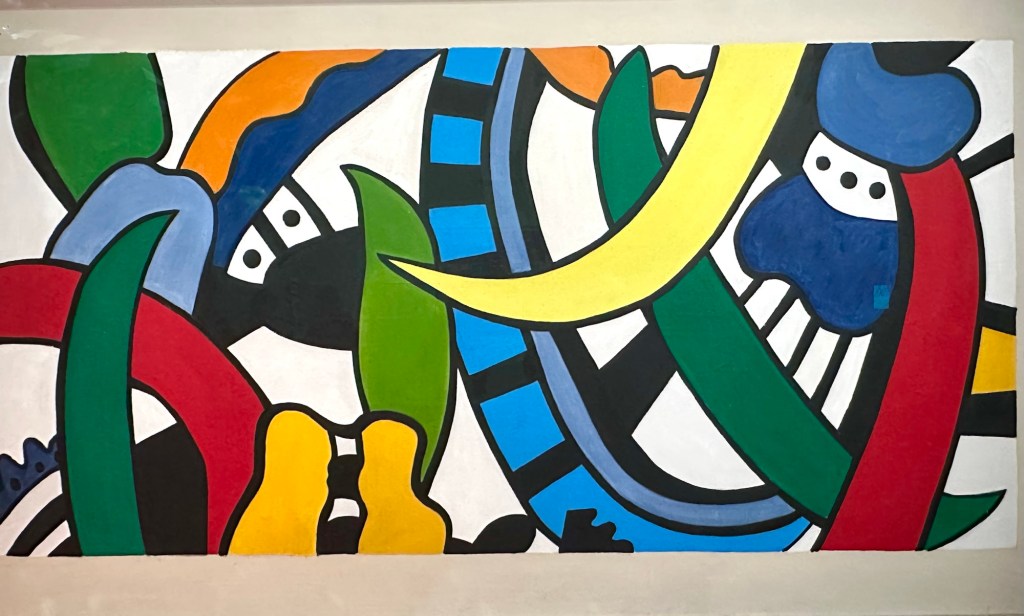
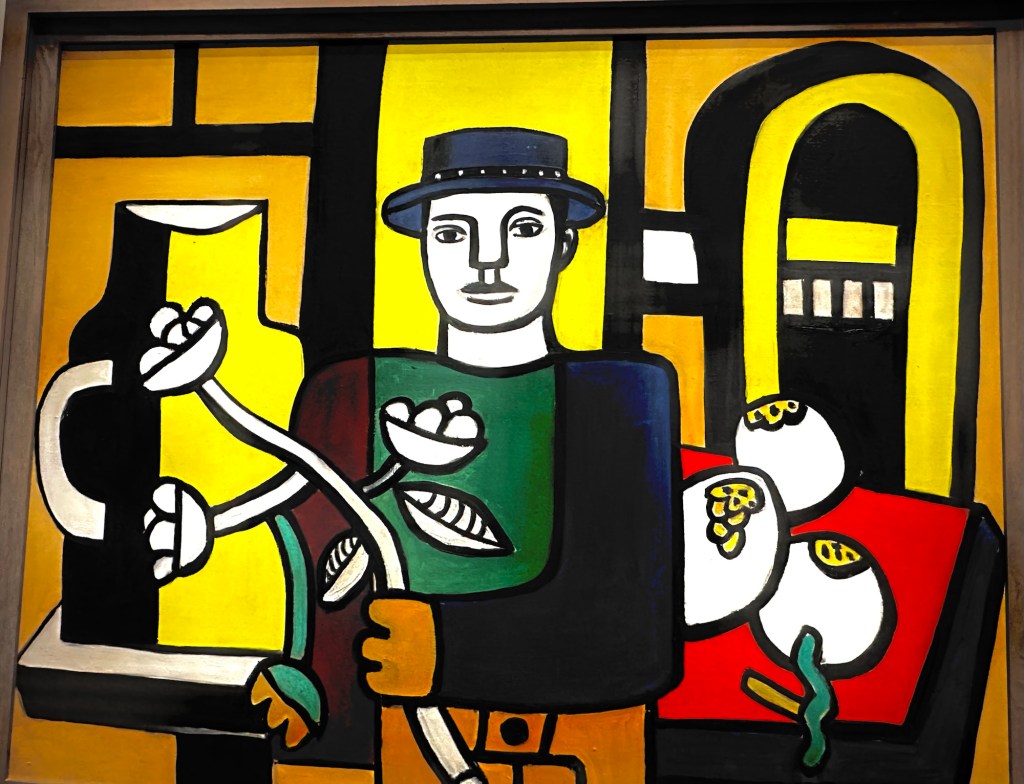
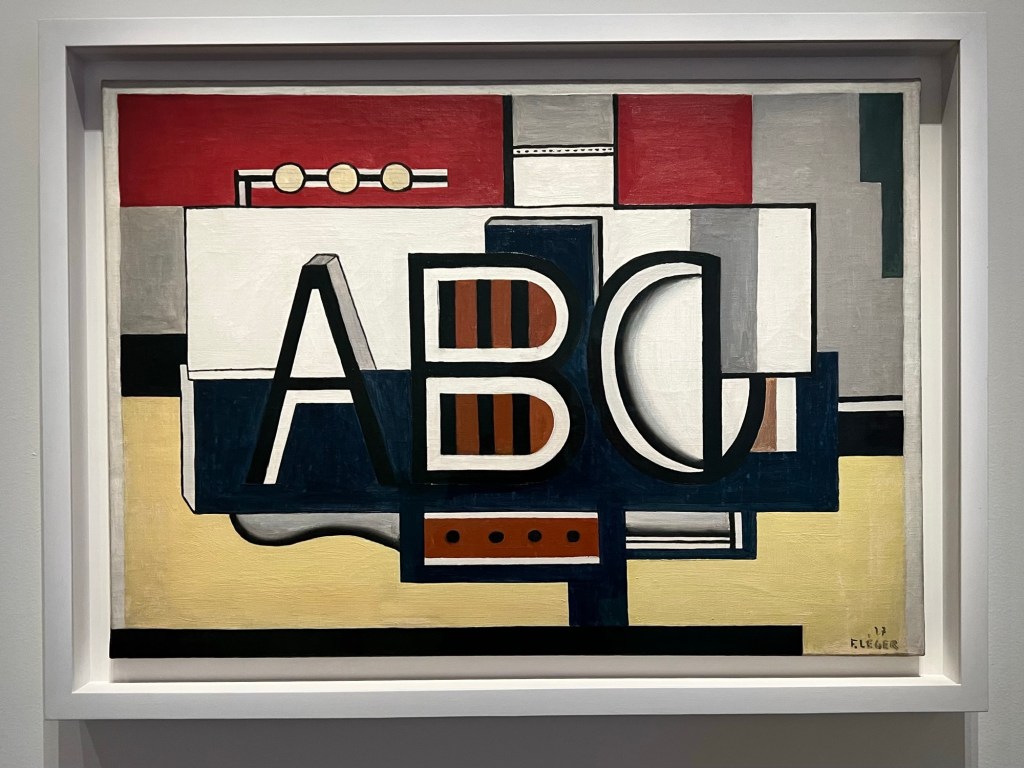
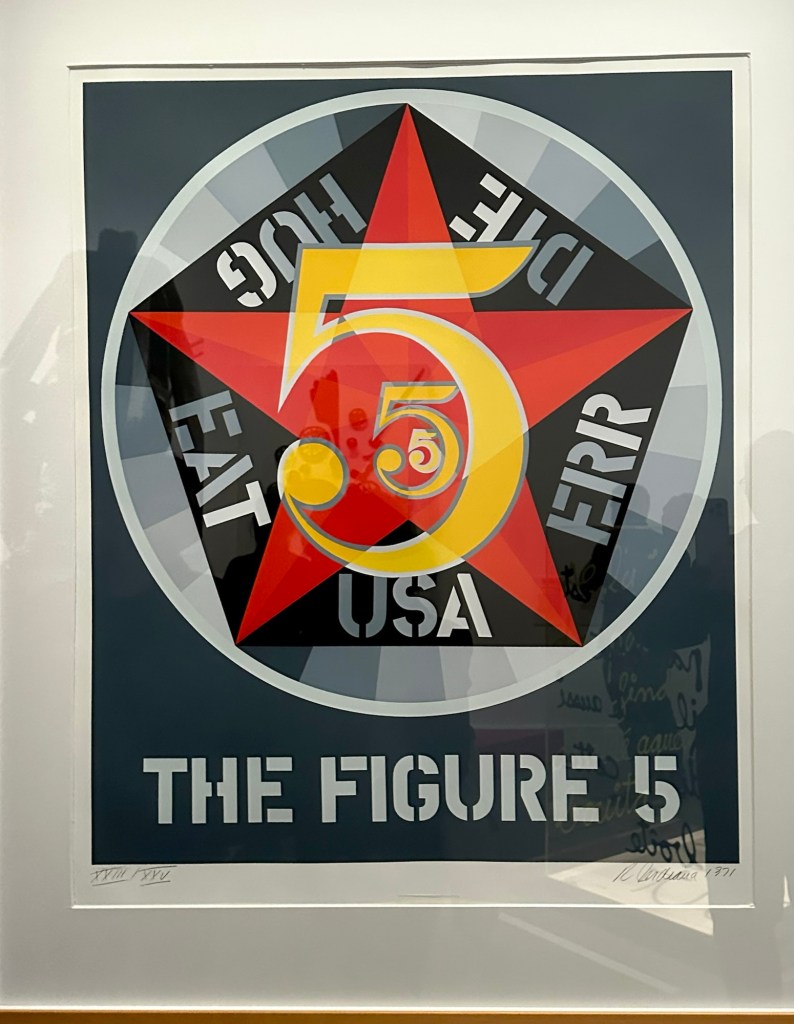
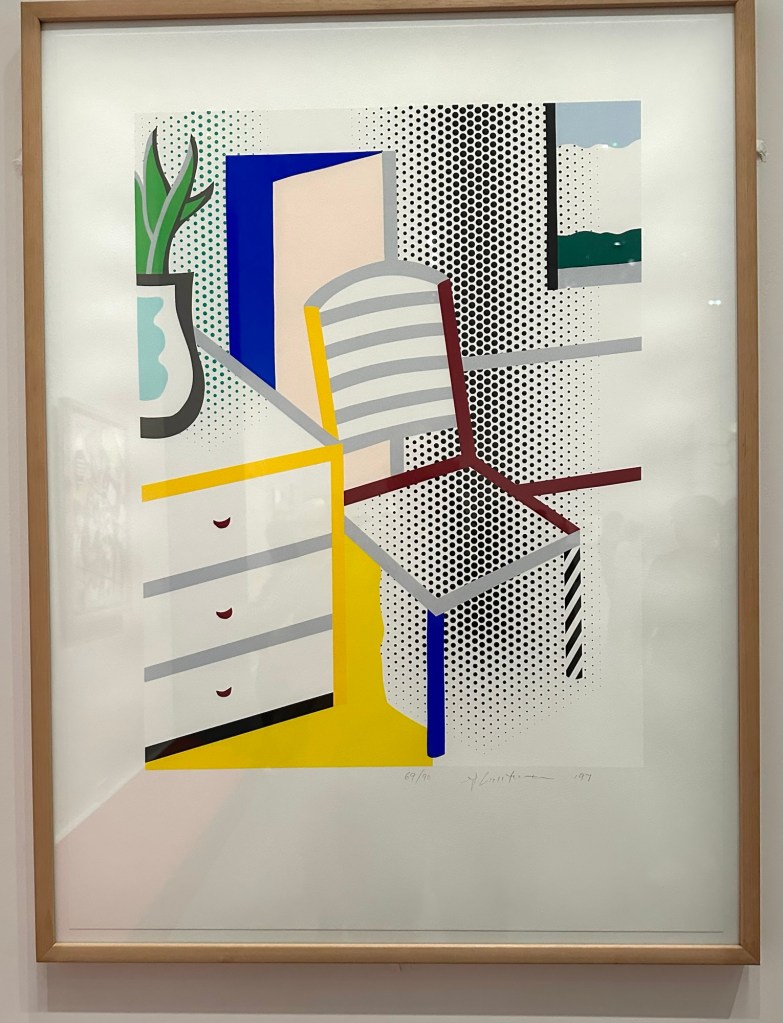

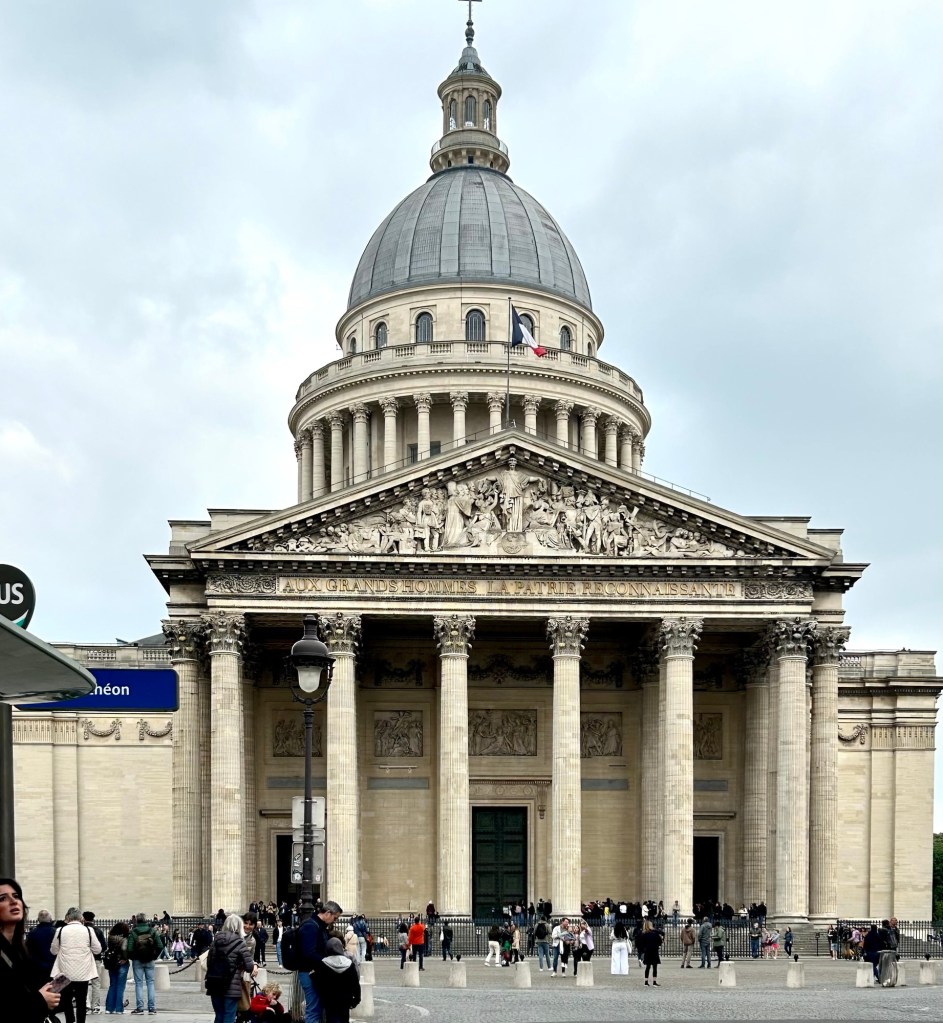
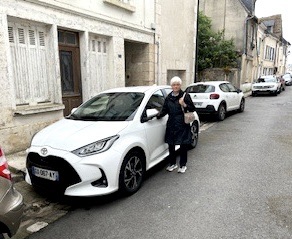

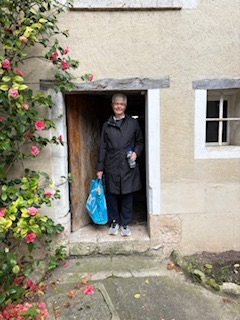
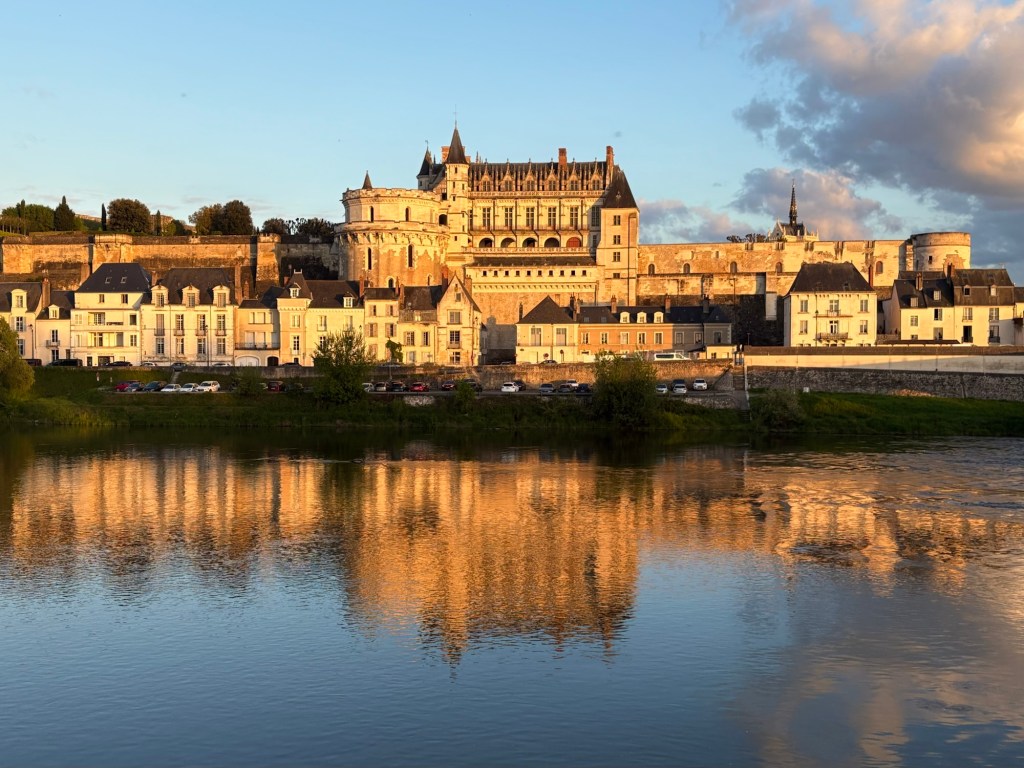

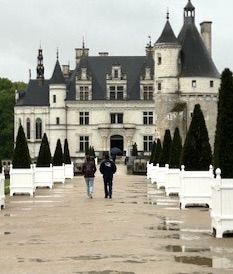
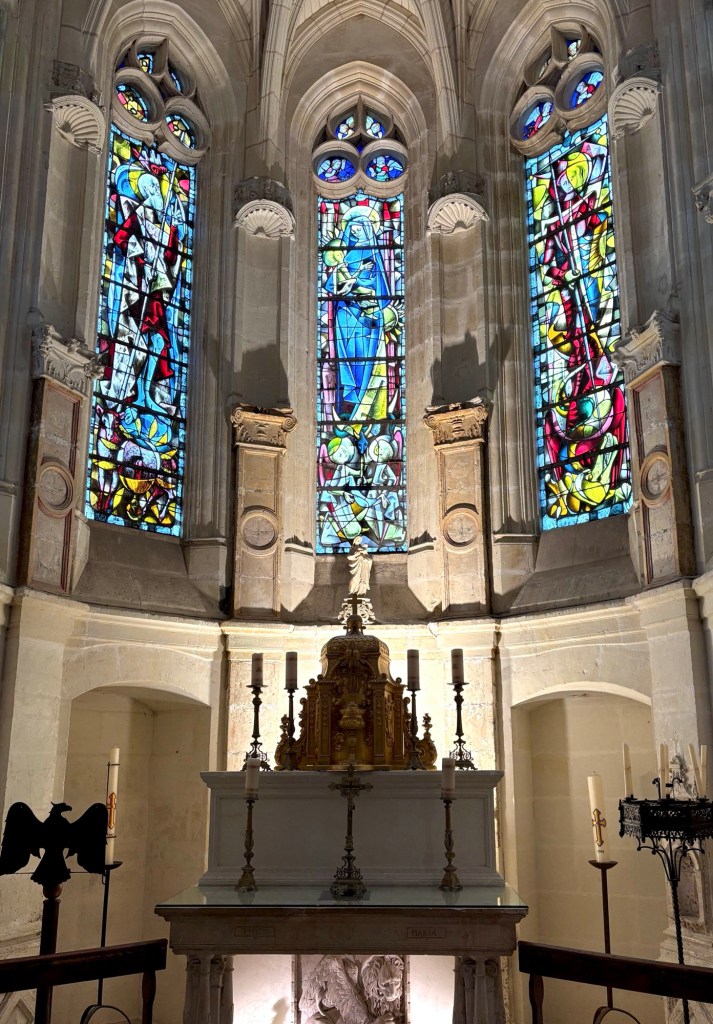


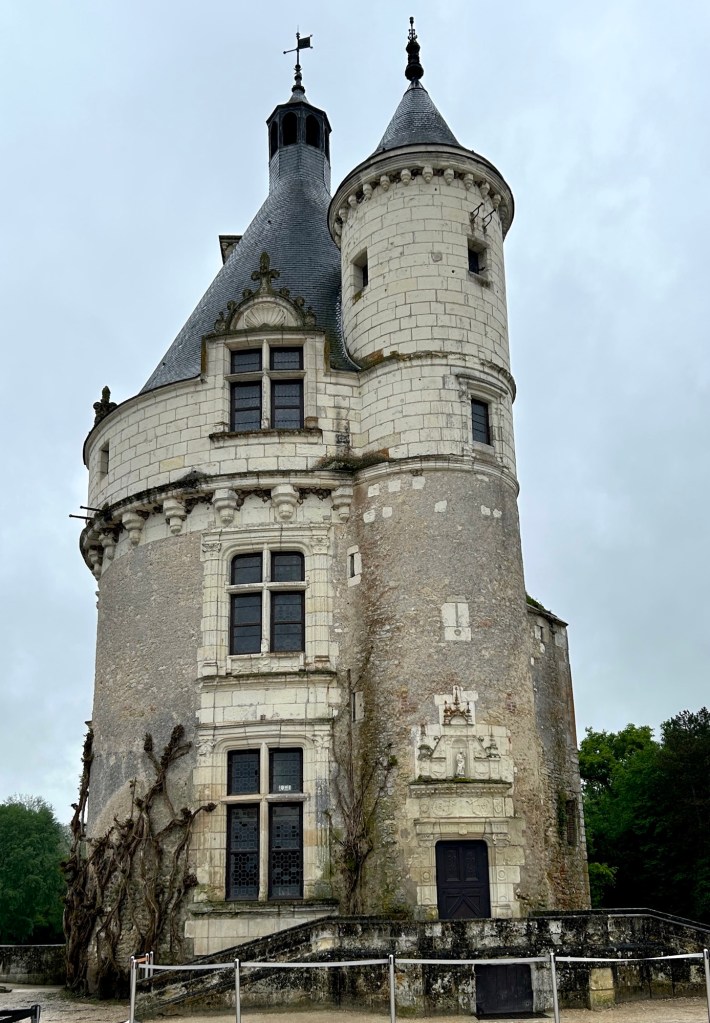
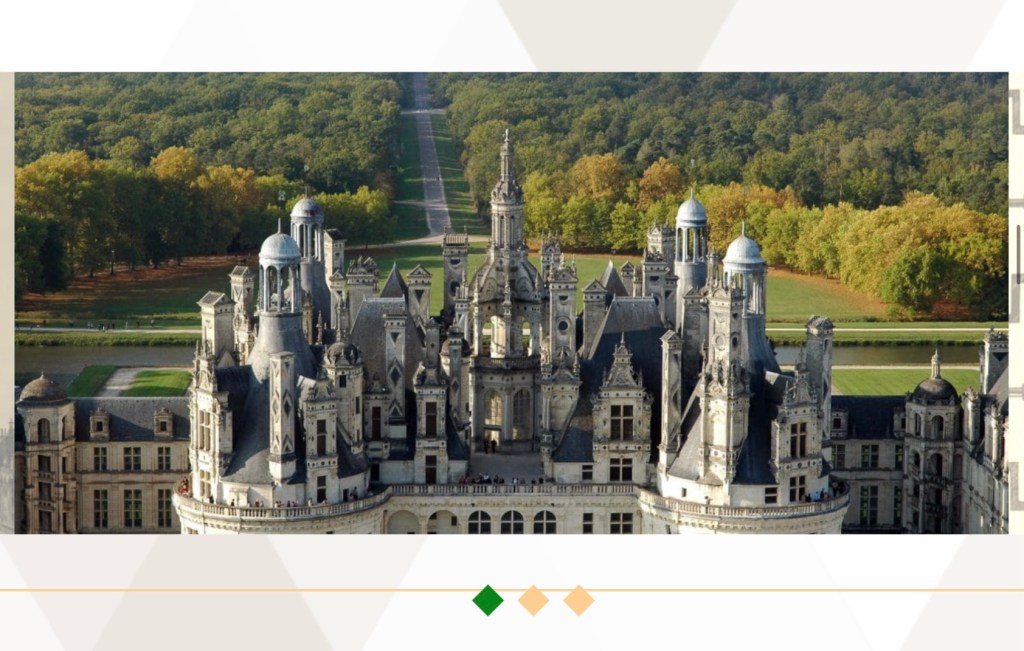

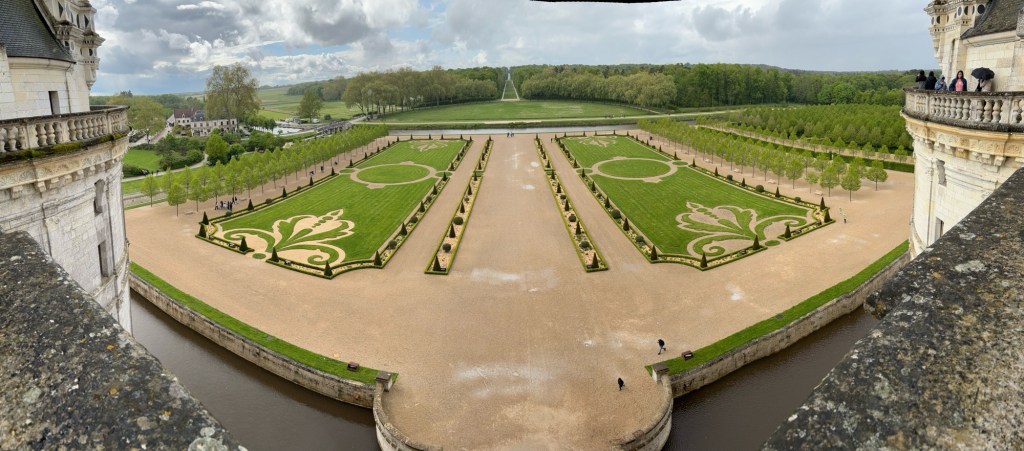
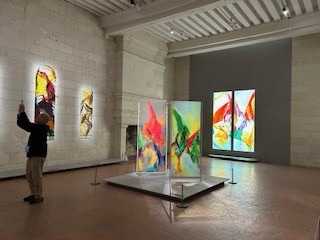


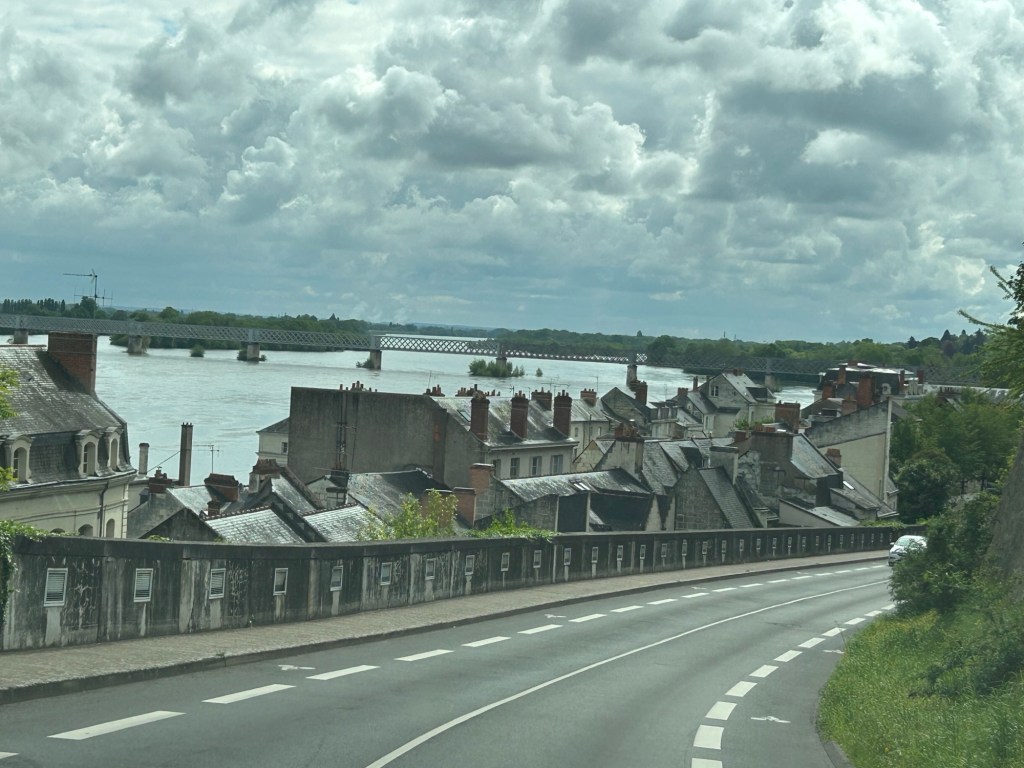
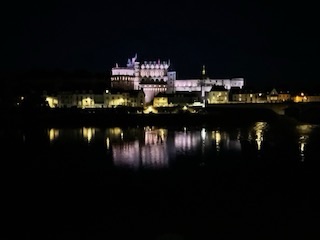
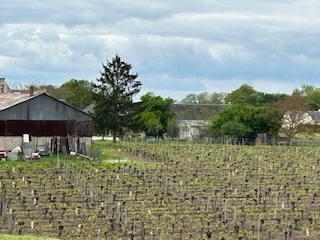
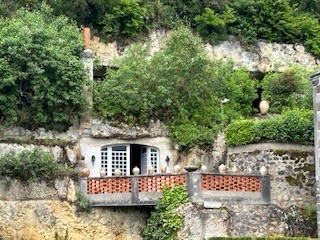
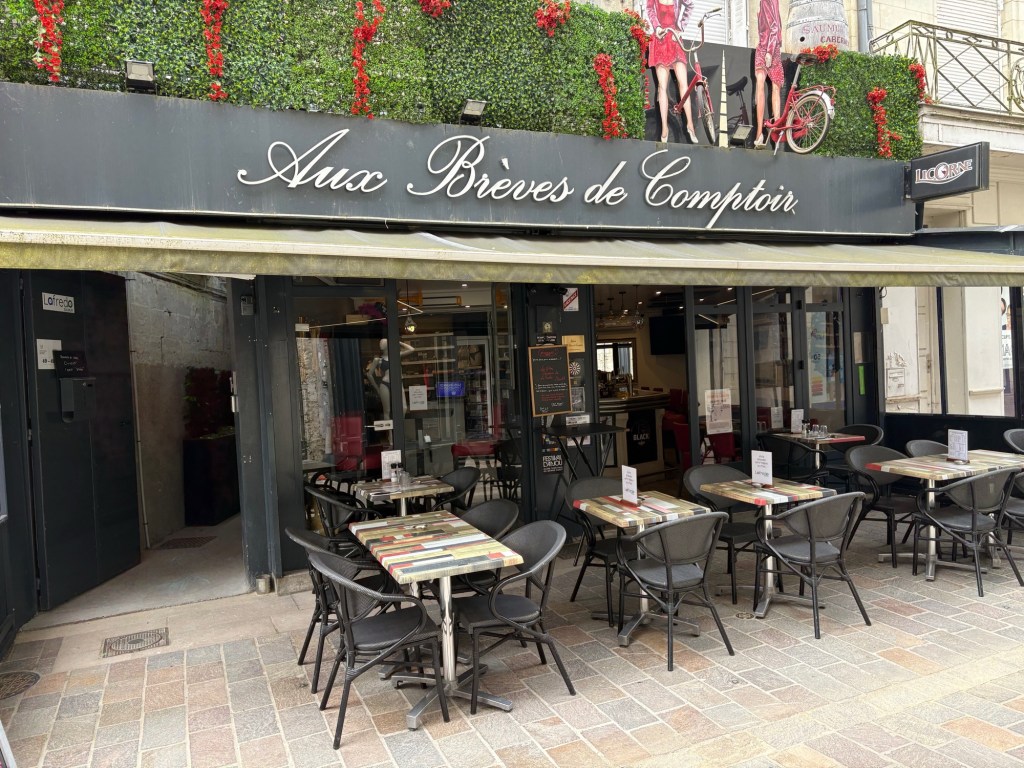
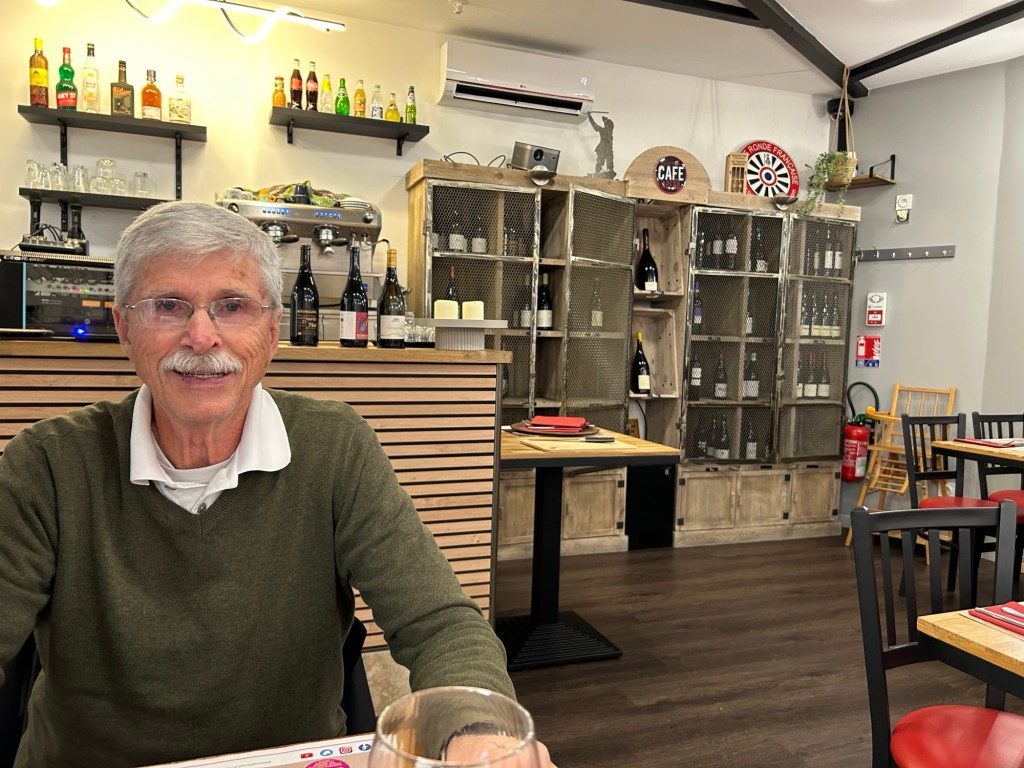
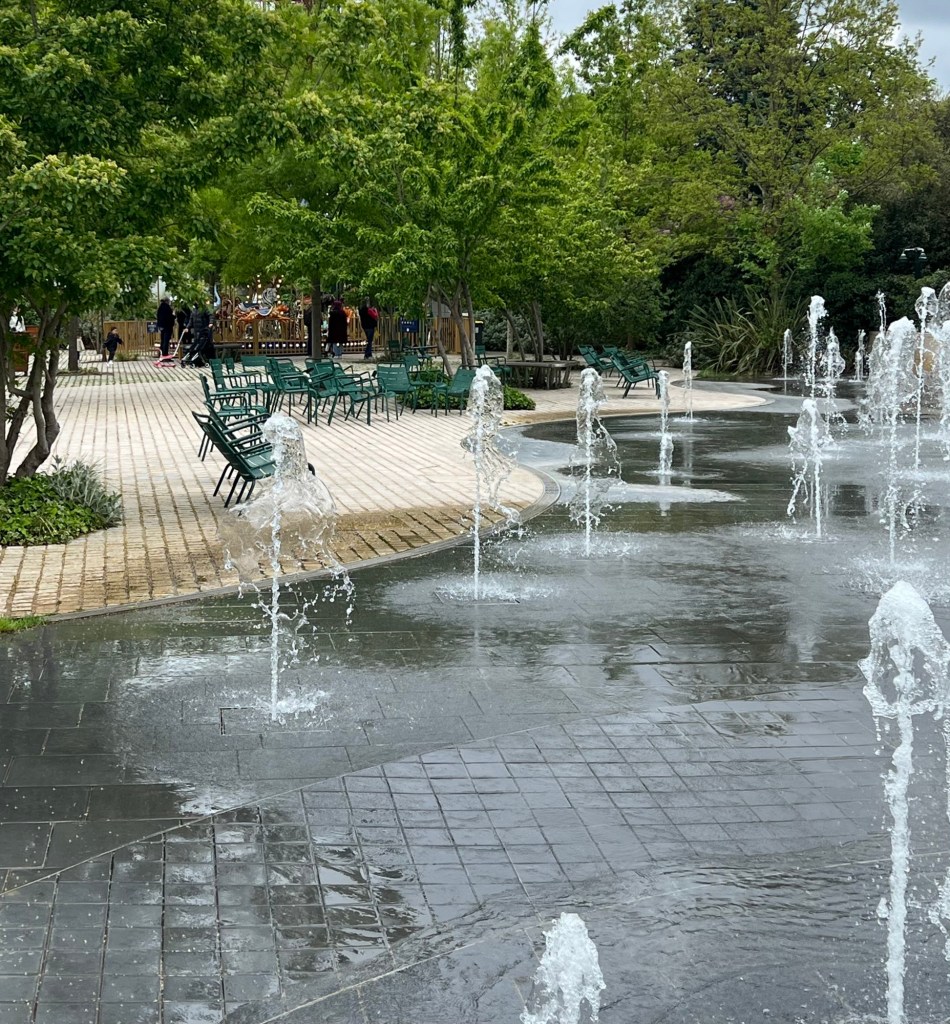
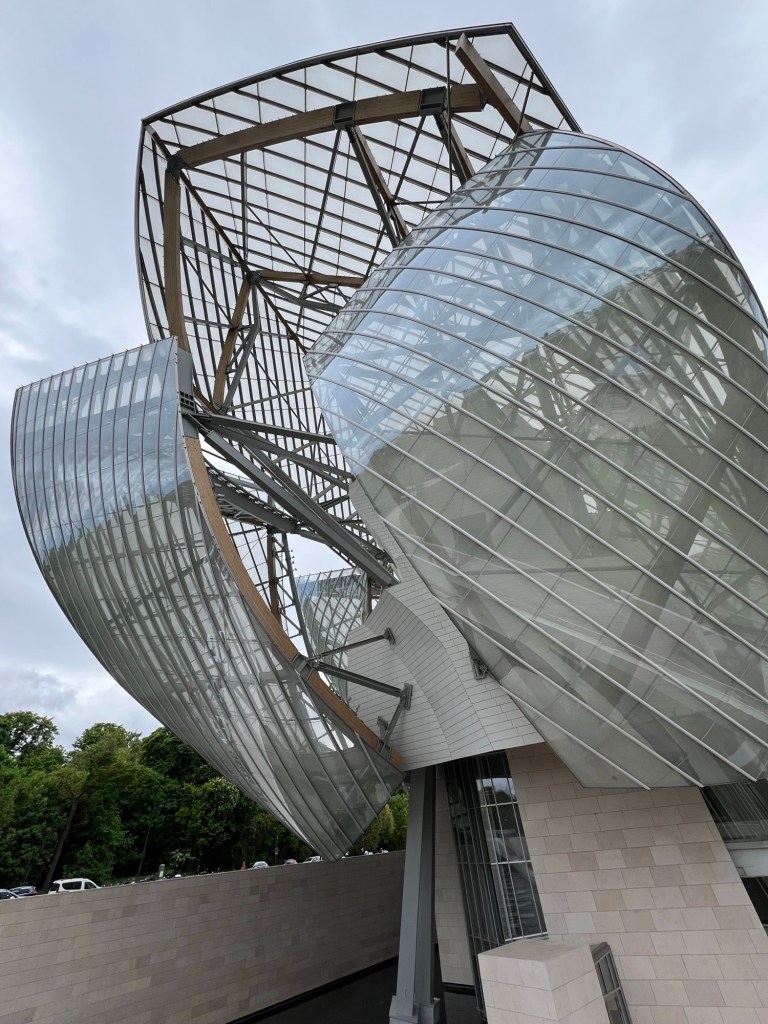
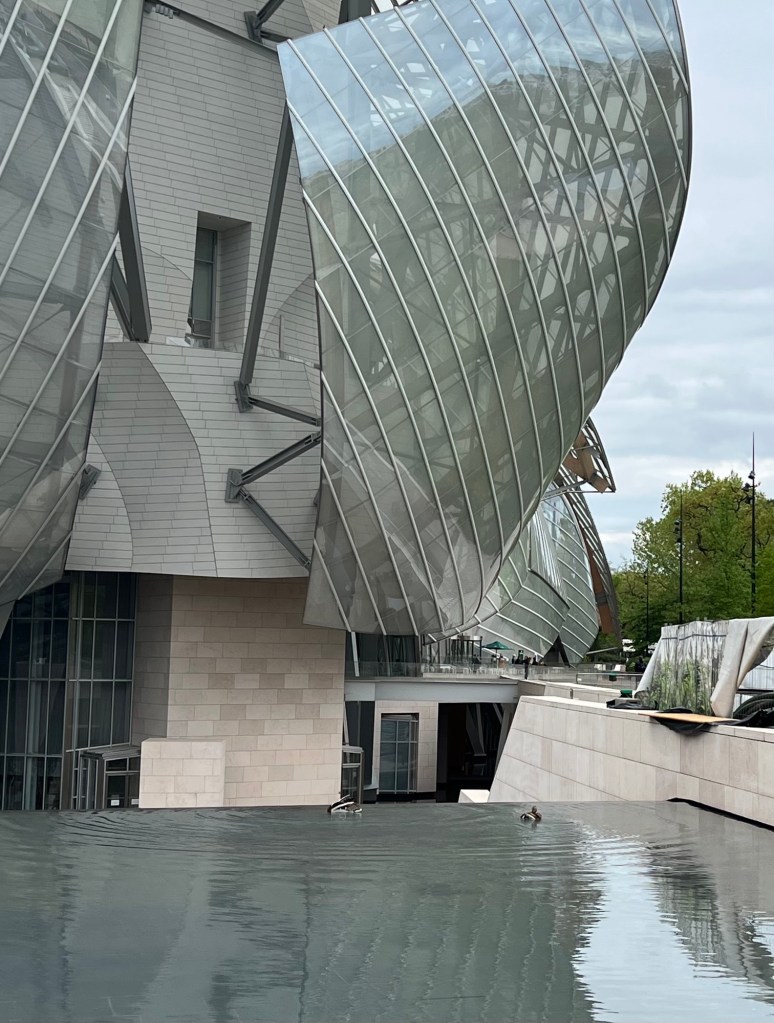
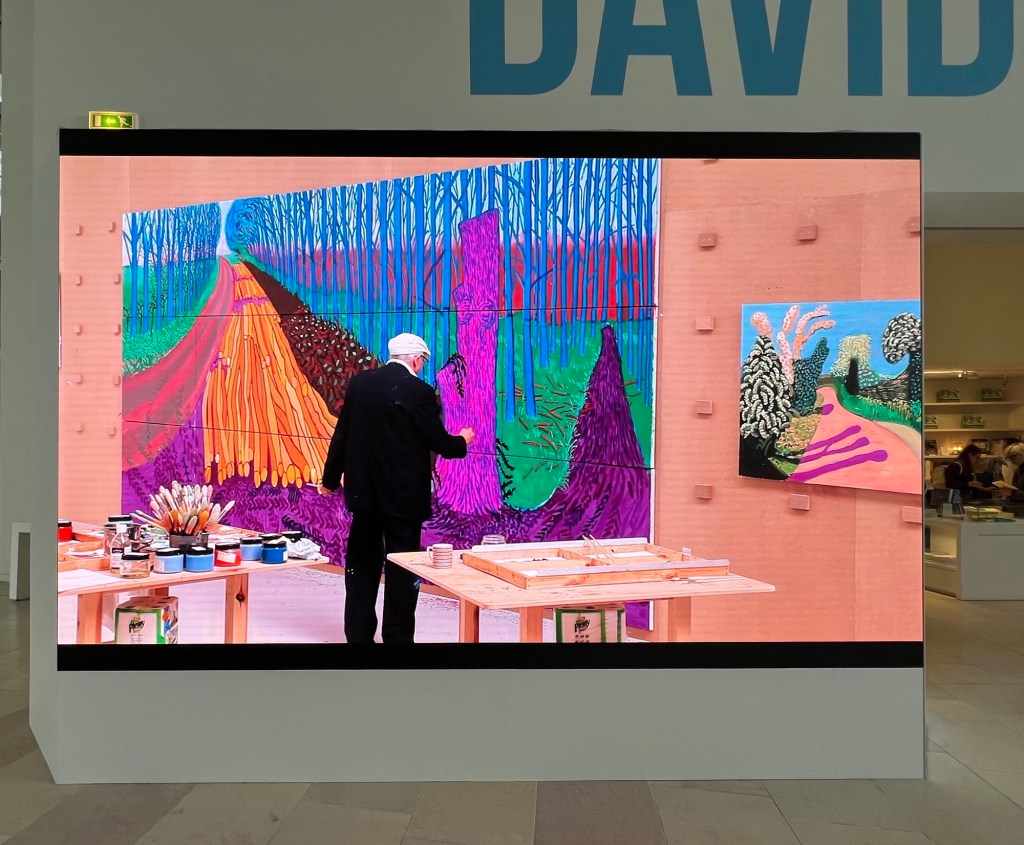
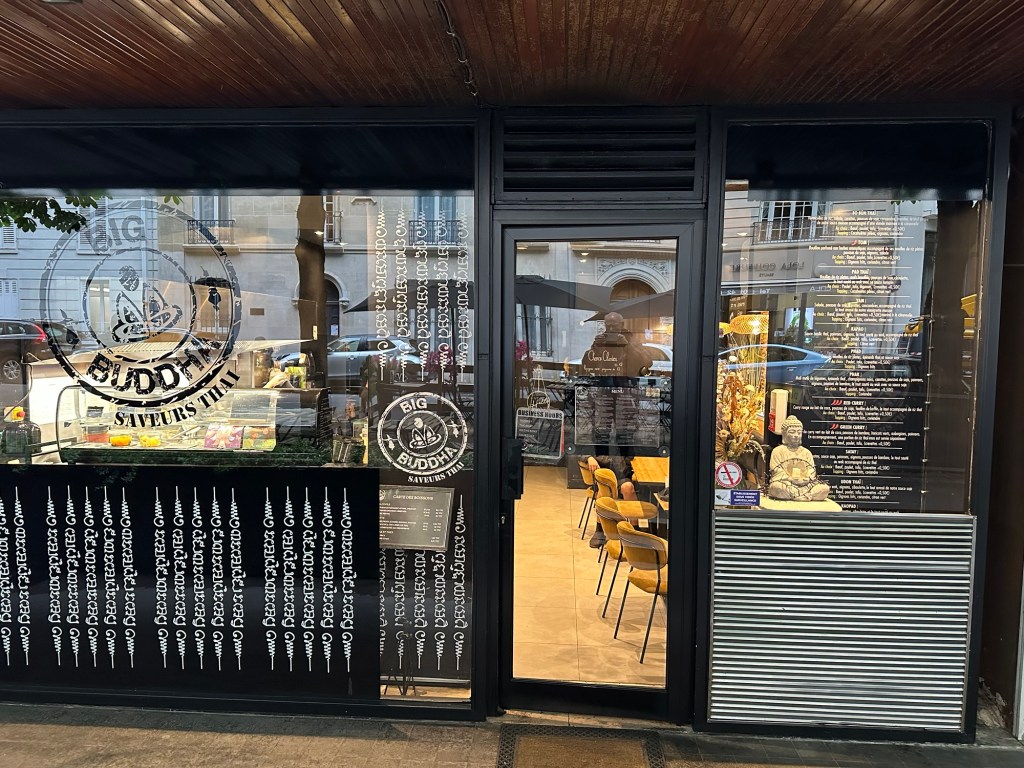
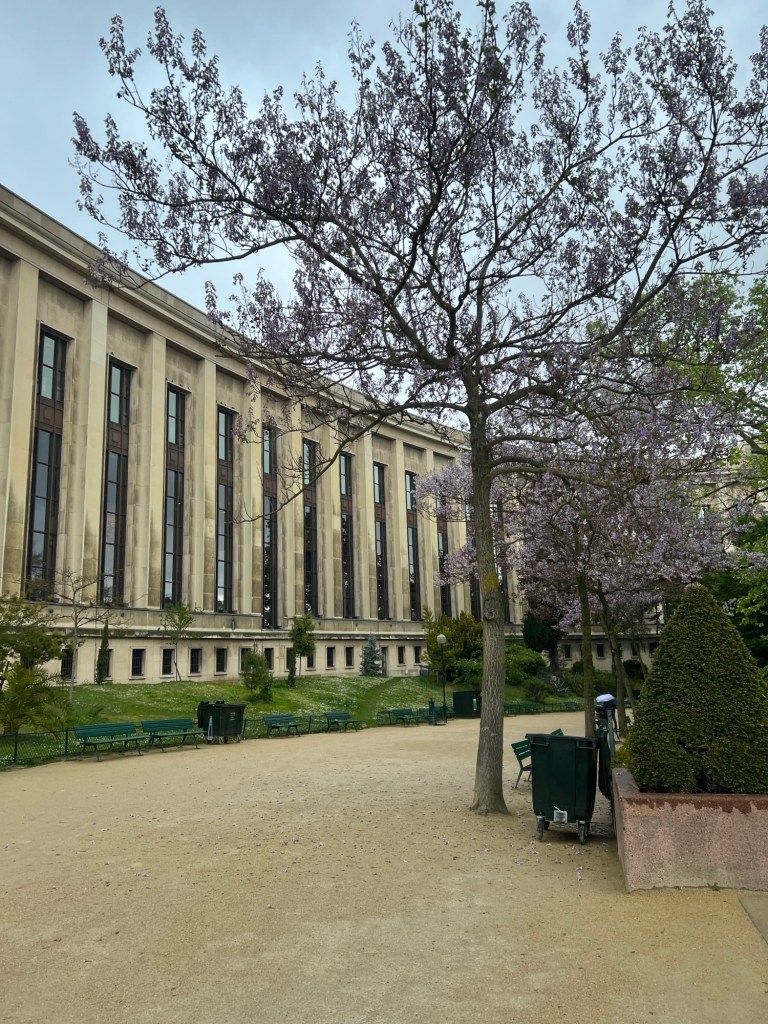
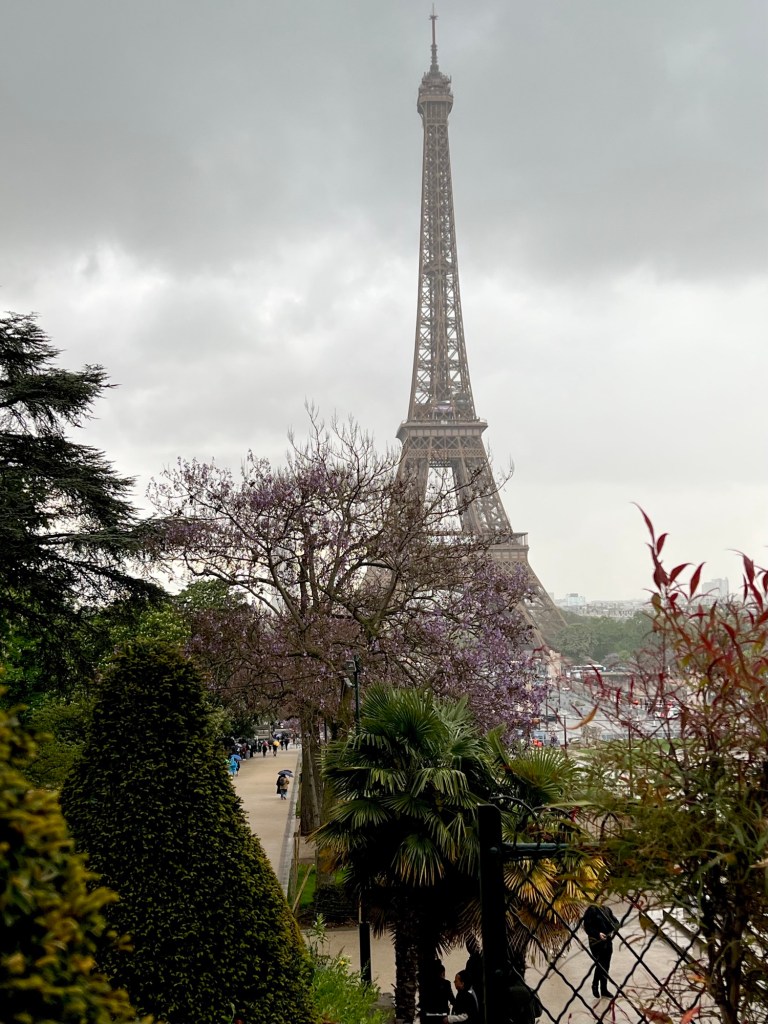


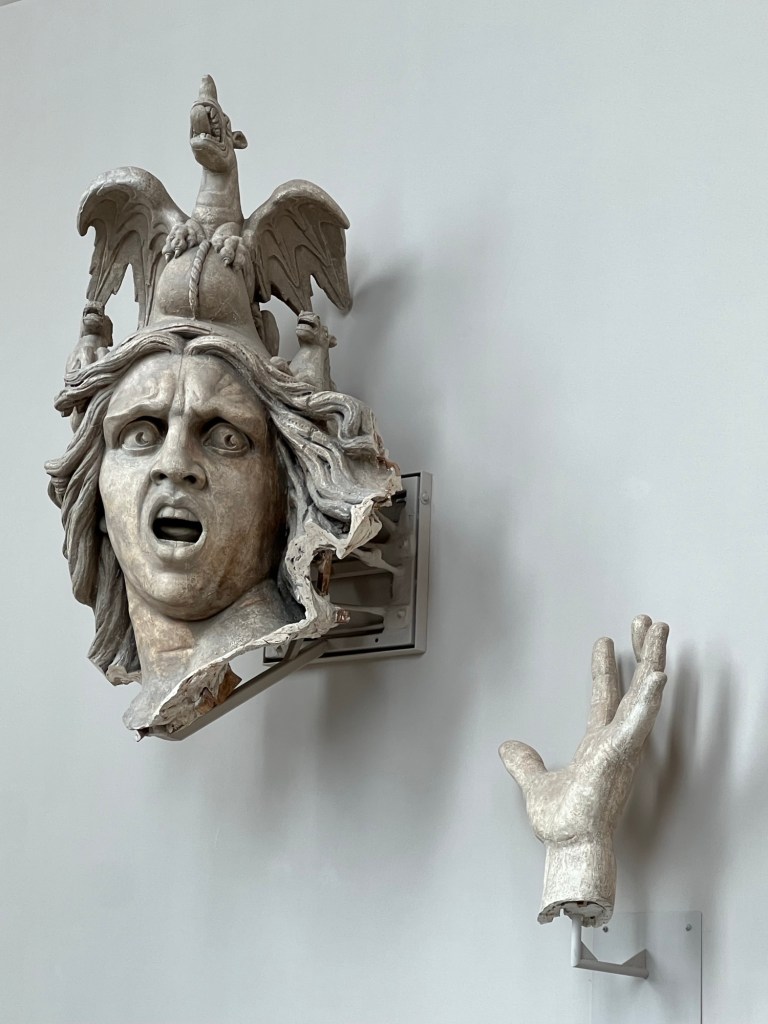


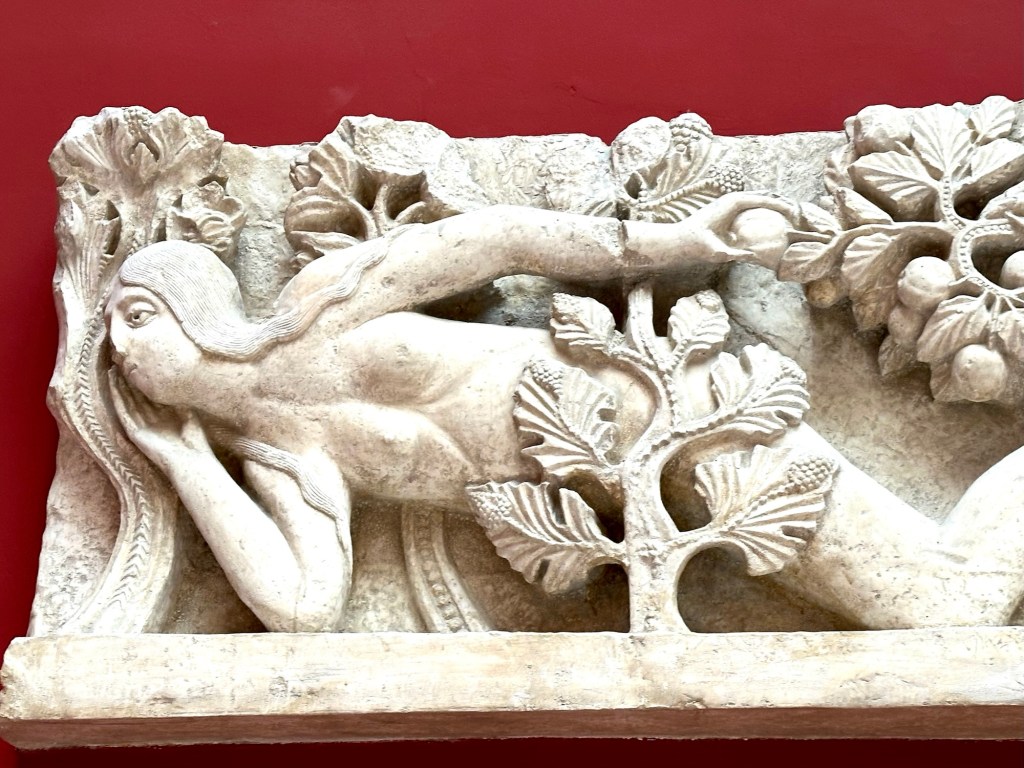
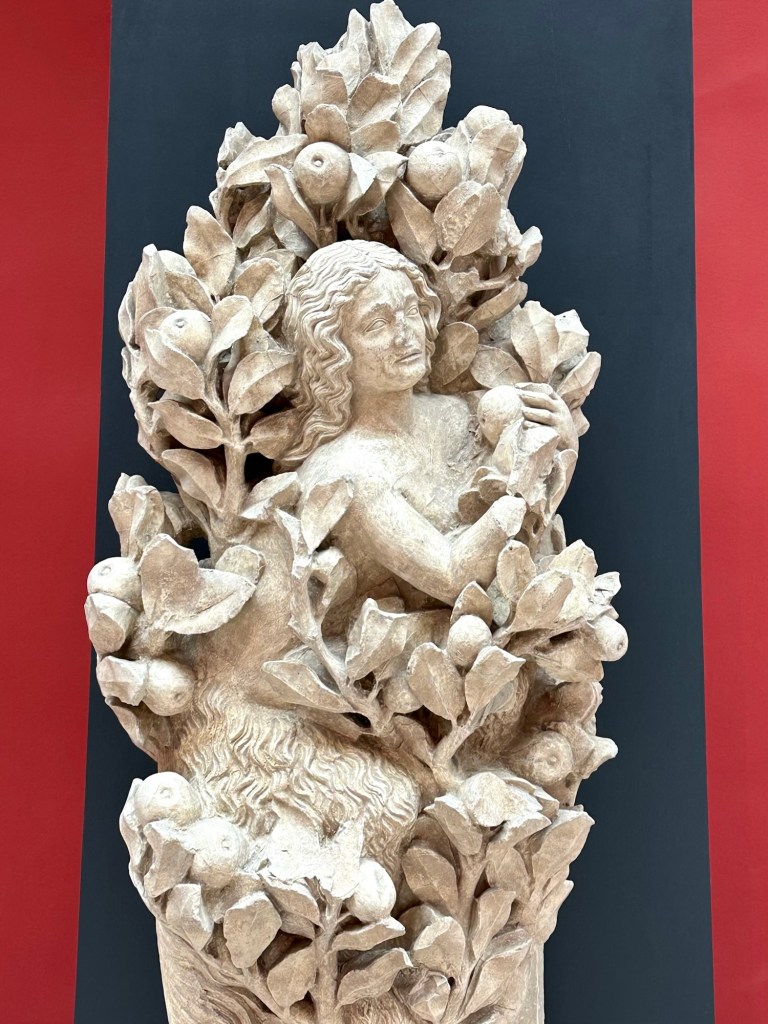
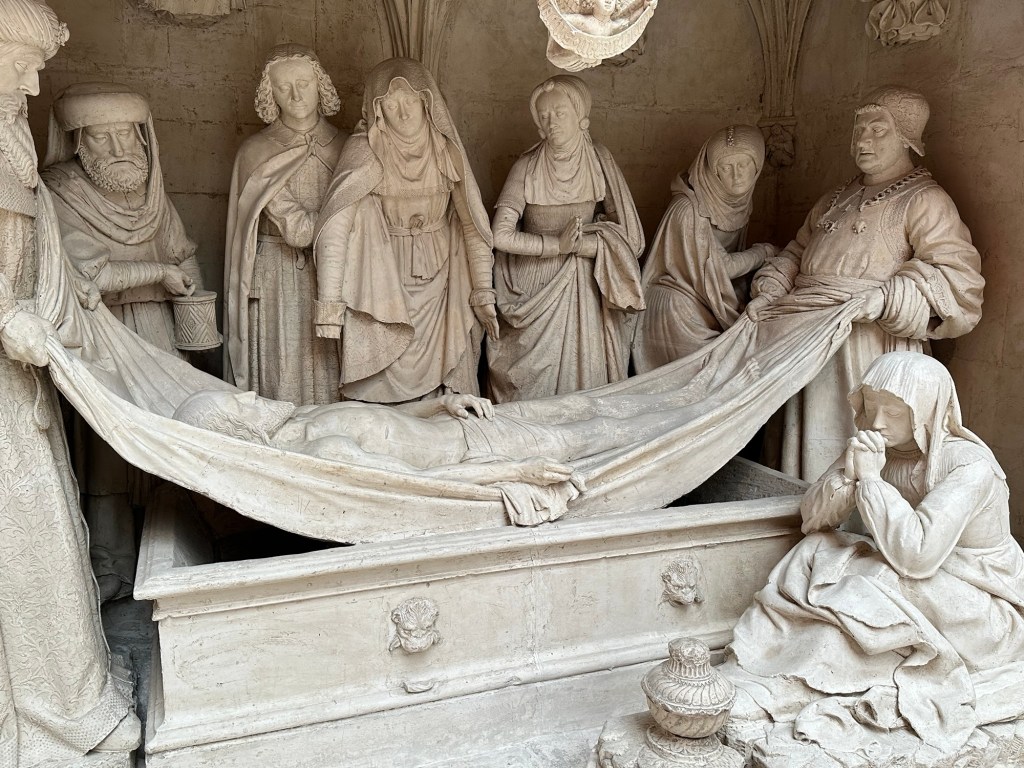

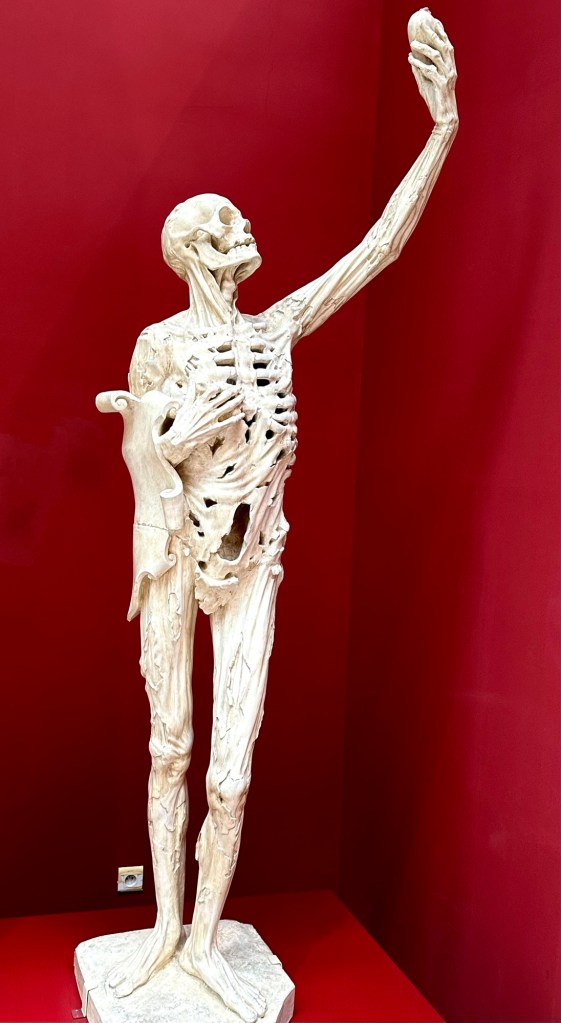
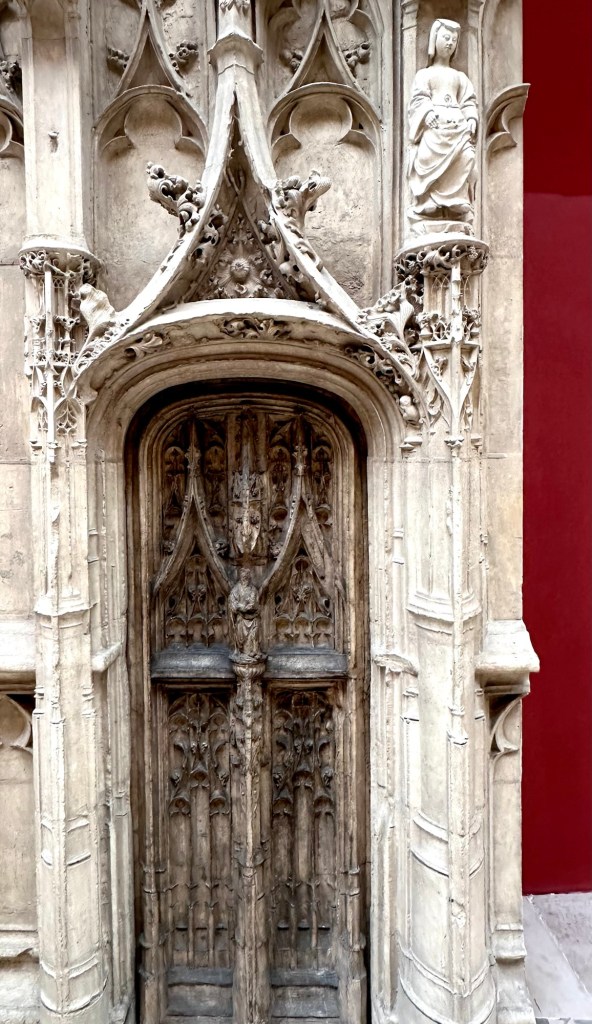


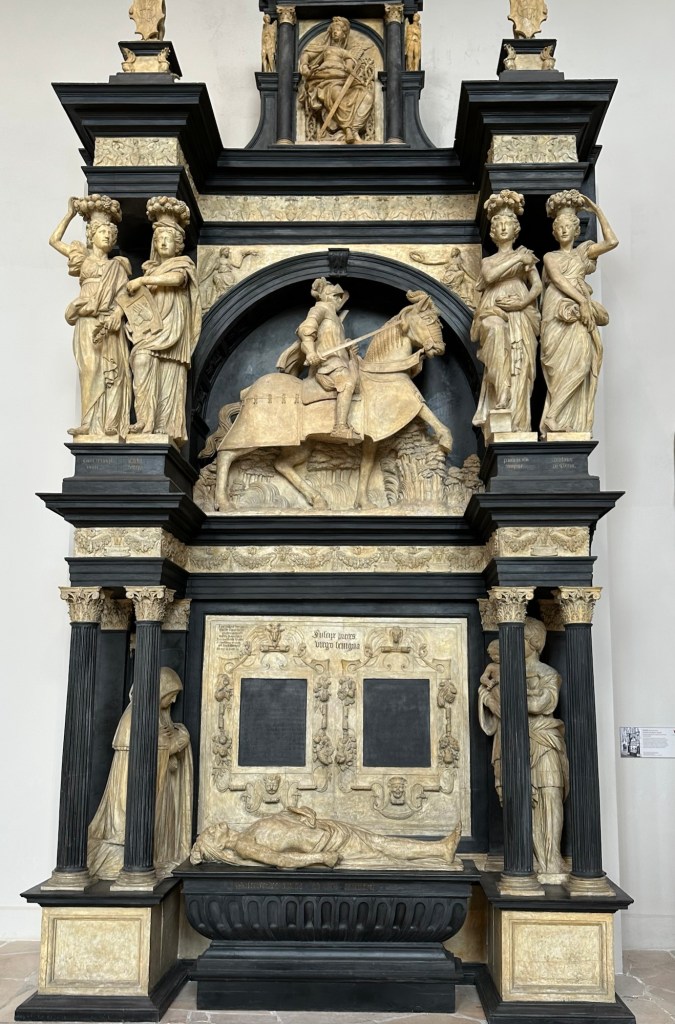

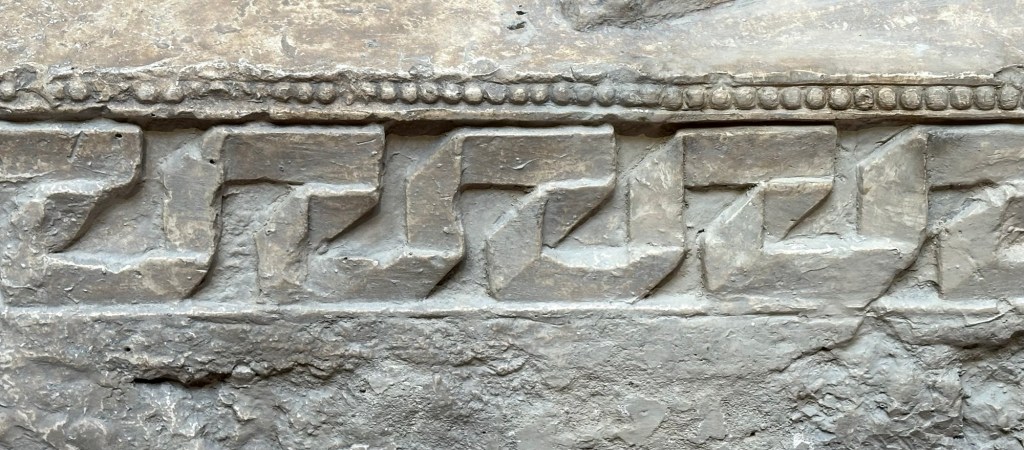
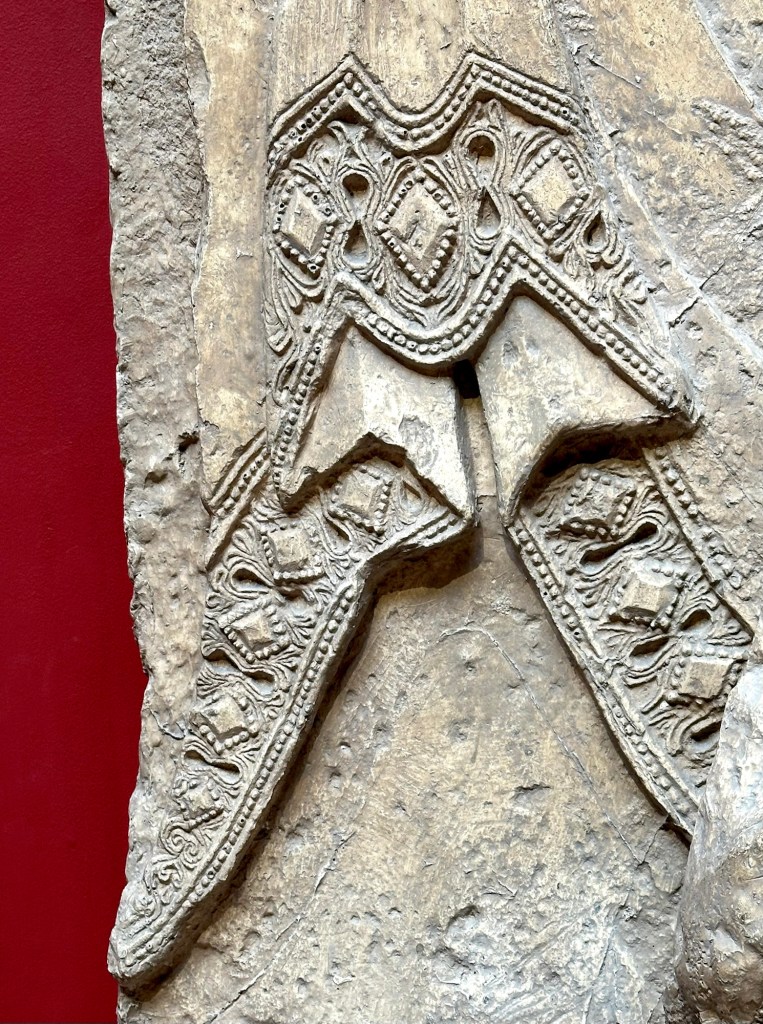
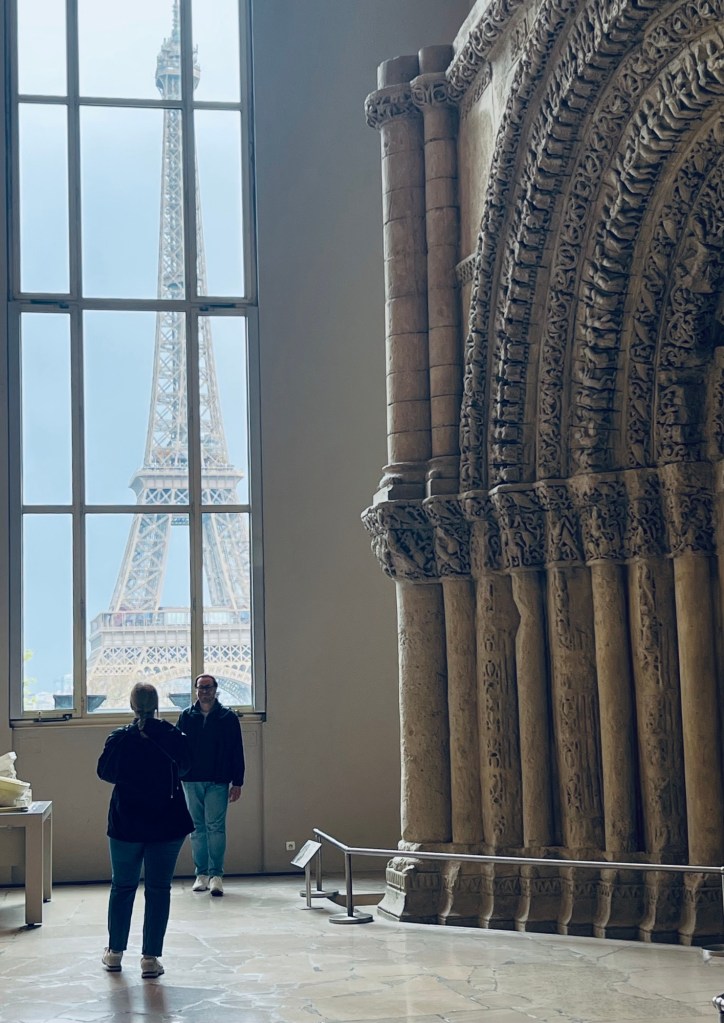

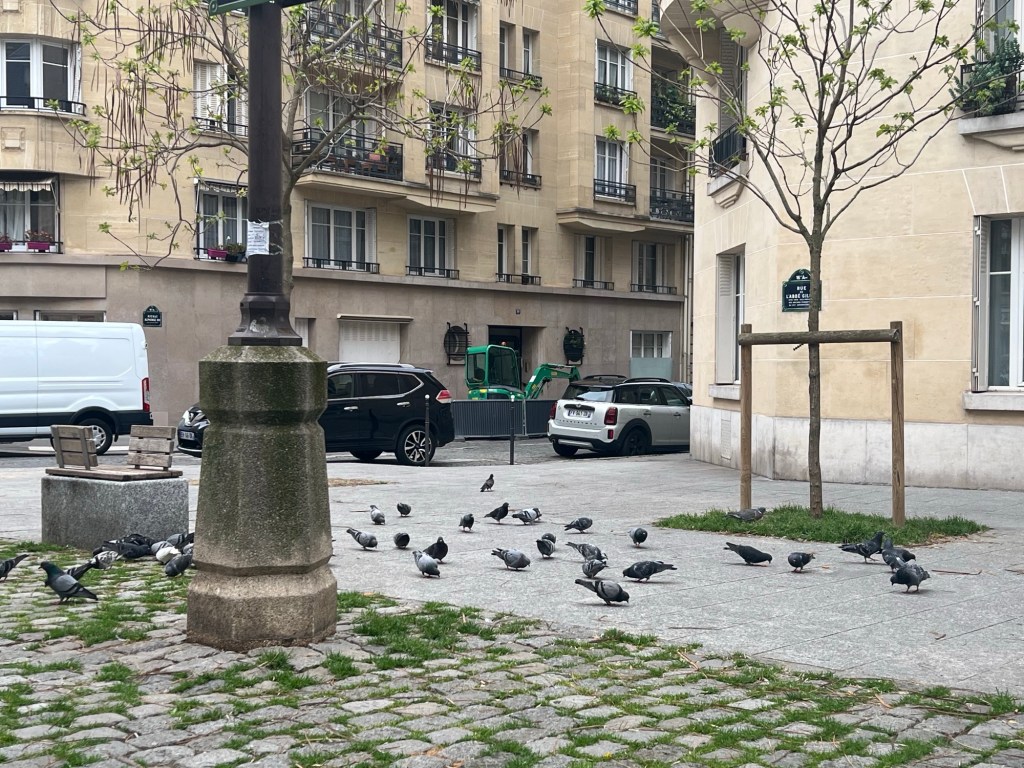
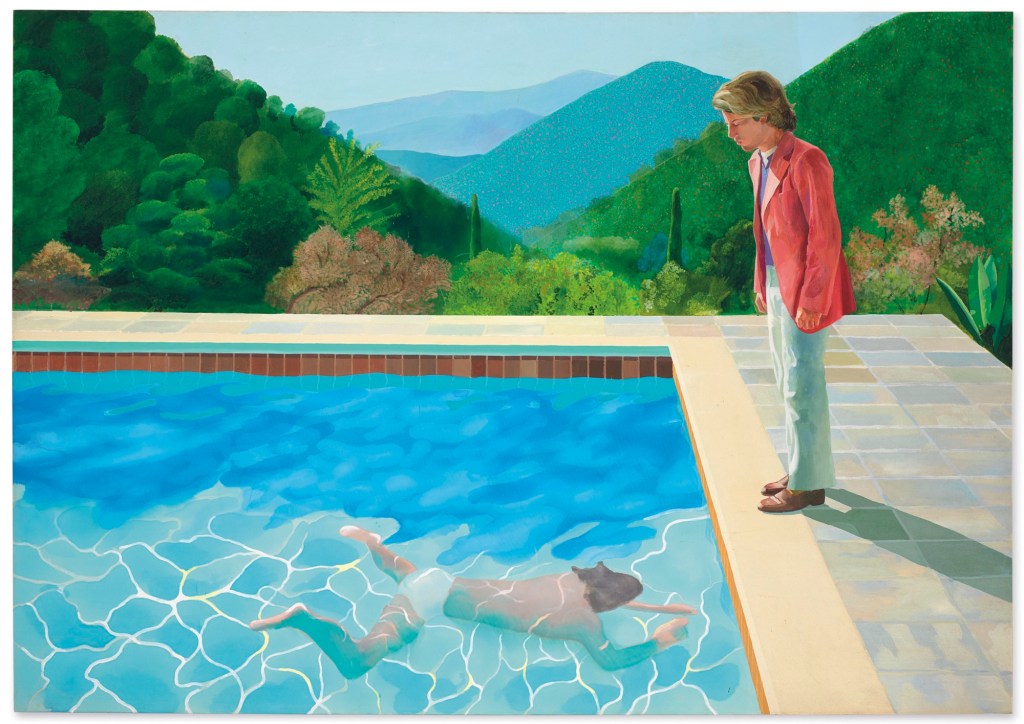
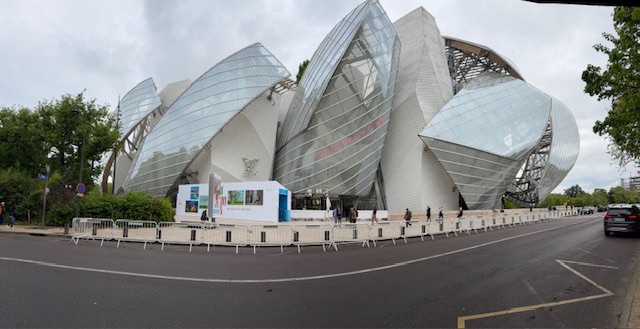
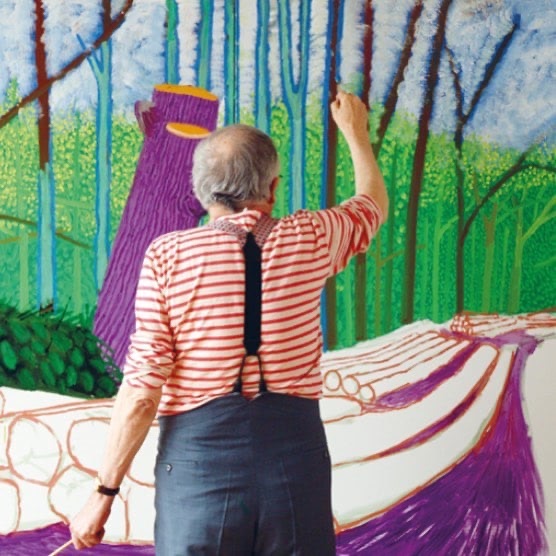

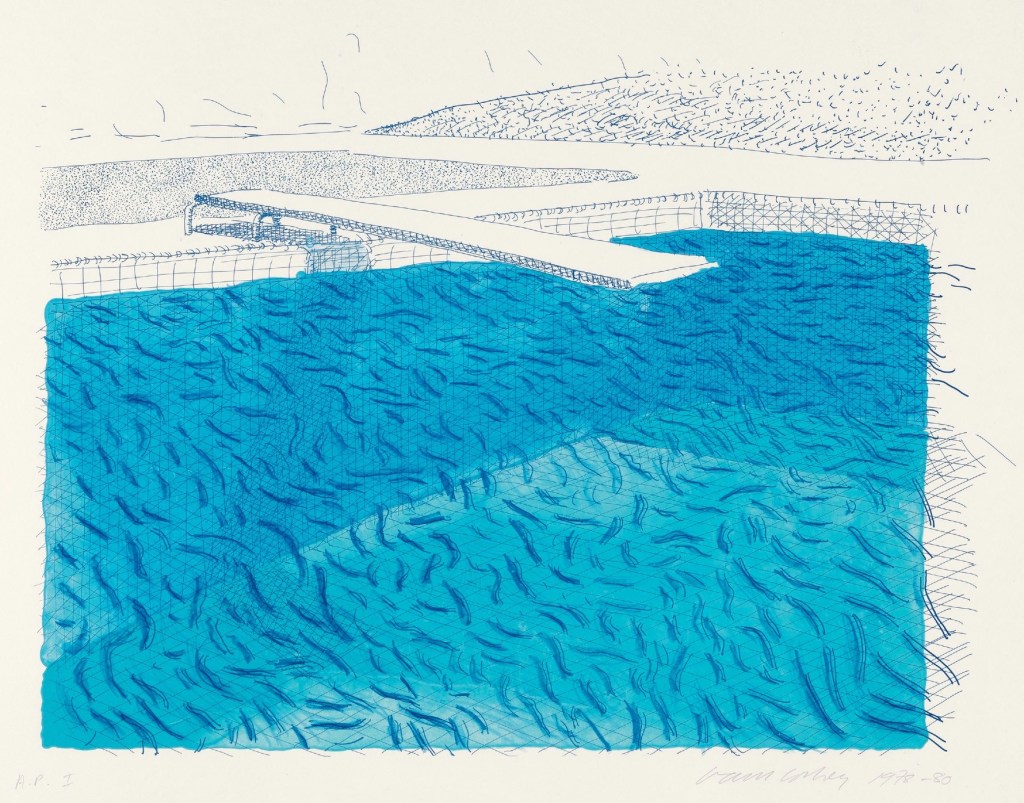
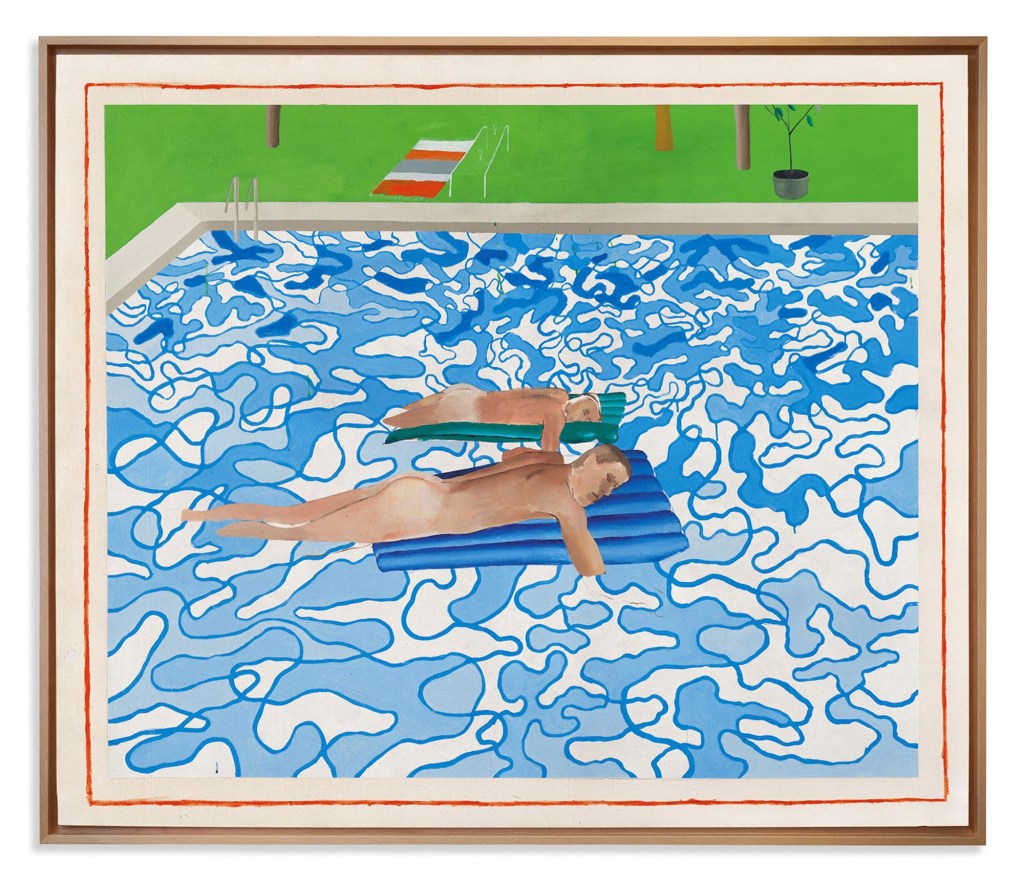
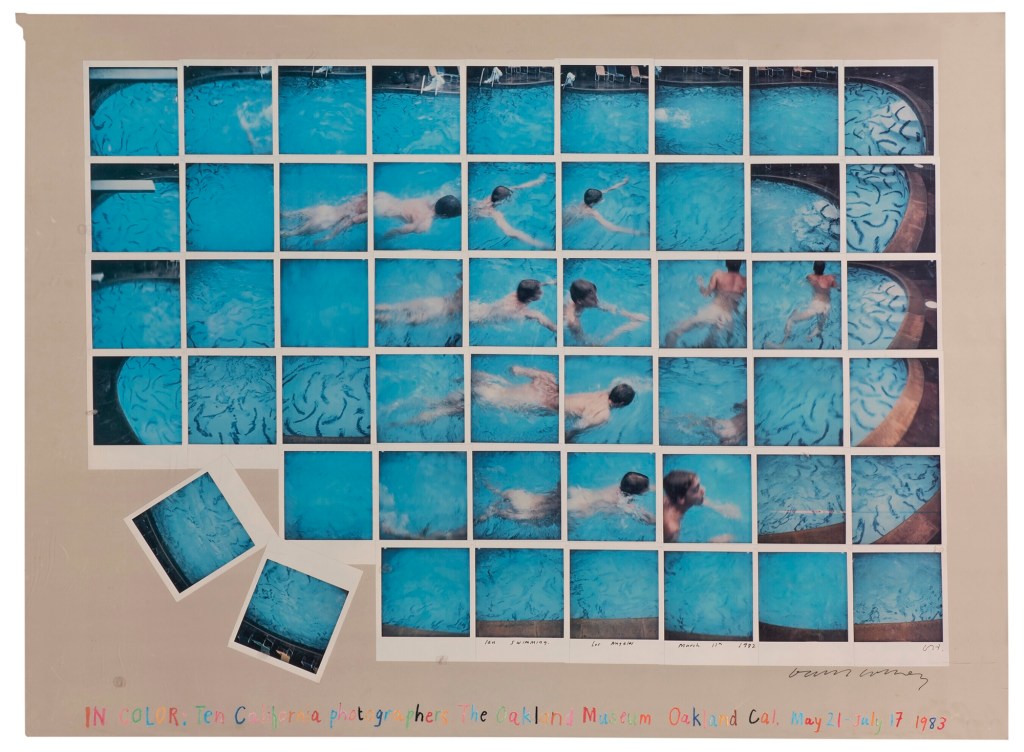
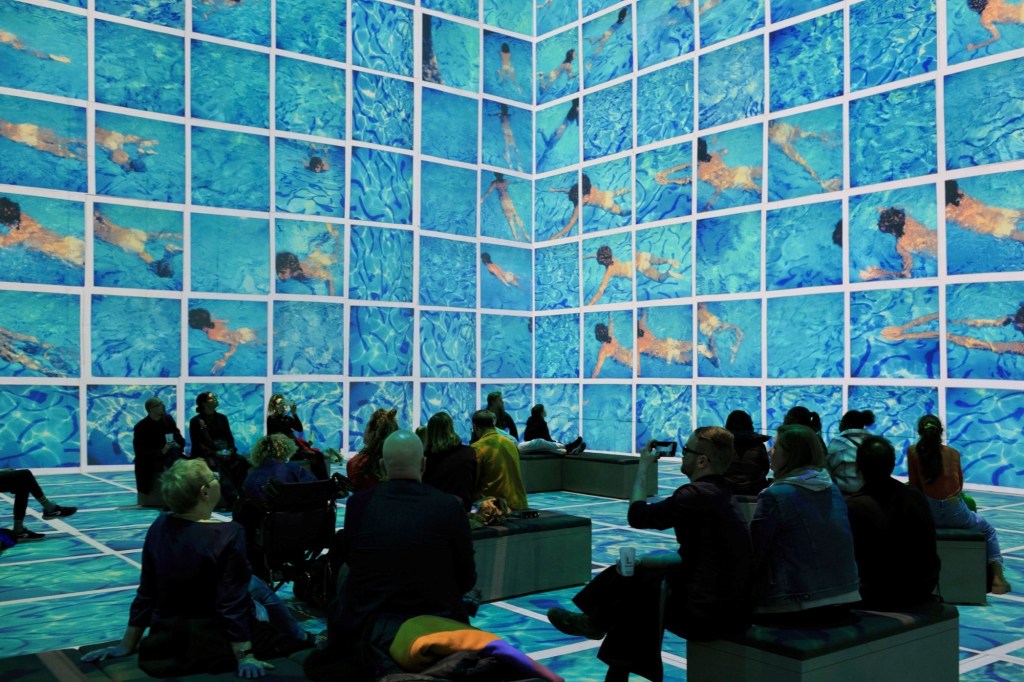

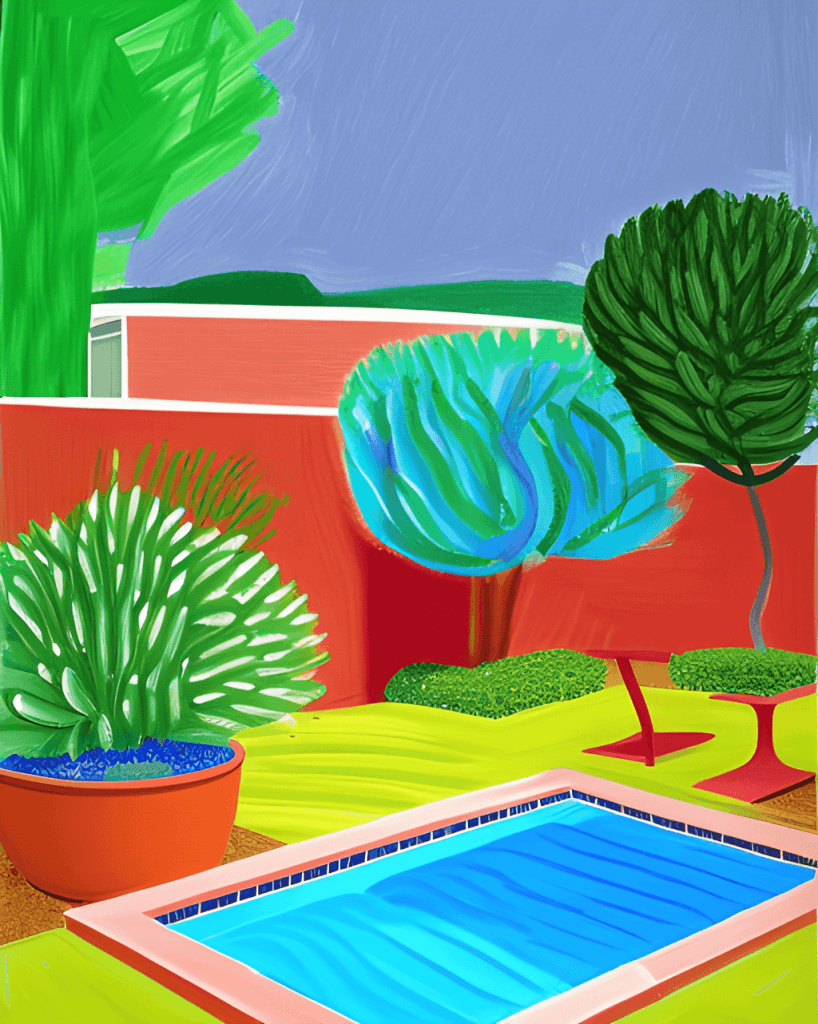

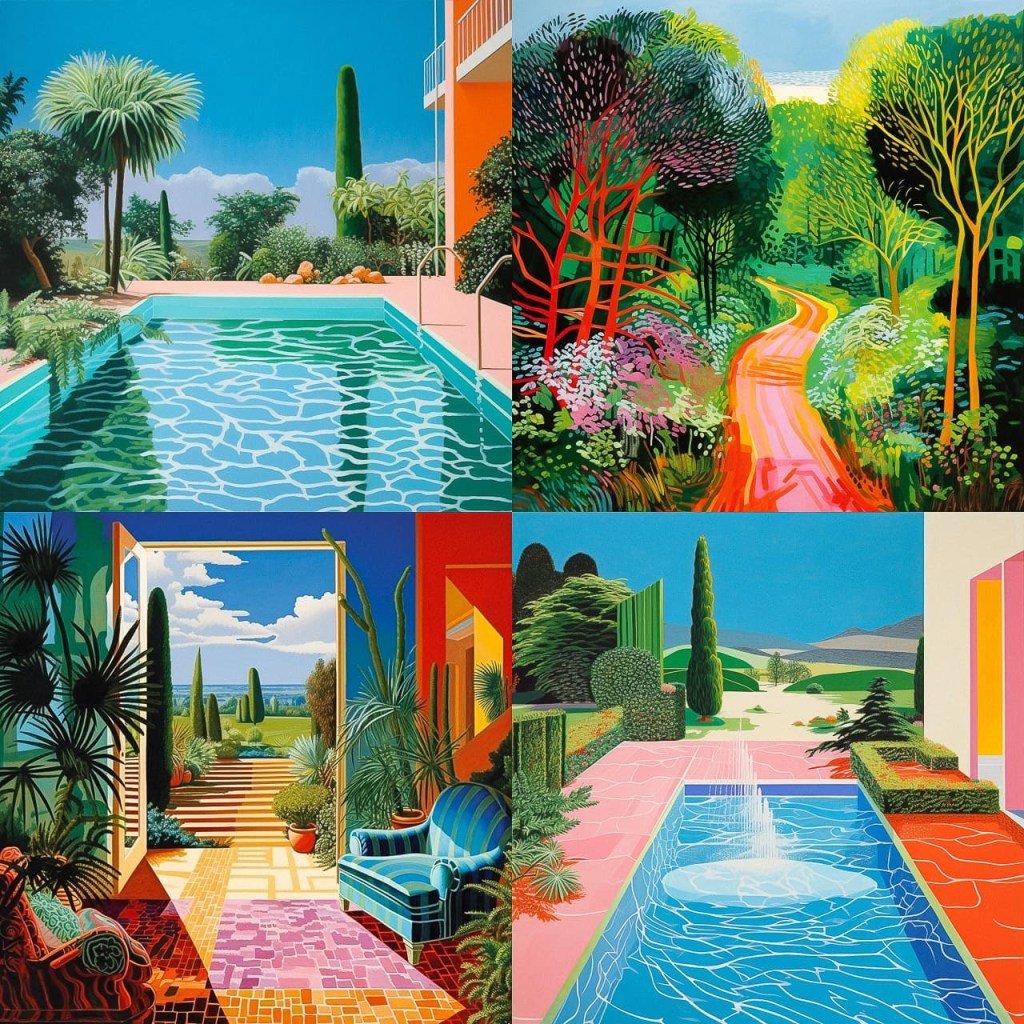


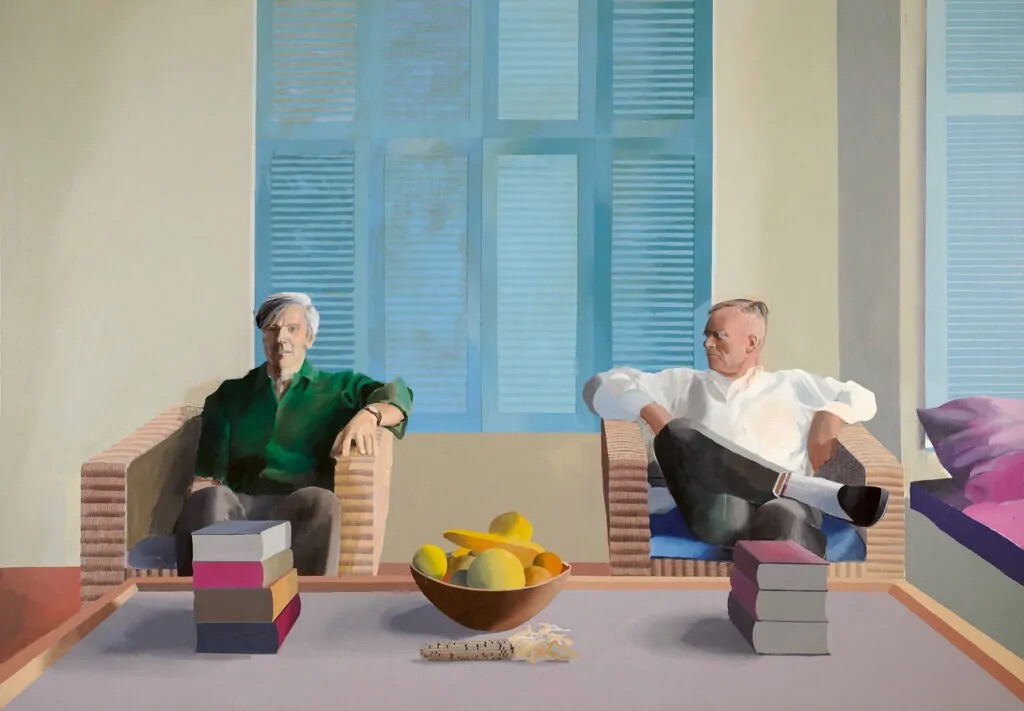
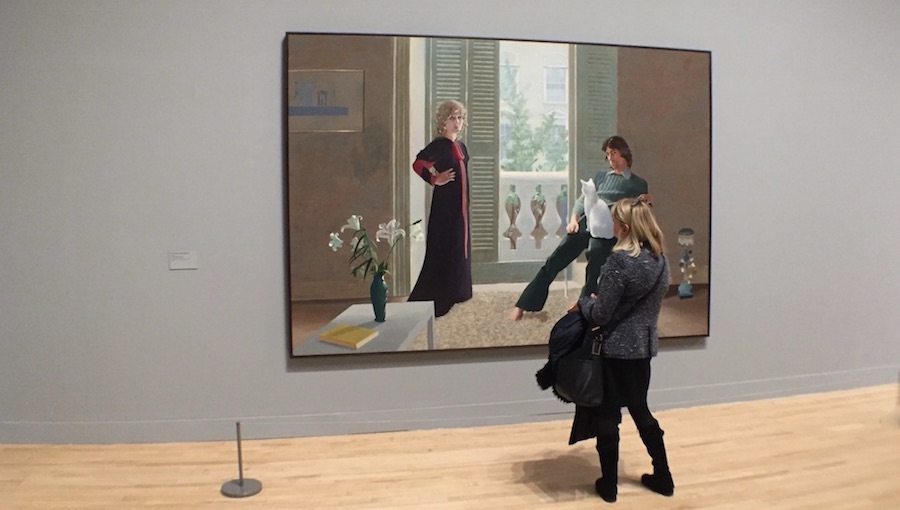
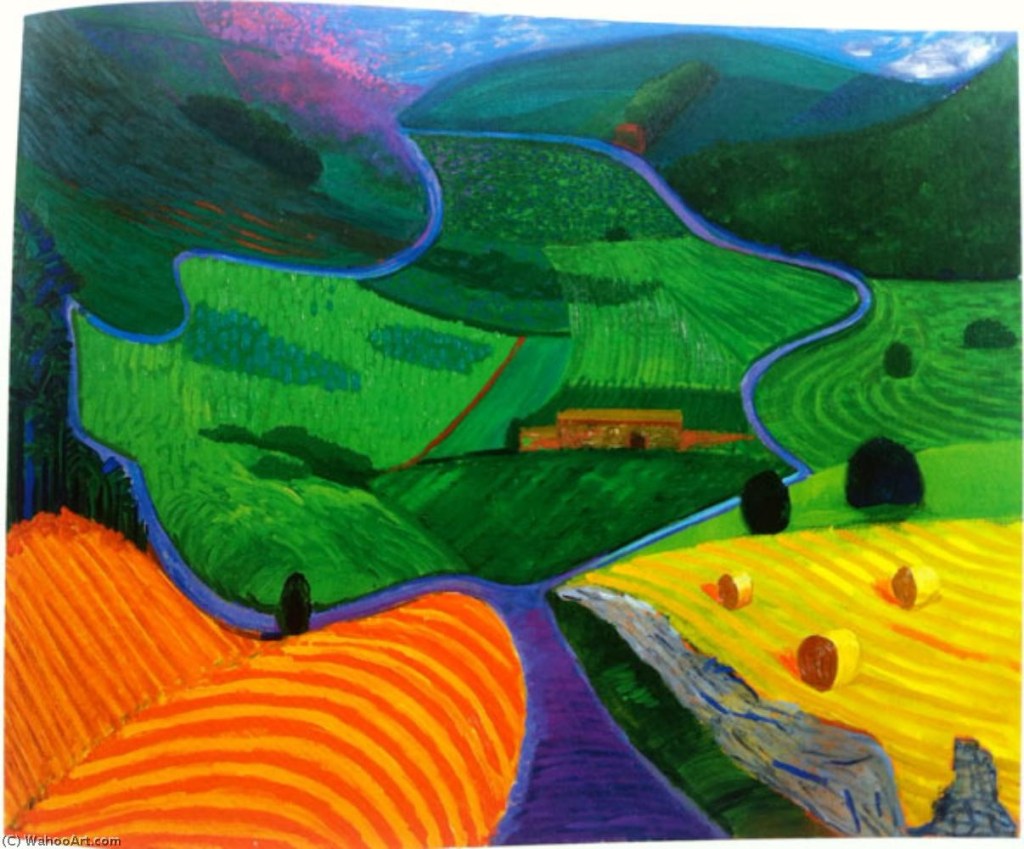

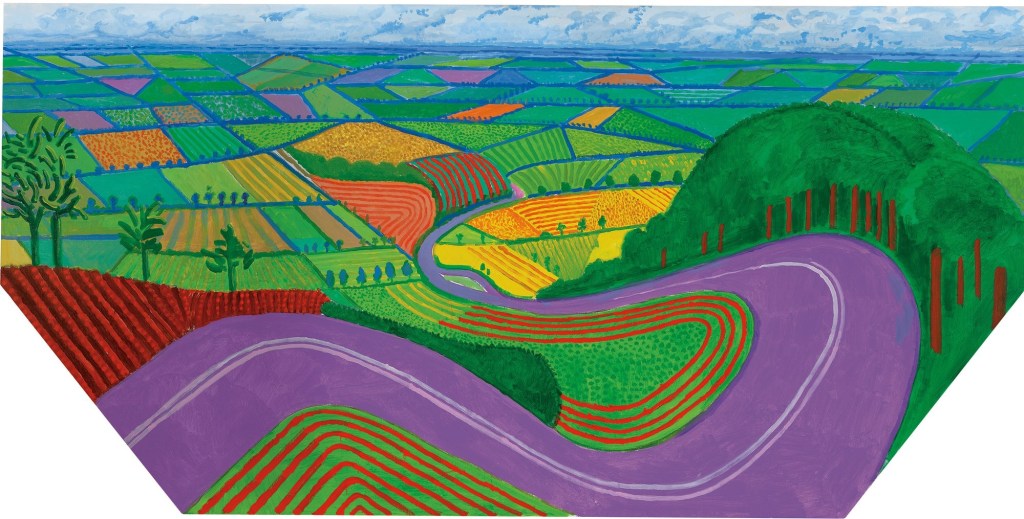
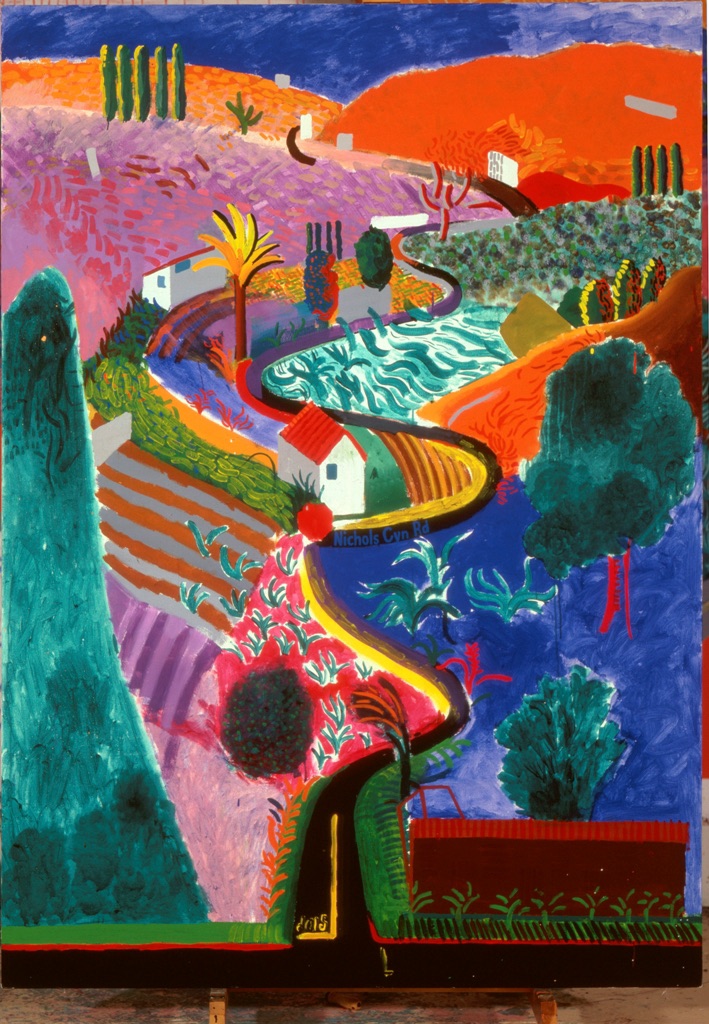
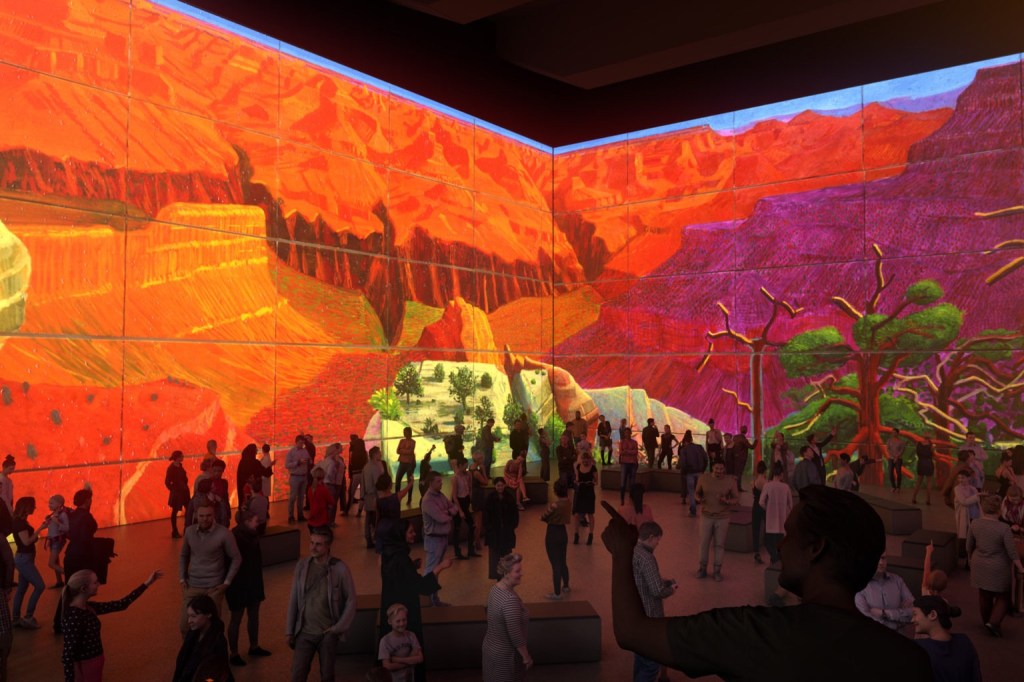
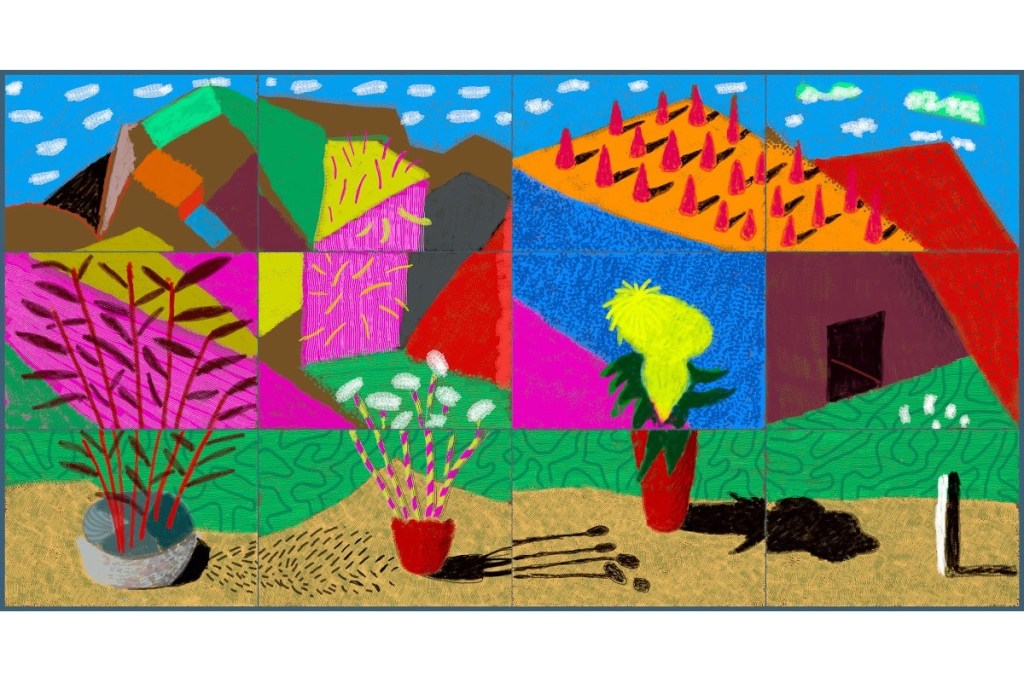
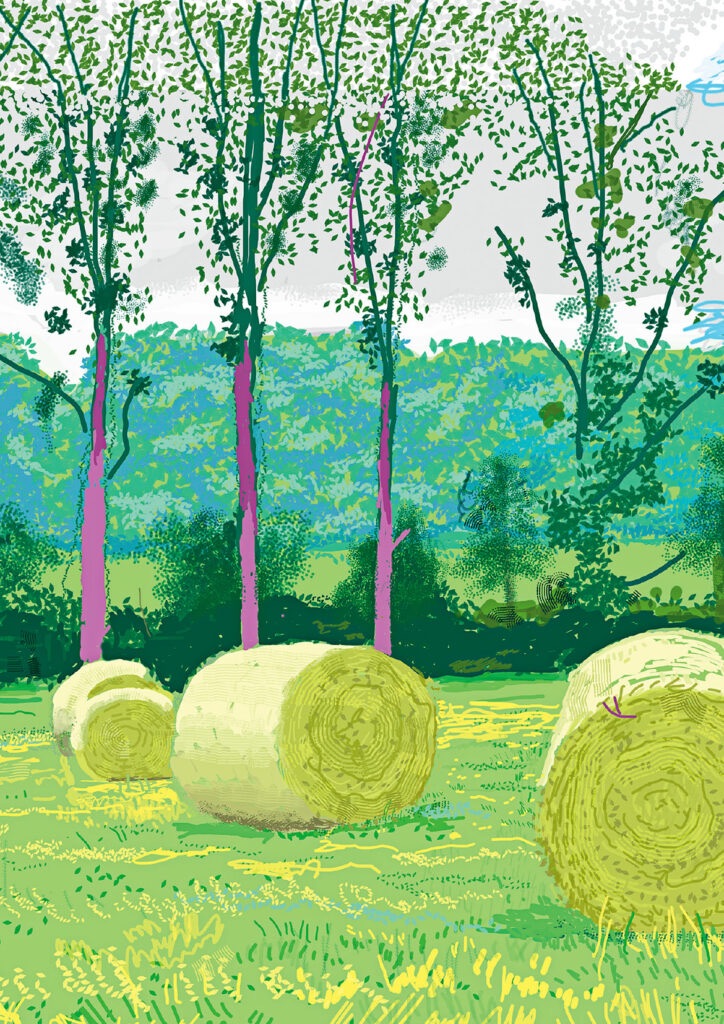
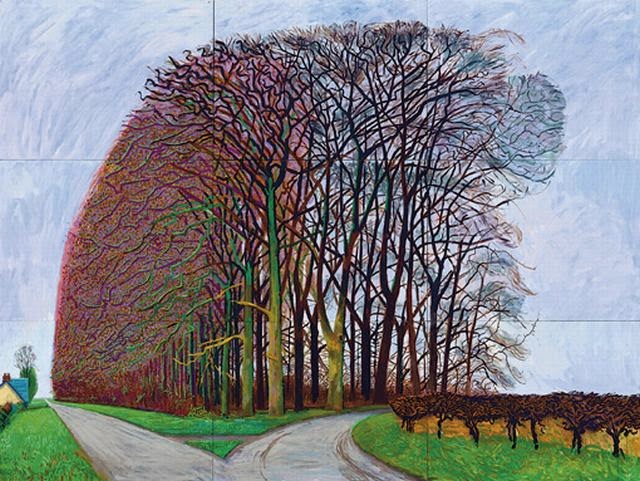
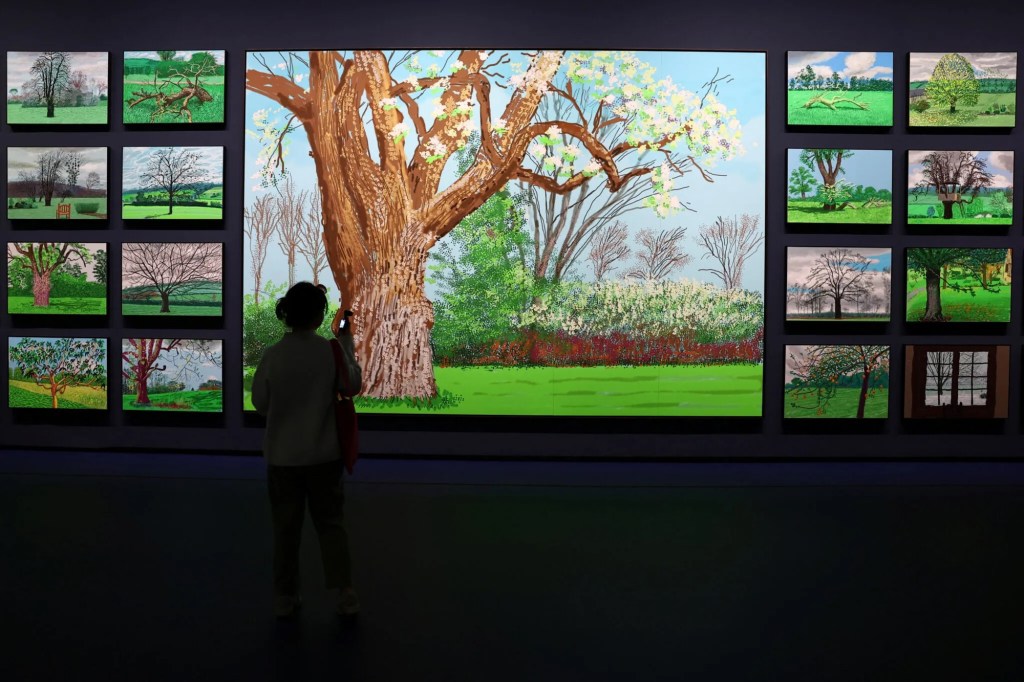
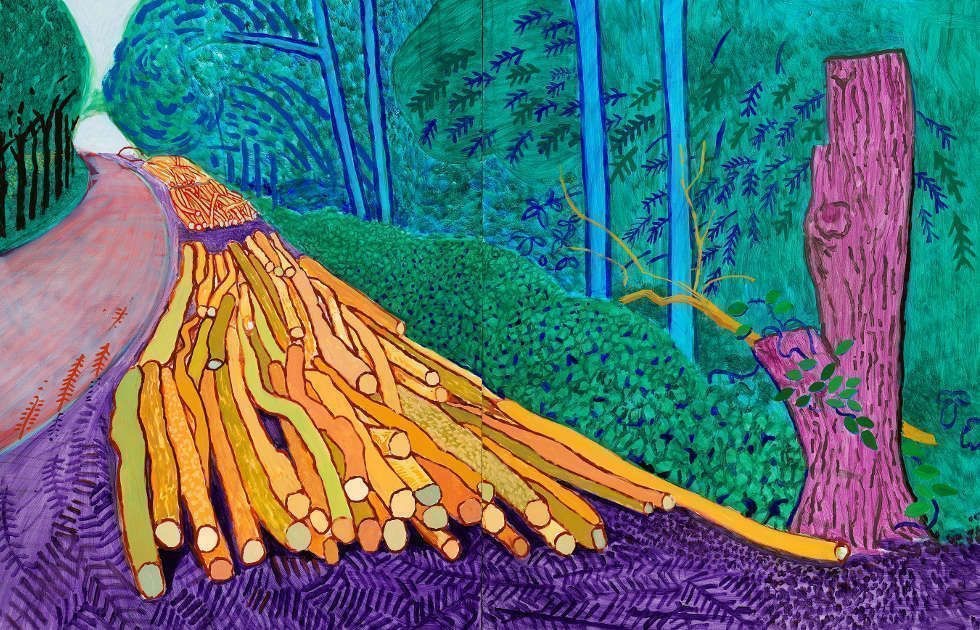
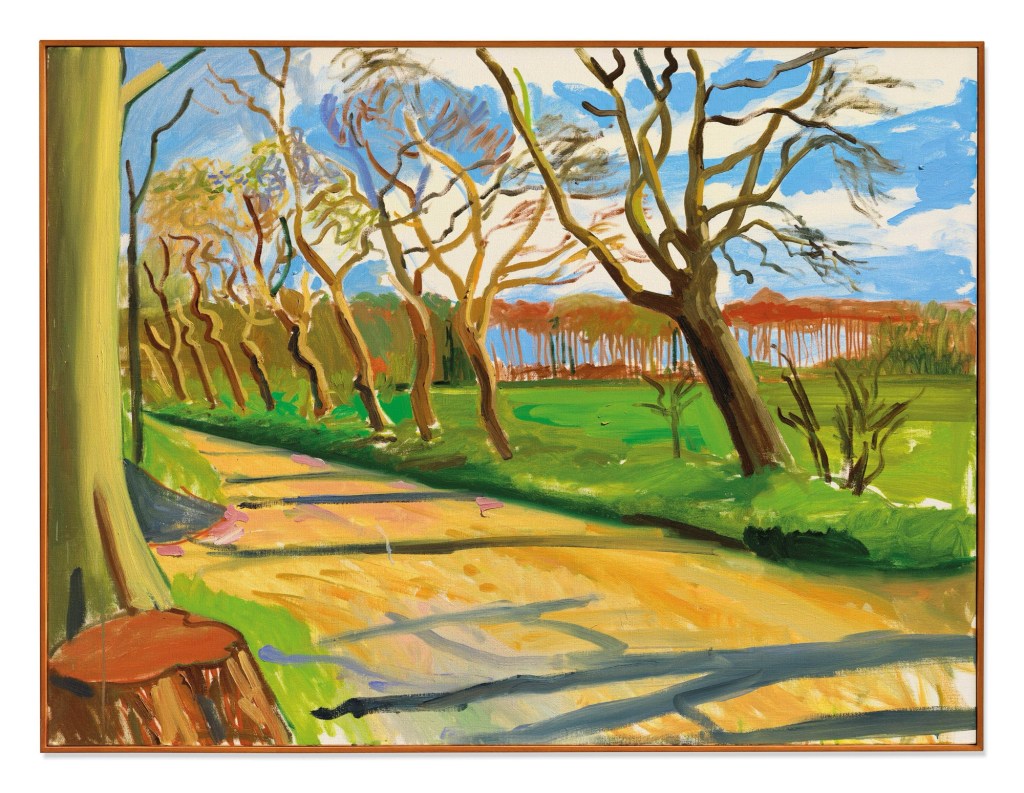
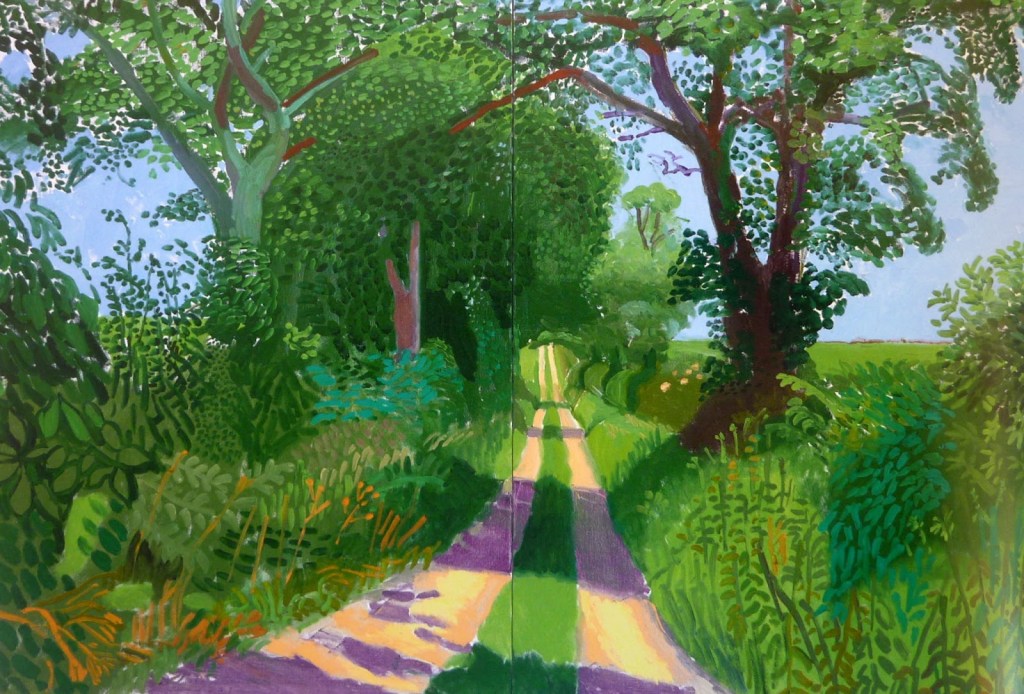
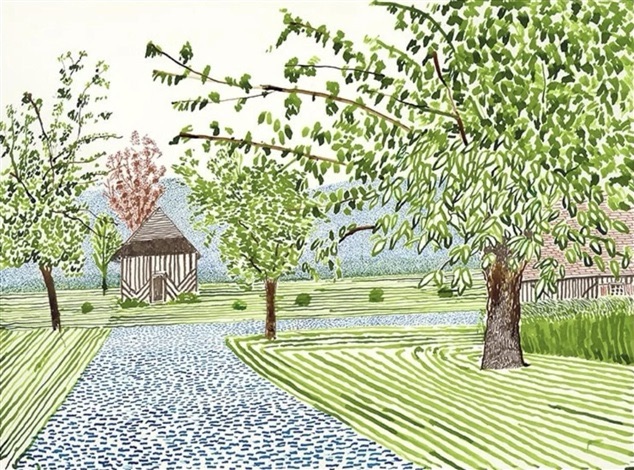
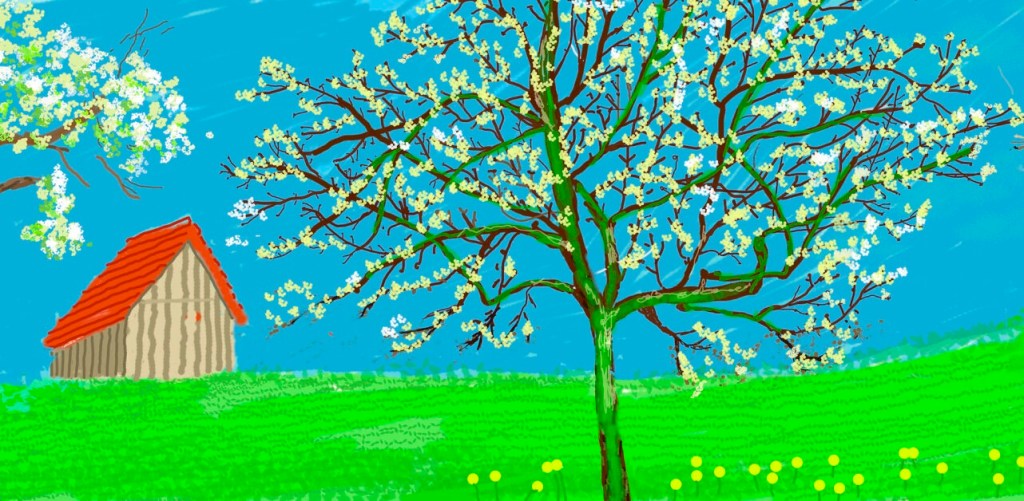

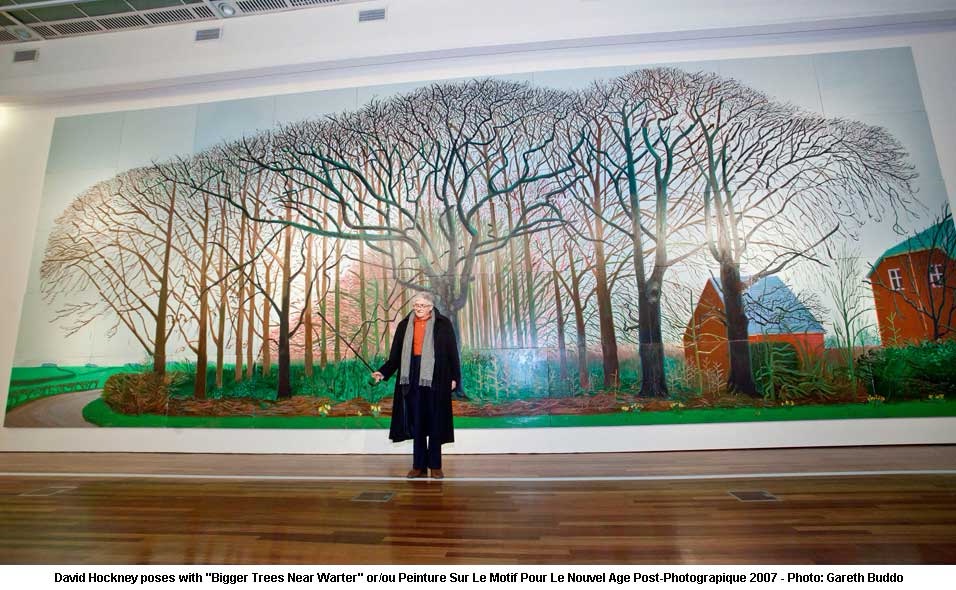
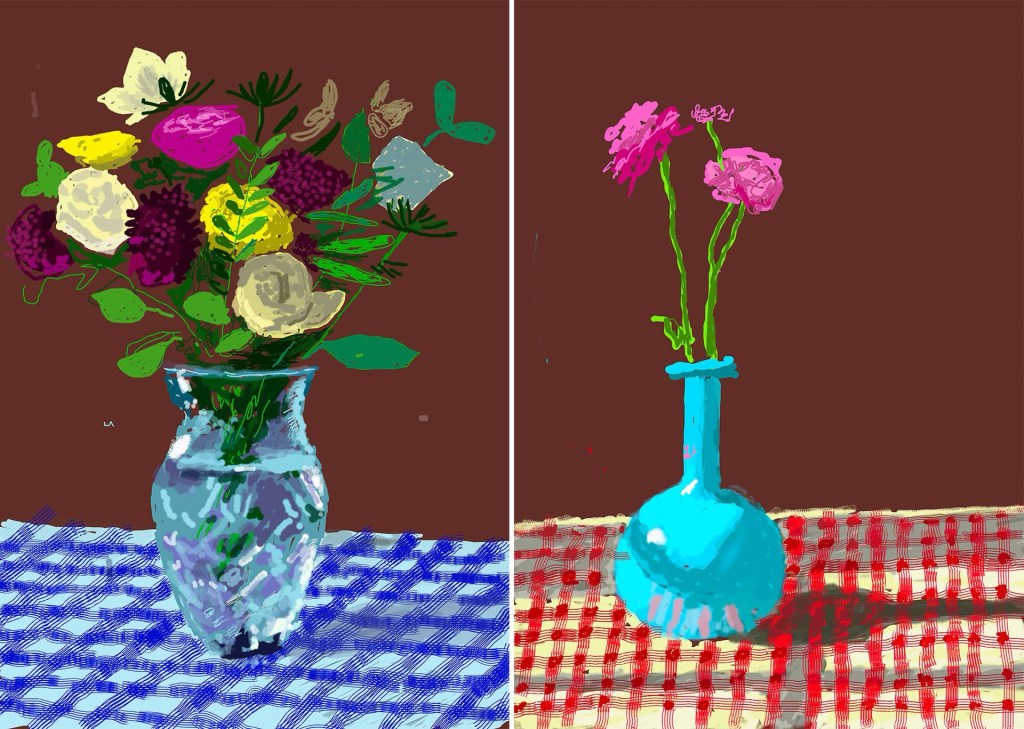
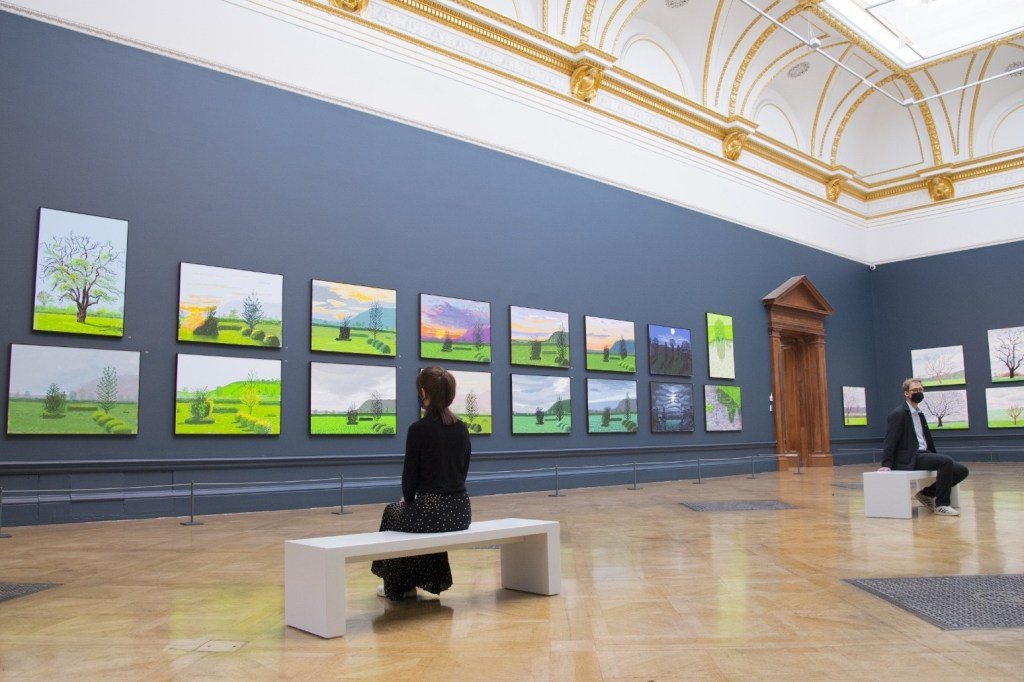
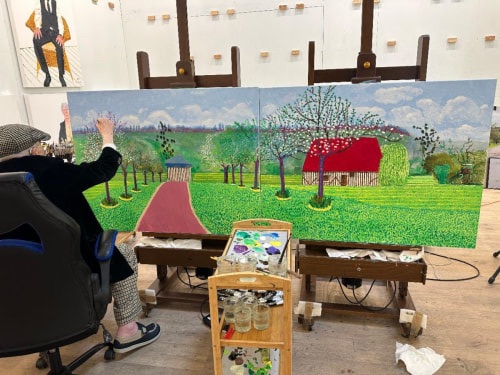
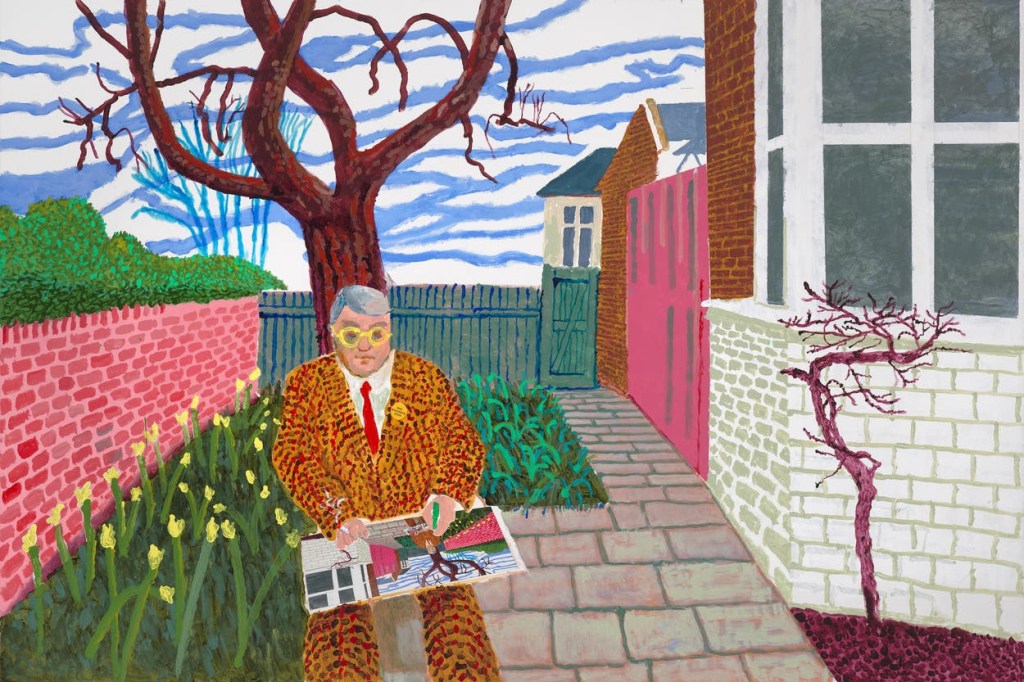
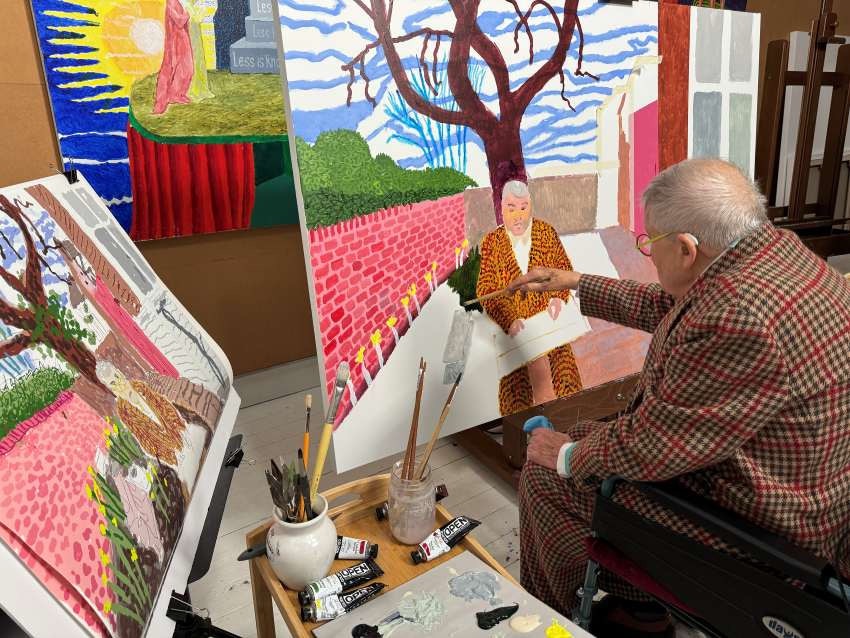
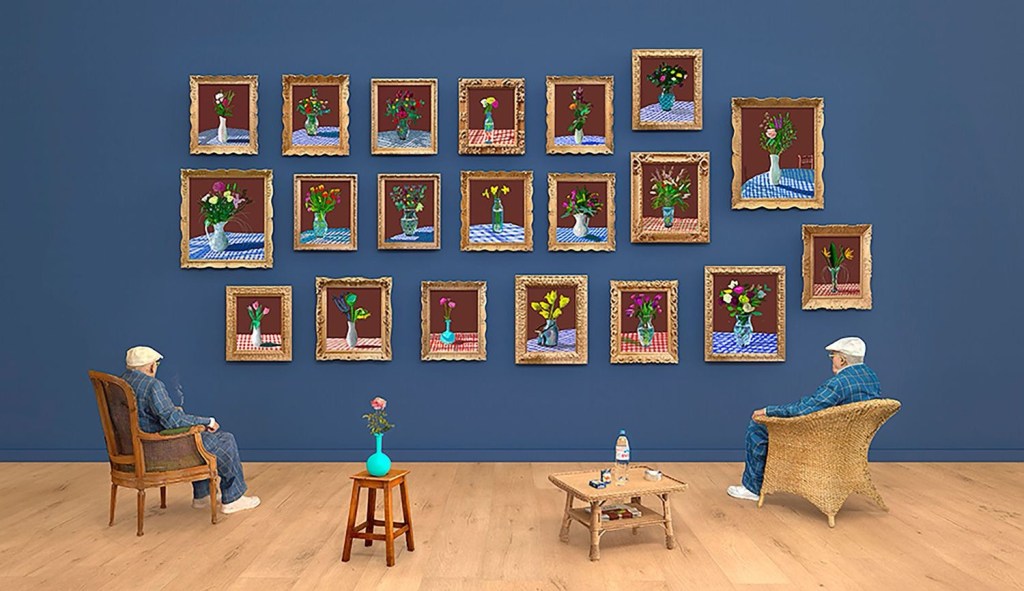
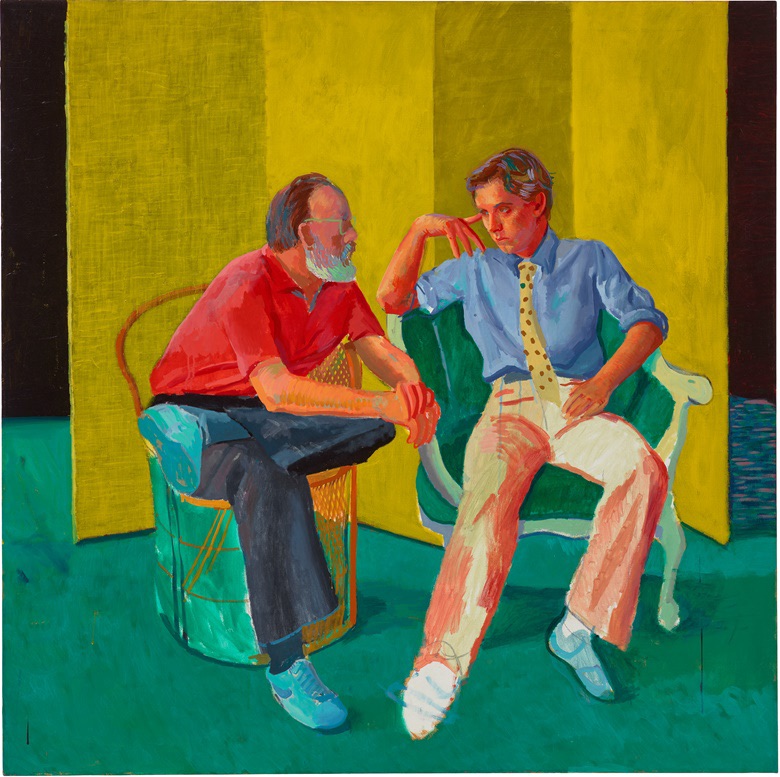
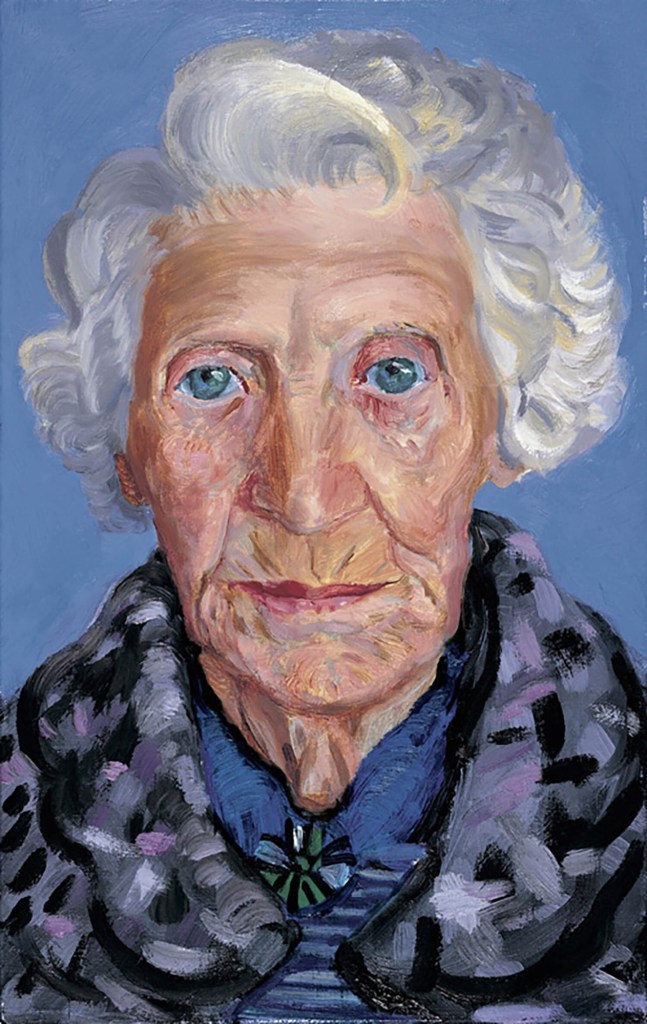
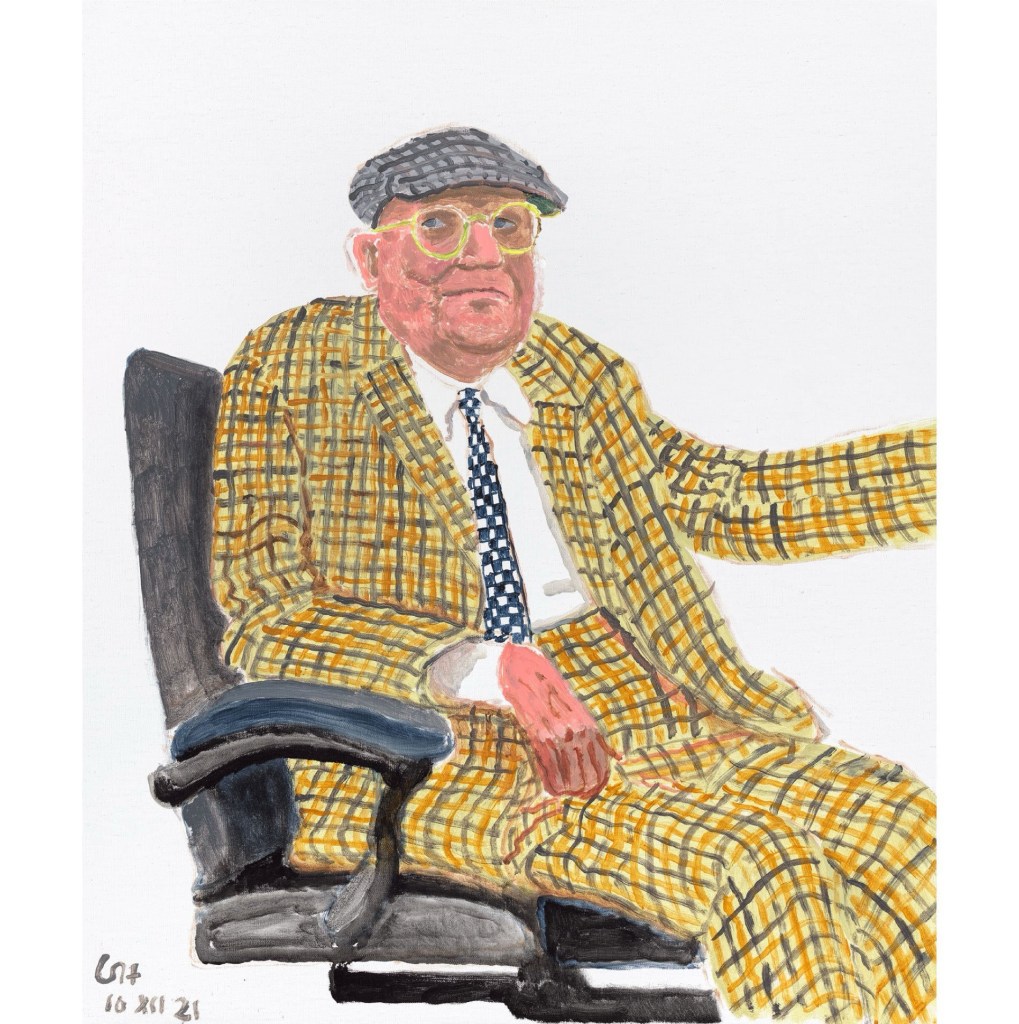
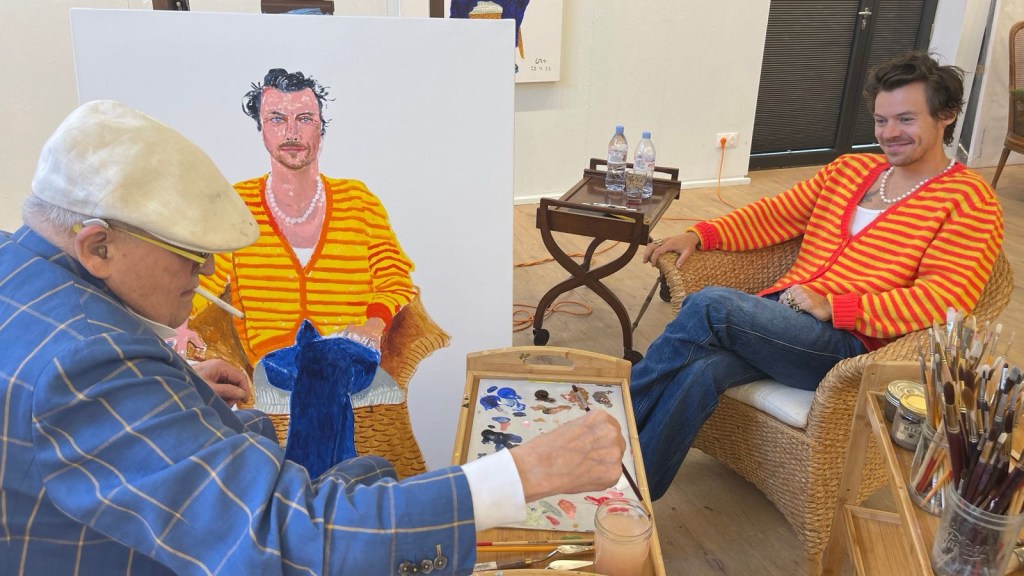

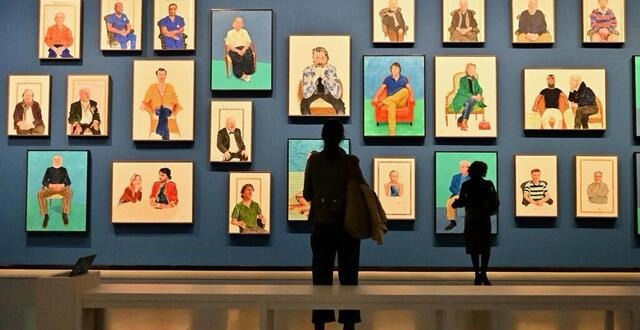
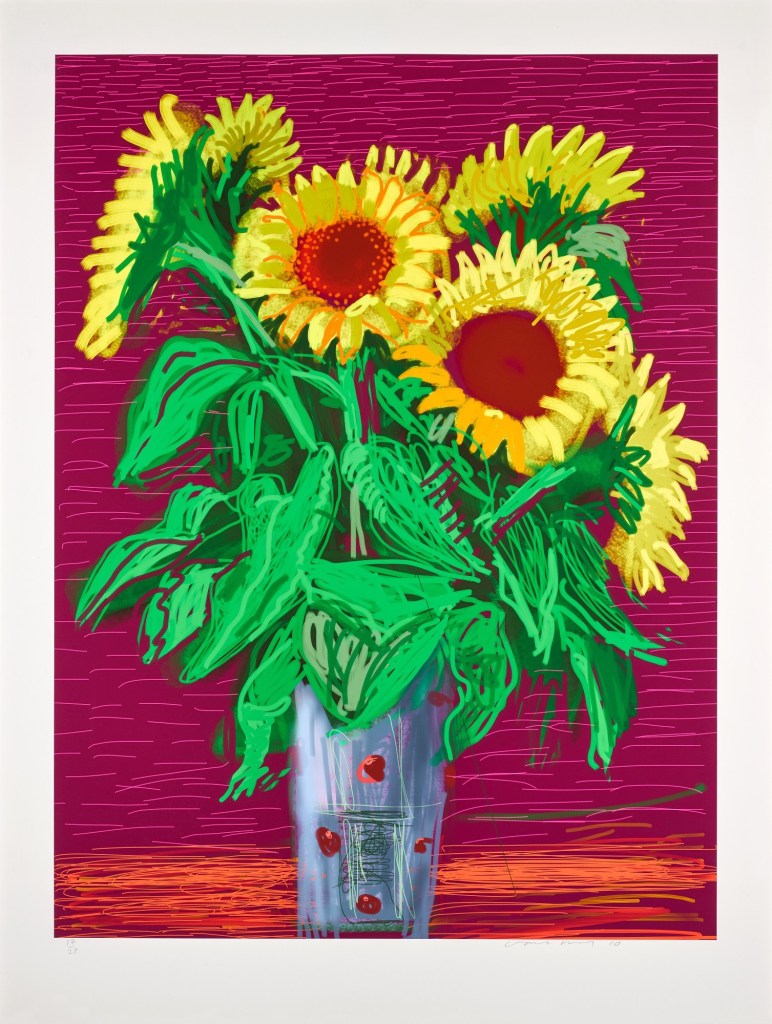
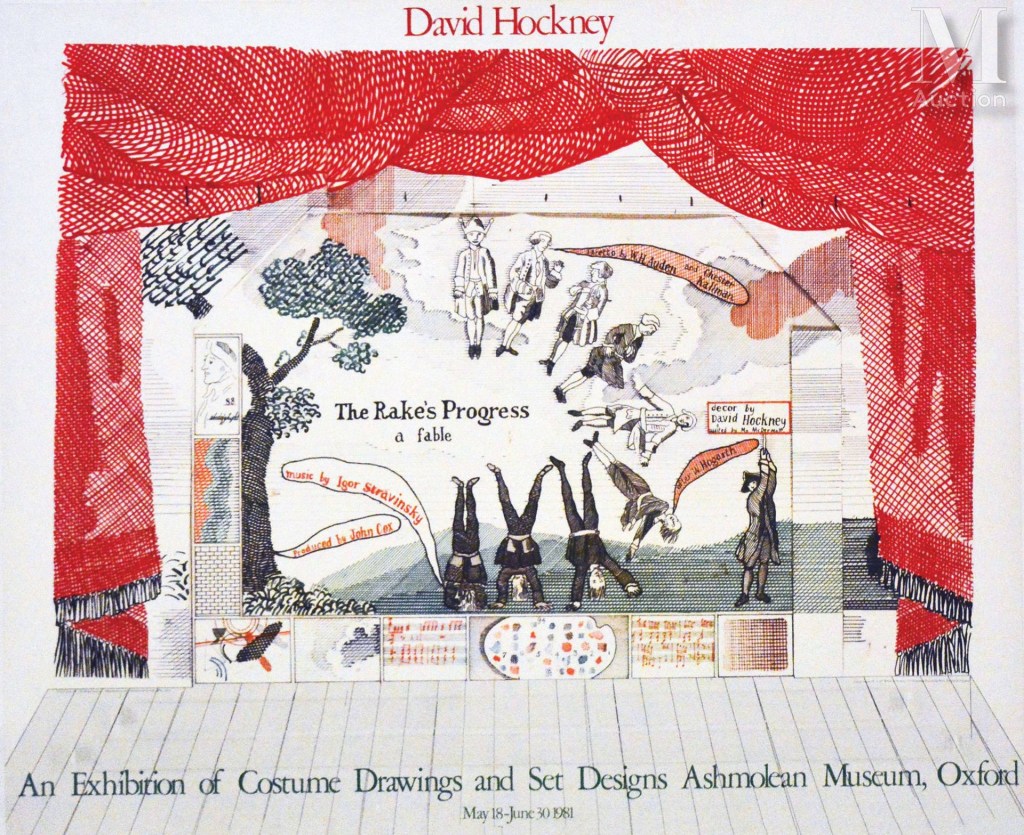
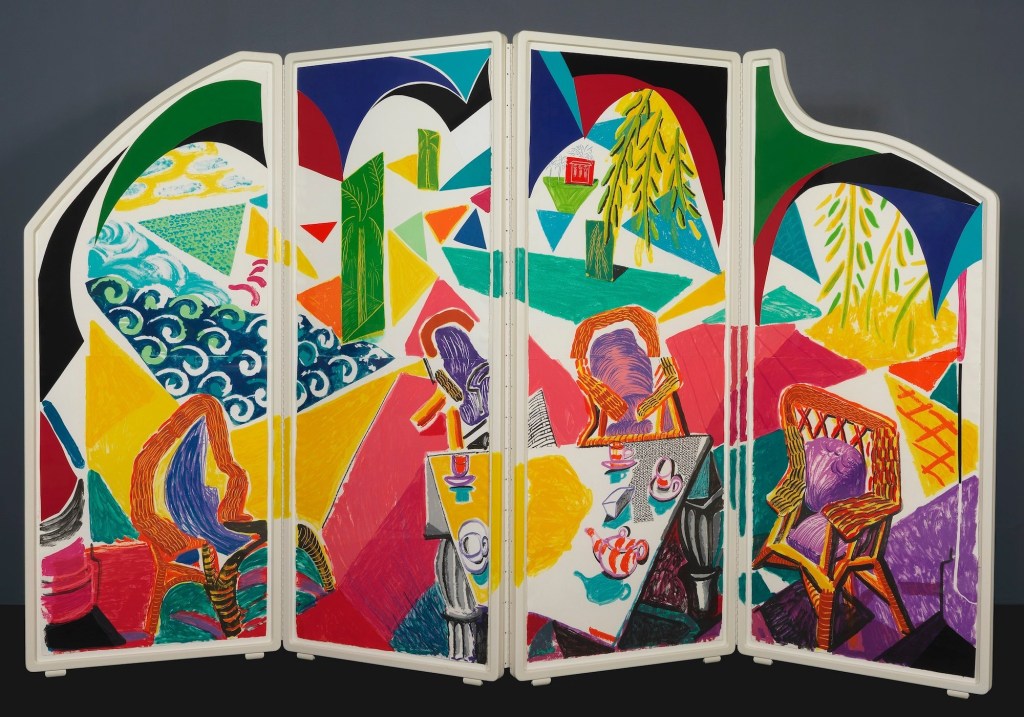
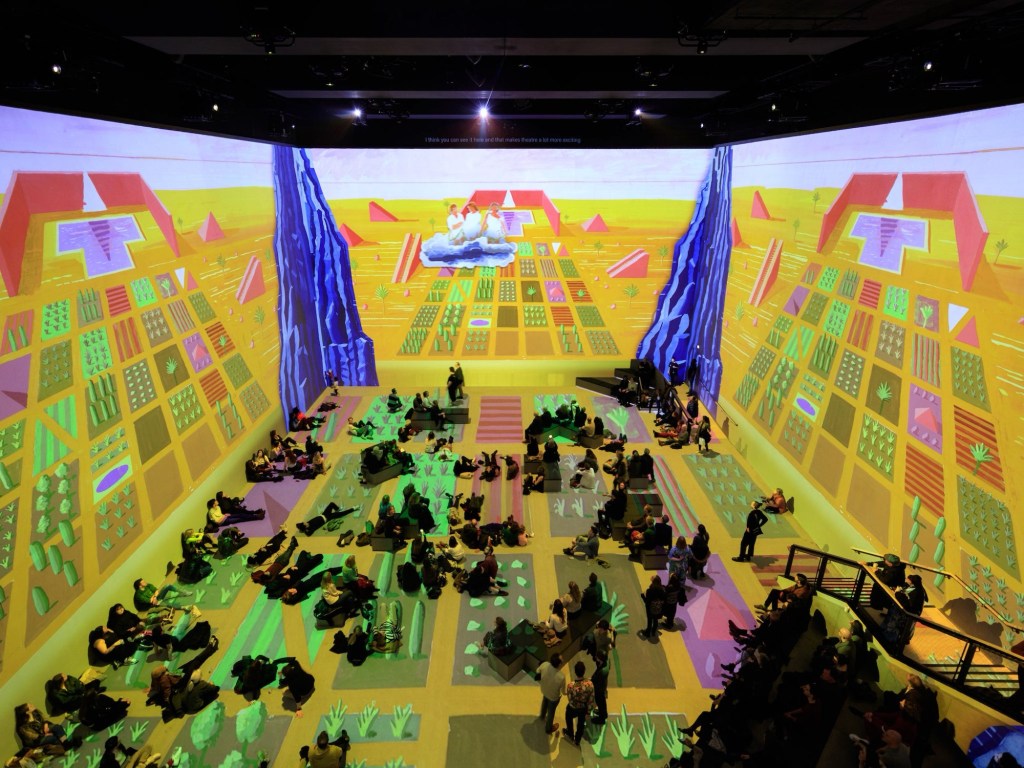

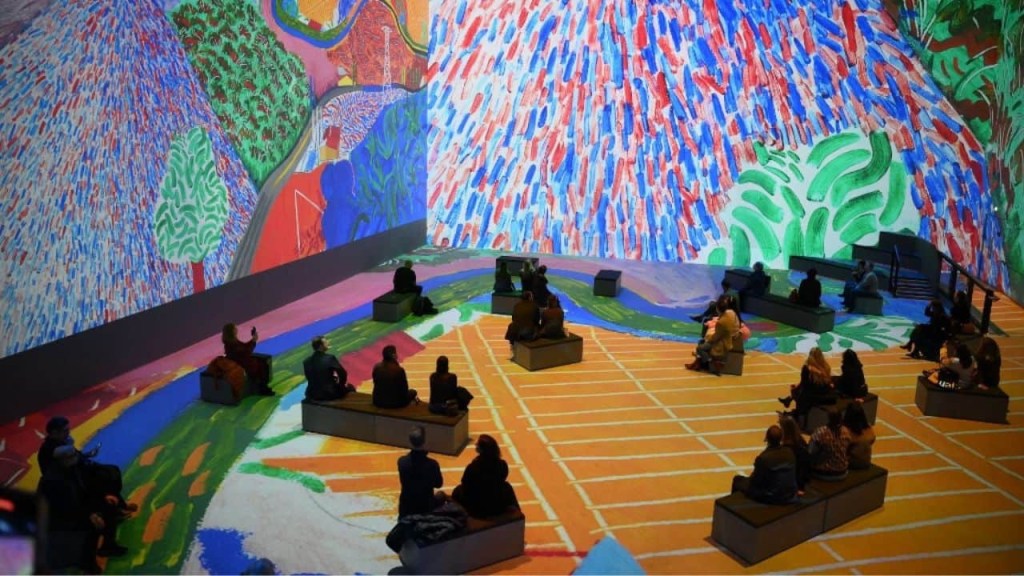
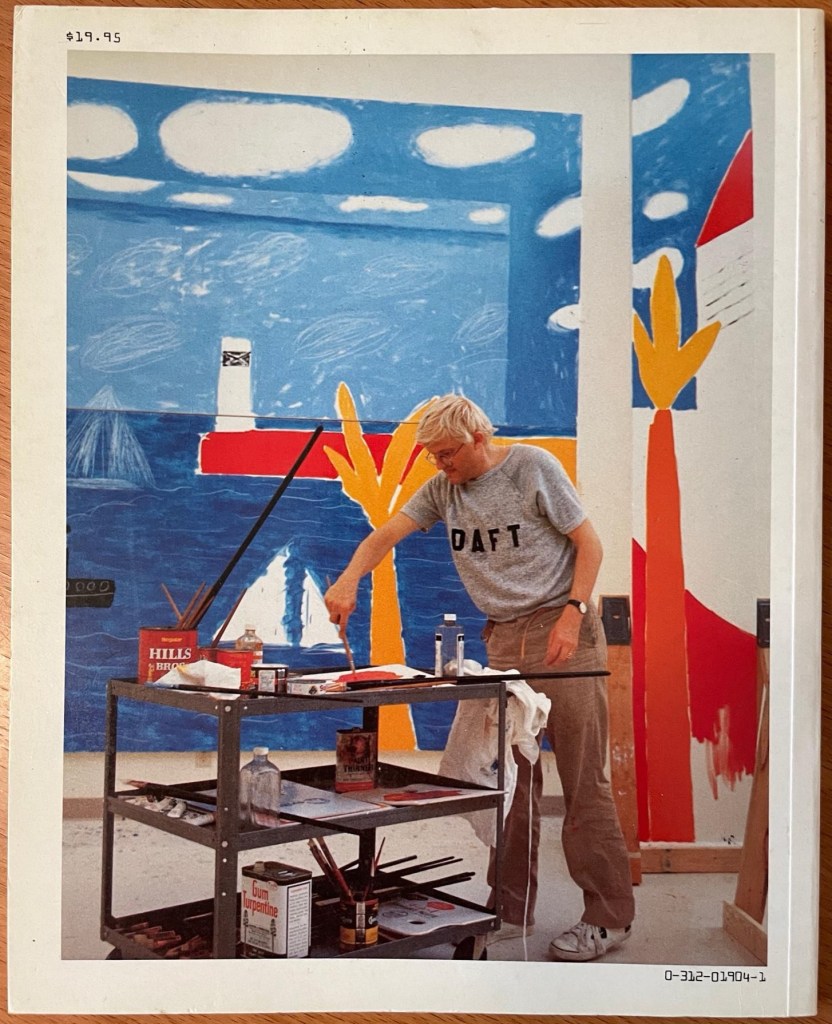
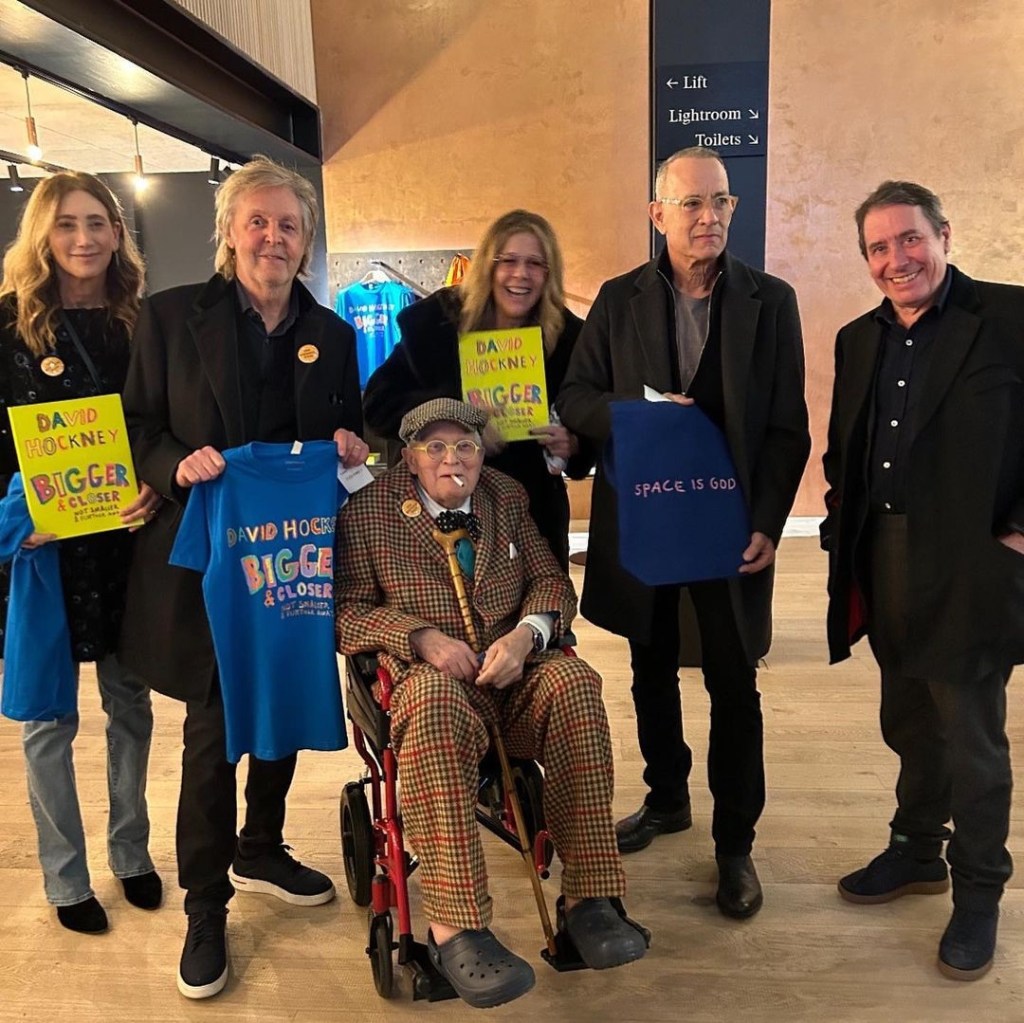
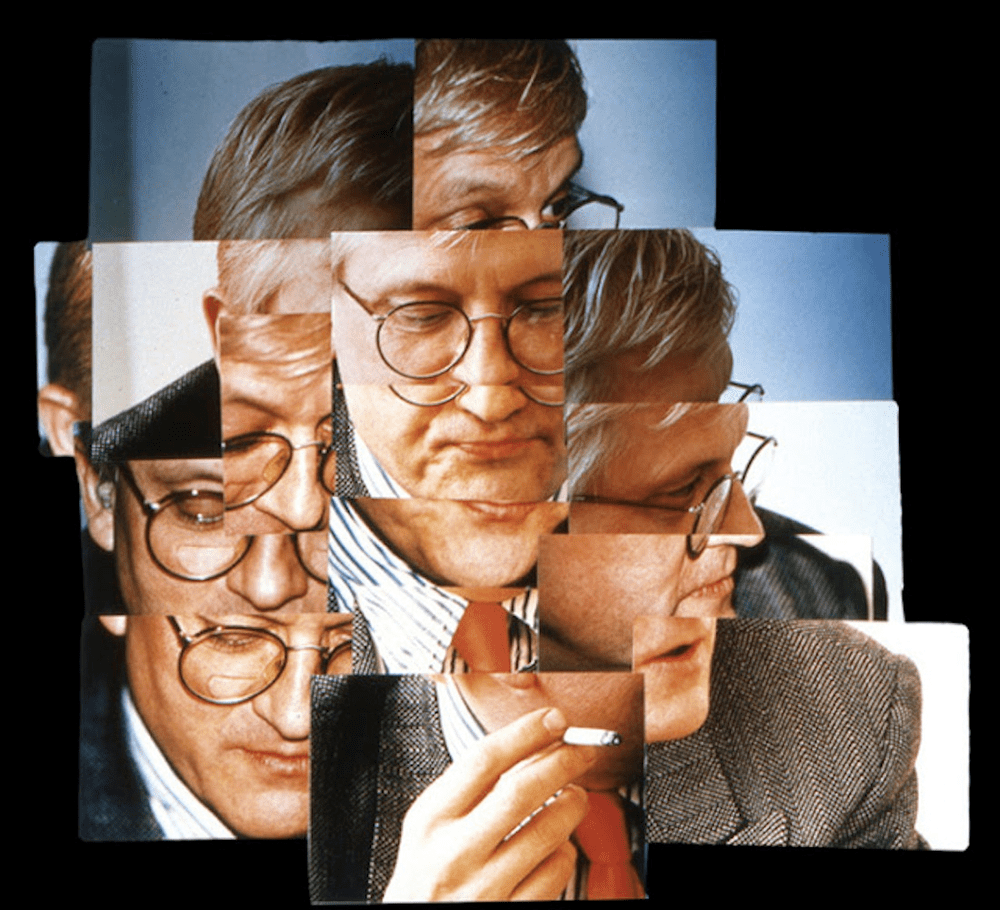
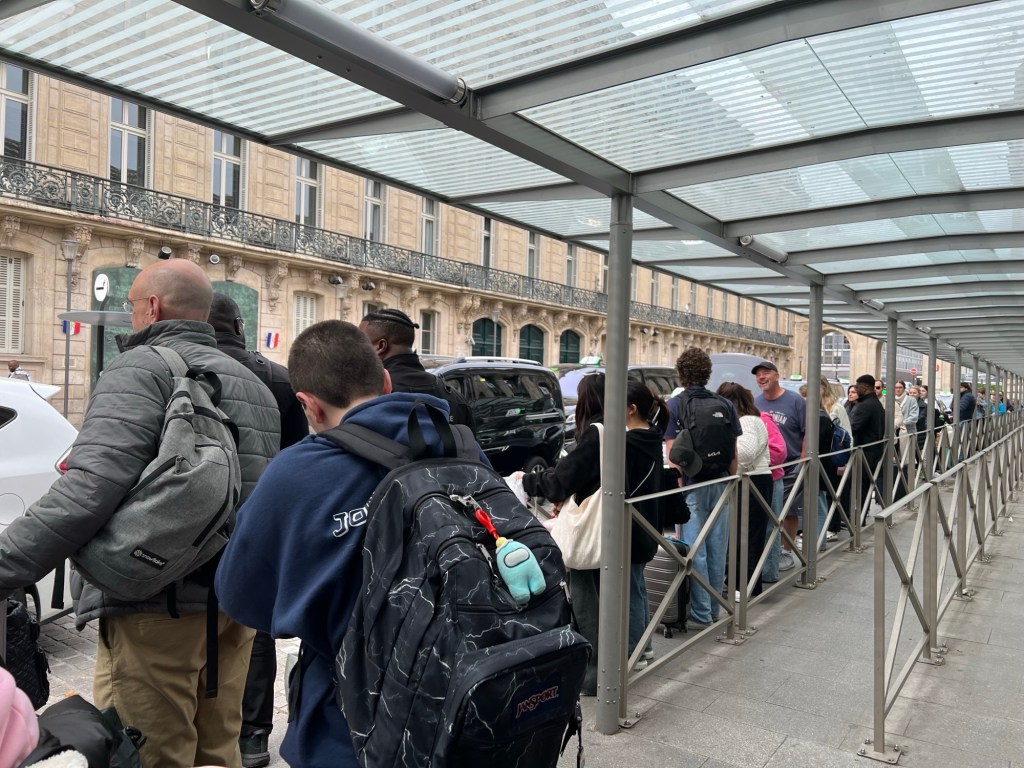

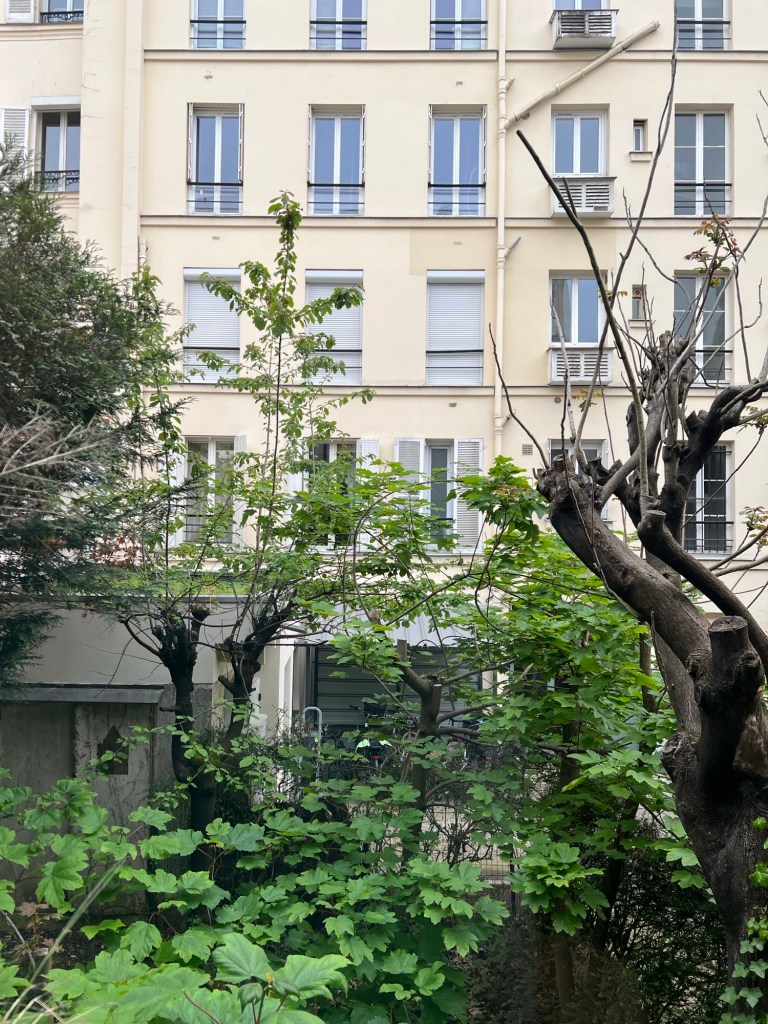

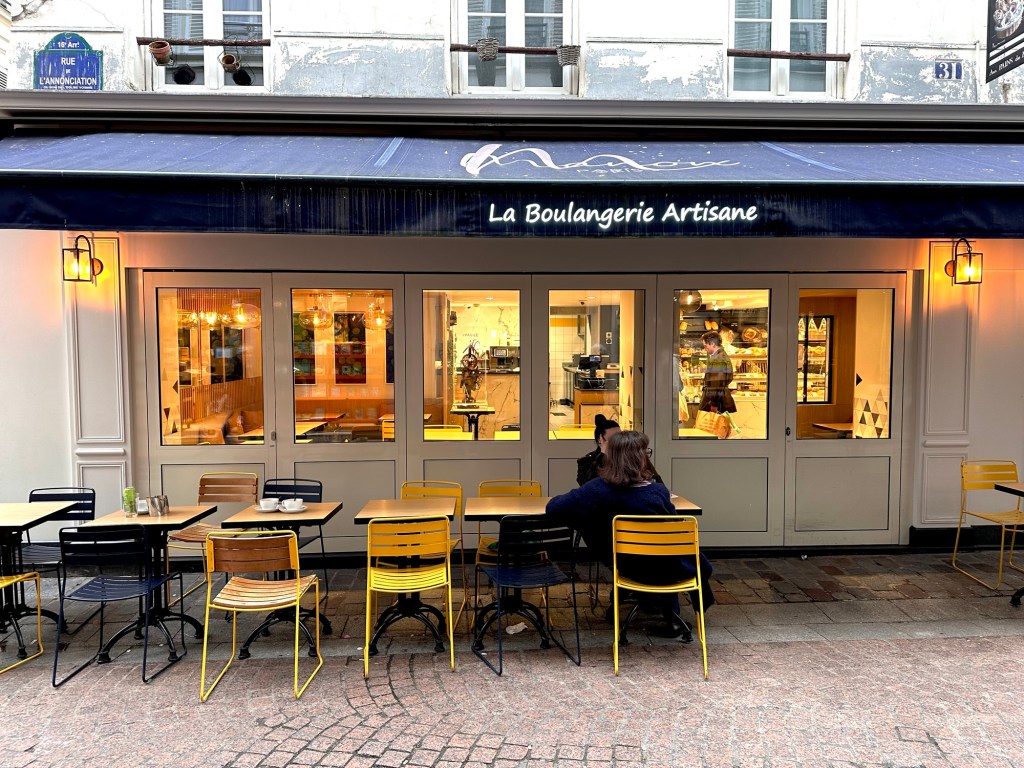
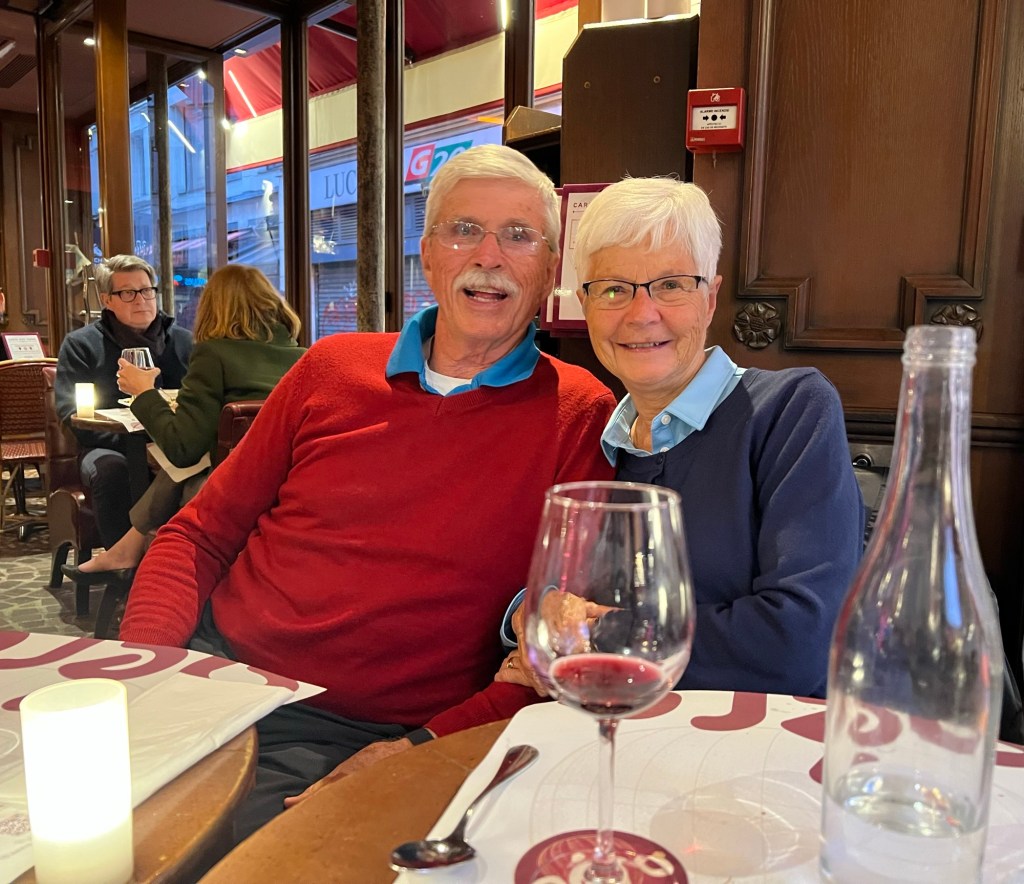
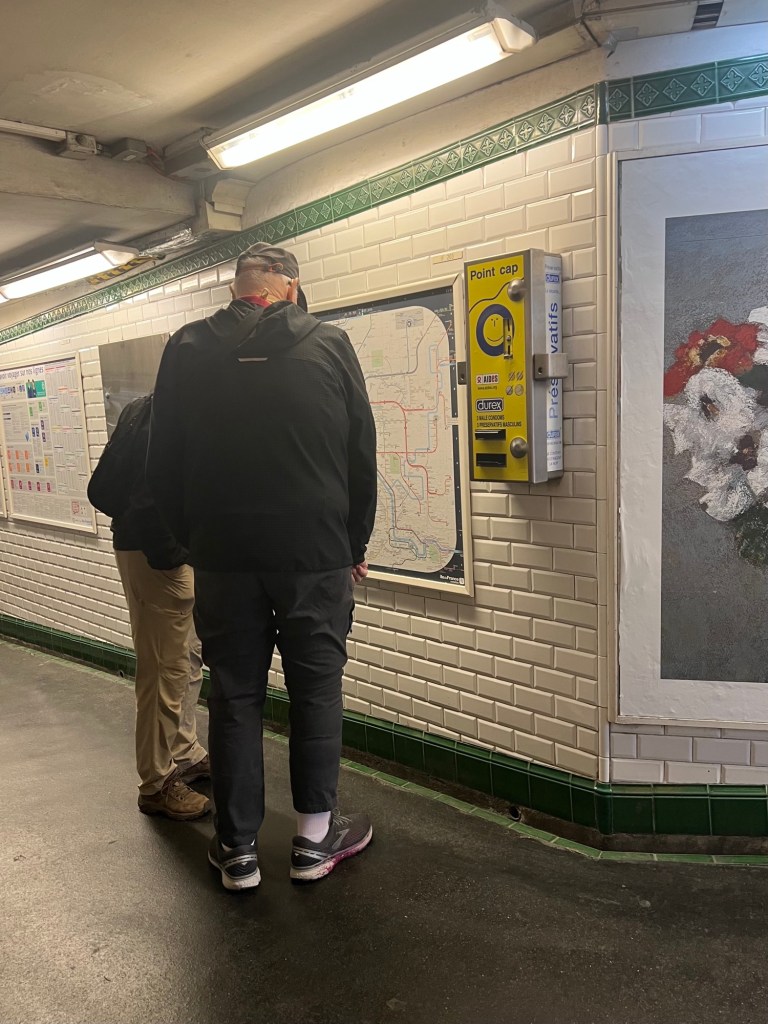
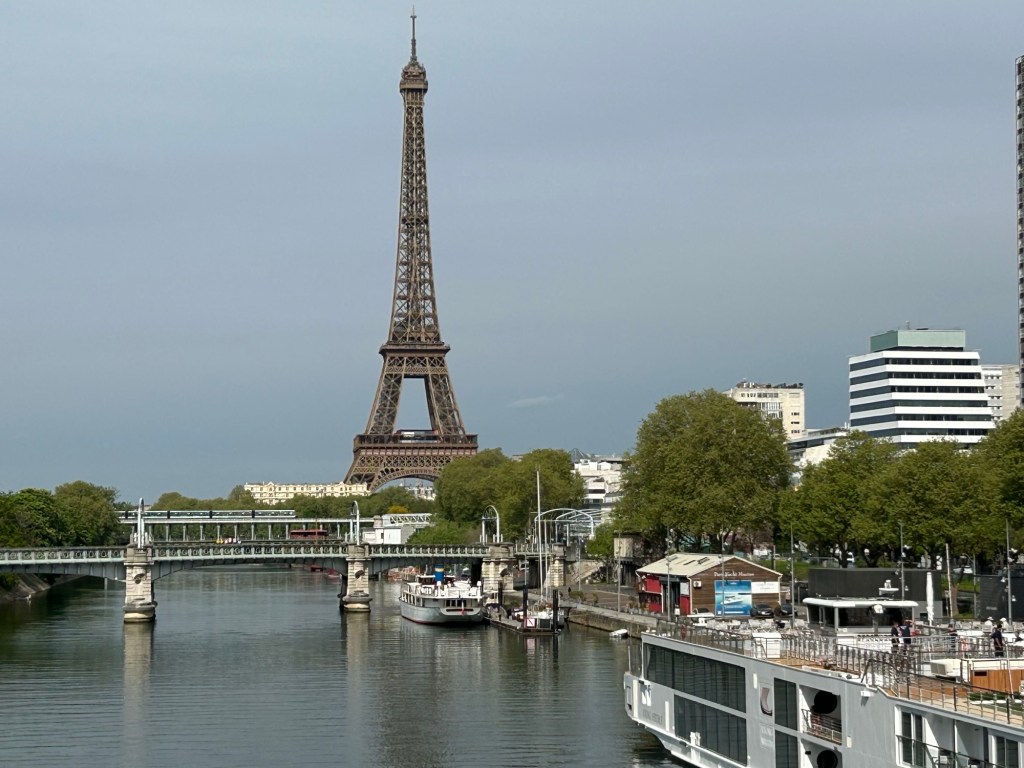
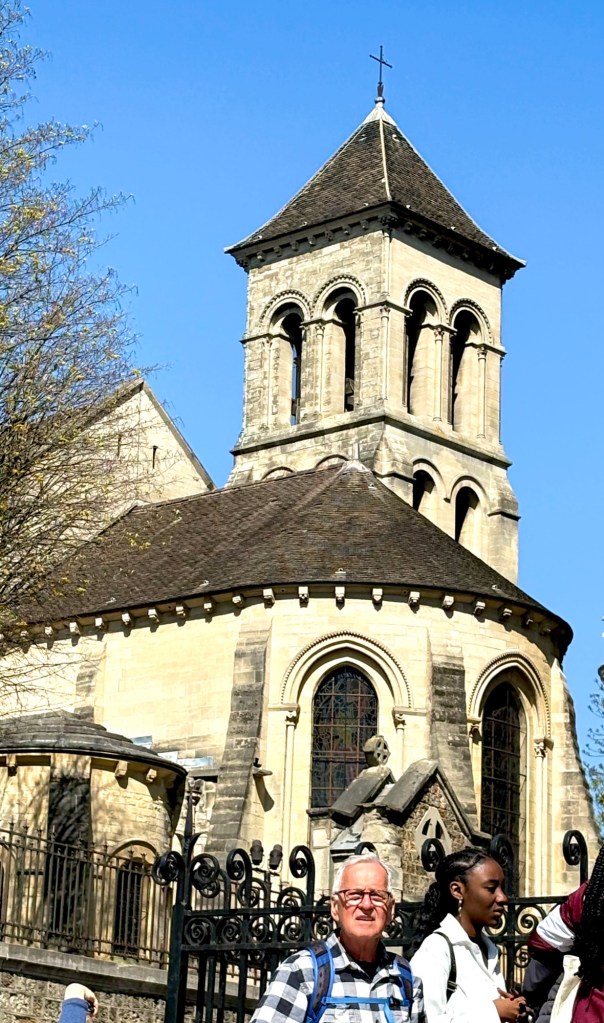
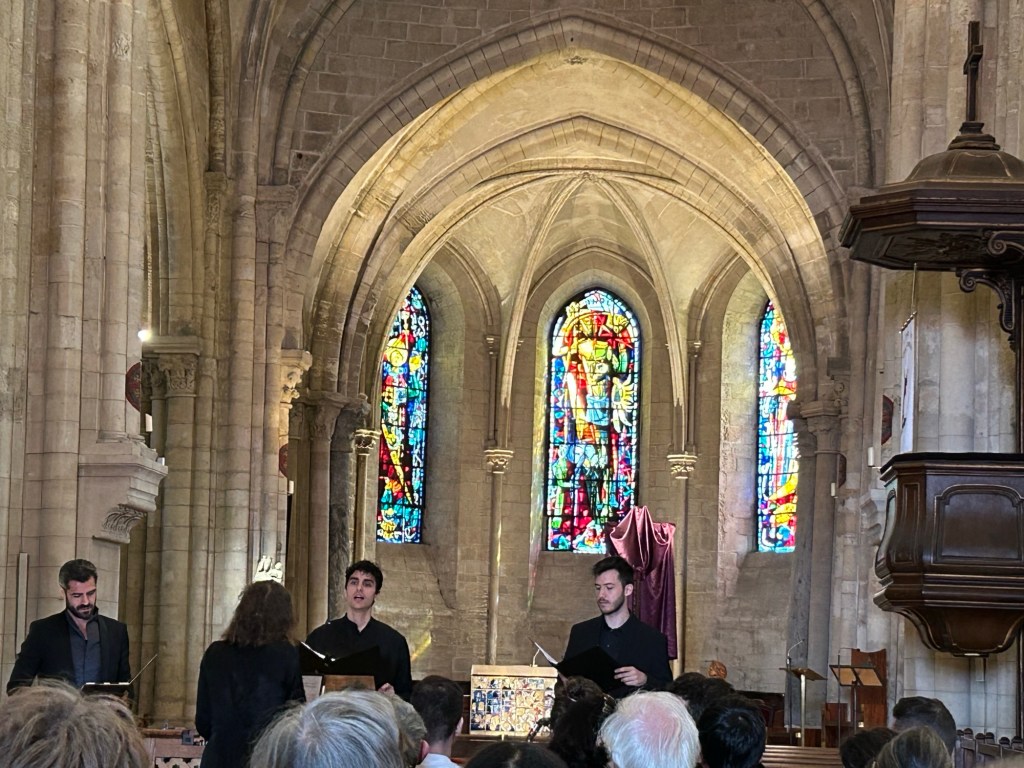
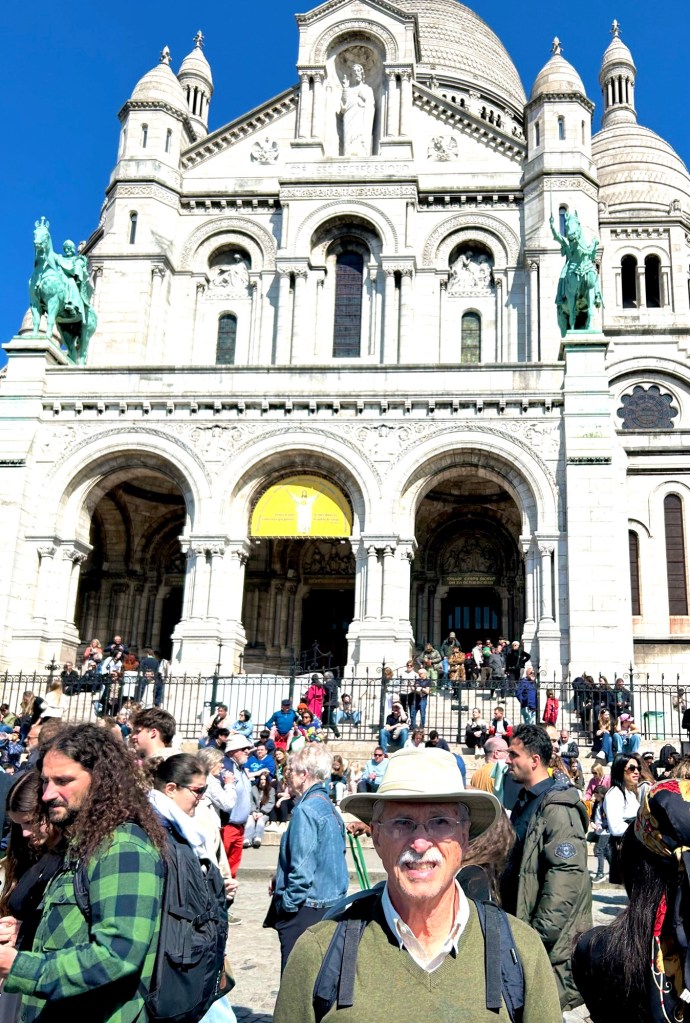
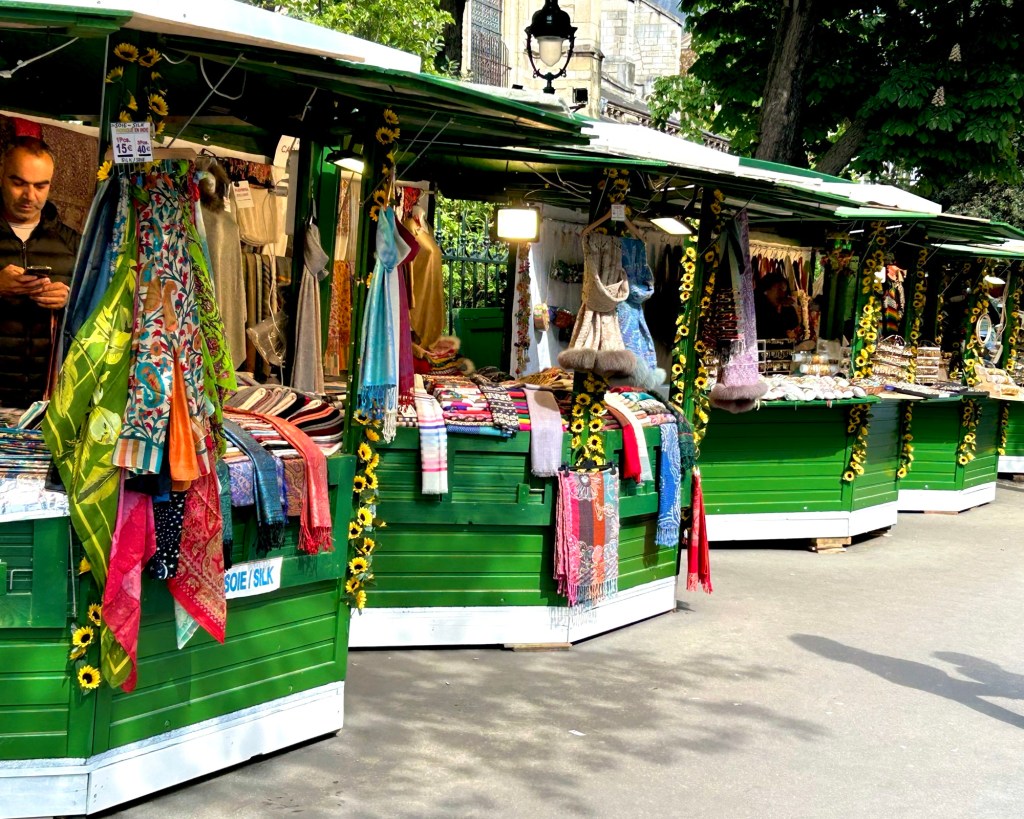
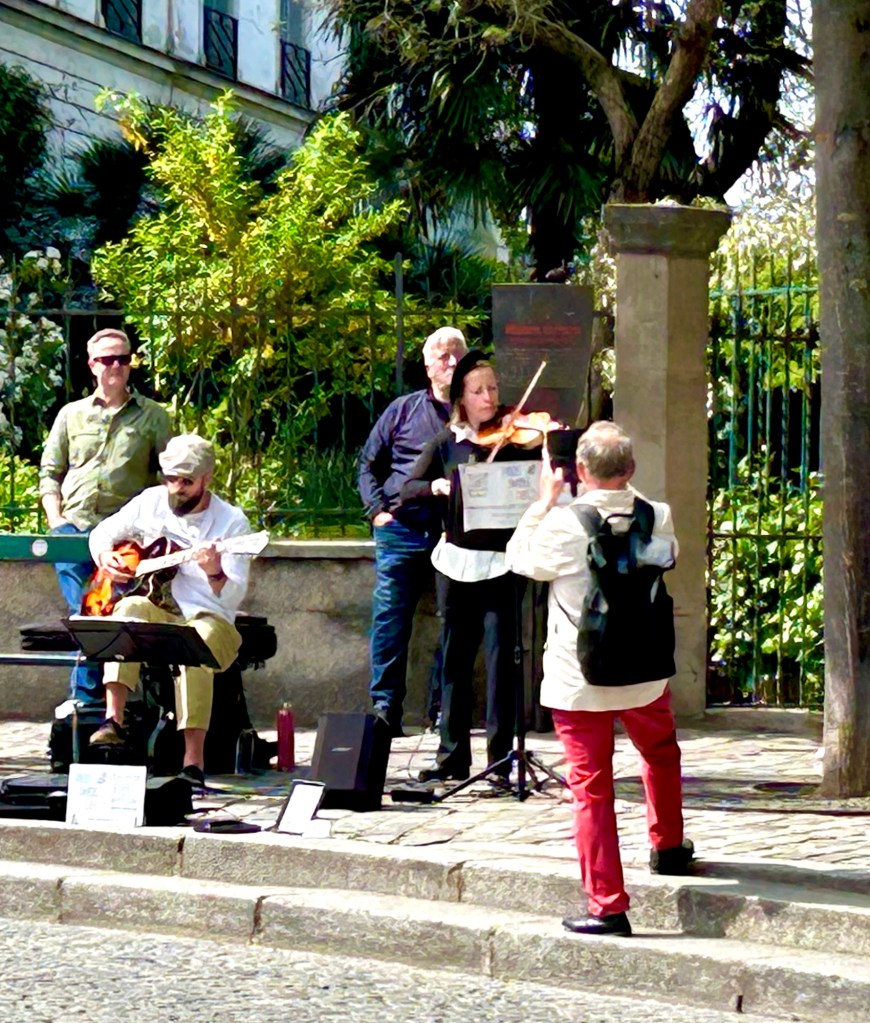
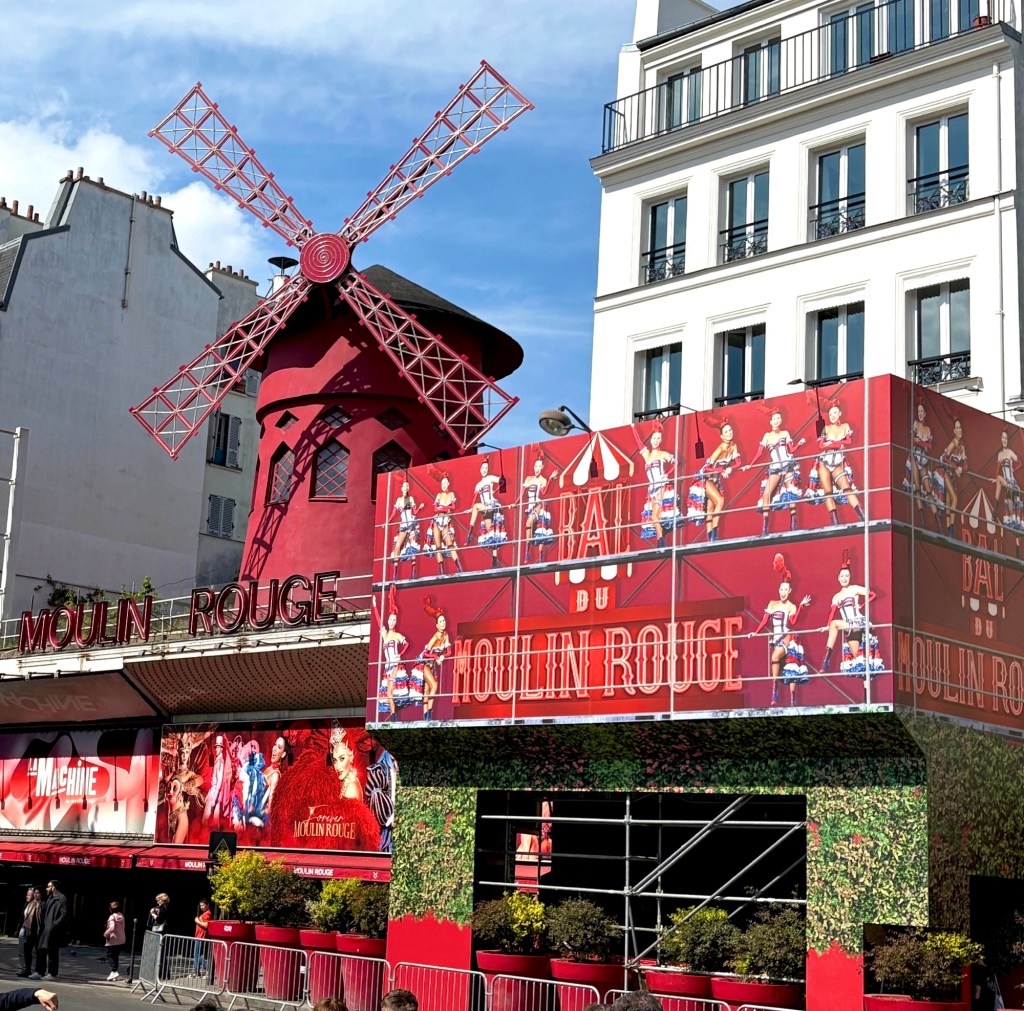

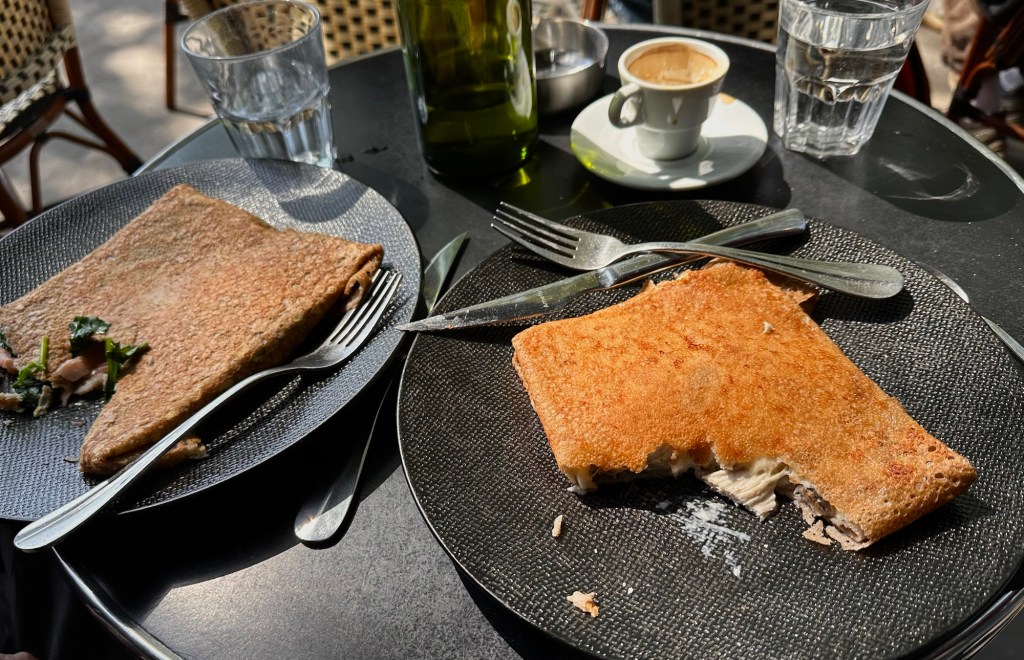
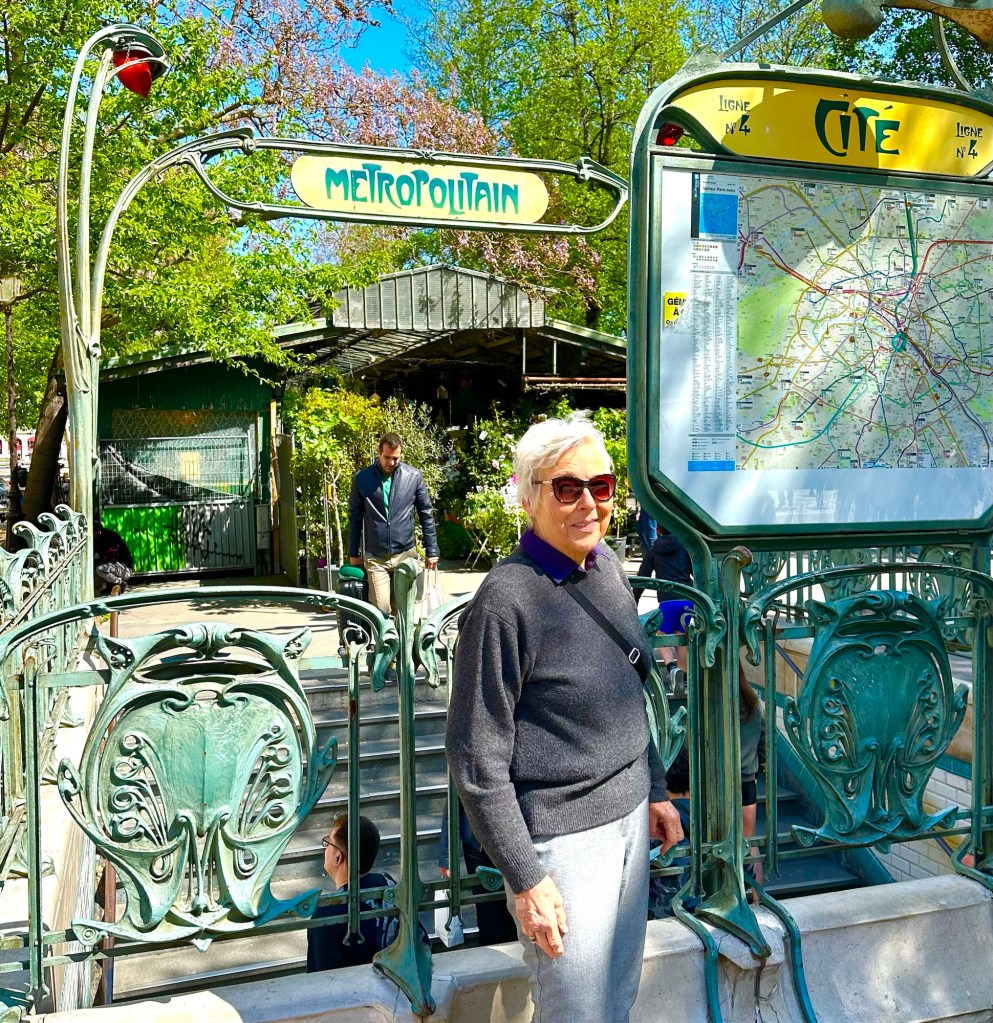
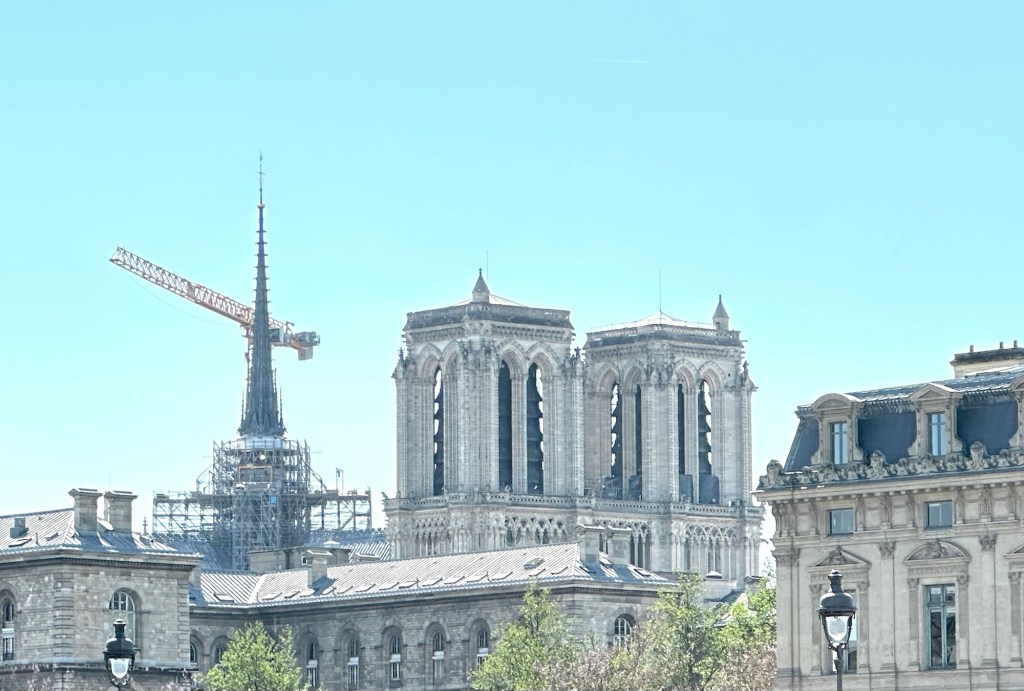
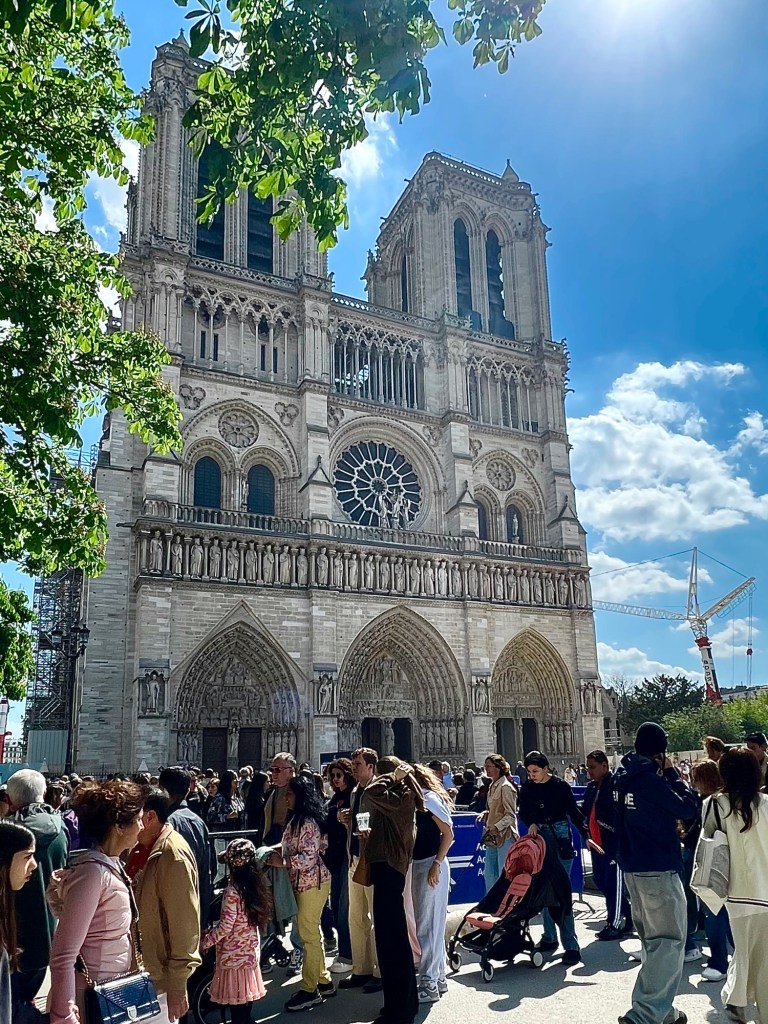
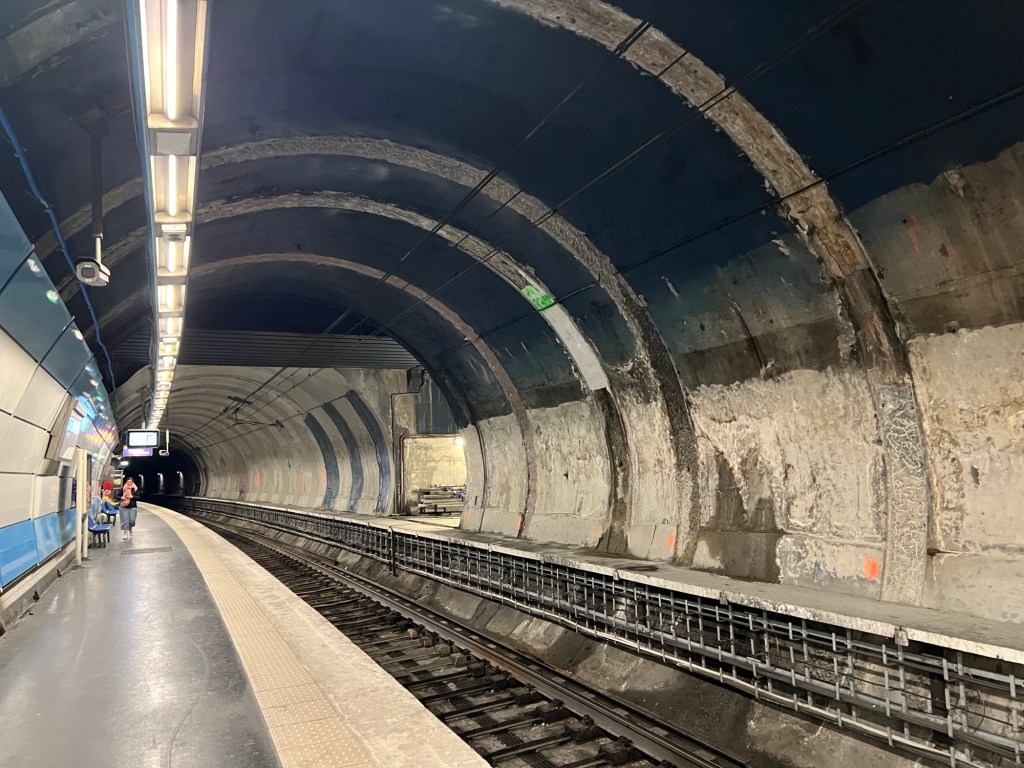
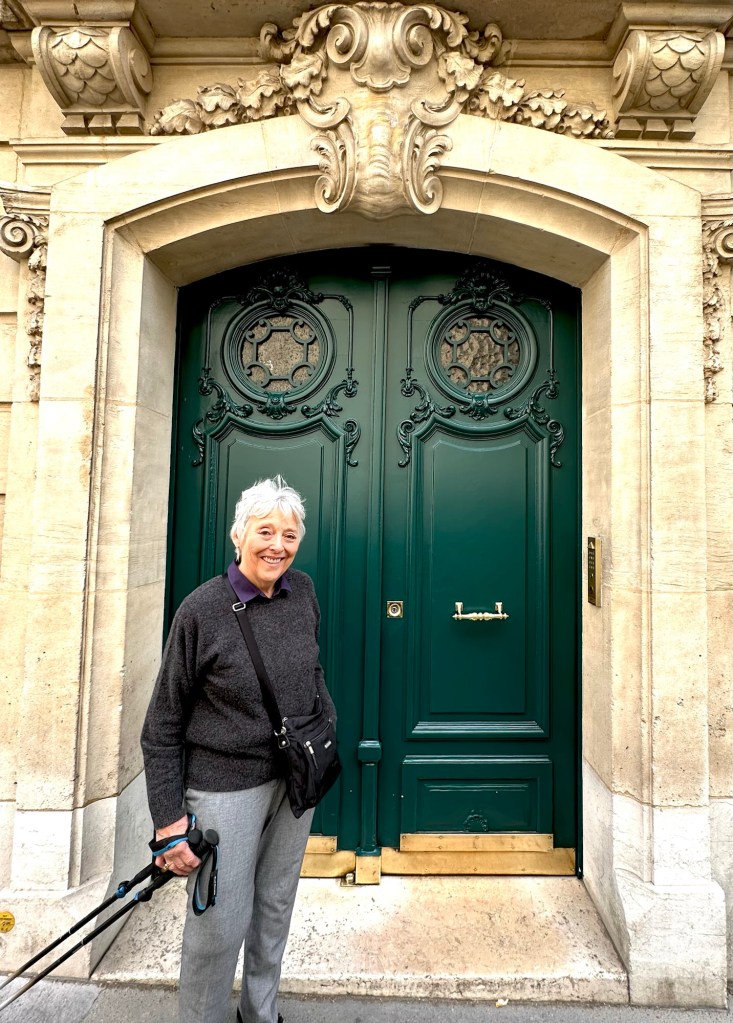
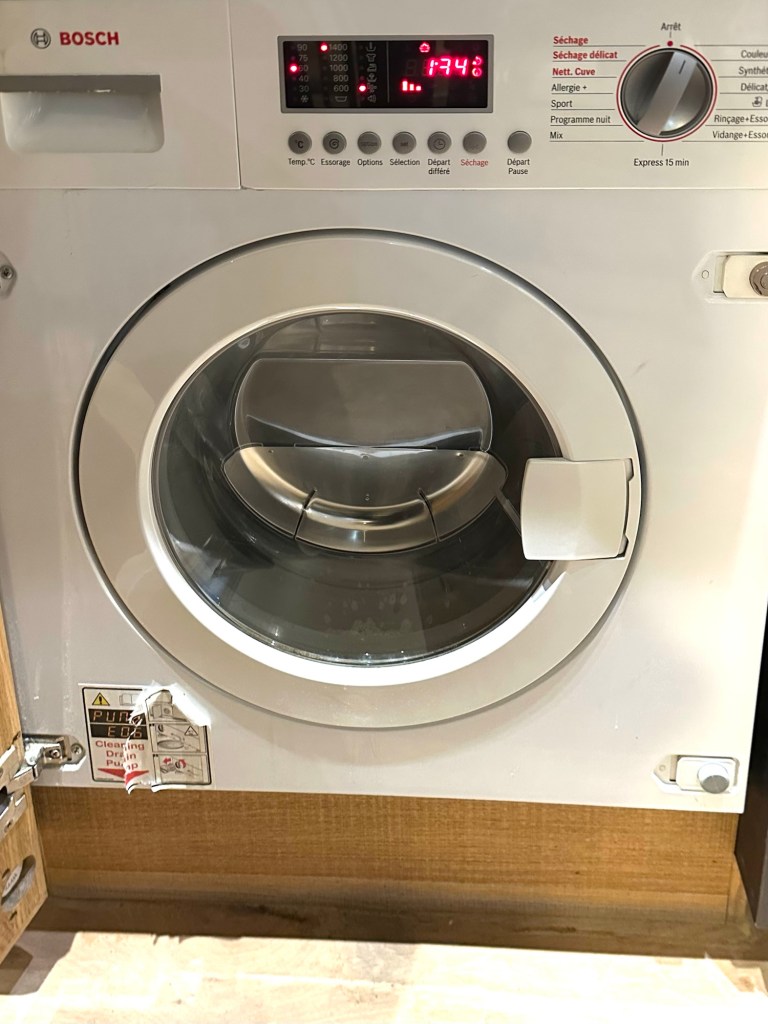
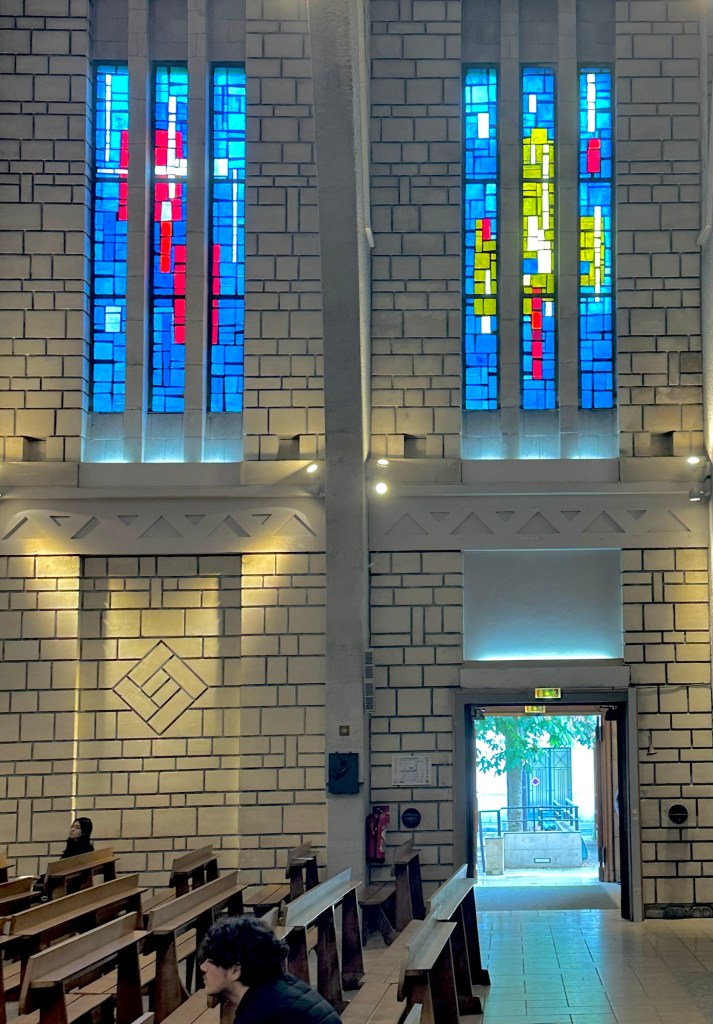

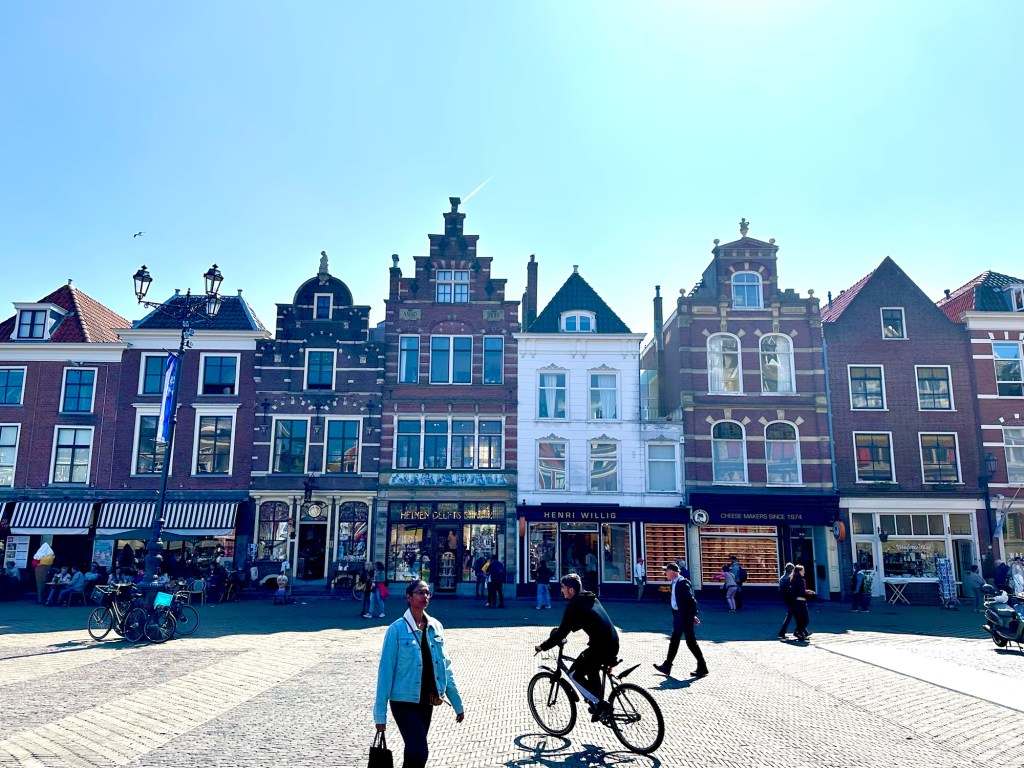
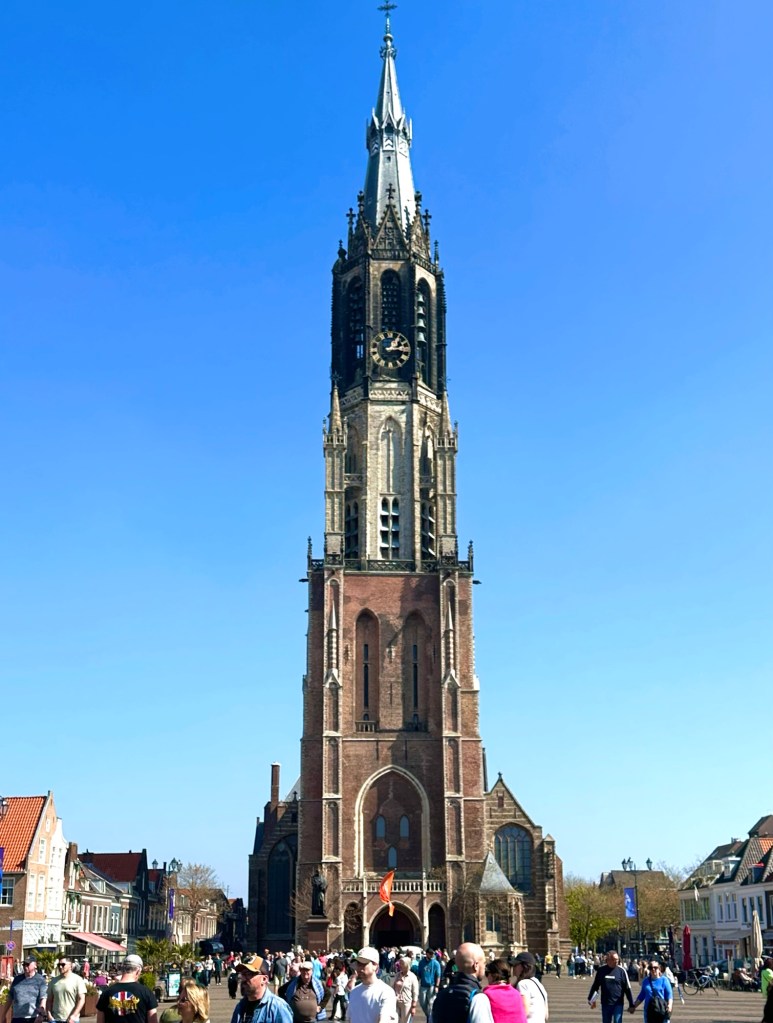
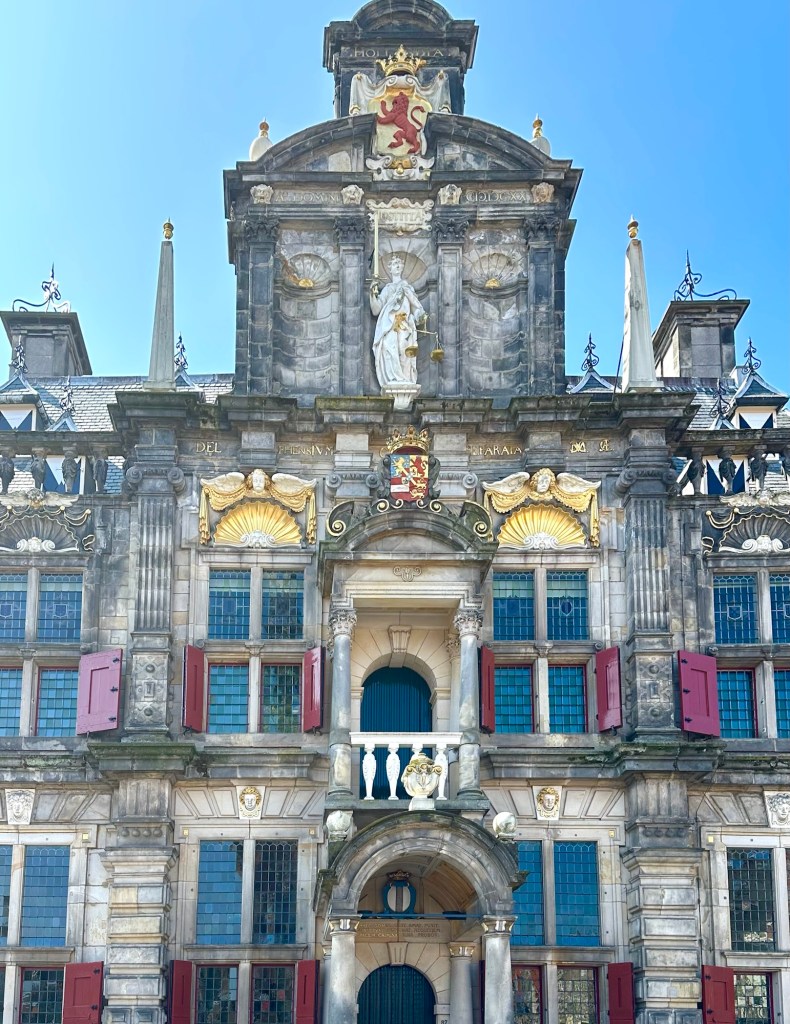
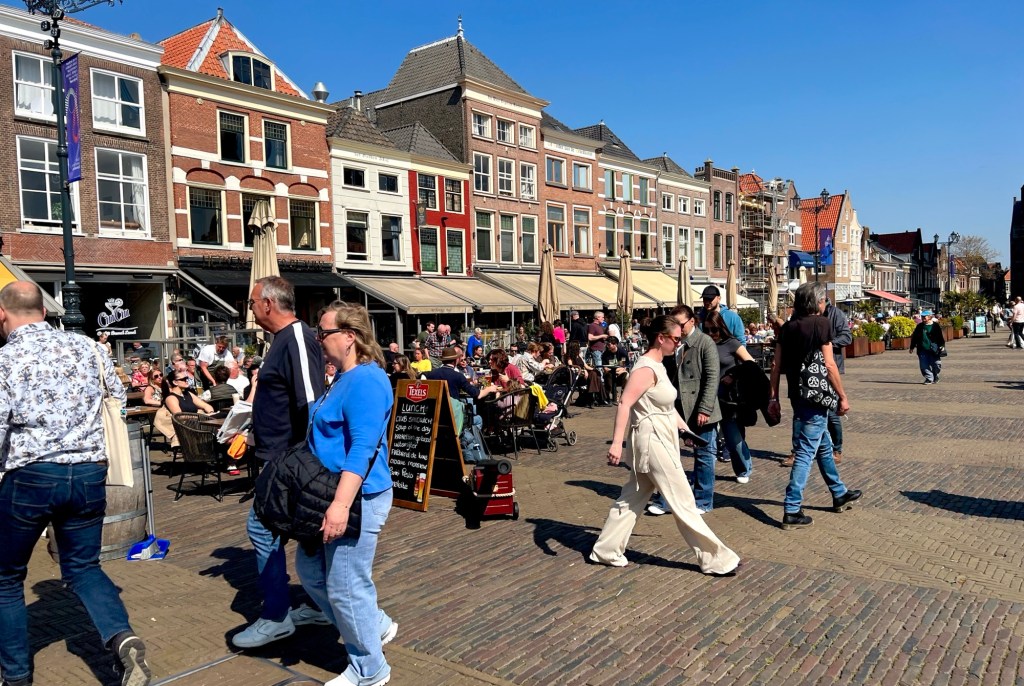
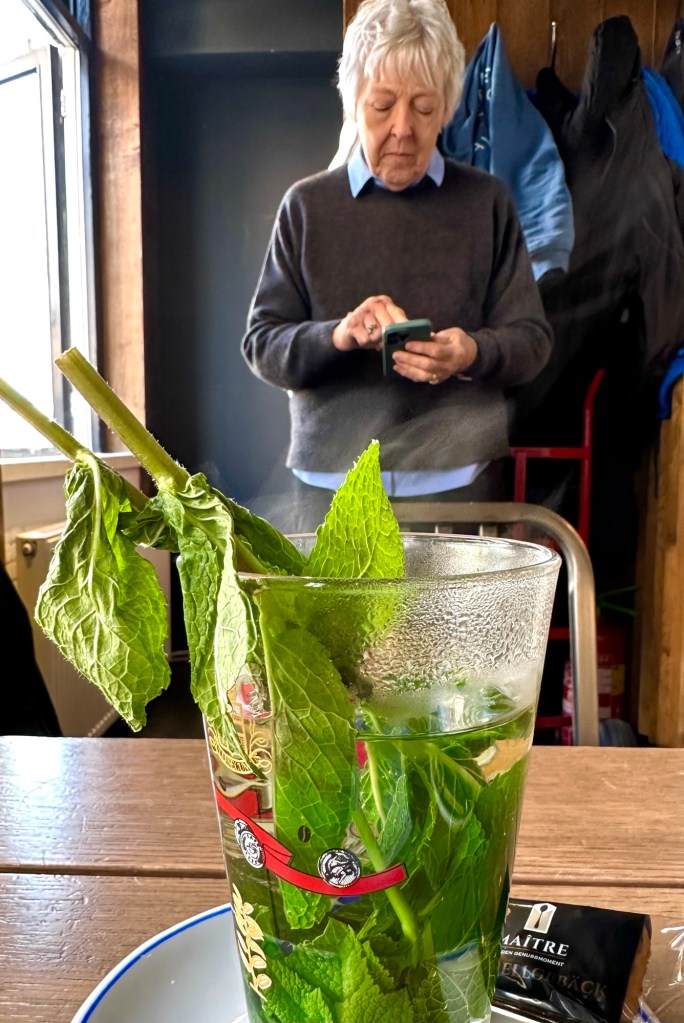


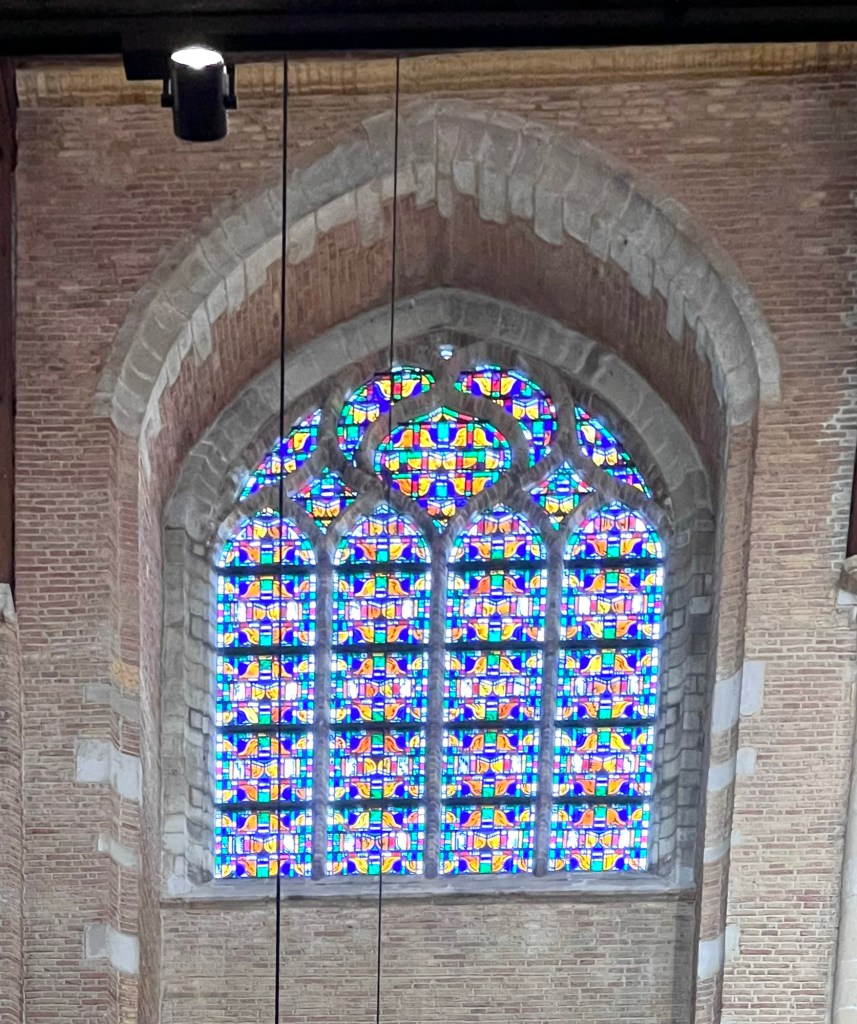
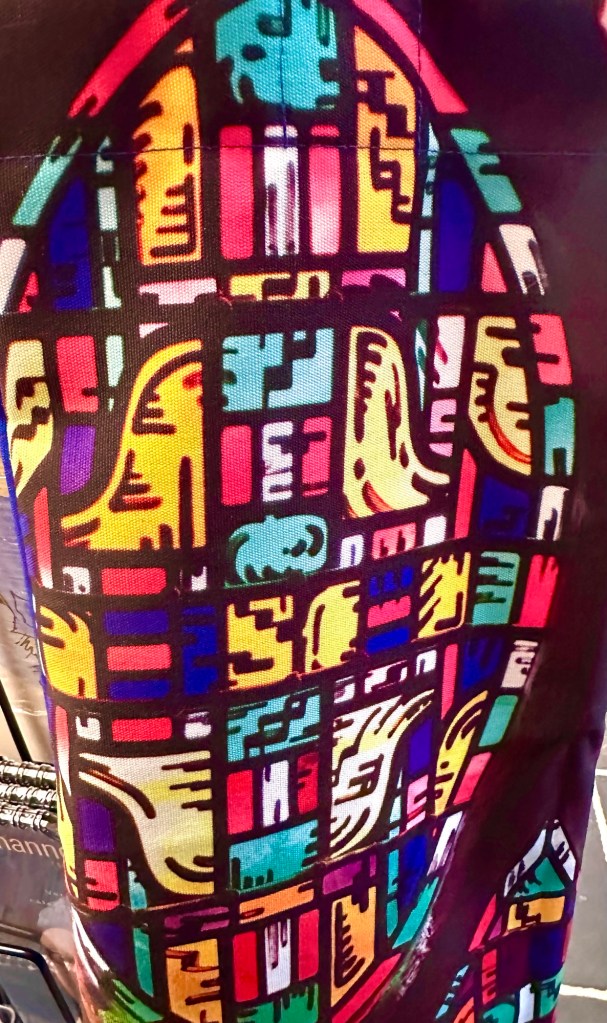
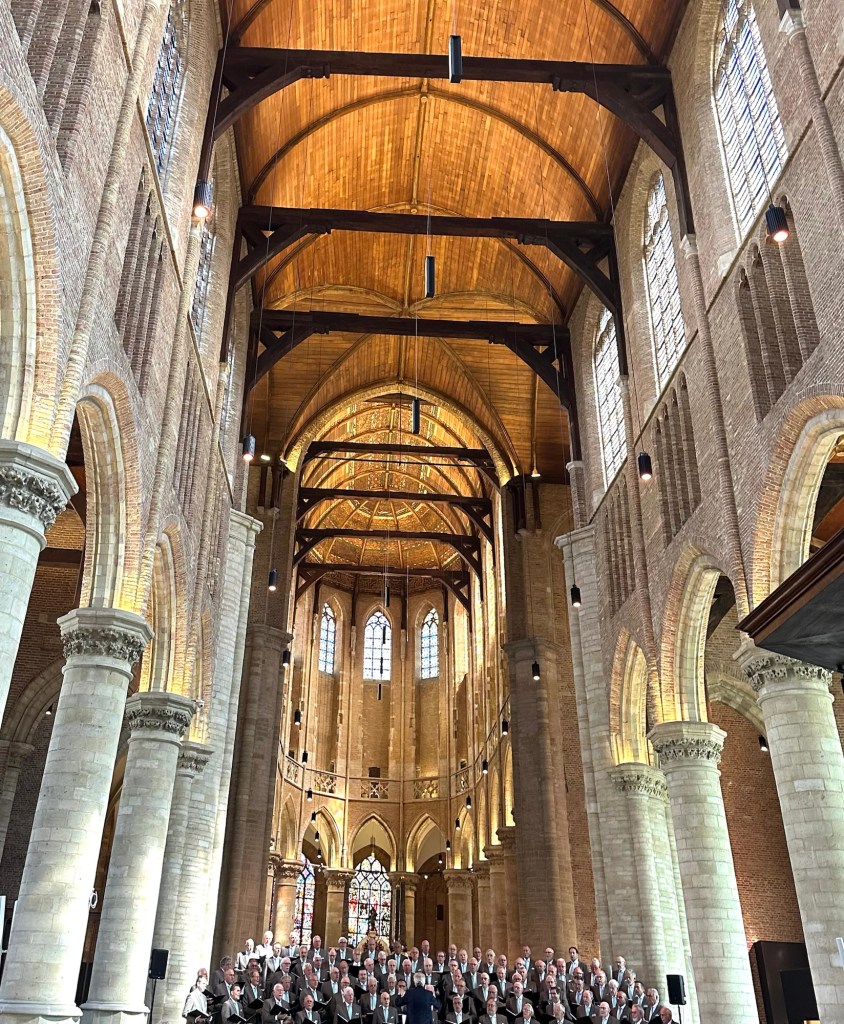
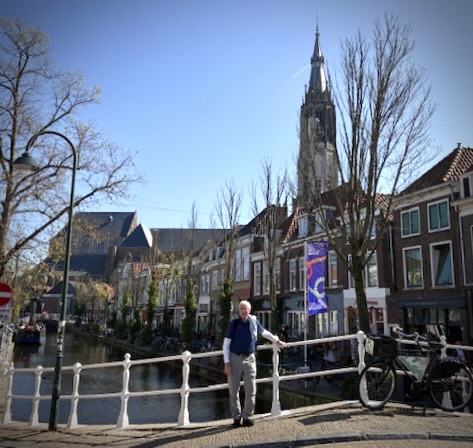
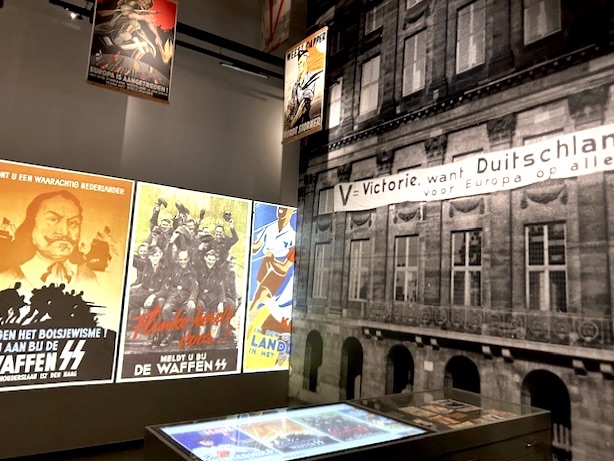
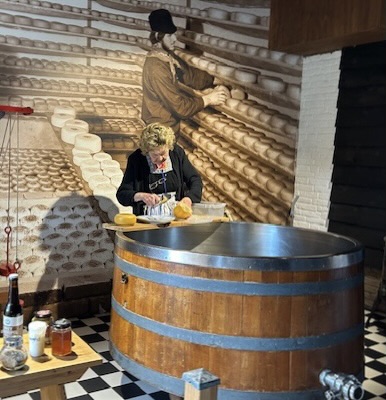
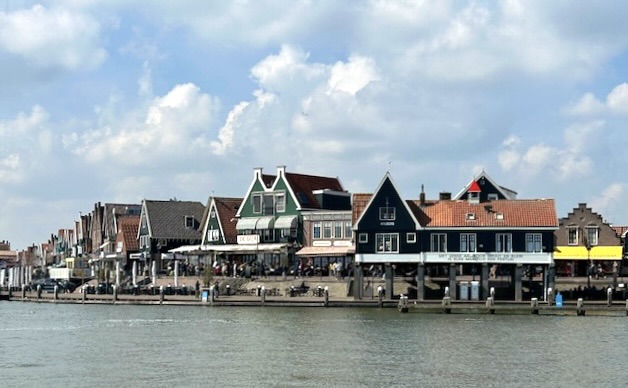
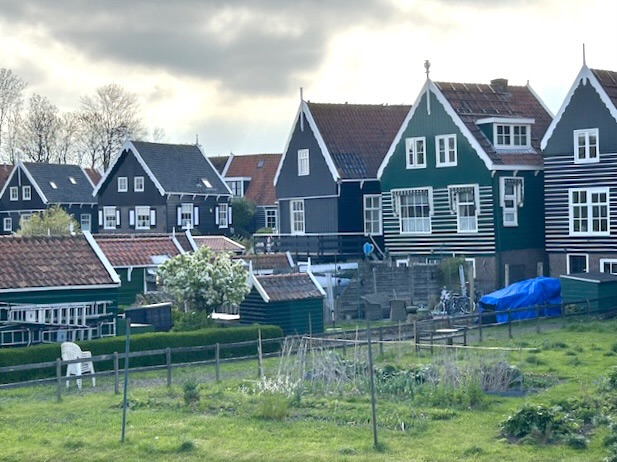

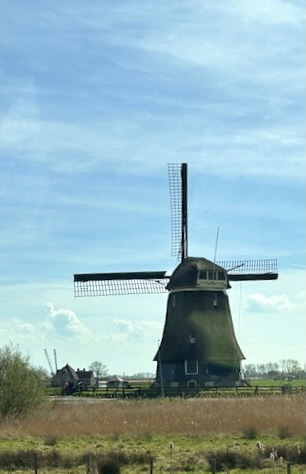

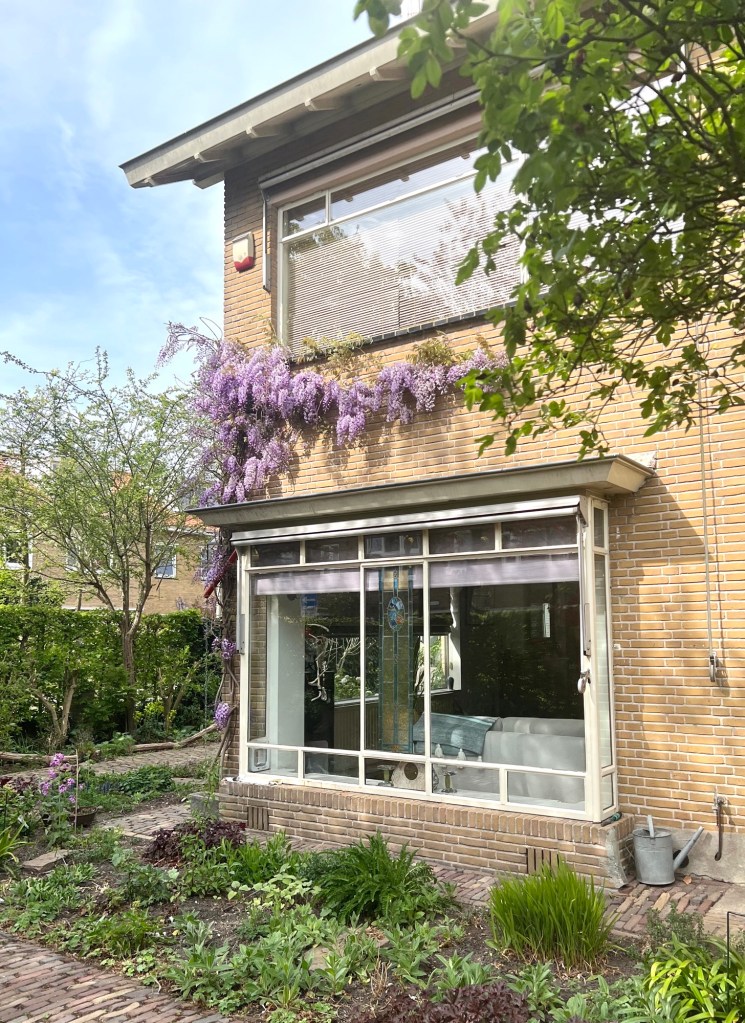

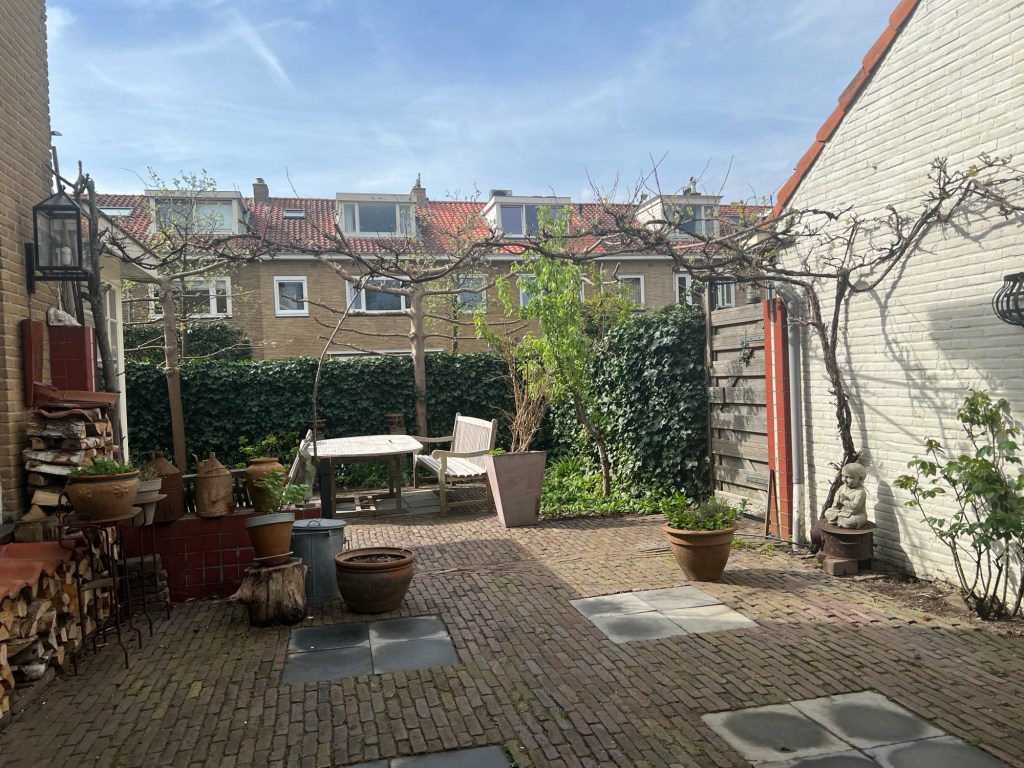
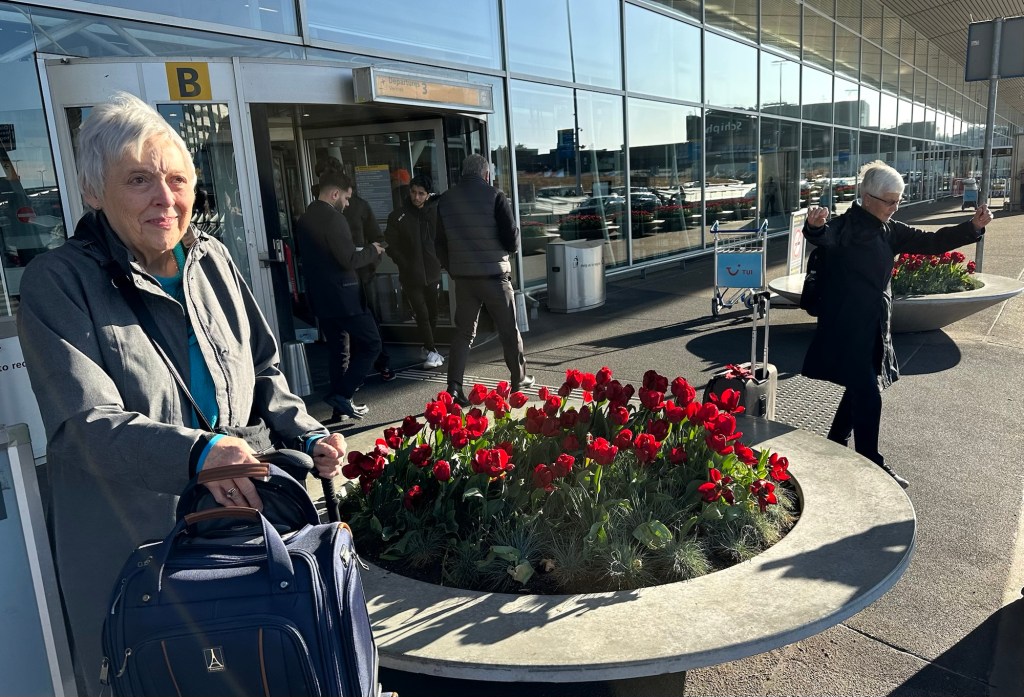
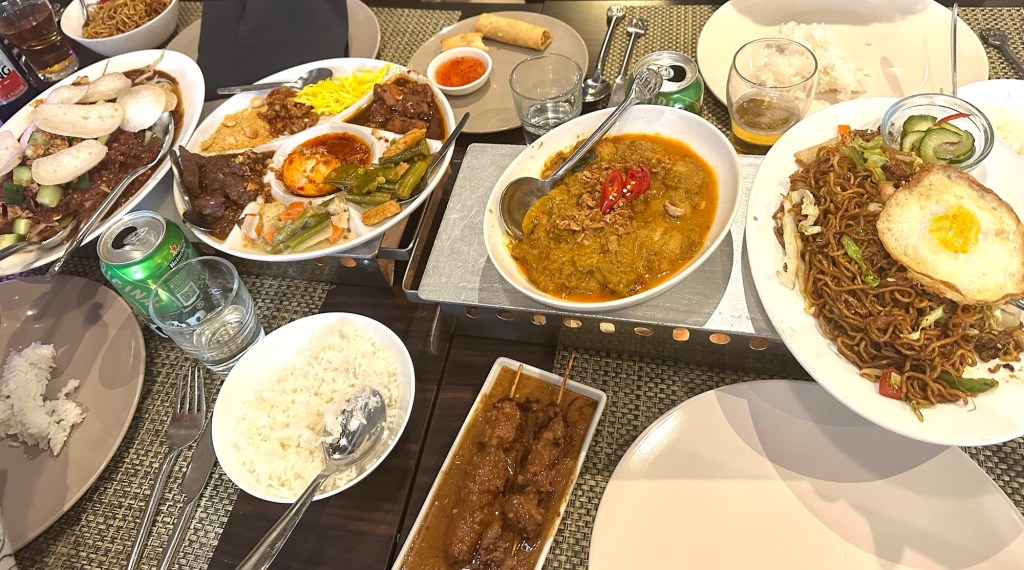

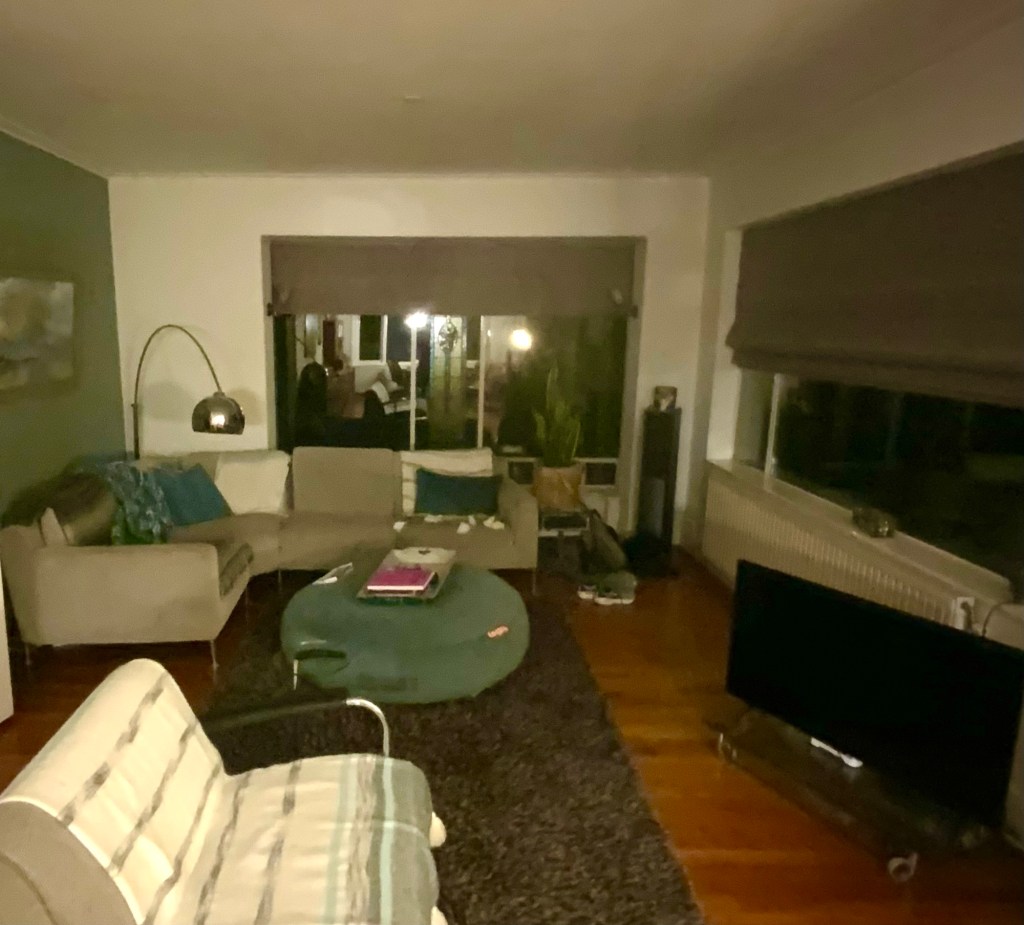

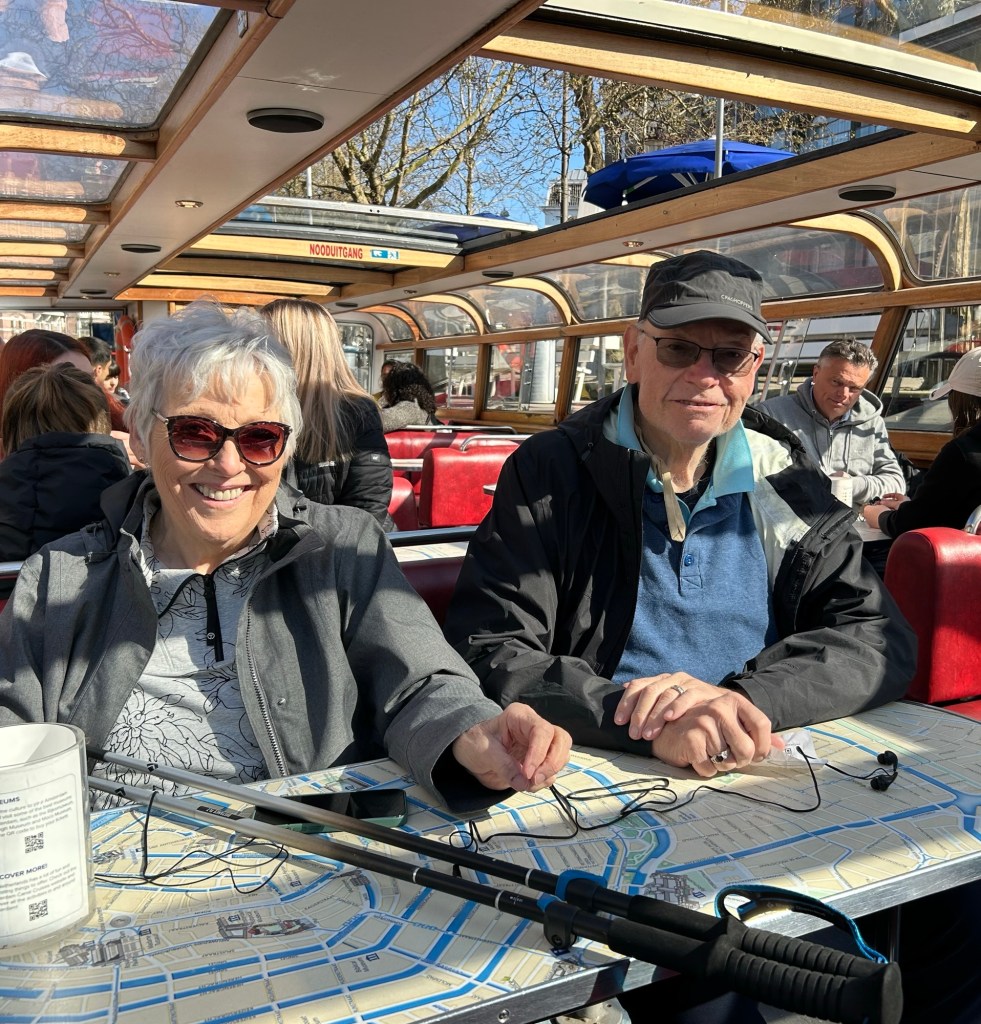
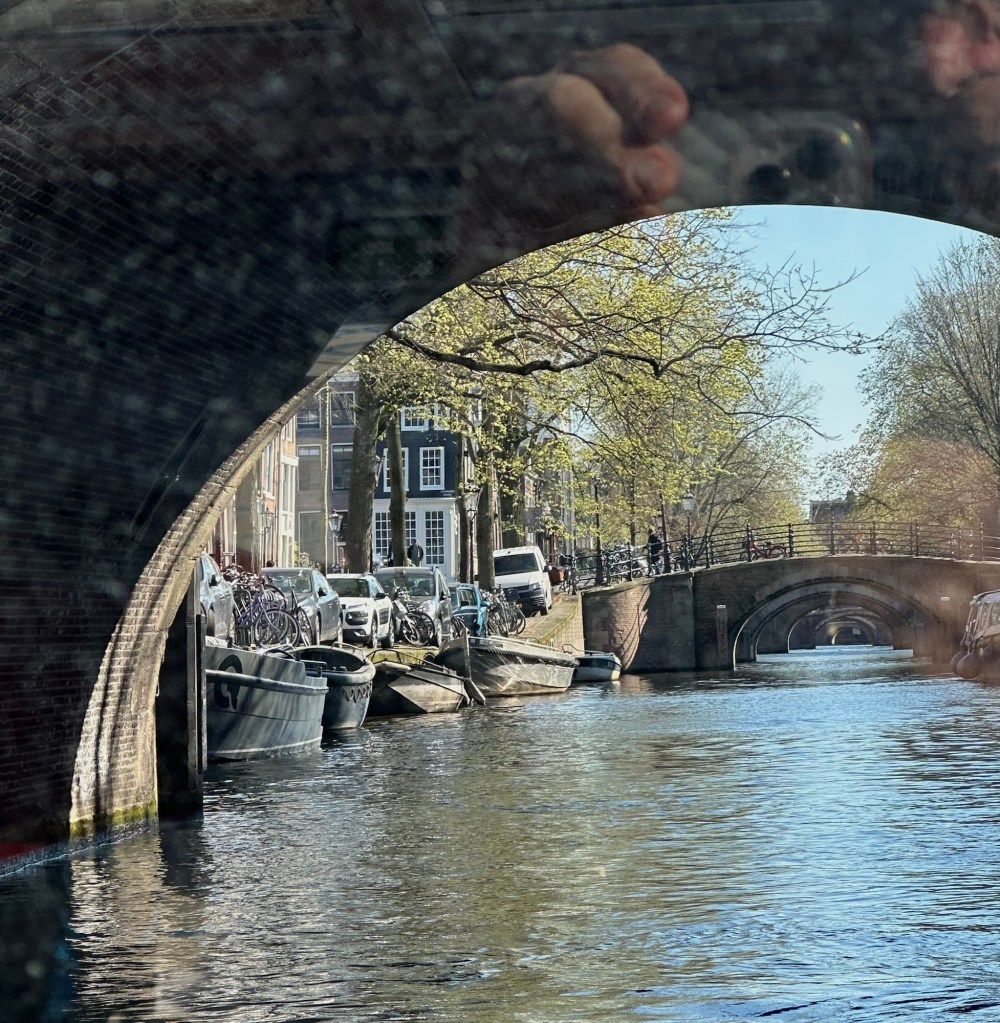


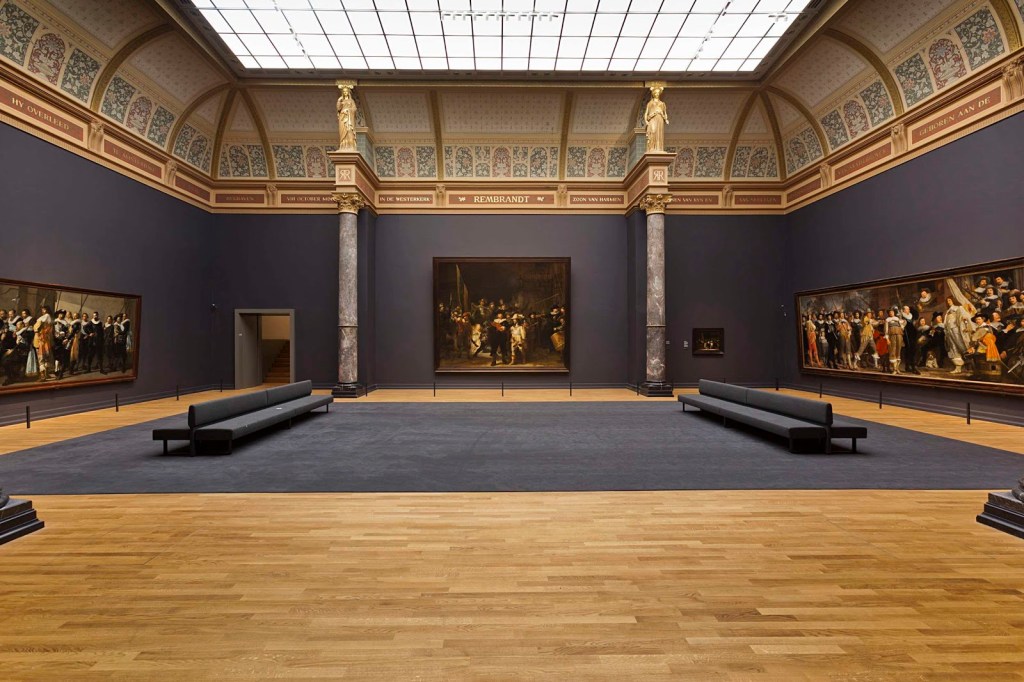

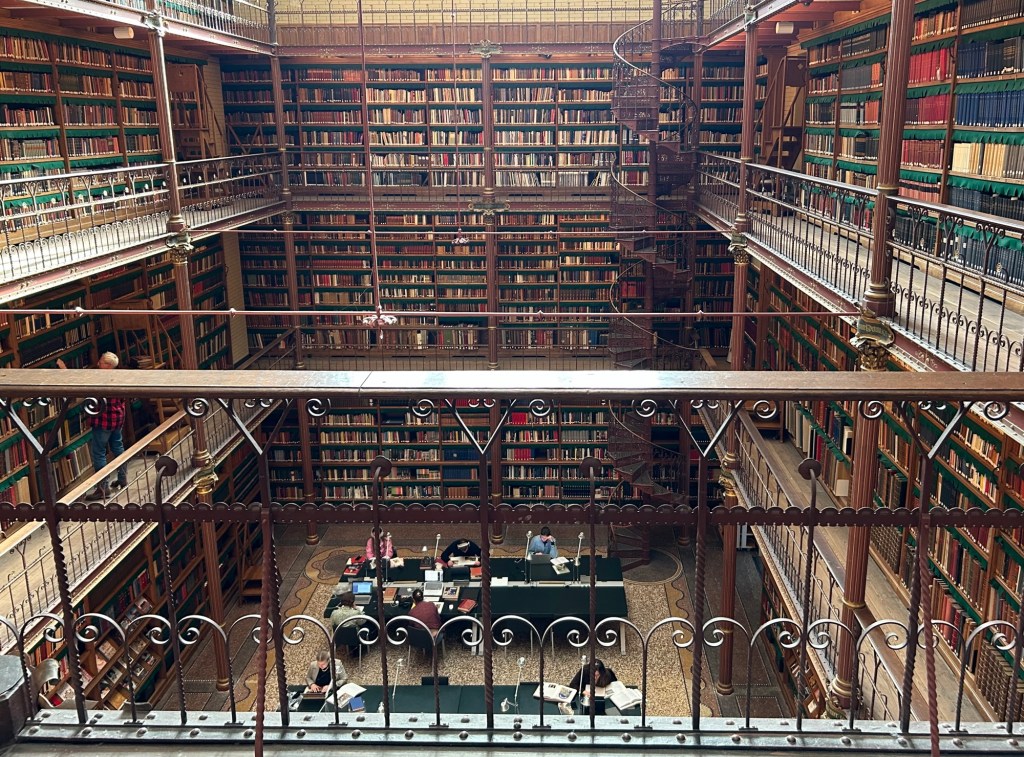

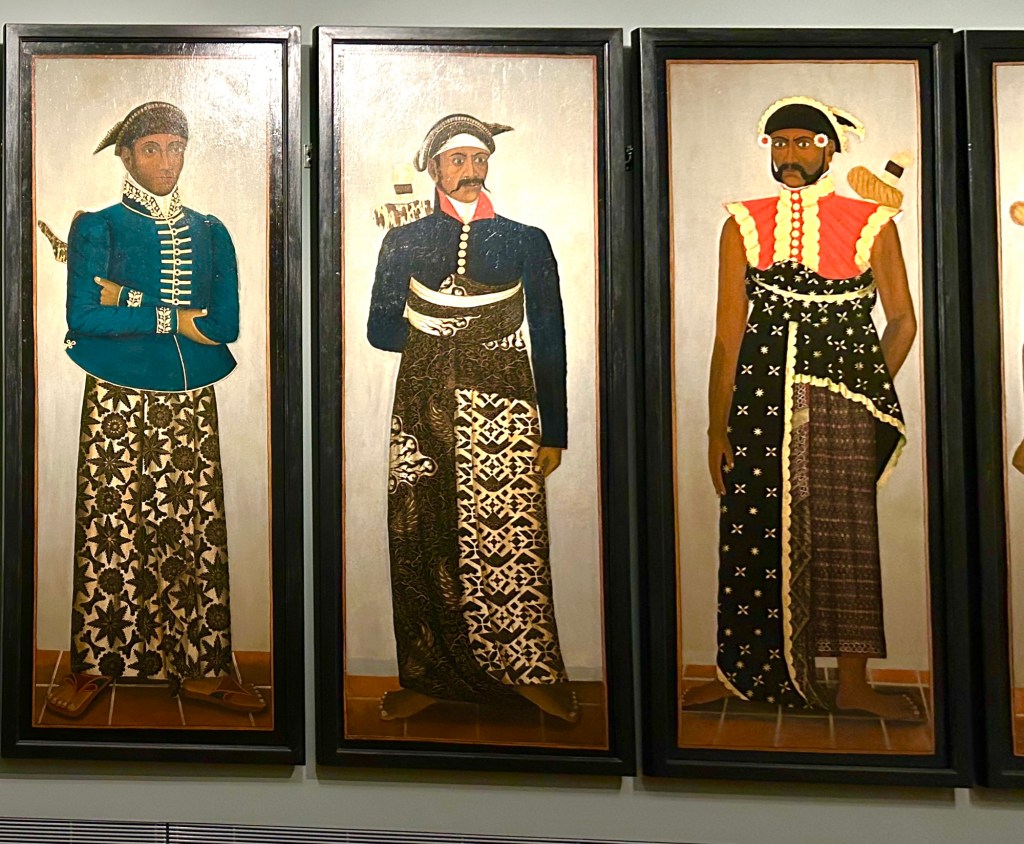
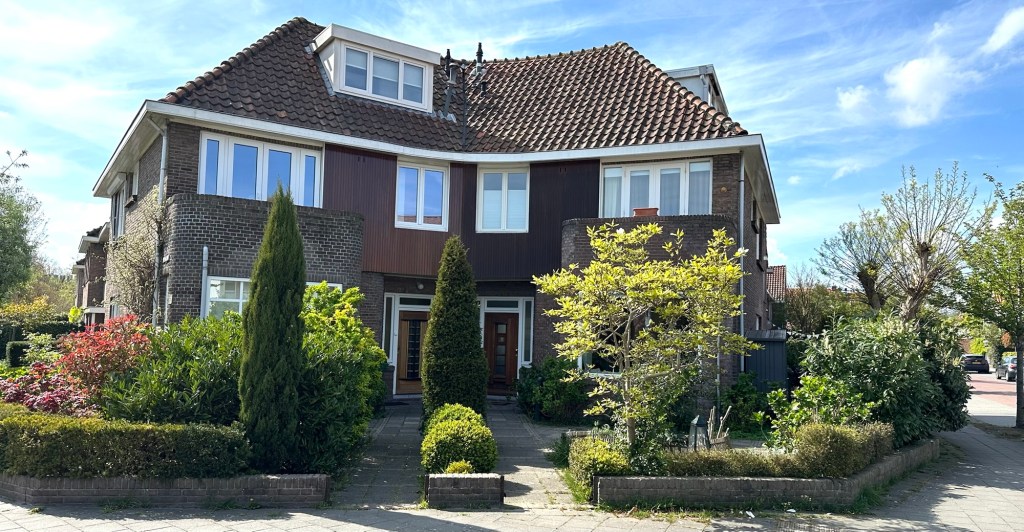

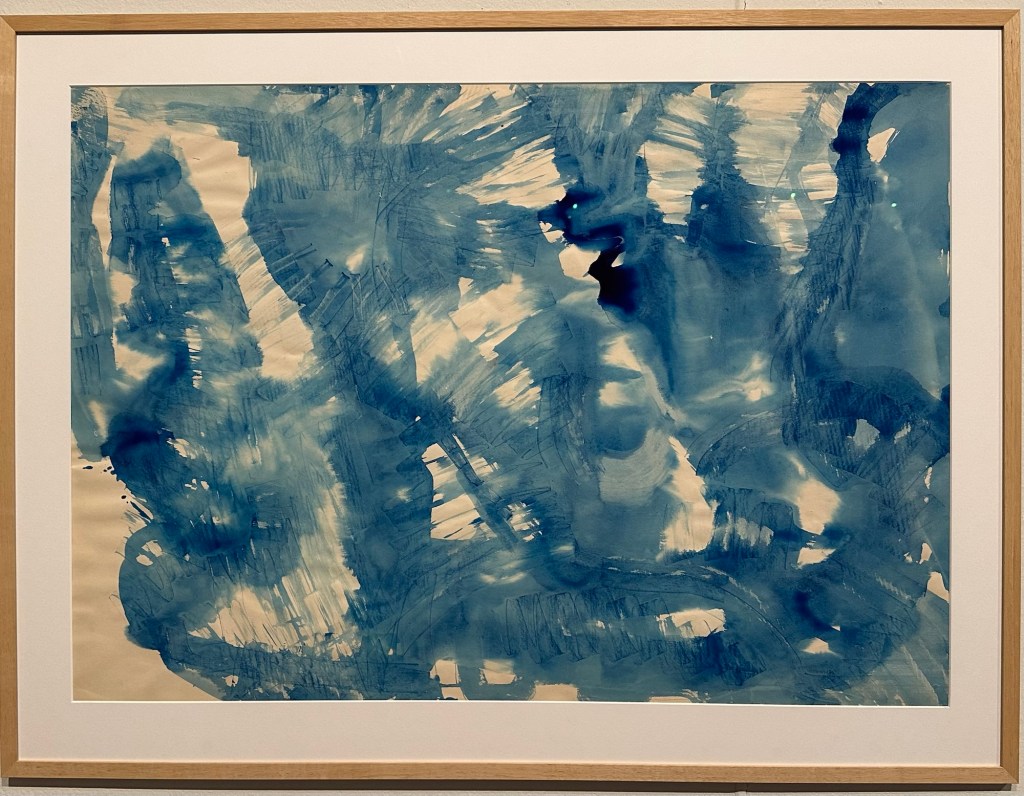

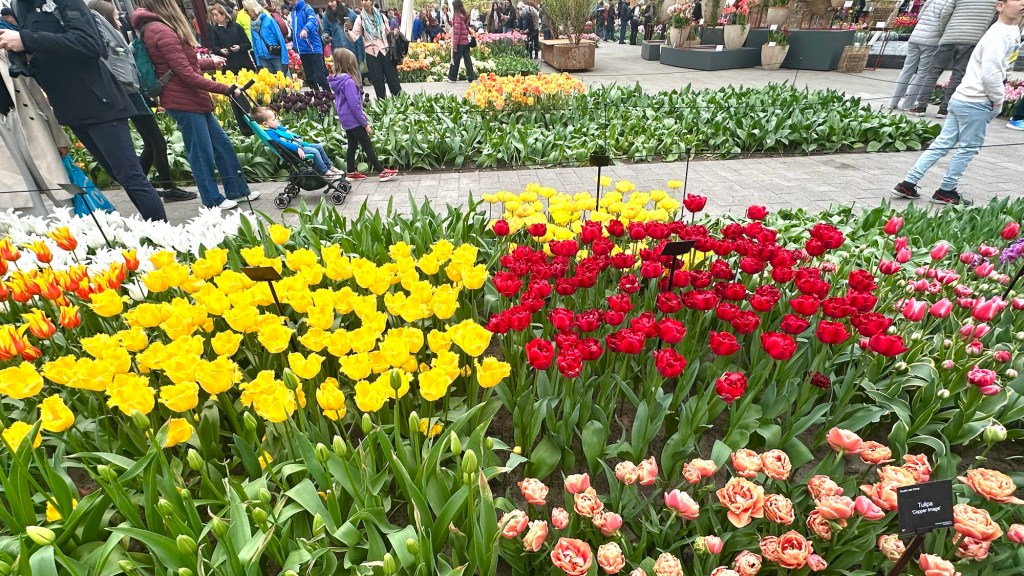
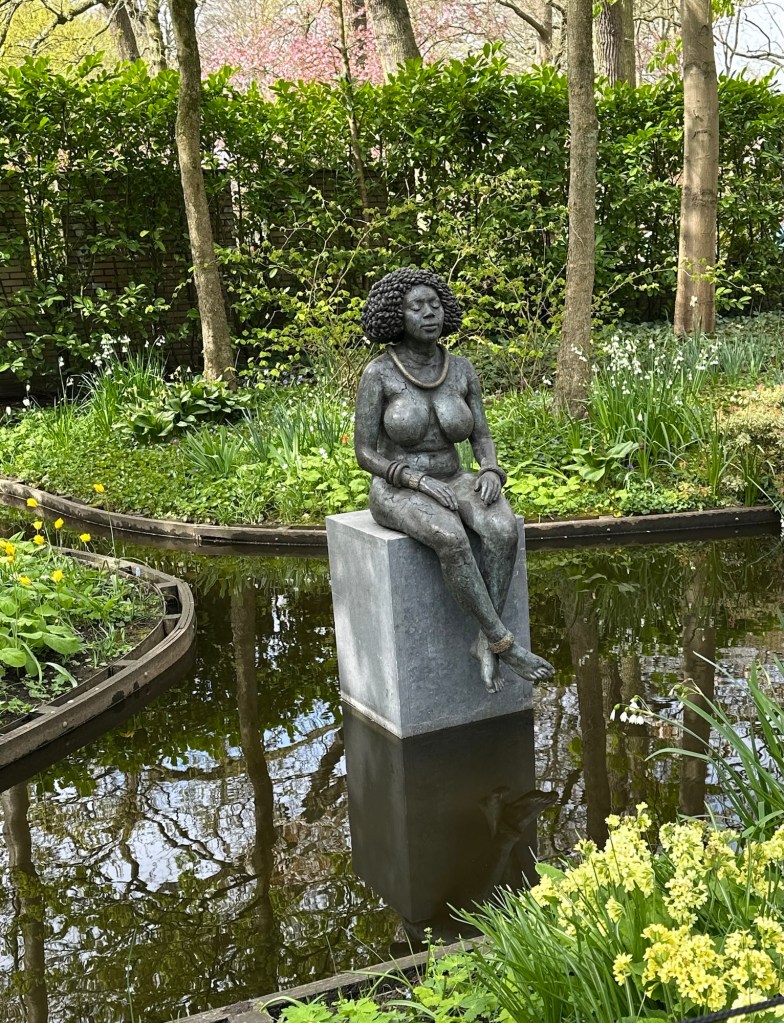
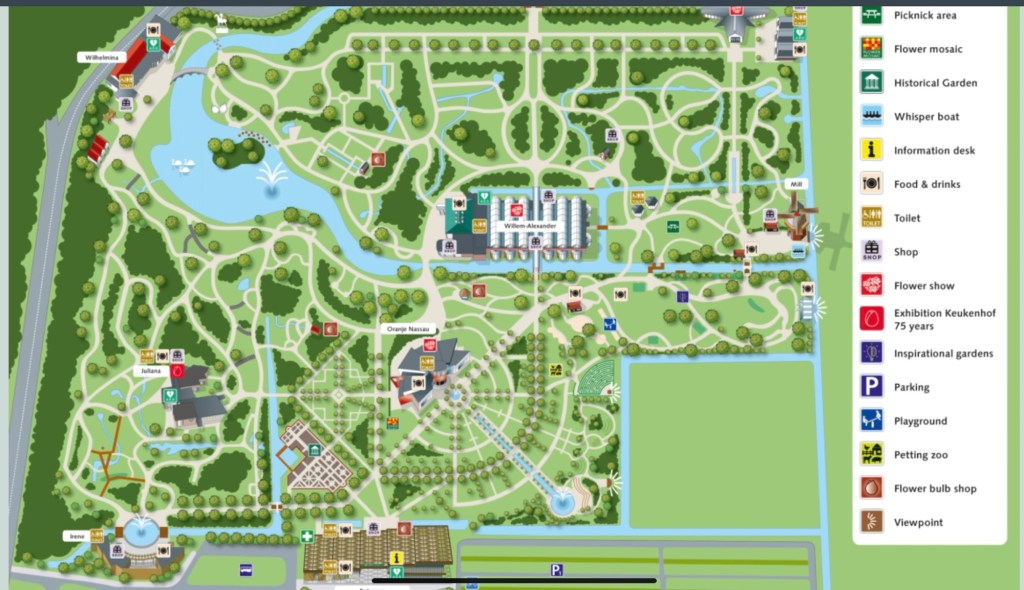
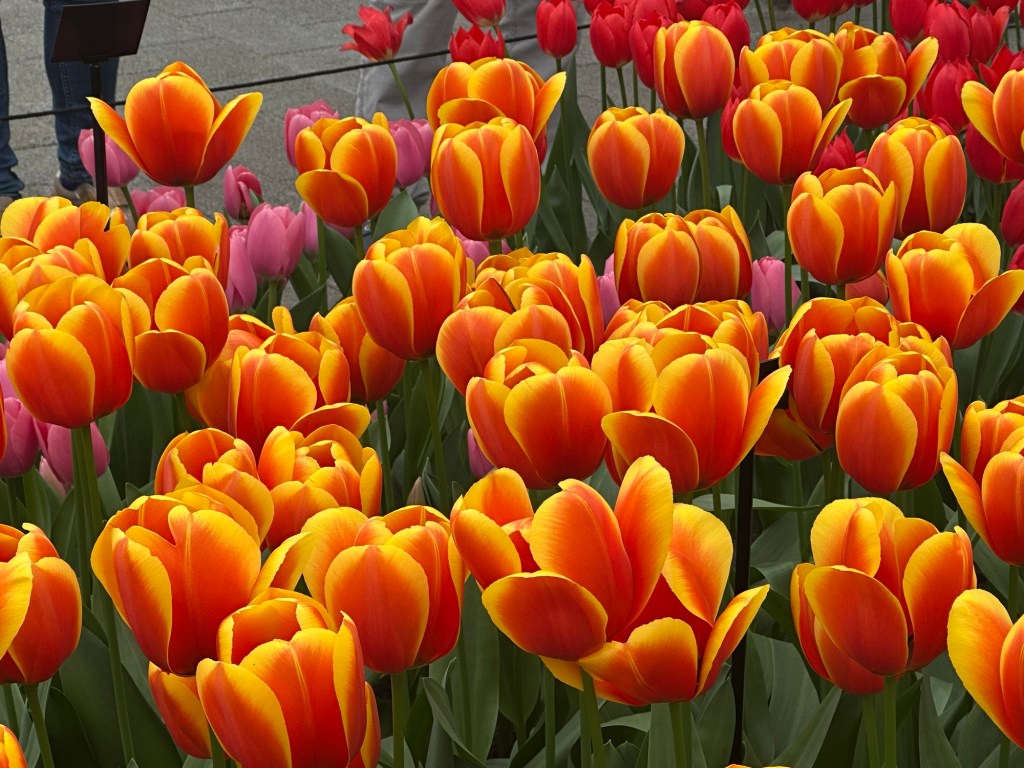
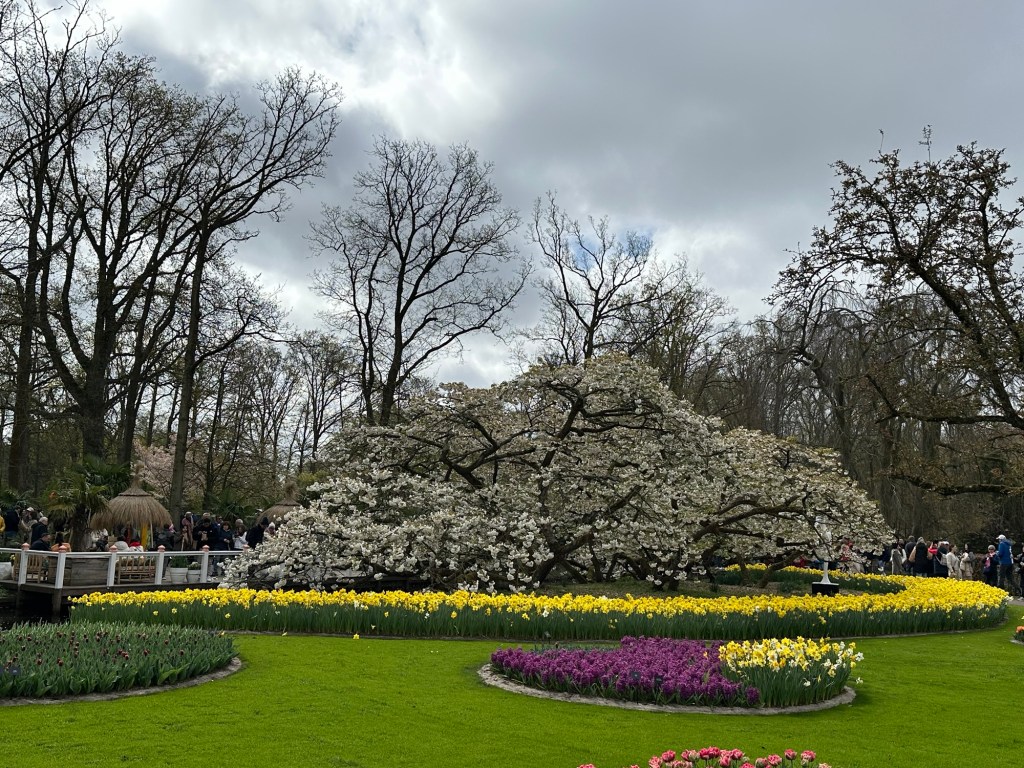
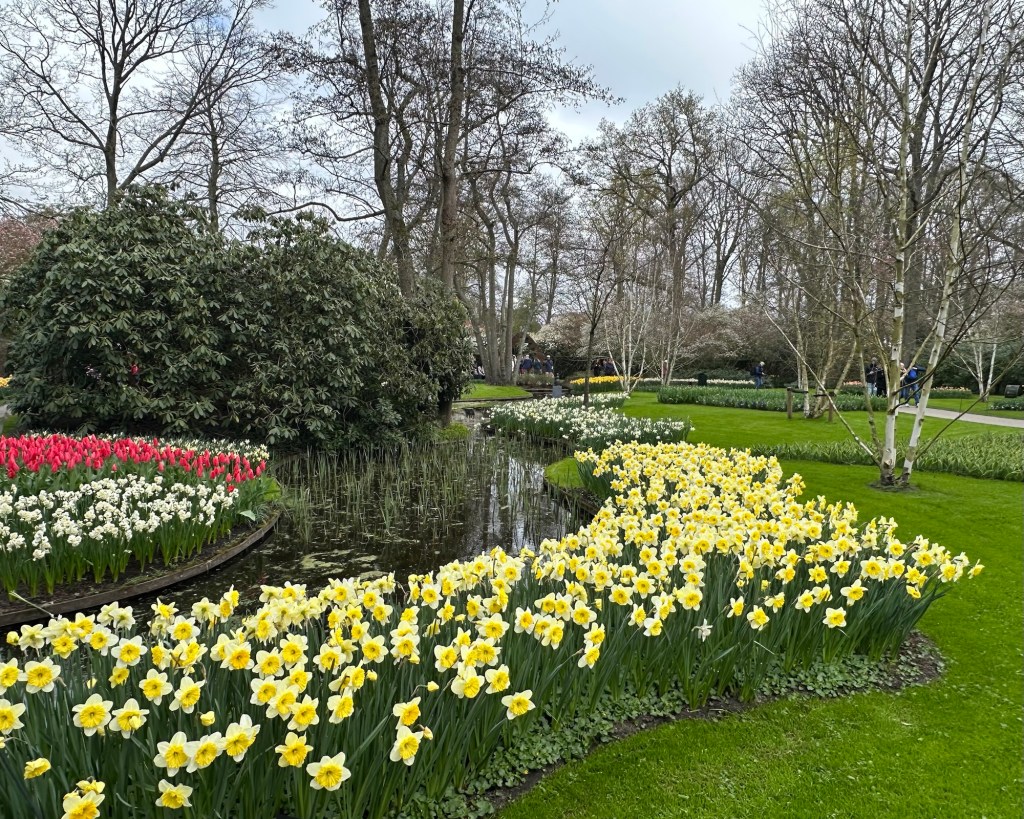
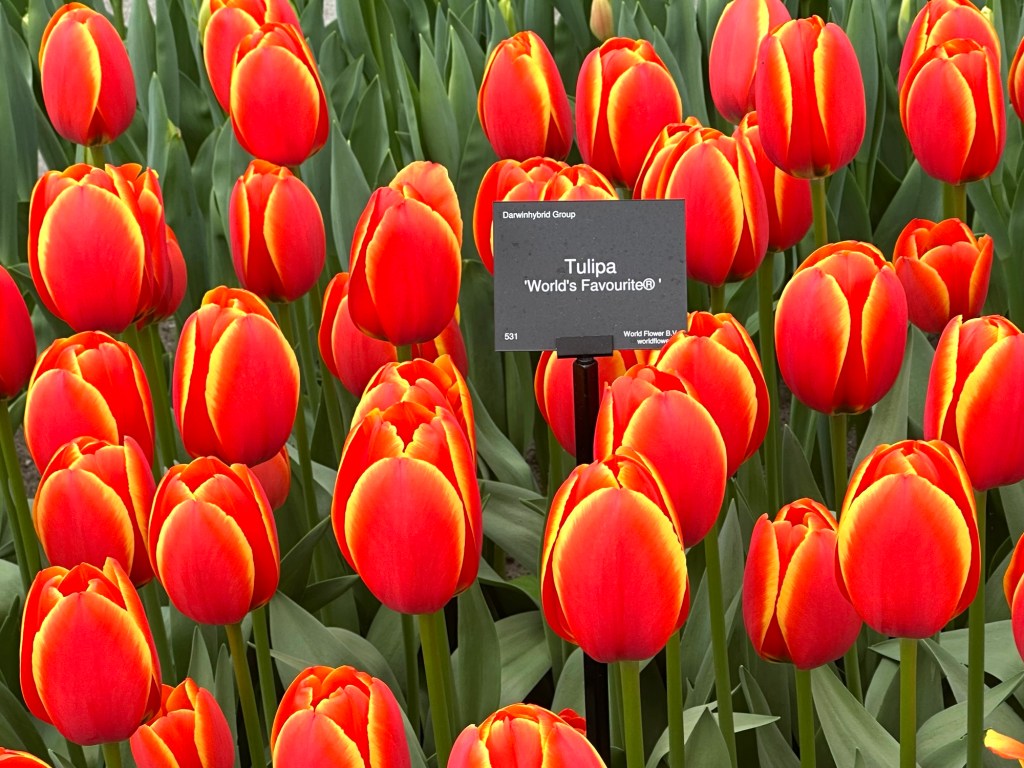
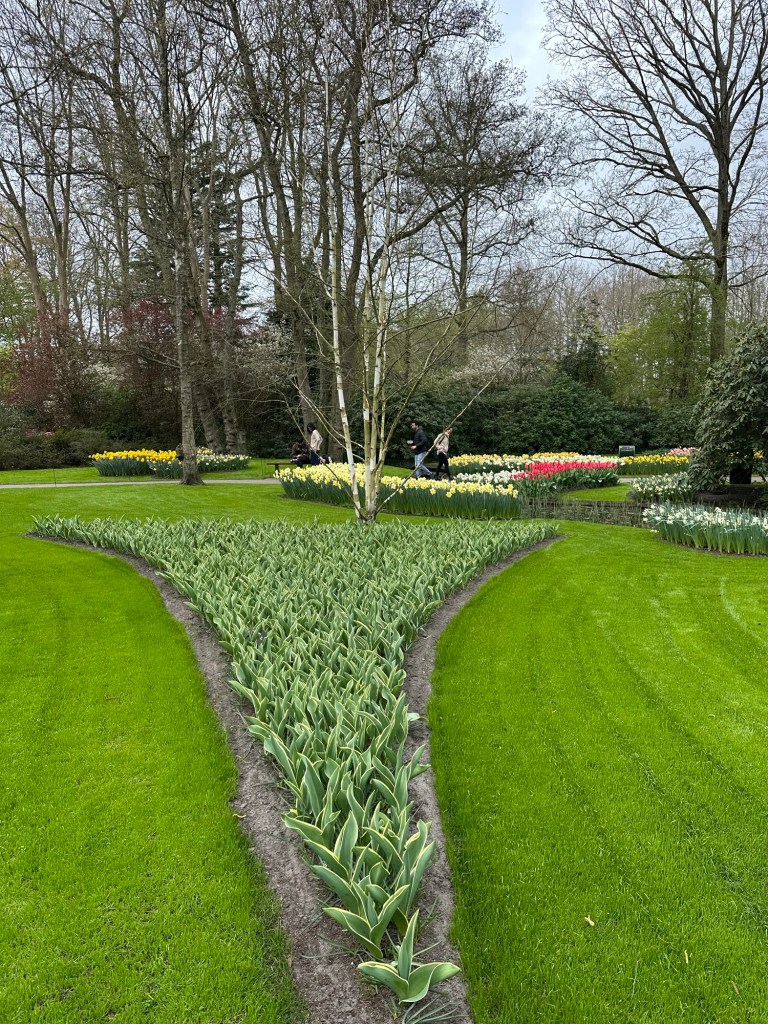
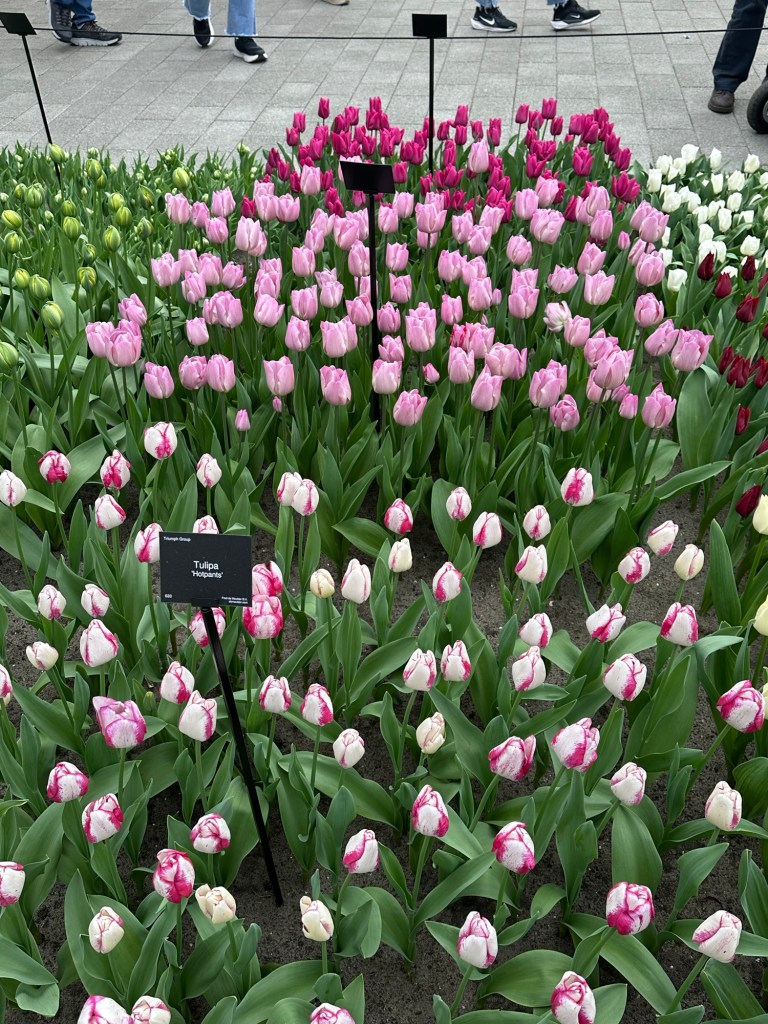
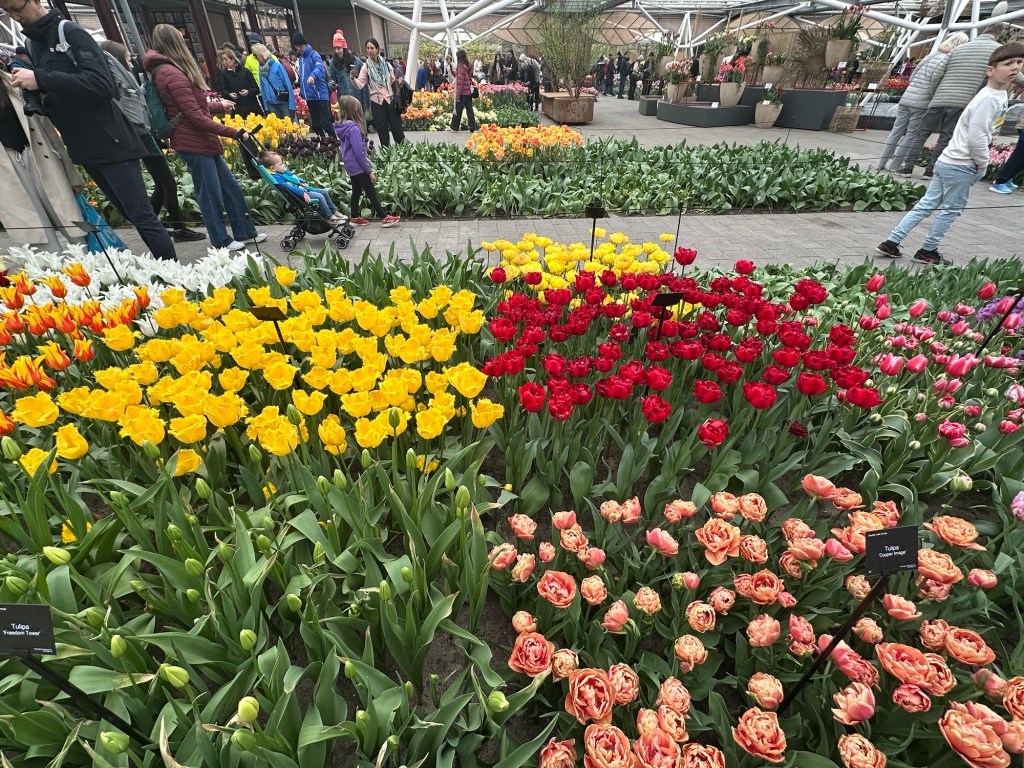
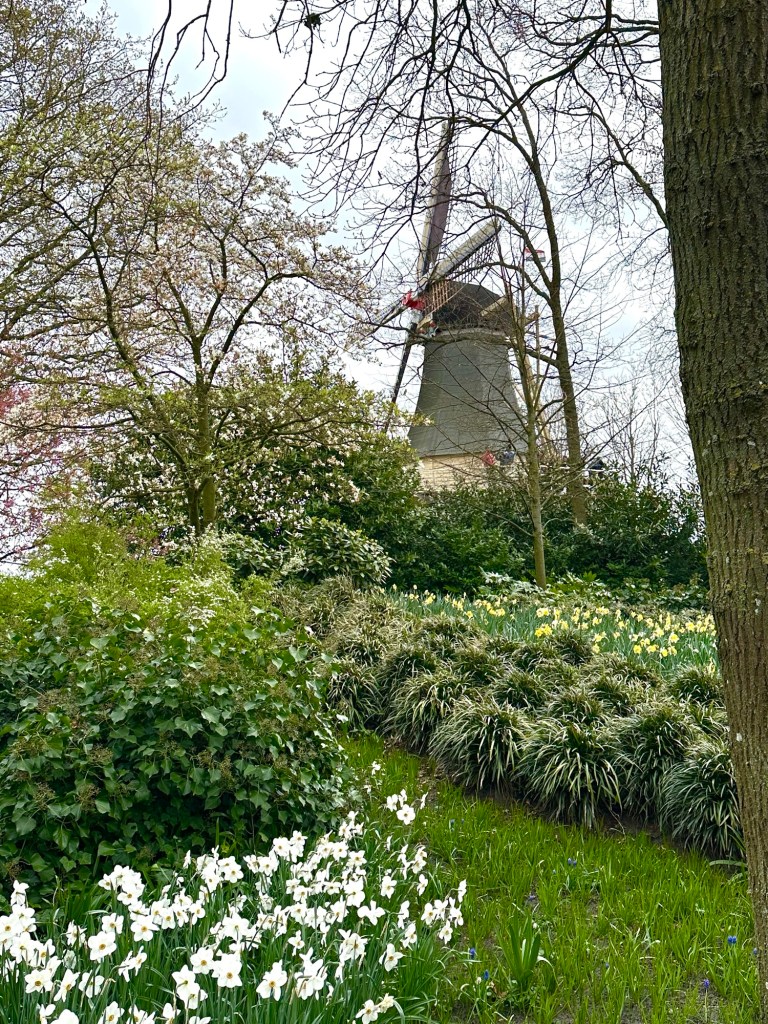

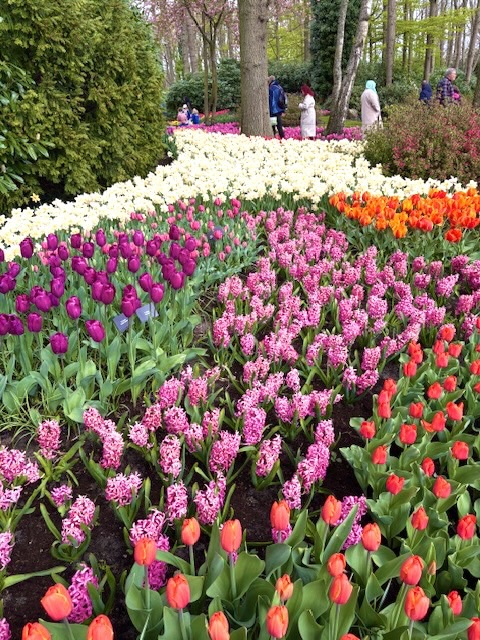
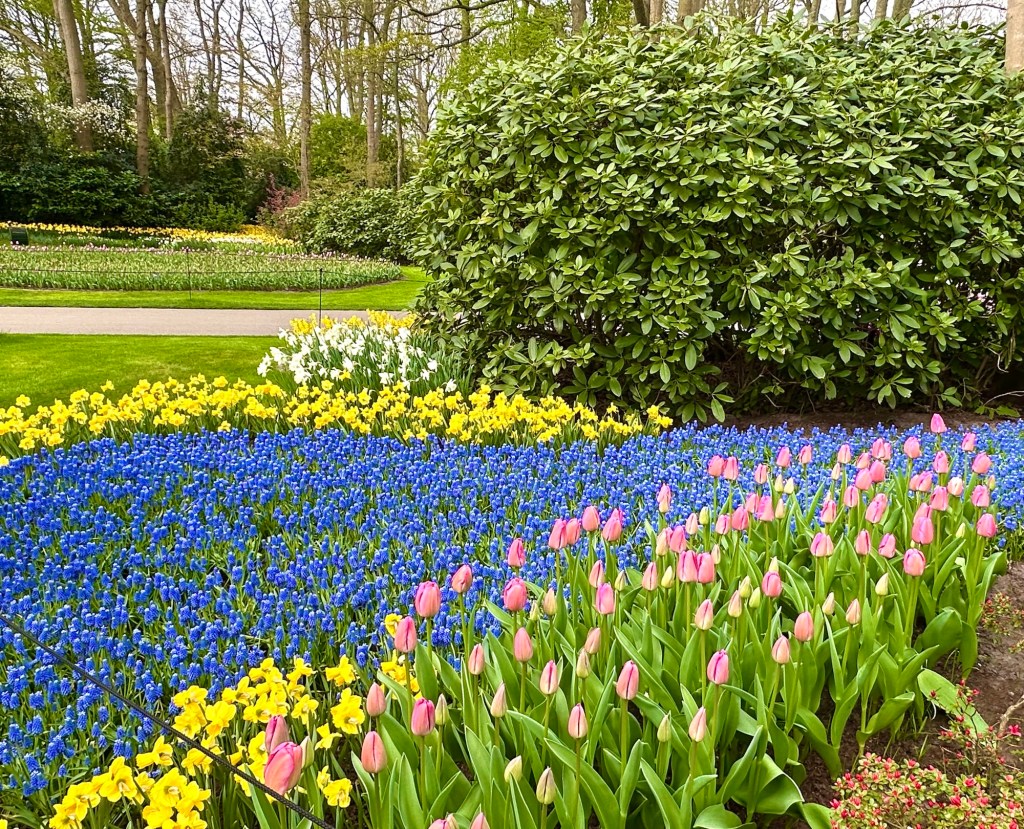
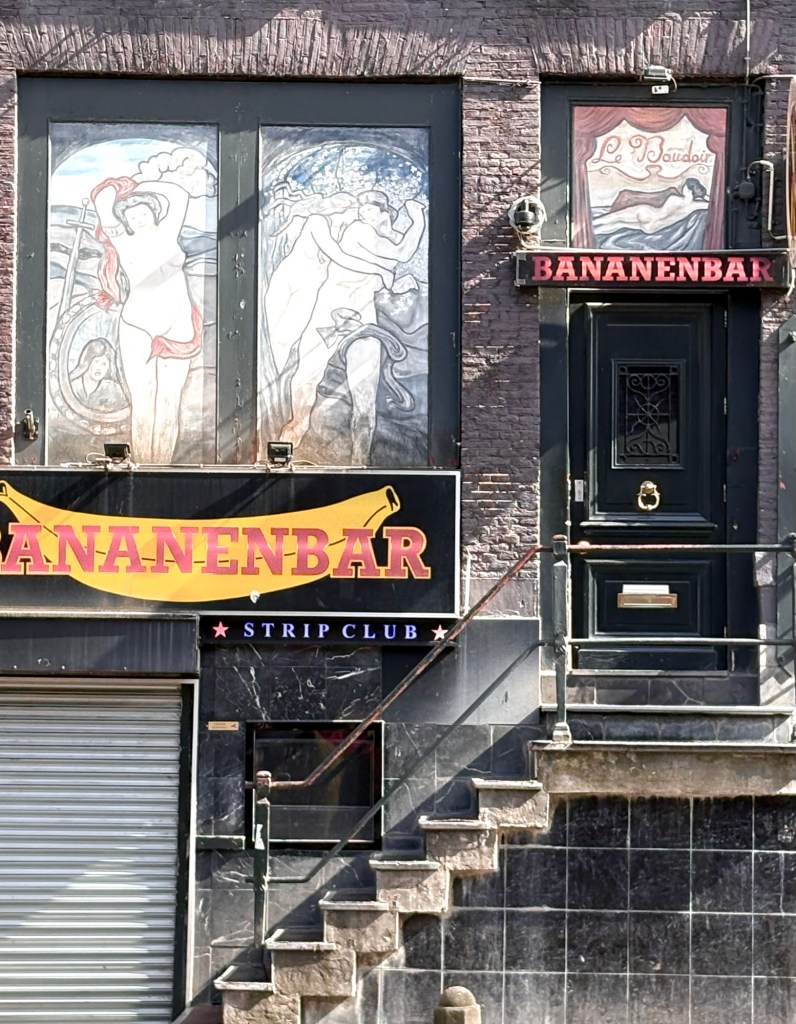
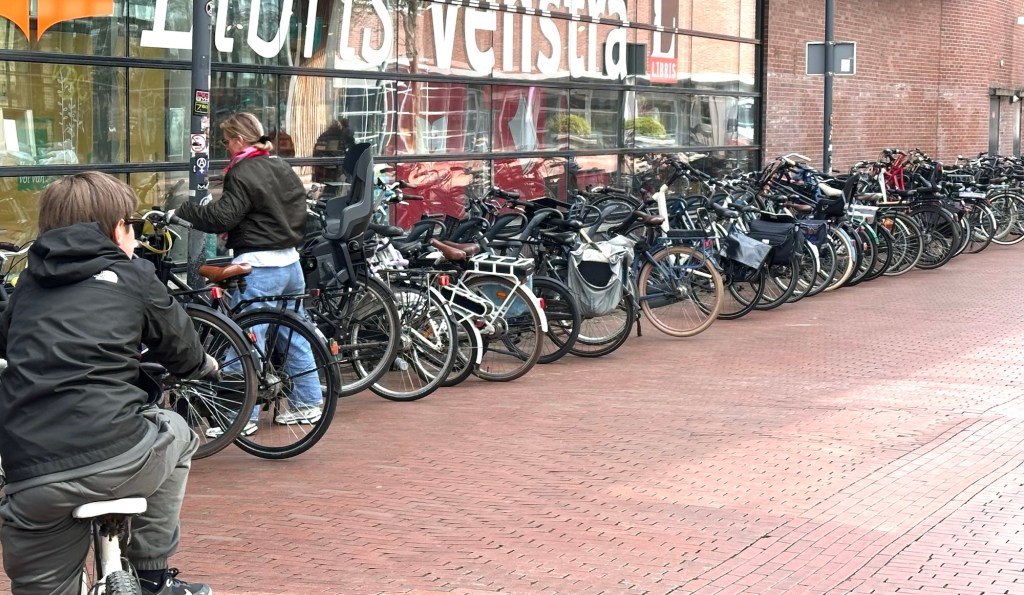

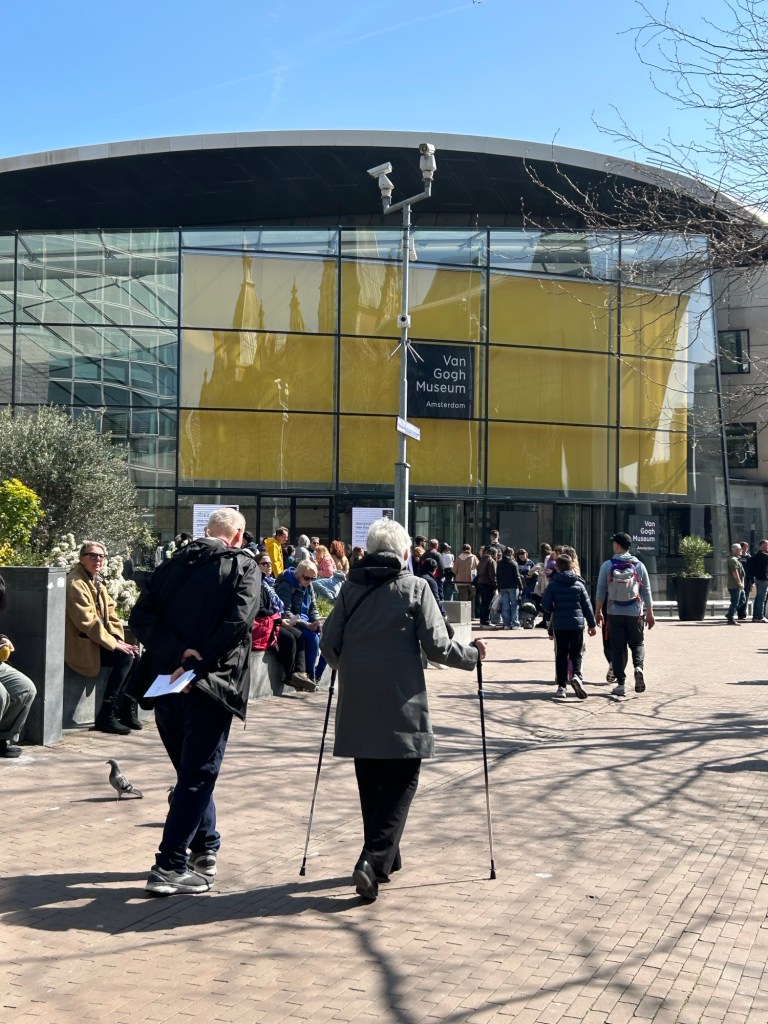
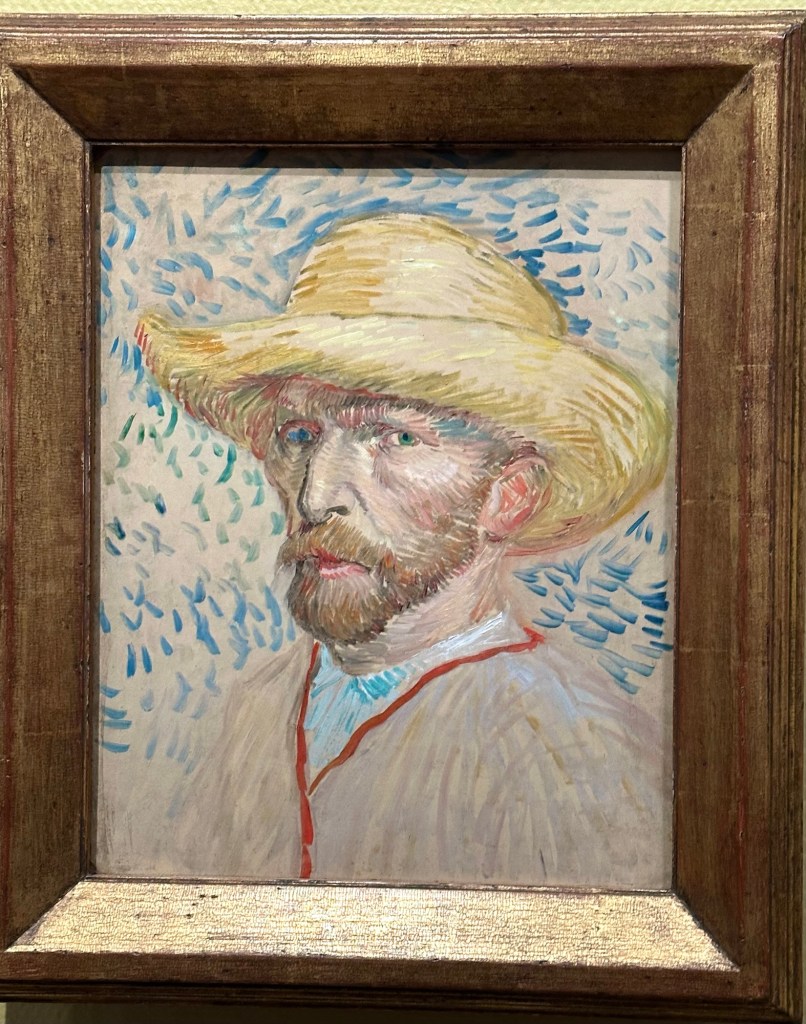


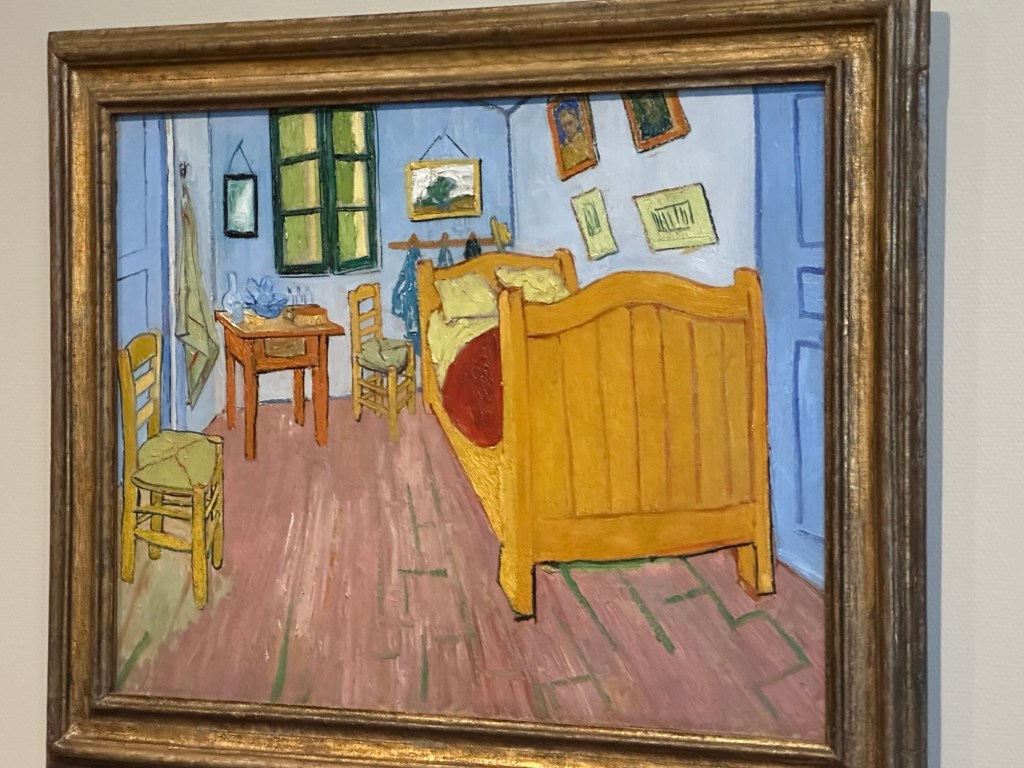
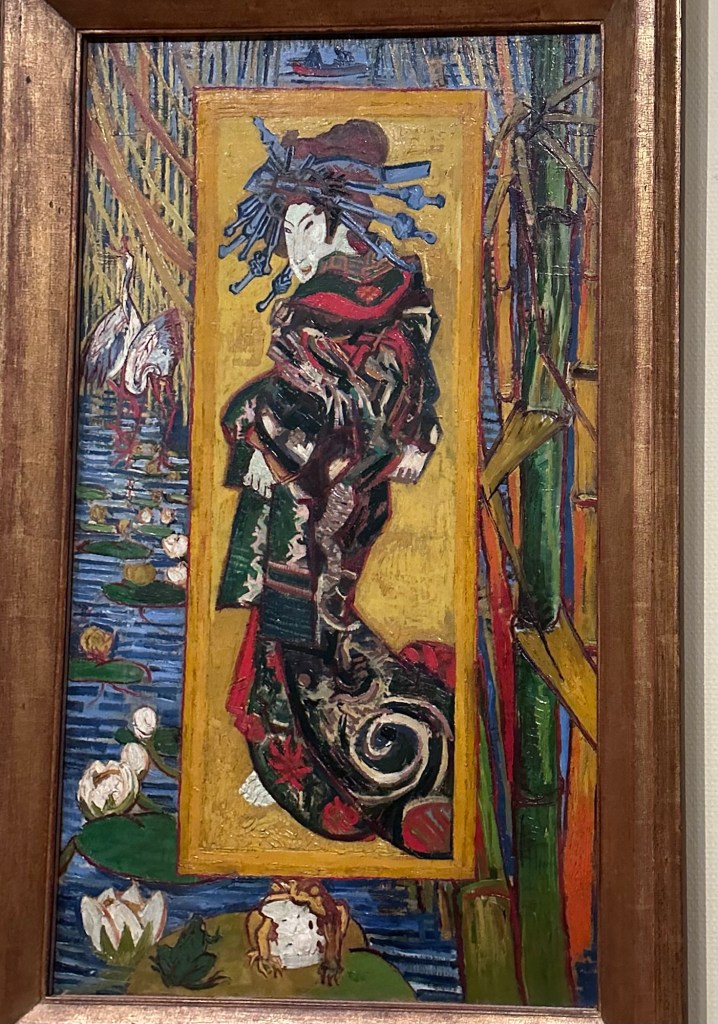
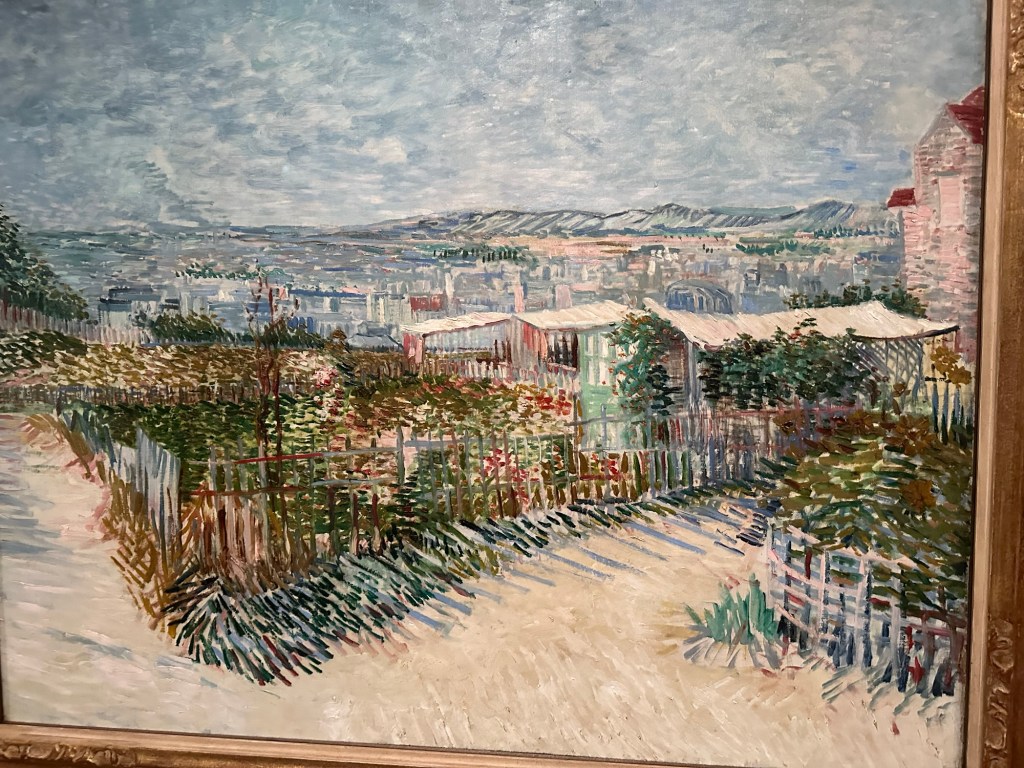



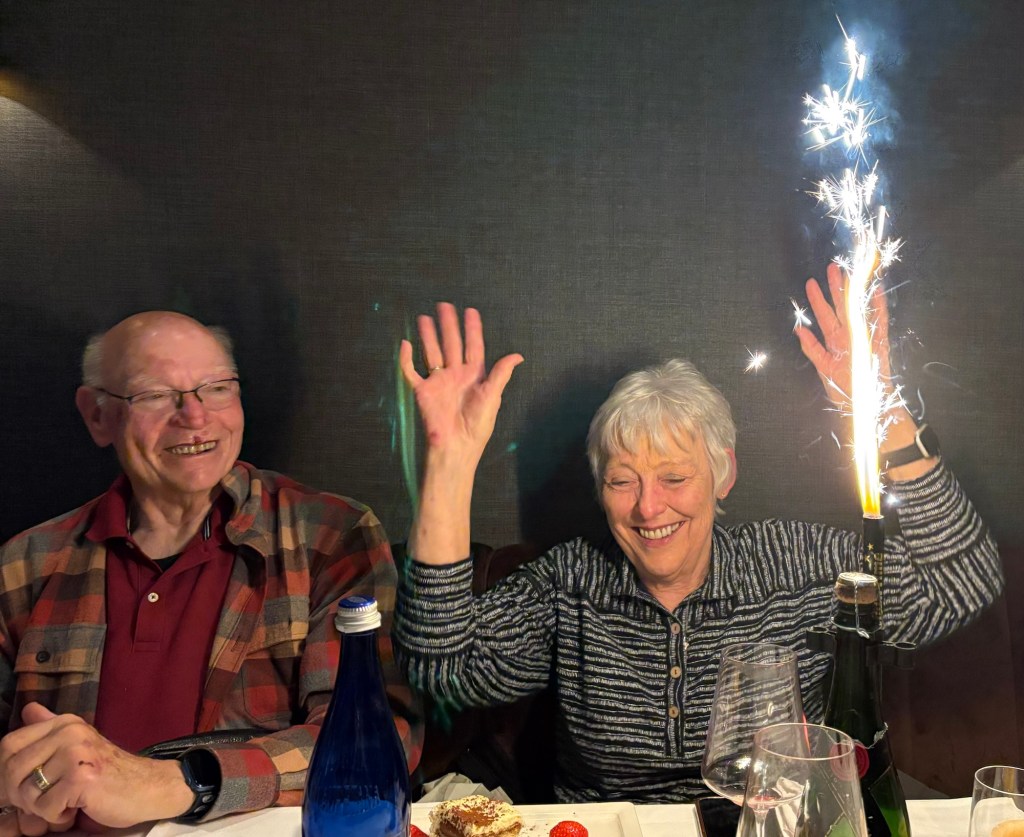
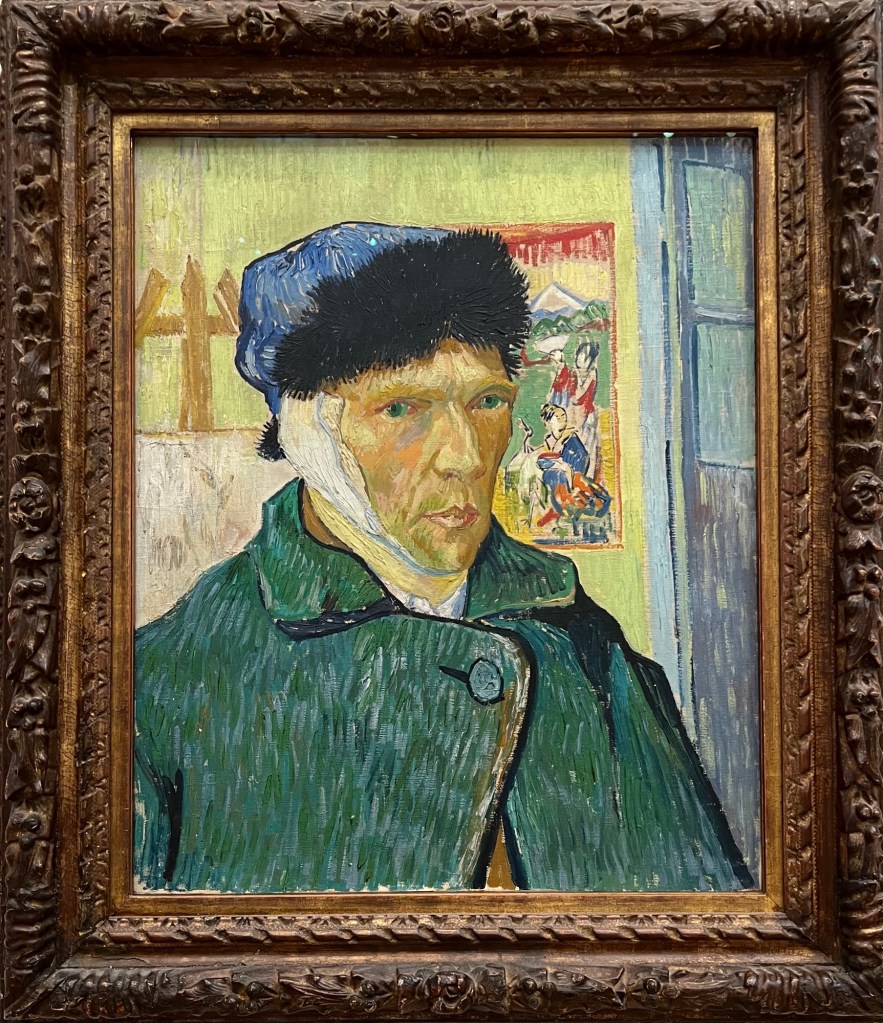
 Tipps for Travel