Flying from Asheville to Charlotte to Philadelphia to Amsterdam lasted almost 20 hours, but each flight was on schedule with time for leisurely walks between gates, lunch at Panera Bread in Charlotte, and a coffee break in Philly. The flight was uneventful.
Becky and I had an empty seat between us as I am an aisle person and Becky is a window person. The empty seat is a blessing for the imaginary person who was not sitting there. Betsy and Jim had seats in the middle section and talked with a person going to Uganda for missionary work. Betsy and I tried to watch “A Complete Unknown” in flight, but the sound and the picture were mostly out of sync. Although frustrated, we saw enough of the Dylan biopic to see it later, but in sync.
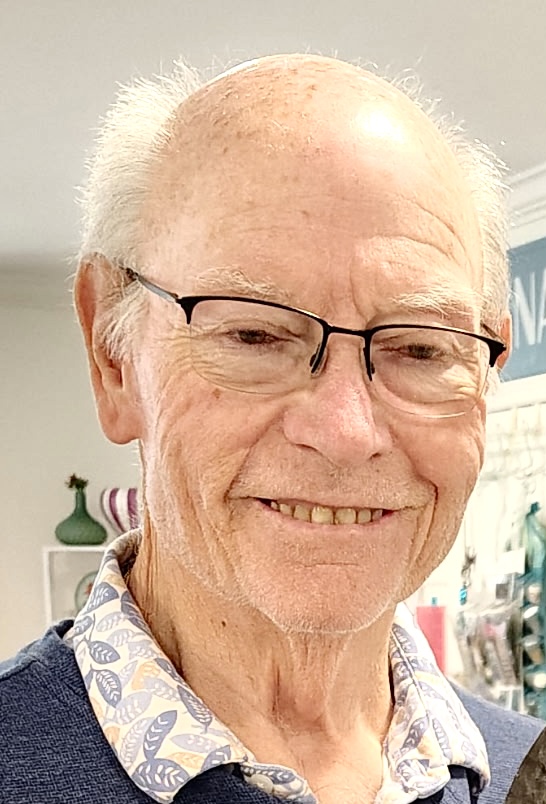
Arrival Amstelveen
At 8:35 on time, we arrived at Schiphol Airport , gathered bags, declared nothing, and were escorted to the front of a passport line by a supervisor. The only hitch came when the passport inspector questioned my 7-year old passport picture which no longer looks like me. After conferring with someone, he declared “It is you, but you have lost weight, ” I replied, “Thanks for noticing!” In thirty minutes, we were out at the curb—a testament to Dutch efficiency.
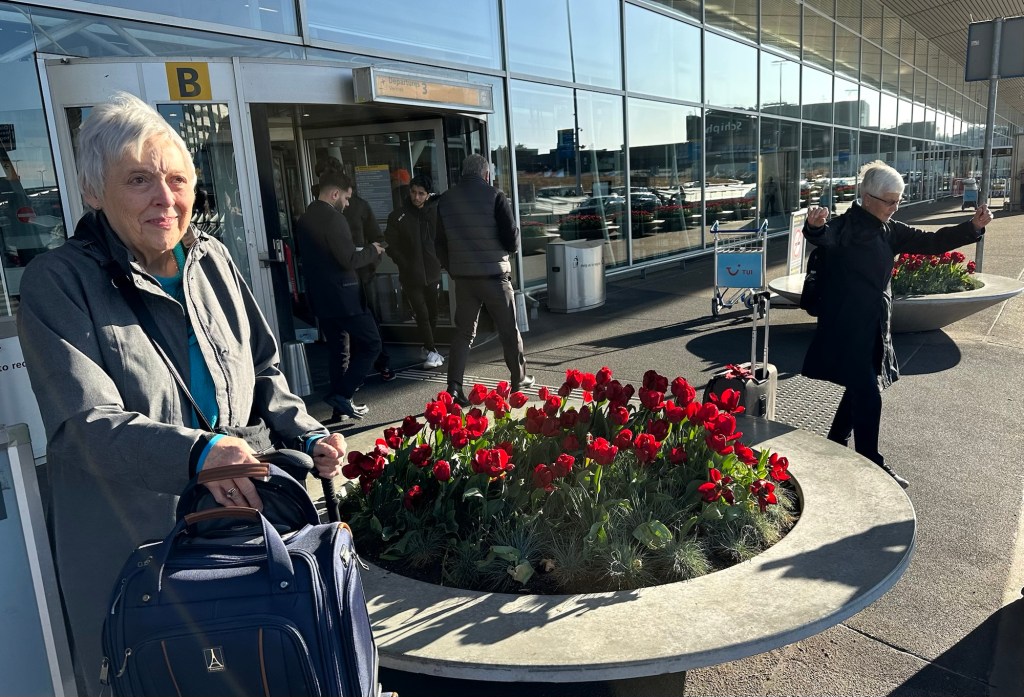
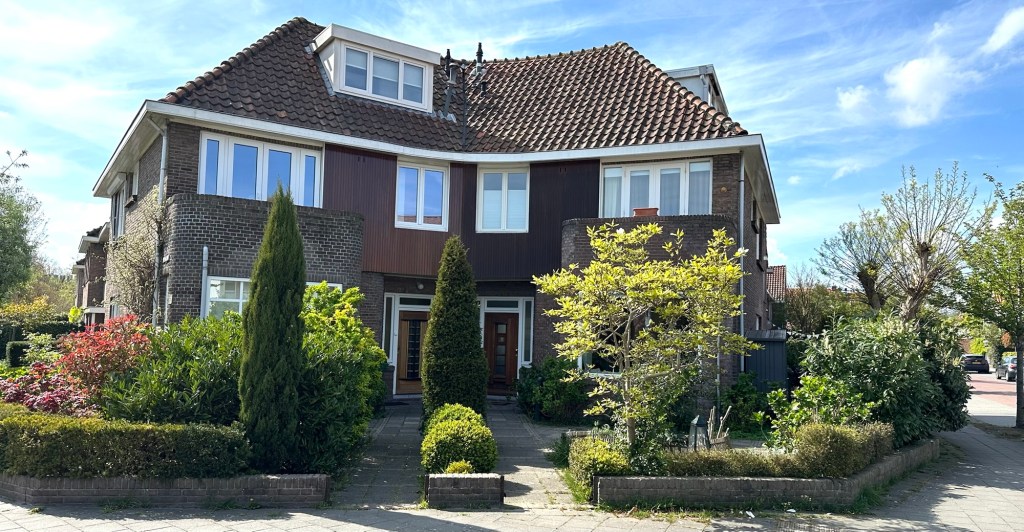
Our Super Host Marita picked us up for a ten-minute ride to the Airbnb in Amstelveen. Rather than staying in a hotel, we rented a house in a lovely community with parks, restaurants, shops, neighbors, and a lot of personal attention from Marita and Carl. They showed us everything from garbage collection to the coffee maker with a complete description of the household routines labeled “quirks.” World travelers, they were off to Turkey for a month. Marita spends a month in India annually and last year had a meeting with the Dalai Lama. Carl retired as a physiotherapist two years ago but has an in-home studio where Jim continued his physio exercises.
After 20 hours in transit, we were tired and hungry. Marita laid in food for breakfast which provided a midday repast of coffee, tea, and peanut butter on great chewy bread. While Betsy, Becky, and I napped, Jim scouted the area locating the nearby bus stop with links to buses, subways, trains, and trams. We can get into the heart of Amsterdam in 30-40 minutes. He also wandered through “old town Amstelveen” where he found a restaurant featuring authentic Indonesia dishes.
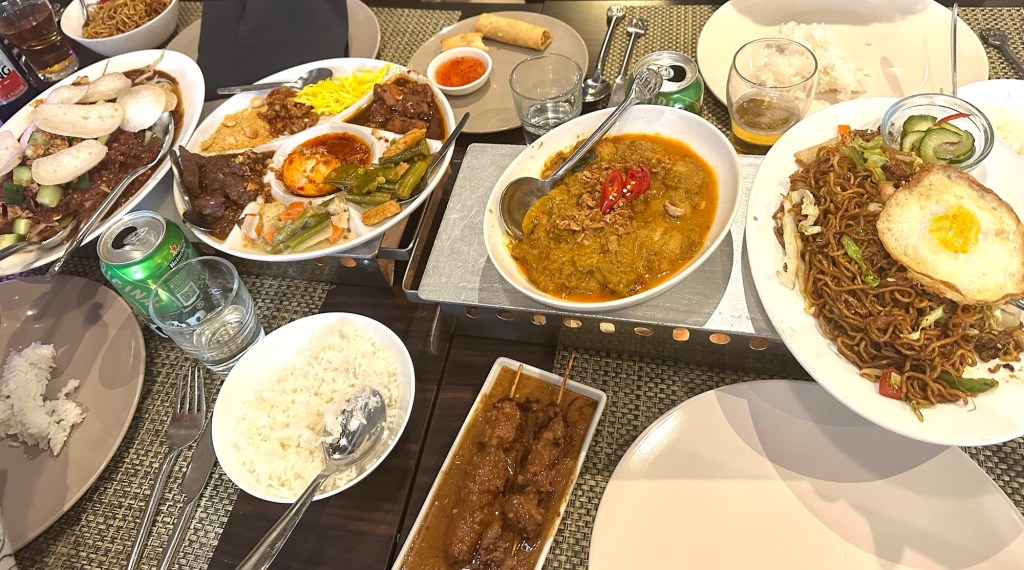
Lemon Grass became our dinner destination where we ordered four different dishes—each with unique spice combinations unlike any we know from Thai, Indian or Vietnamese cuisines.
Our long first day ended with a game of progressive rummy and early to bed. Becky and I took the bedroom on the second floor and Jim and Betsy are on the third floor—age before beauty. The stairs are steep, narrow and curved making climbing precarious for us all, especially me with size 15W shoes.

The temperature was a chilly 31 degrees due to a late spring cold snap. Duvets warmed us in our beds, and we prepared to wear our warmest clothing for the following day.
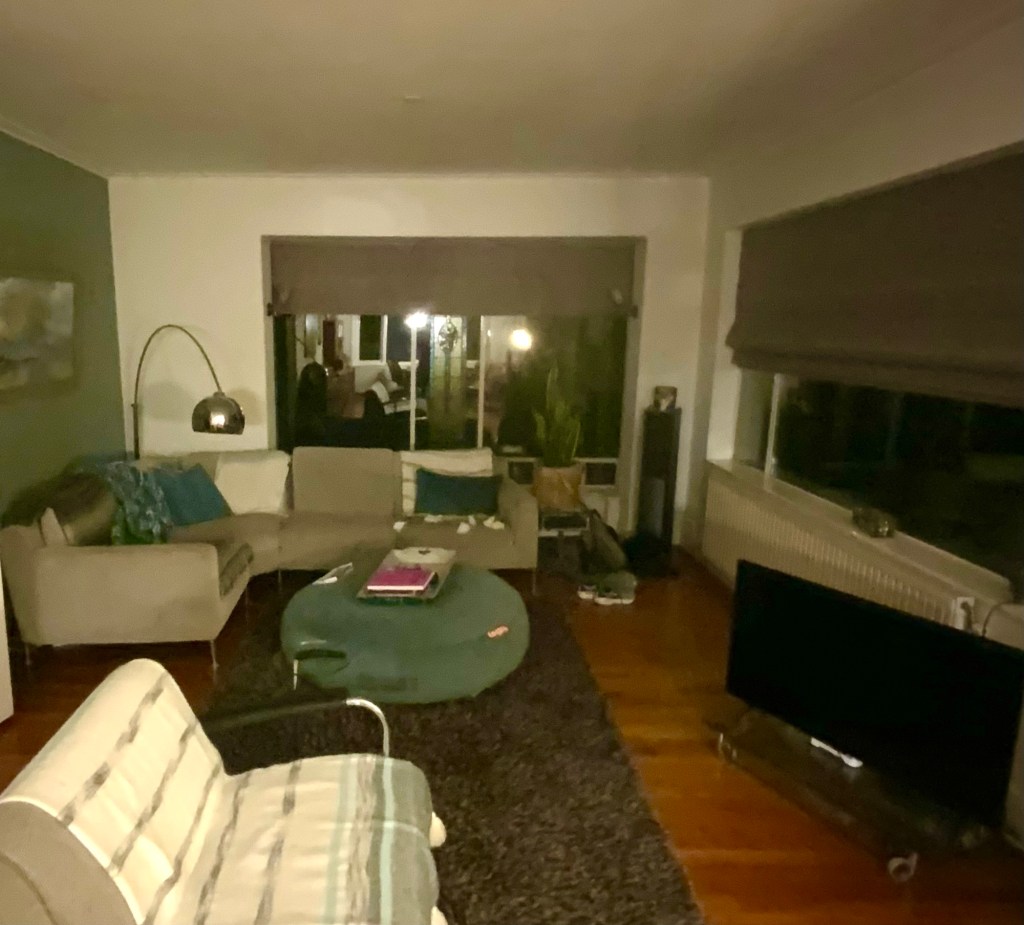
perfect for reading and contemplating the day
Amstelveen was named for the river Amstel plus “veen” for low lying or swampy area. A peat farming village was established here in the 1600s. The rural nature was maintained until 1920s when an early airplane landed and acreage was bought for an airfield. The boggy nature of the land became a problems as aircraft became heavier and were often trapped in the mud. The airfield was drained and built up for better landing. The strategic location was captured by the Germans early in World War II, bombed repeatedly by allied aircraft including one assault of 1600 bombs, and completely destroyed in the German retreat.
Dear Readers, at this point I should have posted and started a new blog, but did not. Break your reading as you wish. Also note that all the photos, whether single or multiple, may be expanded for closer inspection with a tap or two on the screen. Otherwise, thanks for reading.
Amstelveen was transformed from a village into a city of 100,000 after WWII as a result of its proximity to the rebuilt, growing modern airport. When KLM headquarters was built nearby, other businesses followed with the need for housing.
End of Arrival Amstelveen
Exploring Amsterdam
Getting Around the Big A
Day One in Amsterdam focused on mastering the transport system and taking a canal boat ride. We used the 9292 transit app to plan our trip to Amsterdam Centraal starting with Bus 357, just four blocks away. It connects to the Metro also called the Subway which, despite its name, runs mostly above ground and looks like a high speed train. Along the route past Schiphol Airport , we saw many stunning modern office buildings.
We arrived at Amsterdam Centraal Station, the transportation hub for Amsterdam and the whole of Netherlands. Centraal was completely remodeled over the last 10 years and now includes an upscale shopping mall and all the facilities for thousands of daily travelers. Entering the toilets costs .9 Euro ($1) with a tap in of your phone or credit card, but never cash. The facilities are clearly marked M and W, but gender differences are not strictly enforced. When the W line is overcrowded, Ws cross over into the Ms stalls. When in Amsterdam….
A long ride on Tram 2 took us through the center of Amsterdam, past the Museumplein where Rembrandt, Van Gogh and Banksy reside, and into suburbs for an architectural tour of apartment buildings from the 1920s to the 2020s. At the end of the line, we got off and rode back to Leidensplein at the lively heart of Amsterdam. Hungry at 2:00, we found many cafes and bistros offering late-lunch choices. We chose Lavash, a Middle Eastern eatery, where the pizza and salads were excellent—fresh and tasty.

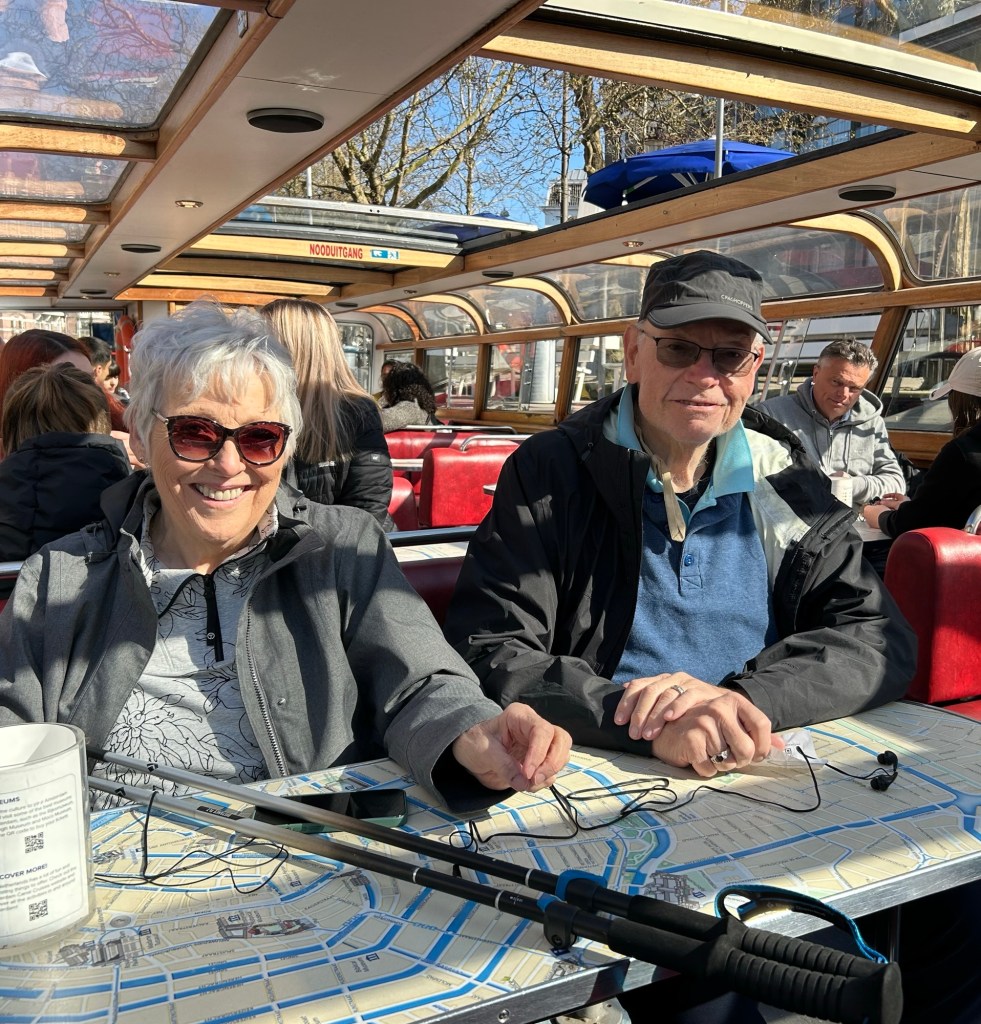
Booking a 4:00 Blue Boat Canal trip, we were taken in and out of canals. under bridges, past million dollar apartments including the Mayor’s official residence, and beside million dollar houseboats moored along the canals. We were awash with sights and sounds of Amsterdam.
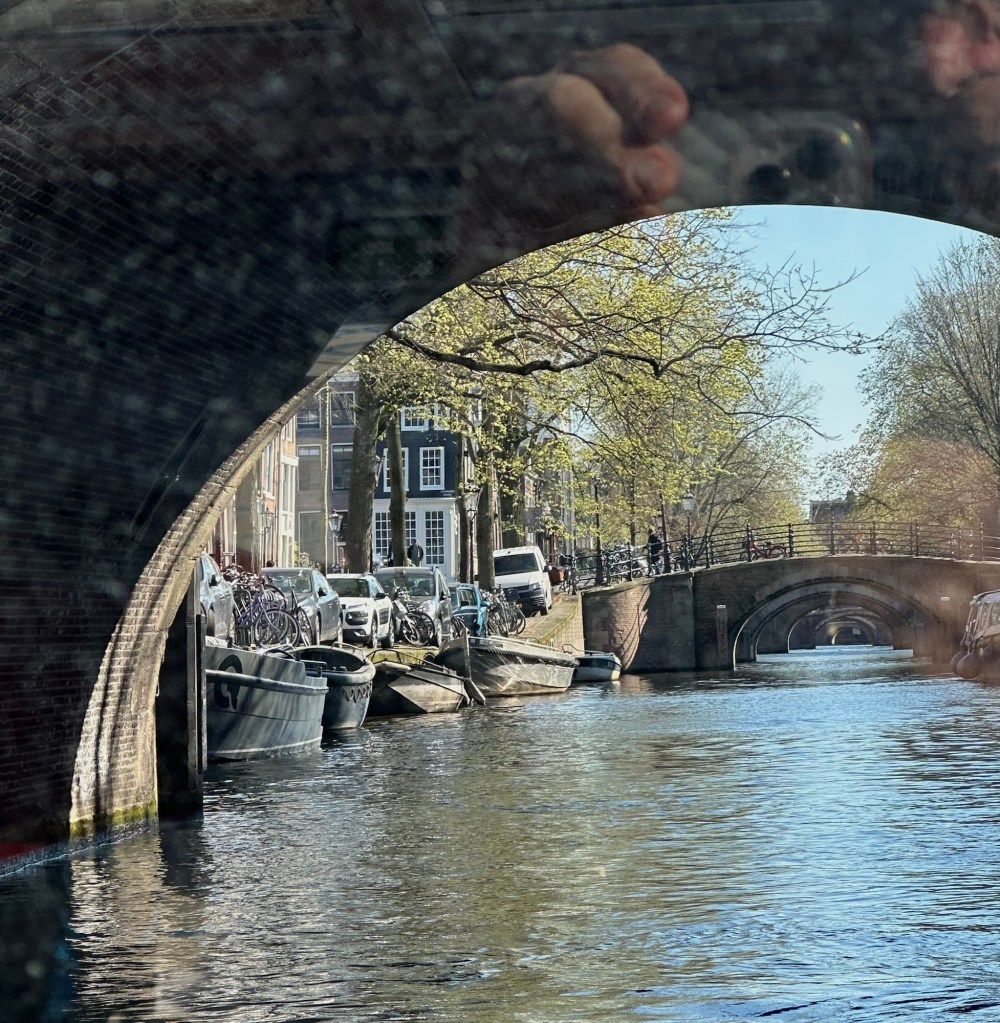
The tour ended a block from the 357 Bus stop. Betsy, Becky, and Jim went into SPAR (think upscale 7-11), while I stood watch for the bus. As a 2-minute warning flashed on the electronic sign, the provisioners returned with supper salads and sandwiches. We hopped on and twenty-five minutes later we were in Amstelveen for the 4-block walk to the house—our circuit for the day. Day One was a success in learning the transit system and taking a touristy canal boat ride as our introduction to one of the great cities in the world.
Caroline, the next door neighbor, popped in for a visit. She greeted us warmly and answered questions— clarifying directions to grocery stores and recycling procedures.
In the sun and out of the wind, the temperature was a nice glow in the low 50s, but as the sun waned so did the temperature. After walking 2-3 miles during the day with the chill descending, we ate salads and sandwiches and headed for beds seeking refuge from the chill under warm duvets.
Soaking in Art
Day Two began with a walk to Vomar, the local grocery, where we bought staples, lasagna and salad for supper, and snacks which Jim and I call “fun foods” such as popcorn, stroopwaffles, and almond cake. The half-mile walk each way took us past spring blooms in front of many houses.

At noon, Bus 357 took us to the Rijksmuseum where we had timed entry for 1:30. The bus stopped a few blocks from the museum with enough time for a quick sandwich from a stand on the plaza in front of the museum.

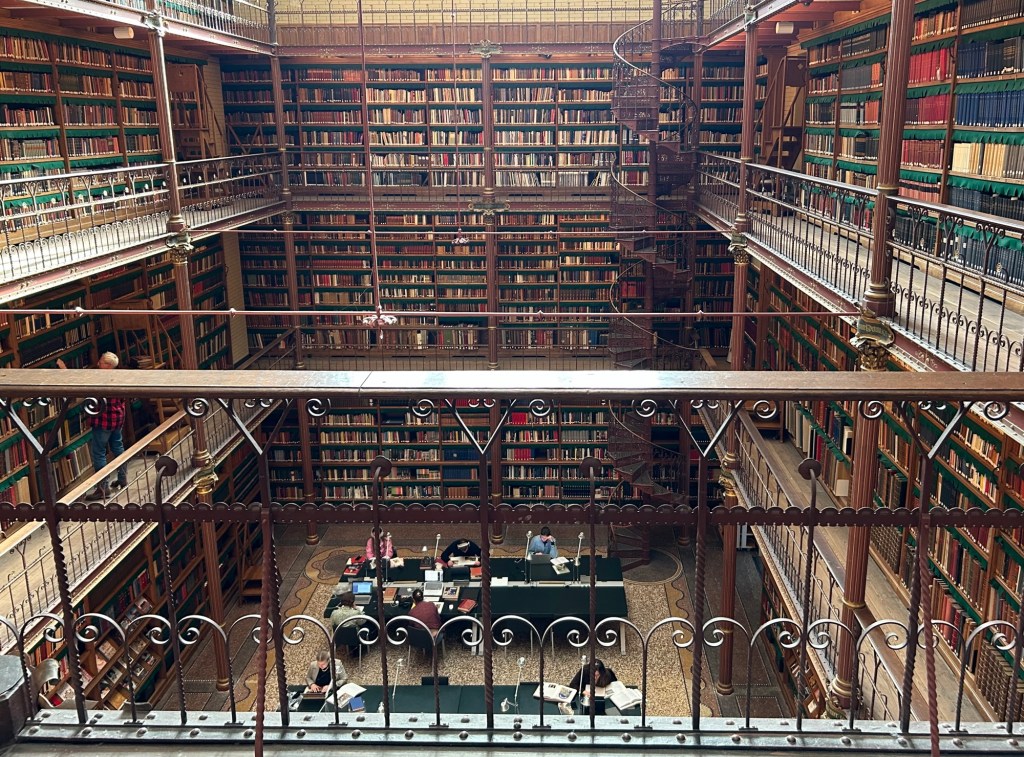
RijkMuseum is a gigantic, magnificent edifice purpose built in the 1880s to hold art treasures from 1400-2000. Each floor is filled with a century of art work. Not having three days to see everything, we were selective.
At the center of the museum is the Honour Gallery which showcases the most famous painters from the 1600s: Rembrandt, Hals, Vermeer, Steen, and more. In their time, they were revolutionary. The museum recently acquired and is featuring a painting by a woman from the period. Who knew?
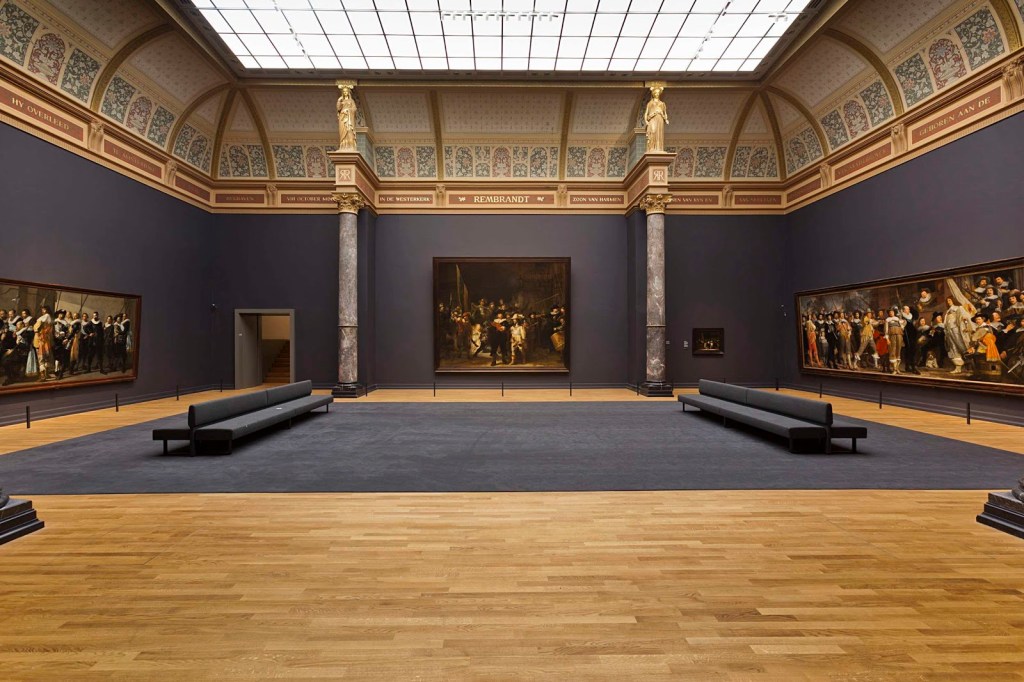

We stood transfixed for a time outside the glass enclosure which protects Rembrandt’s “Night Watch” — colossal in size and significance. It had been damaged twice recently—first by knife then with acid. Restoring the painting has begun again to remove dirt, smoke, and varnish accumulated over centuries and to repair past restoration efforts with latest techniques and computer precision. The light and bright colors of the original as well as some long-obscured details are being revealed turning the night into glimmering “Day Watch.” Restorers doing this painstaking magic, pixel by pixel so to speak, are watched by a large audience.
The Museum’s website includes much information and many virtual opportunities to explore the art works featured there.
https://www.rijksmuseum.nl/en/press/press-releases/restoration
One of the most interesting galleries focused on the Dutch East India company, its positive economic impact for the Netherlands and its negative consequences for indigenous peoples across Southeast Asia and South America. Exotic spices were an important part of the Dutch import trade. We were told that Indonesian food is the second cuisine of the Netherlands and now we understood why.
Betsy and Jim were amazed by the vast collection of china, silver, swords and assorted “loot” accumulated by the traders over three centuries of colonial rule.

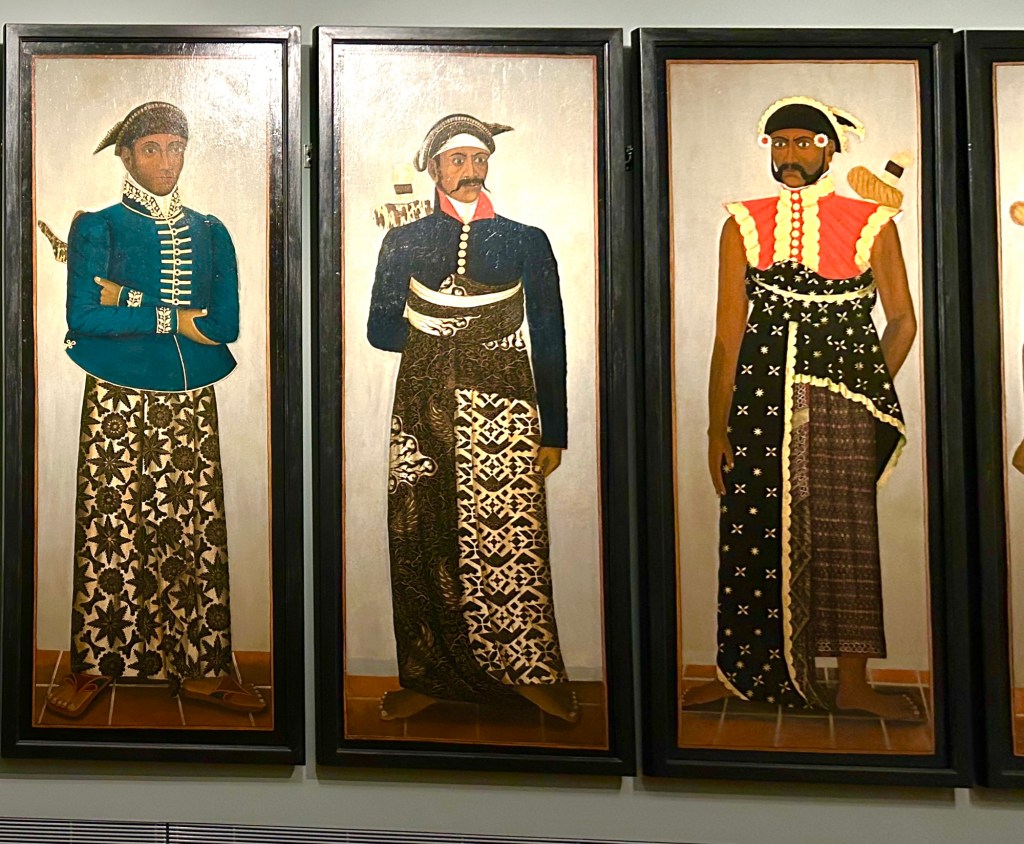
Schouten’s huge and detailed dioramas of Amsterdam and Surinam trade in the 1800s were special favorites. Portraits of military garb combining native and standard Dutch elements were quite beautiful yet culturally disturbing.
Becky and I spent time with the American Photography exhibit shown in five large galleries filled with 500 photographs from the Rijksmuseum collection and on loan. This survey showcases 200 years of American life—at home and at work, in families and alone, in despair and celebration, in servitude and freedom, at war and peace. Also highlighted were photography in advertising and marketing and photography as art. Images include those from famous photographers such as Diane Arbus and Richard Avedon as well as ones from family albums and by unknown photographers.
At 5:00, we boarded Bus 357 just as the work crowd started clambering aboard. The bus was soon filled to overflowing—no places to sit or to stand as more and more people jammed in. We tapped in with phones or credit cards, but the buses were so crowded it was hard get to the exit and tap out. Becky was the last to be extricated from the throng; the bus waits for no one.
Betsy and Jim headed back to Vomar grocery for coffee beans we had forgotten that morning, while Becky and I walked to the house directly, unlocked the door, and fell exhausted onto sofa and chair. We had walked 4-5 miles during the day still exhilarated from all we had seen.
After some down time, Betsy and Jim heated lasagna in the oven and created a salad of endive, arugula, and tomato for a fine supper. Steve and Becky organized “fun food” crackers, cheese, olives, and Krab dip for appetizers and did cleanup. Another fine day in the neighborhood, we were ready for a warm night in the duvets hoping for warmer weather the rest of the week.
Hanging around Amstelveen
After two heavy-duty days, Day 3 was by design an easy one. We slept late and ventured out around 11:00 to the large shopping mall one stop away on Bus 357. The mall was full of trendy clothing stores and fancy chocolate and snackery shops. Tucking into the Boulevard Cafe because the weather was still where we ate delicious salads and sandwiches.
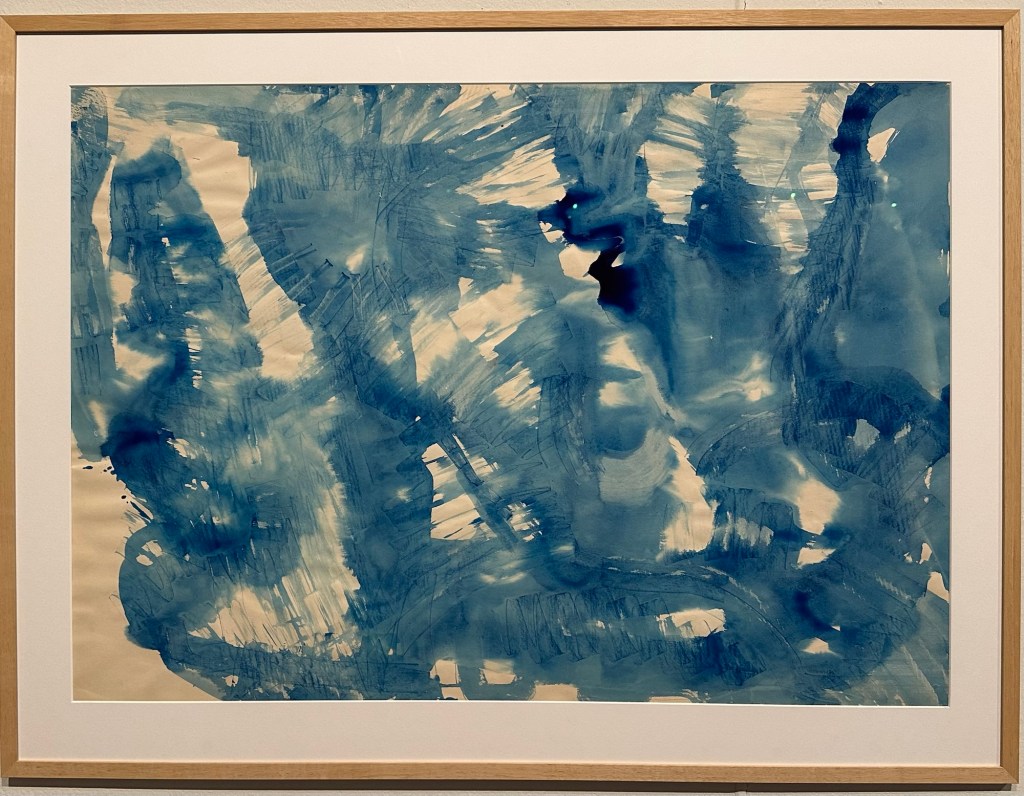
Becky and I spent the next hour at CoBrA museum showing contemporary work from artists in Copenhagen, Brussels, and Amsterdam. We enjoyed some of the art and were puzzled by others before taking the bus back.

Betsy and Jim packed up groceries at the ubiquitous Albert Heijn and took the sidewalk, up and over a huge highway construction project, back to the house with a stop for cappuccino. Becky, Betsy, and Steve napped while Jim read and showered. At 7:00 appetizers were out and pizza followed for supper. An early evening was called because the next day required early start.
Keukenhoffing-Trials and Trails
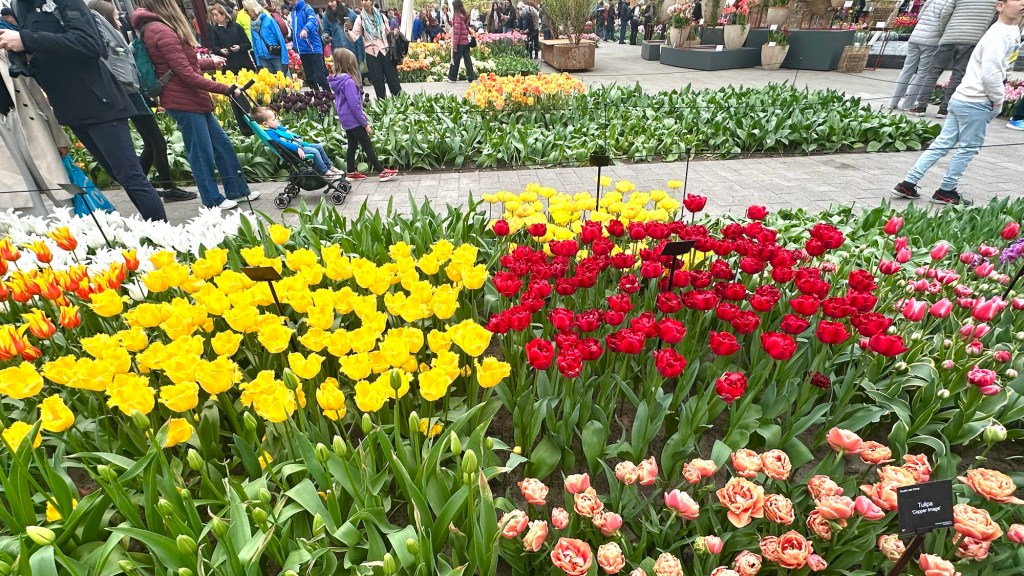
Keukenhof Gardens was our destination of Day Four. Nine years ago, Becky and I visited this gigantic garden filled with tulips, hyacinths, and many spring flowering flowers and bushes. The plantings represent many different growers and are arranged in landscapes, vignettes, and masses. We were excited for a return visit.
We booked a tour which departed at 9:00 “somewhere close” to Centraal Station. Many complaints on the website were from people frustrated in locating the tour bus. Since Centraal is about an hour away, we added plenty of time to find the ambiguous “somewhere close.”
We were out the door at 7:15 in the chill, when the first bad thing happened. Hurrying instead of minding my step, I tripped on a curb, did a brief but animated dance into the middle of the street, and landed smack on my face. My nose, right cheek, right hand, and glasses were the primary casualties. Thanks to Eliquis, each abrasion, scrape, and puncture immediately pooled blood. Something akin to a champagne fountain at a wedding reception.
A kind neighbor brought his first aid kit and spotted my bleeding face and hand with iodine. He wanted to do more, but we insisted we did not have time for further repair. We were on a flower mission.
I continued to drip on the bus and the Metro to the horror of fellow passengers. My glasses bent back into relatively good shape, but the right lens suffered a scratch the size of a dime in the middle of the viewing area. Persistence amid the drip paid off. Arriving 30 minutes early, we located the tour bus in only 20 minutes with the help of two police officers who also wanted to take me for emergency services.
The bus was several blocks from Centraal—hidden behind the Doubletree Hotel on the cruise ship dock at the end of a line of 15 to 20 tour buses. A few landmarks instead of an address would have been more helpful.
We were told to find a person wearing a green coat for check-in. Instead of a leprechaun, we found a short Spaniard with a green umbrella standing across the street from the bus. After check-in, the kind bus driver with a first aid kit wrapped my right hand in gauze to staunch the bleeding. I stuffed Kleenex up my nose stopping that drip and boarded the bus for the hour ride to Keukenhof Gardens.
We signed up for the English language trip, however most people this day were Spanish. The tour guide was the same non-leprechaun who gave a long talk in Spanish which must have been amusing as there was much laughter. The English version was neither funny nor understandable; the spiel was rendered faster than we could listen and sotto voce.
The ride however was entertaining through Amsterdam and into the countryside where we saw massive ribbons of tulips growing in fields. When we arrived, each of 1000 large tour buses was disgorging 100 passengers. Perhaps an exaggeration, perhaps only 300 buses, but 300 x 100 = 30,000 visitors, and perhaps not an exaggeration.

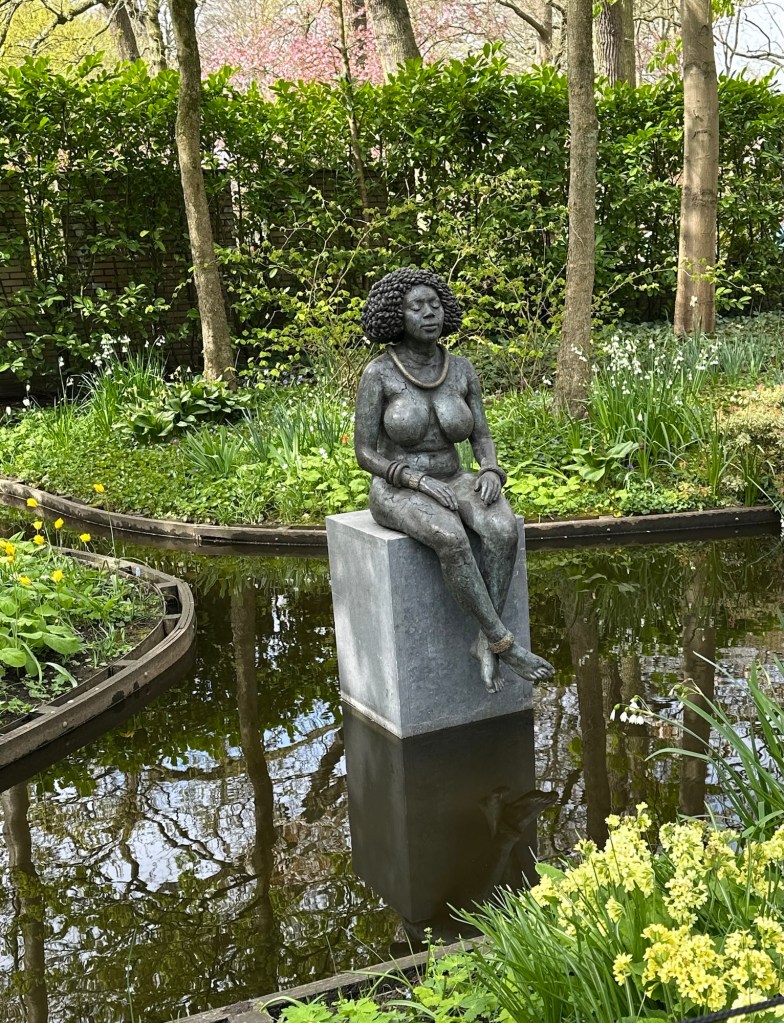
A Six Flags-size parking lot full of automobiles, vans, and other private vehicles had its own entrance on the opposite side of the park. The record attendance set in 2019 (pre Covid) was 1.5 million visitors over 60 days, or approximately 250,000 visitors a day. Any way you count it, many, many, many people were at Keukenhof.
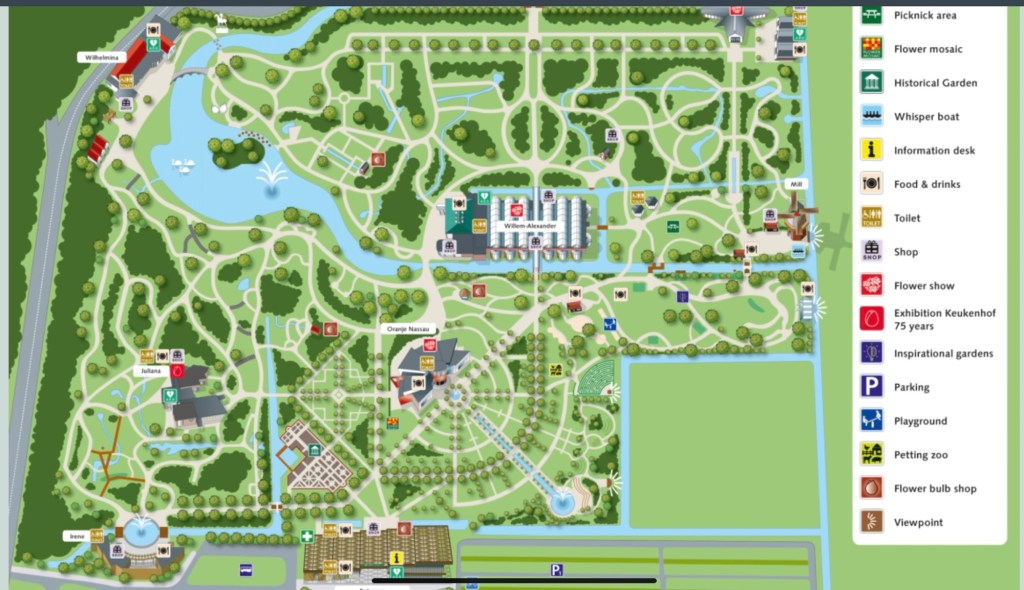
Our guide distributed a map of the garden pointing out features such as the lake, the windmill, the conservatory, new Julianna venue, as well as many eating opportunities and toilets facilities. Most important, he made it clear in both Spanish and English that we should return to this meeting spot by 1:00 or surely be bus-left. That point was critical before being turned loose among 200,000 people. Our quartet determined to meet at 12:45.
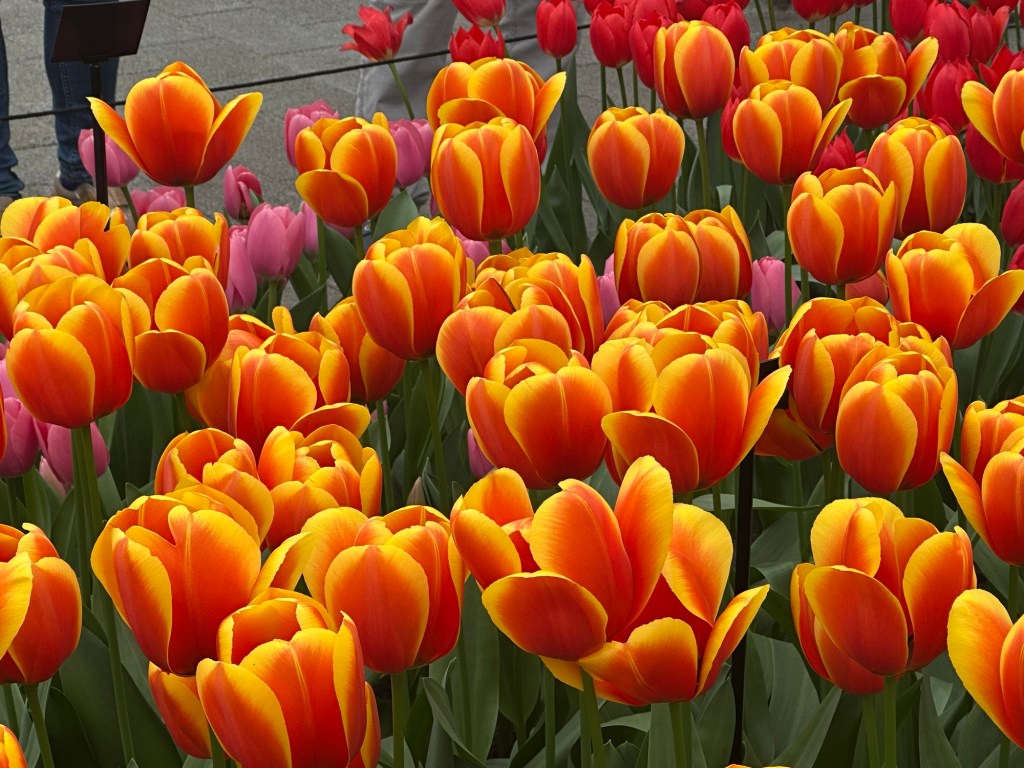
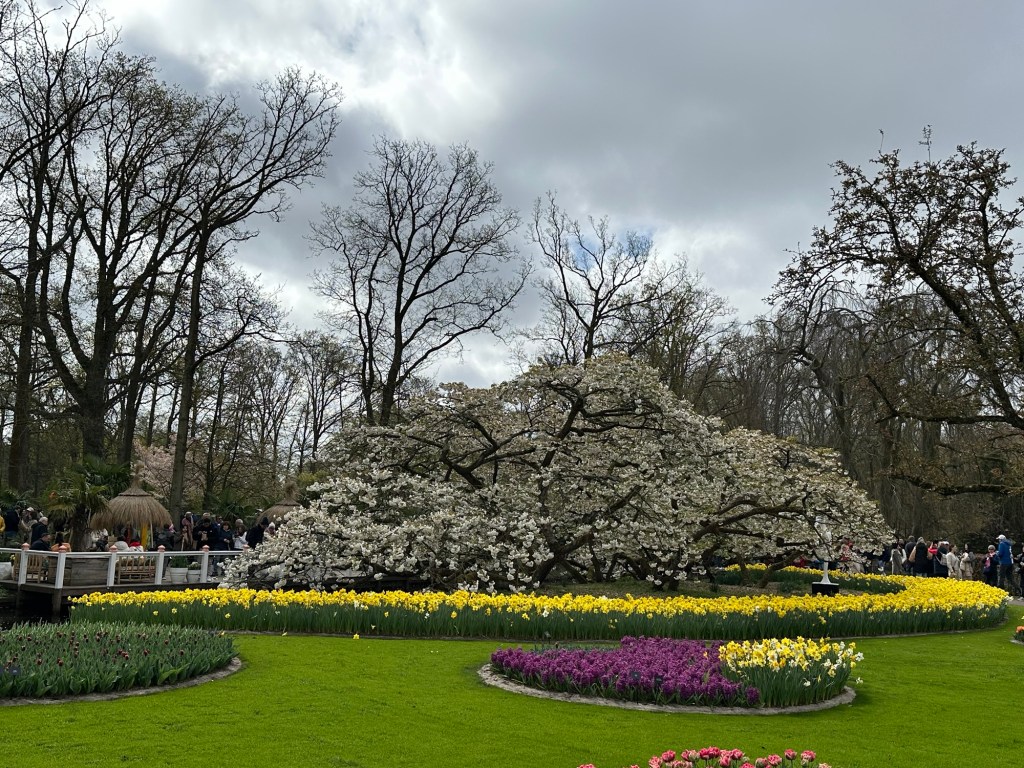
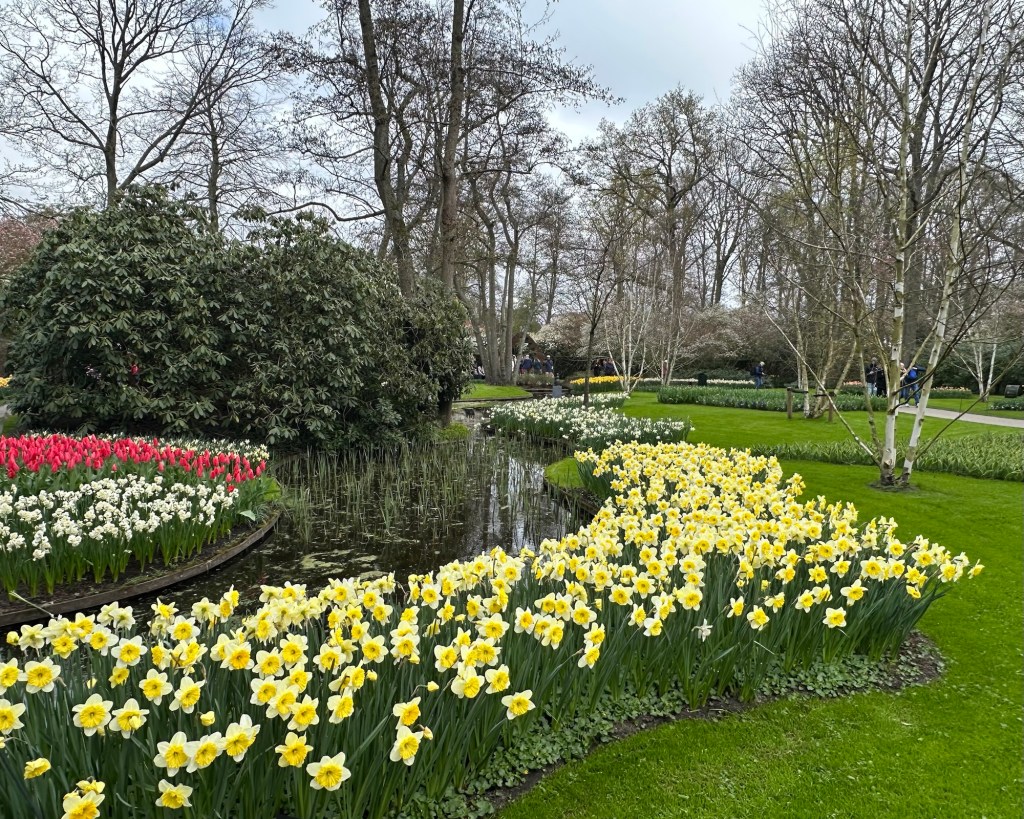
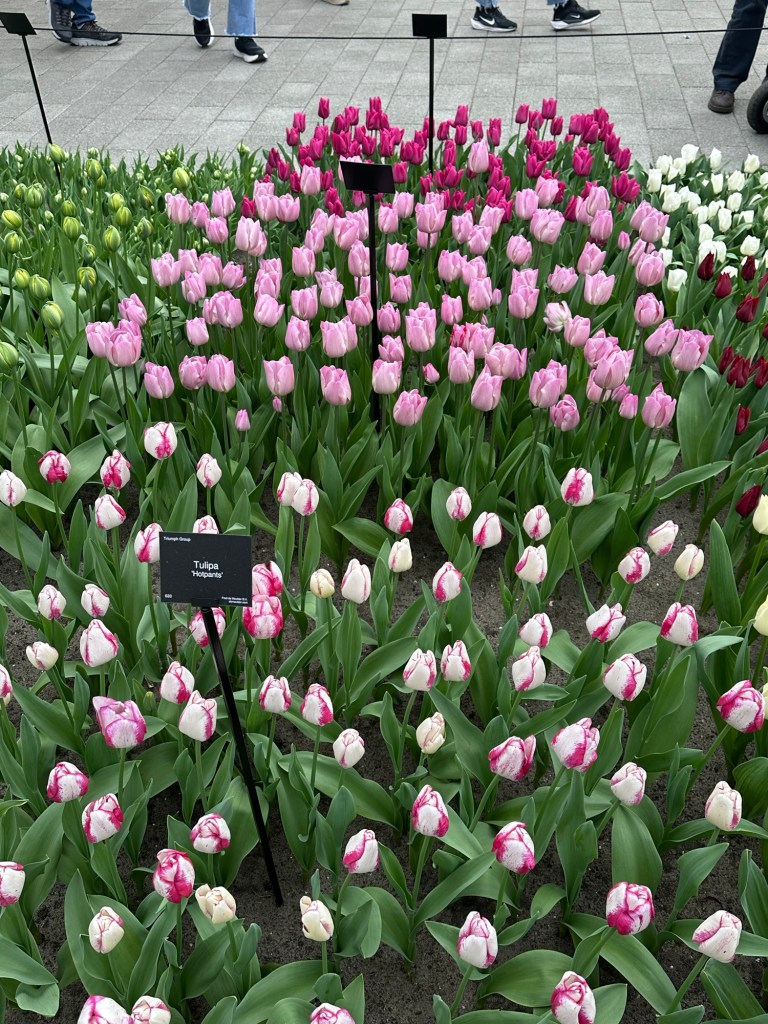
Becky and I went for coffees and excellent blueberry muffins before setting off among the flowers. I was ambulatory, although people did look at my poxy face with trepidation. We entered the conservatory filled with massive displays of tulips of every color.
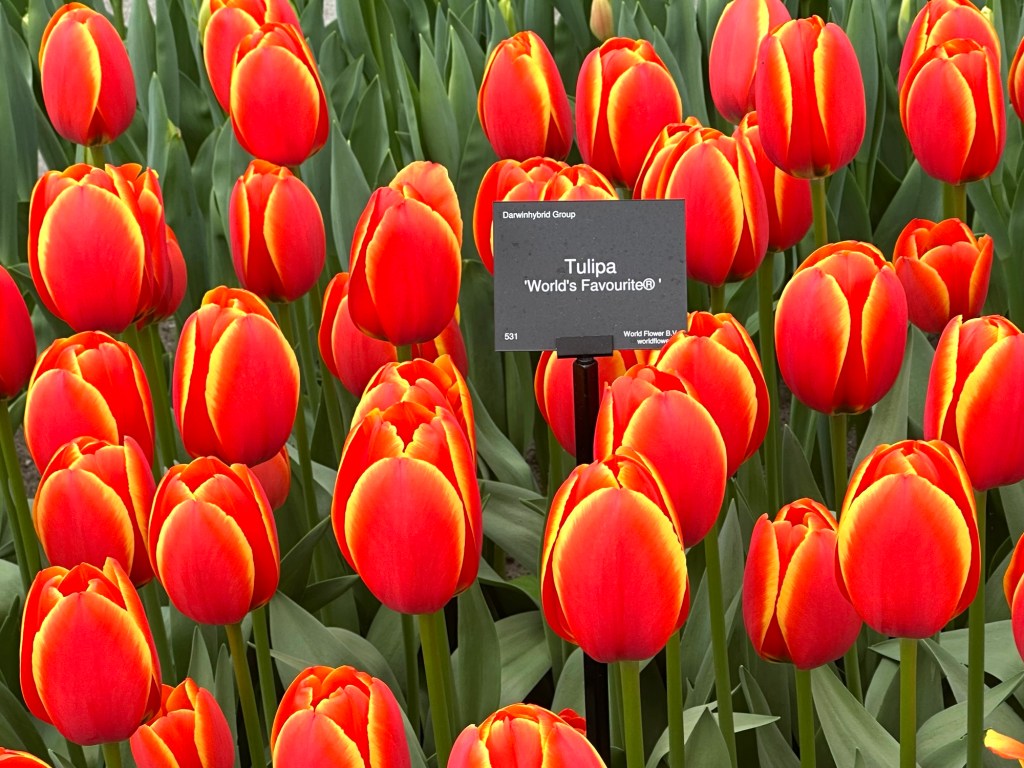
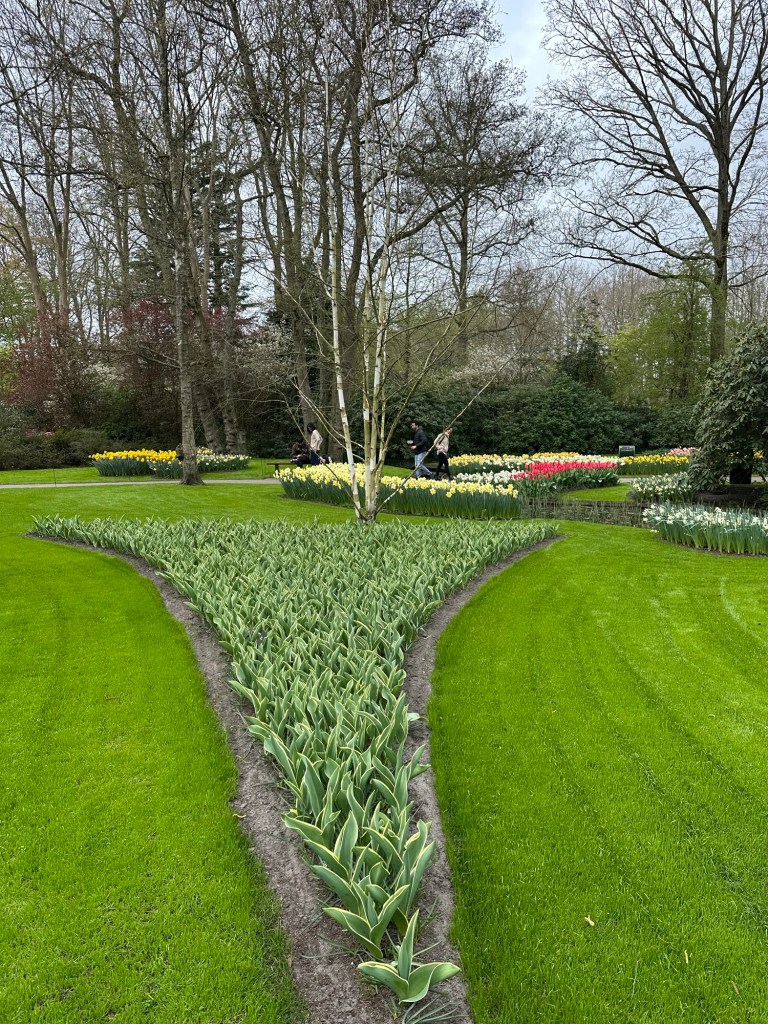
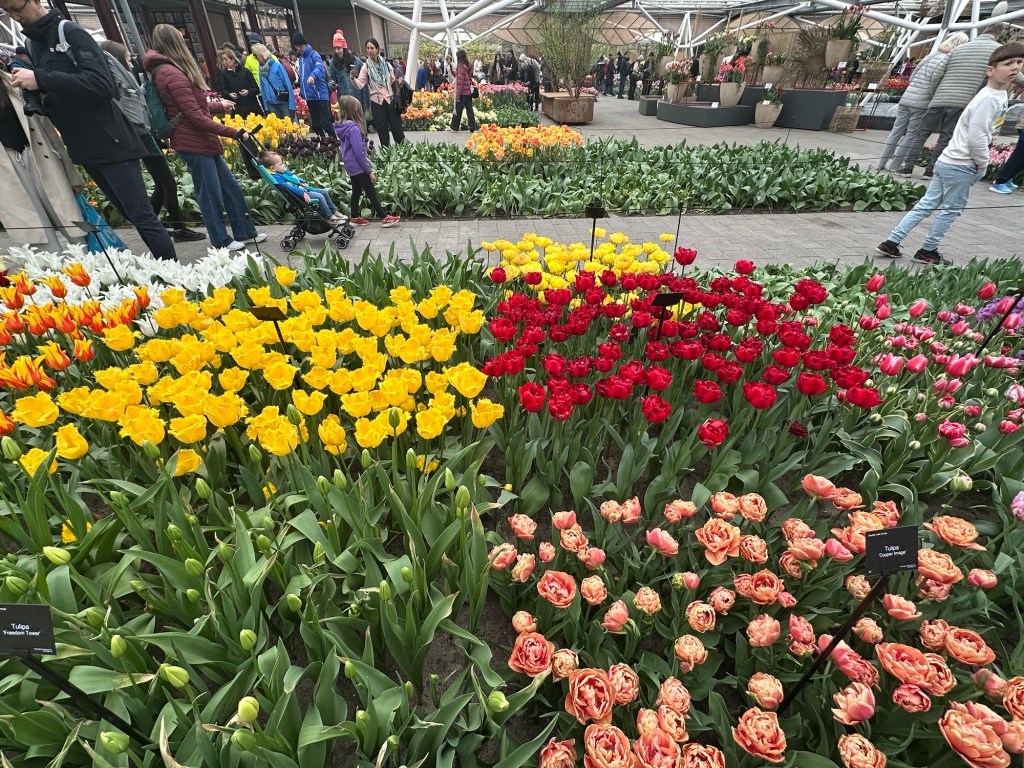
We wandered into the landscaped scenes around the edges of the garden which were less traveled. We came upon the windmill from the backside avoiding the front crowd.
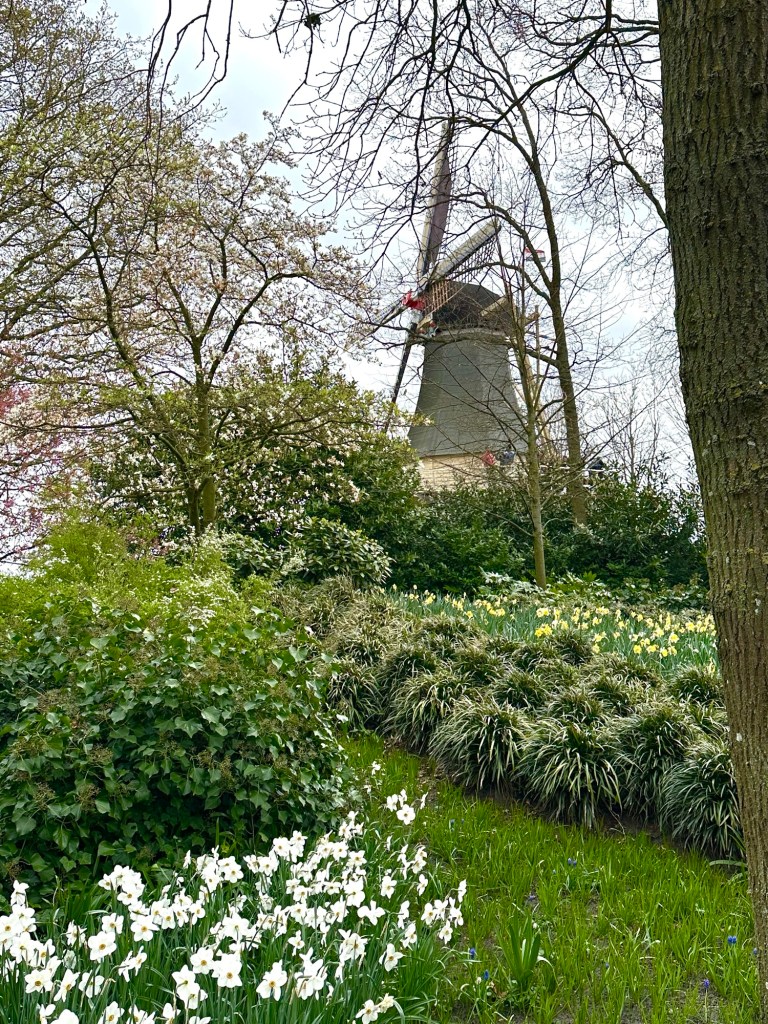

The Robson Report: On our first visit to Keukenhof, the thought of covering almost 80 acres and over 7 million flower bulbs in about 2 hours was daunting. We put some rockets in our pockets and took off.
We wanted to make sure we saw at least one windmill while in Holland, so we started there. You can’t go anywhere in these Gardens without being surrounded by beautiful flowers, so we made a few stops along the way to admire their beauty. The Gardens include several purpose-built pavilions (tulips, orchids, growing and propagation etc.) connected by miles of walking paths.
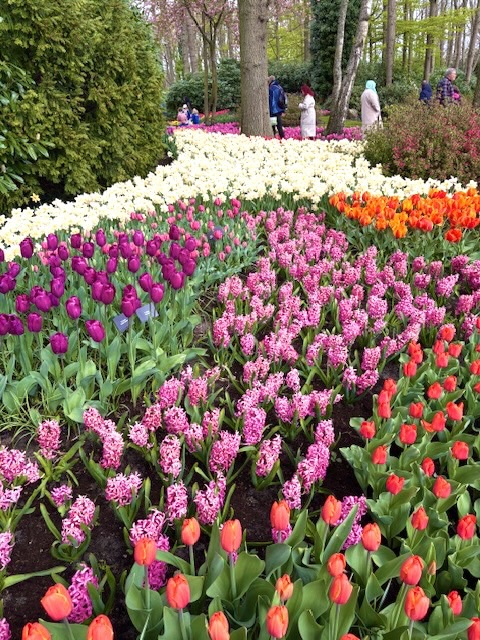
Over 100 commercial growers use the Gardens to showcase their flowers and landscaping design skills. The results are spectacular. Tulips, hyacinths and narcissus (a fancy name for daffodils) are the stars of the show, and flowering trees provide a beautiful back-drop.
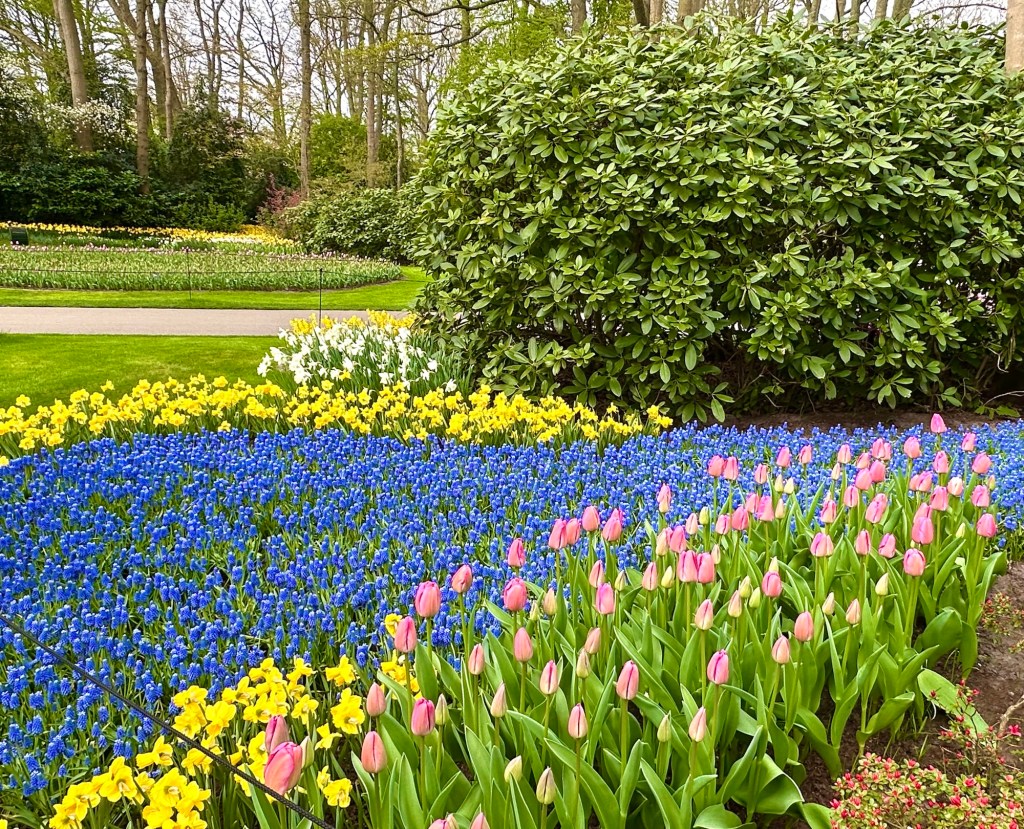
The memory of all of the beauty contained within these garden walls will live with us for a very long time. We saw all of the pavilions and walked as many paths as we could until all of the gas in our rockets was consumed. We plopped ourselves in a cafe to recharge. When our batteries moved from red to green, we continued exploring and arrived at our collection spot with 10 minutes to spare.
At the appointed time and place, we gathered with our bus mates and began walking toward the bus. By 1:00, all the passengers except 2 had returned. When the 2 laggards arrived, the non-leprechaun walked us rapidly toward the bus. Becky and I were hobbling at the back of the pack when the second bad thing happened. Becky fell on the uneven brick pavement, She quickly got up and continued forward feeling unsteady but valiant. She was feeling a slight pain on her side. As a result of our twin falls, when the tour bus got back to Centraal, we decided to take an afternoon at rest.
We planned on riding the tram to Museumplein then catching Bus 357 to Amstelveen. Then, the third bad thing happened. While checking in on the tram, I dropped my phone BAM! under the tram. Jim asked the driver if he could retrieve it; the driver agreed as long as Jim did not actually climb under the tram. Jim stretched out from the platform, found the phone lying directly on the track, and plucked it to safety. PHEW! Now we really need some to time to recover.
When traveling in Europe, your entire life is on your phone: tickets for all events, trams, and buses, the Eurail pass and train schedule, paying for anything and everything you buy. So far, we have had a couple of situations that required actual money.
While Becky and I returned to Amstelveen for recovery, Betsy and Jim wandered the streets and alleys of downtown Amsterdam, a wonderful place to explore with cultural surprises all around.
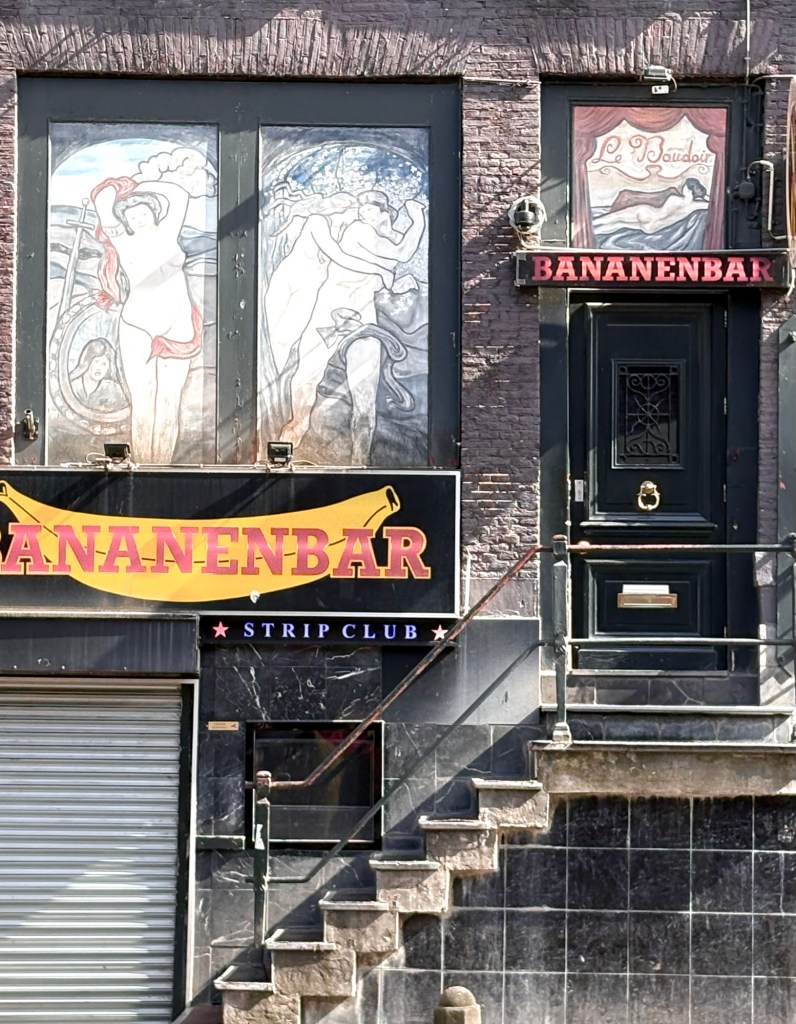
When Jim asked where the “red light district” was, he was told they were in it. Day time on the major streets of RLD looks pretty tame, but on the side streets at night behind the curtains things get friskier and riskier. The police have cracked down on wandering bands of inebriated and high young men tourists looking for a good time.
After an excellent snack of crackers and cheese, the Robsons headed back to Amstelveen and their own recovery from a long day. Despite three unfortunate events and being exhausted, we realized what a fantastic day we had.
Keukenhof Gardens is truly amazing as we were surrounded by nature’s beauty and man’s ingenuity—millions of brilliant flowers and landscapes of such perfection. Our heads were full of those sights. Even 200,000 people roaming around and standing in your photographs were minor distractions. This was a day to remember forever. We trundled off to slumber with fantastic flowers dancing in our dreams
Keukenhof.nl for more about the gardens.
A Day of Celebrations
Day Five was whole day of celebrating Becky’s birthday with cards at breakfast and emails, texts and phone calls all day. We sang John McCutcheon’s birthday song, a lively improvement on the more familiar ditty which John calls a dirge and the most boring song ever written.
The central feature of this day was the Van Gogh museum with timed tickets for 2:45 meaning we needed to catch Bus 357 at 1:30. With the morning open, Betsy and Steve wandered around the huge open air market at the civic center. It was a lively scene with huge stalls of edibles and clothing and most anything else you might want.
We bought bread and pastries, shish kebabs and pita sandwiches, and fresh fruits. We skipped the cheese mongers delicious looking fare and the soup kitchen which smelled wonderful and offered both hot soup for now and frozen soup for later. A short stop at Albert Heijn completed our food purchase with coffee beans, butter, and nut butters.
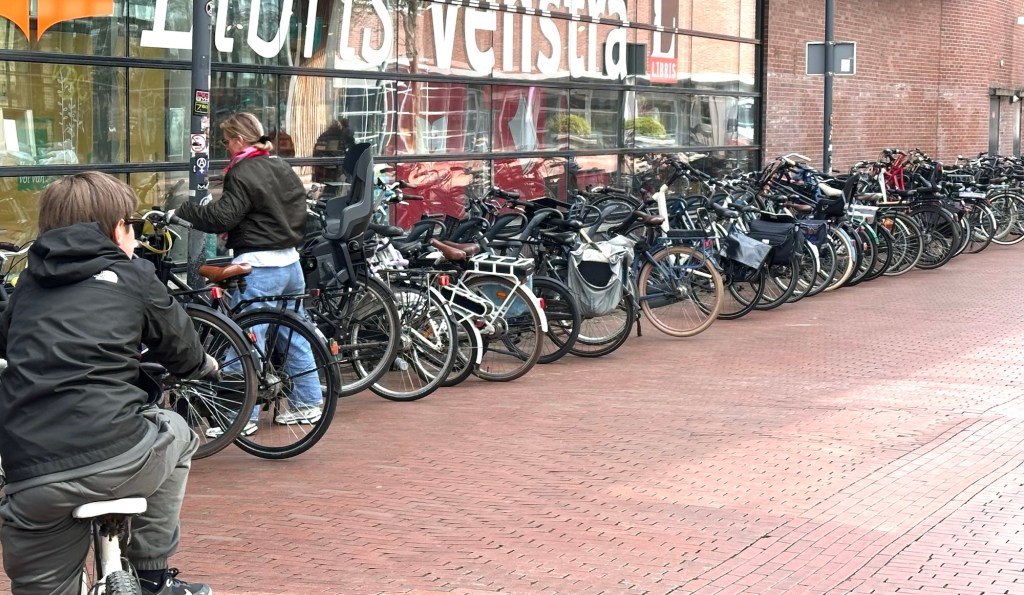
On the way out of the market, I found Becky’s perfect birthday gift—fabric. Not just any fabric but a map of Amsterdam on canvas—perfect for making a tote. She received it with delight and started imagining how she would use it.

We got to the Van Gogh and entered just after 2:30. We were glad we had arranged our tickets even before we left North Carolina.
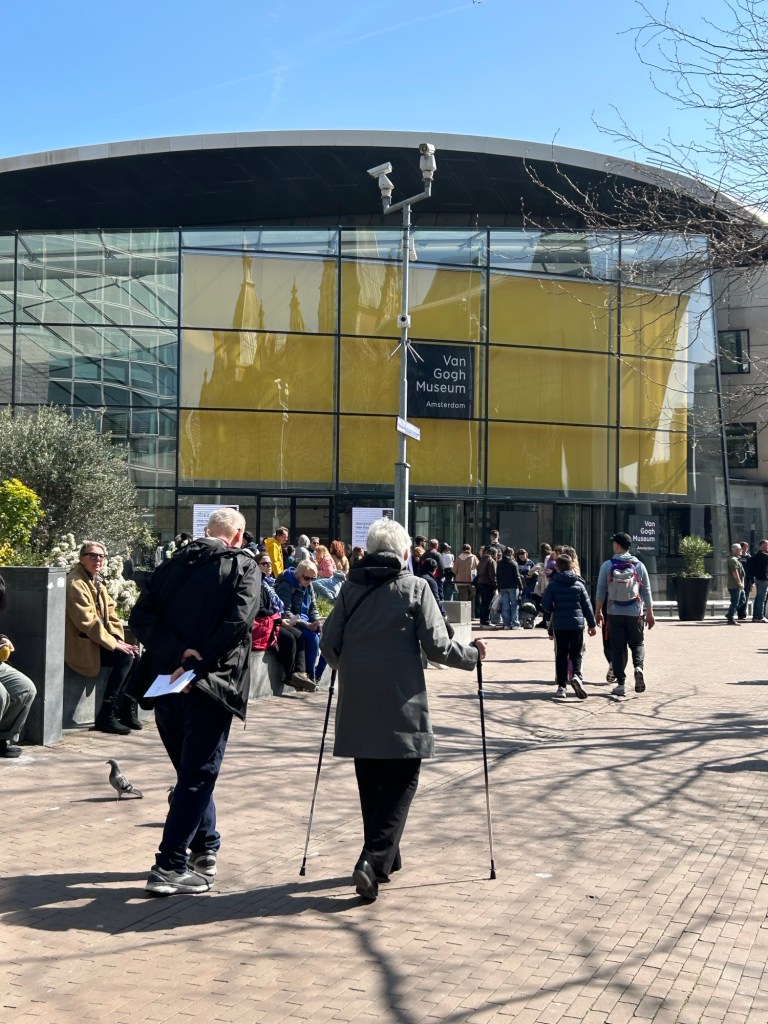
The museum was SOLD OUT for the day despite pleas from disappointed tourists who crowded around the entrance hoping for reprieve and offering reasons why they should be the exception. No exceptions were granted. We stowed coats, purses, and backpacks in lockers requiring 6-digit code with an icon needed to open a locker and to retrieve our stuff later.
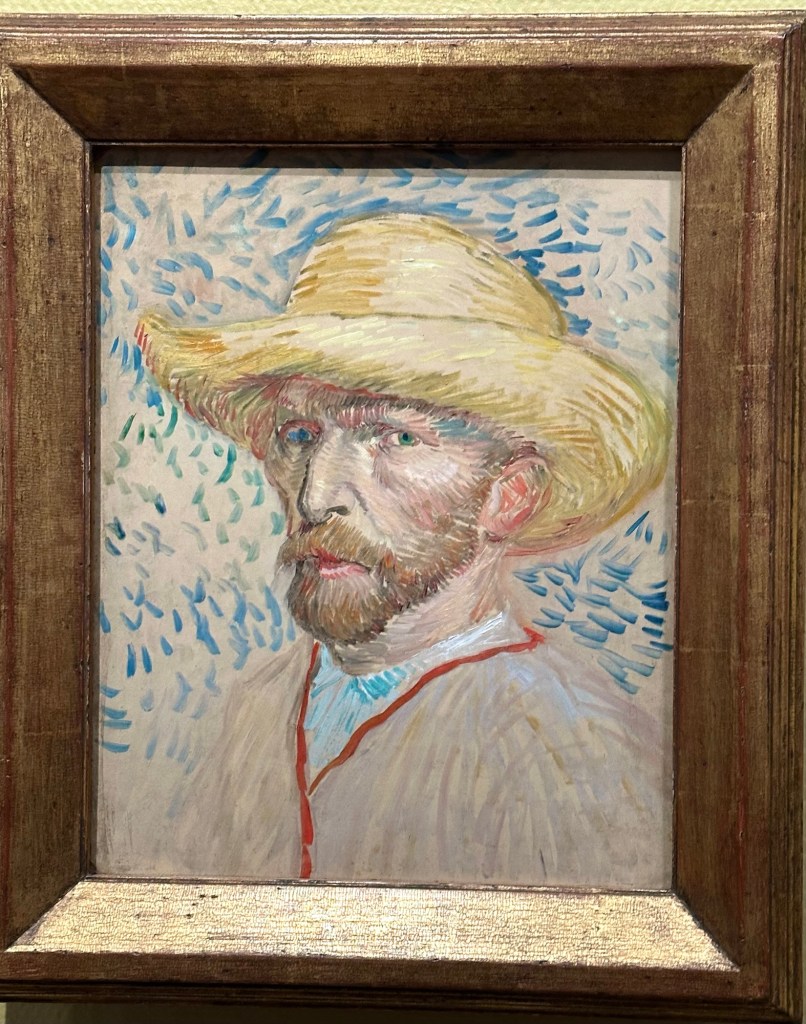
experimenting with light and color
The permanent Van Gogh collection was exhibited on three floors starting with his early efforts, continuing as his skills and vision grew along with his discontent with traditional painting, through his time and friendships in Paris with major impressionist artists who were breaking barriers with new techniques and wild colorations, into his most creative and productive last years during which depression and death haunted him. During the last months of his life, he completed 70 paintings which are the ones we are most familiar with. Here are some that may be less familiar that represent his progress at painting not scenes but feelings.


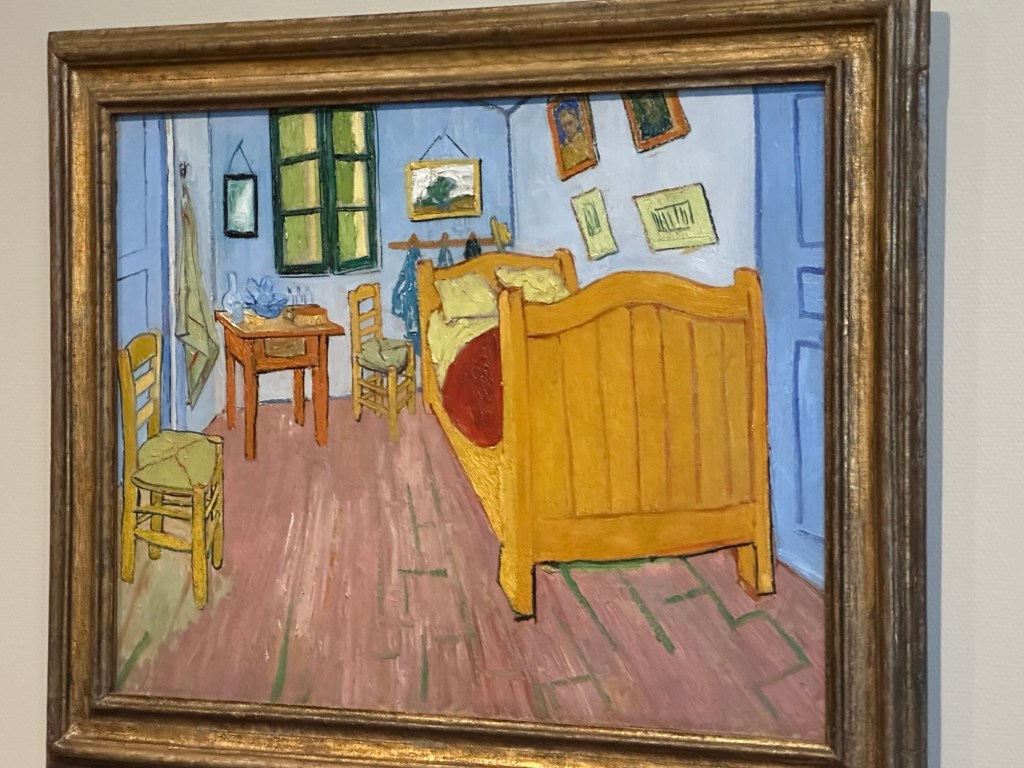
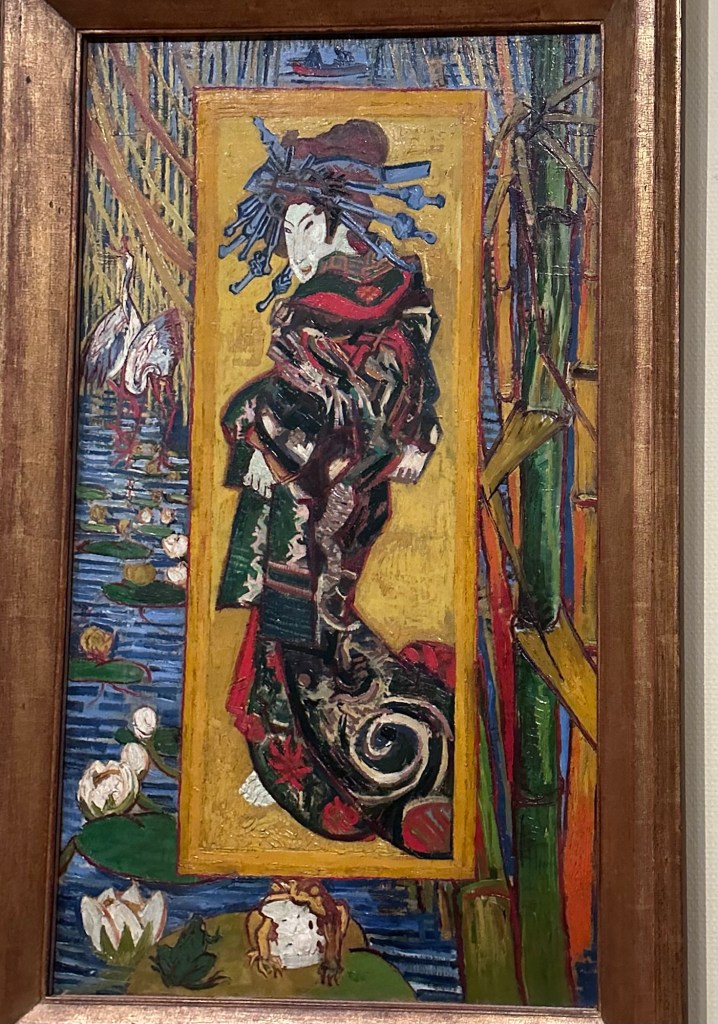
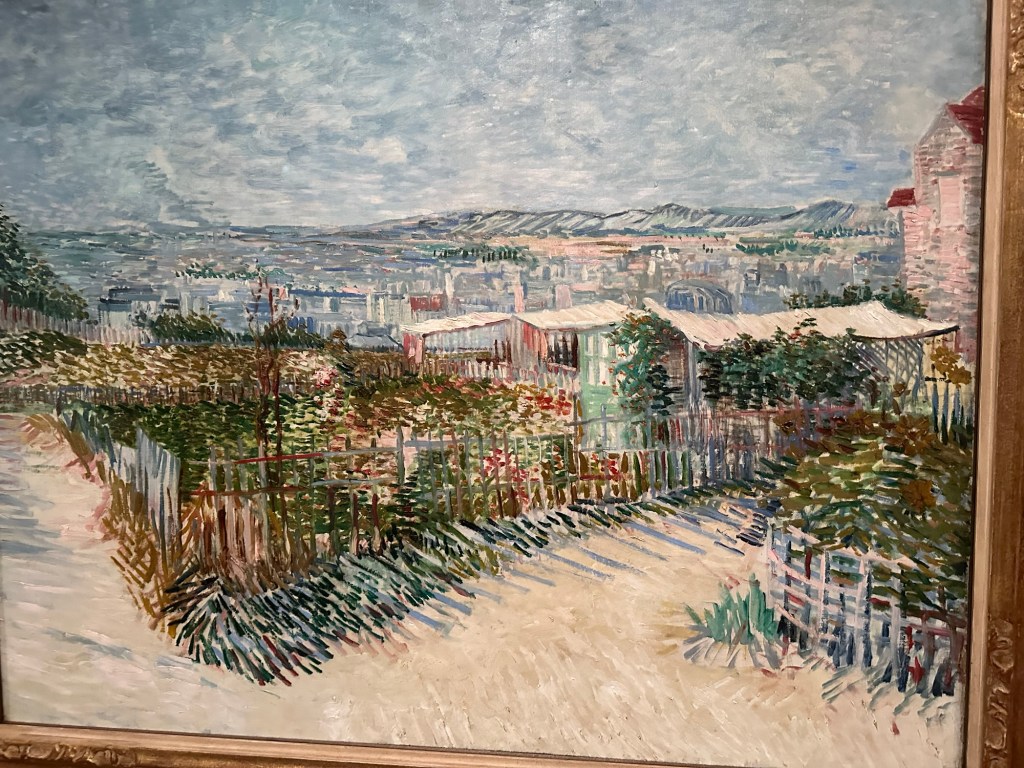
The Van Gogh chronology was fascinating and gave us a more complete understanding of how he developed as an artist with even more appreciation for his amazing art. Seeing that much Van Gogh in one setting was an overwhelming celebration of art and imagination.
The final gallery highlighted the work of artists who were influenced by Van Gogh. A special exhibit by contemporary artist Keifer Anslem was on display. We held mixed reactions with Jim being the most interested. Maybe because Betsy looked so wonderful in the forest.

inspired by Van Gogh
We got home around 6:00 in time for rest before dinner. Our neighbor Caroline suggested a local Italian place which she said was rated number 1 in the Netherlands, Veri Sapori. Jim called yesterday to secure the only open table at 8:00 and organized a taxi ride to and from Becky’s birthday dinner

for a plate of swirledj fettucini nests. Quite an entertaining performance
.
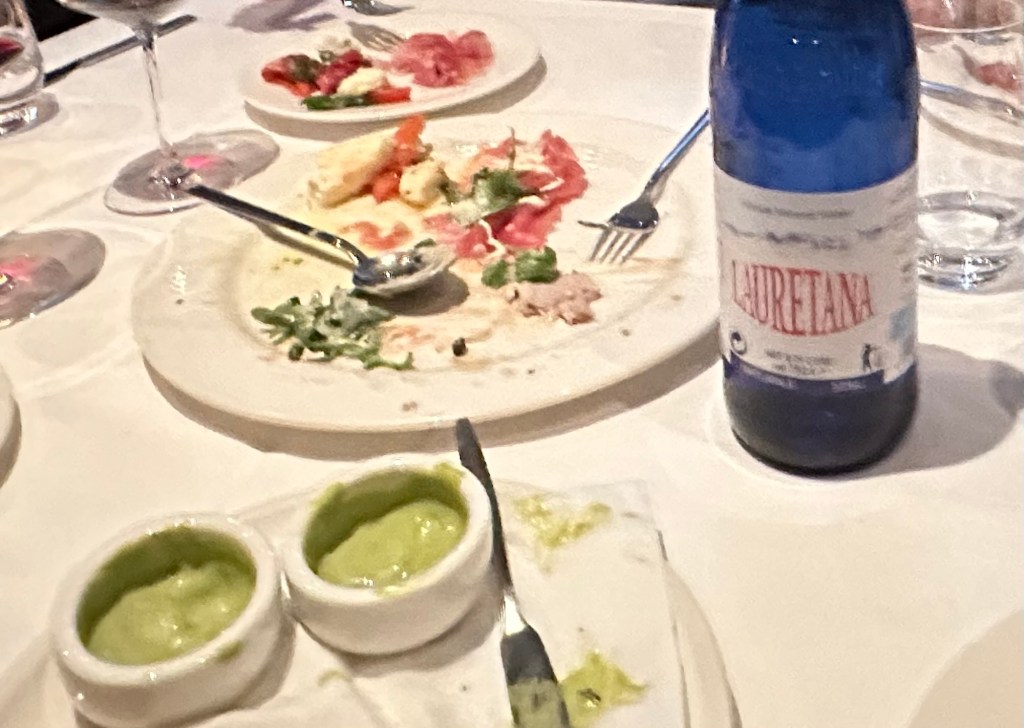
Simple elegance in black and white with a little bling set the ambiance in this trattoria. We had a beautiful plate of antipasti, three pasta dishes (al salmone, de la chef, arrabbiata) with tomato sauces which looked similar but tasted entirely different. Dinner with Lambrusco was perfect.

We were too full to consider a dessert, but the waitress presented the table with a small tiramisu served with a sparkler rocket, loud music, everybody clapping for Becky’s birthday.
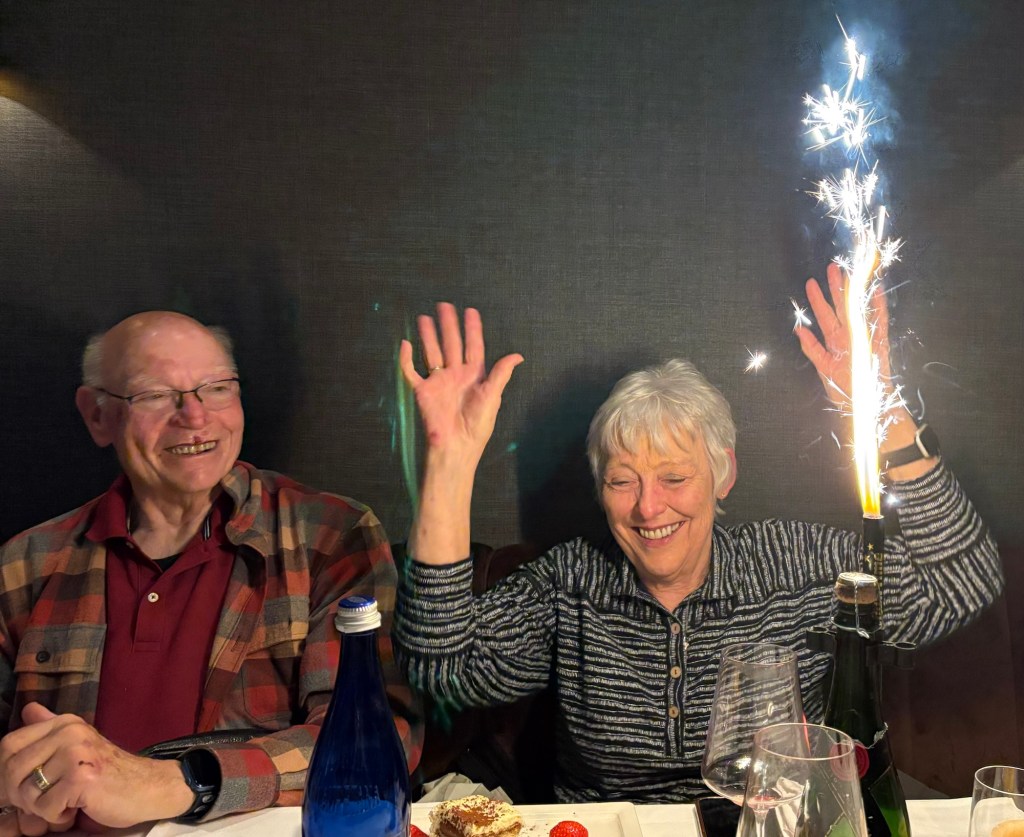
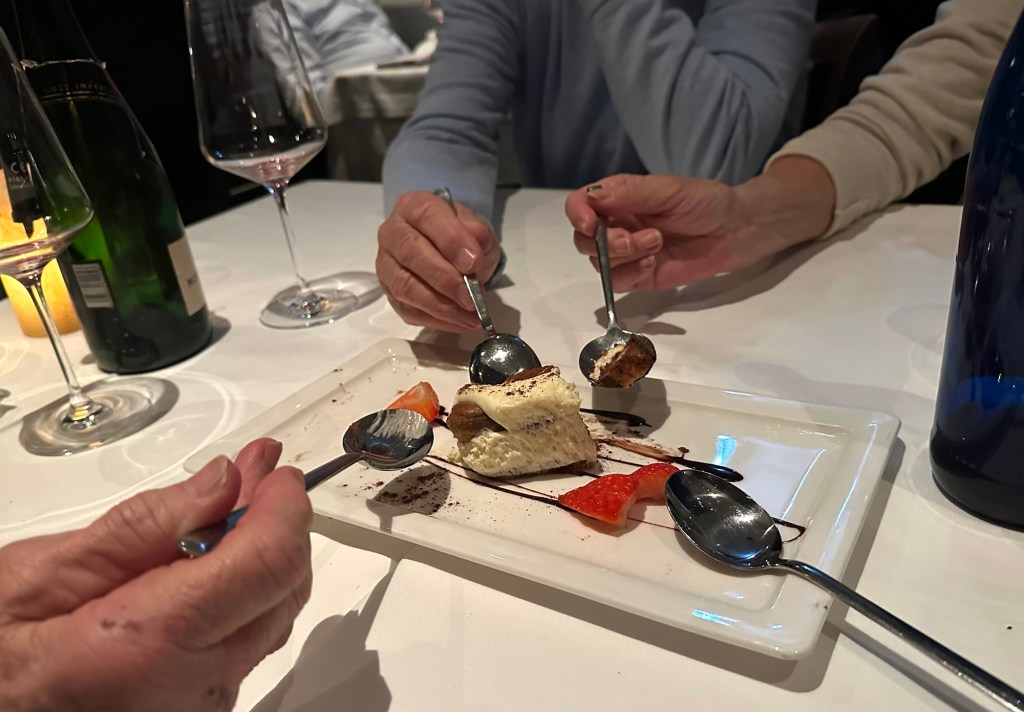
Becky’s first reaction was to hide, but the event was so joyous she had to yield to the spirit. This was a capstone for a birthday to remember for a very special person and the end of our first week in Amsterdam.
 Tipps for Travel