Day 1 Exploring Cardiff
To avoid the train work stoppage scheduled for October 4, we arrived on October 3 which gave us an extra day in Cardiff and South Wales.
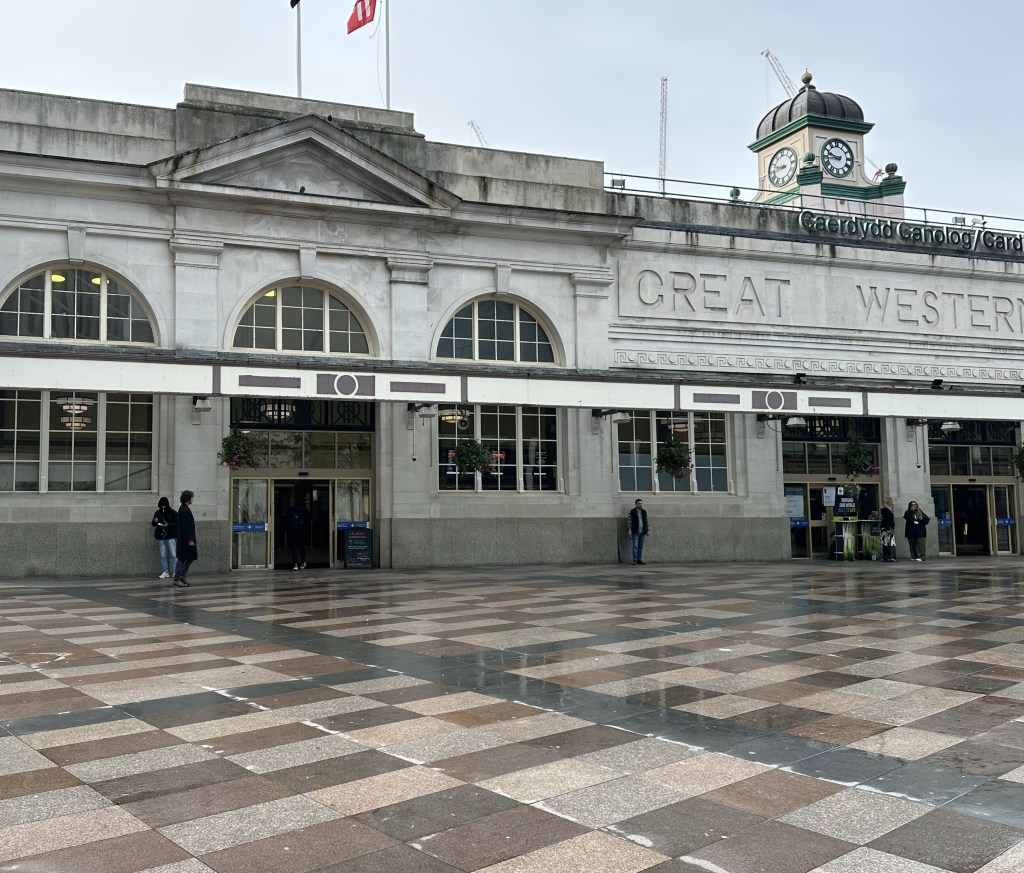
Our Sleeperz hotel was next to the rail station. We checked in to our mini/mini room designed for single business people traveling with one carryon.
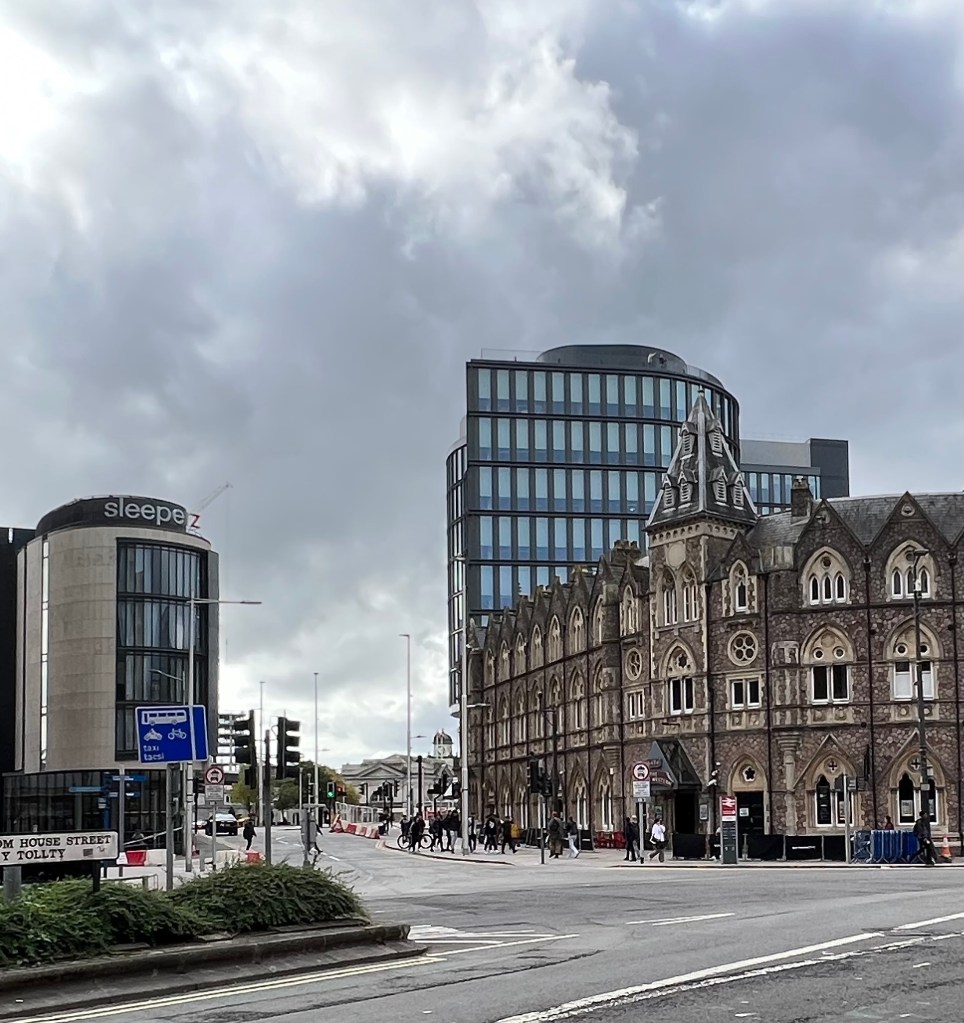
with old hotel and restaurant
Although the room did not look that small on the website, our only smaller travel room was the bunk-bed room on the ferry to Tallinn when we slept on the floor. Well, only here for 4 nights, we can take it? The afternoon was spent exploring the city center and Cardiff Castle.
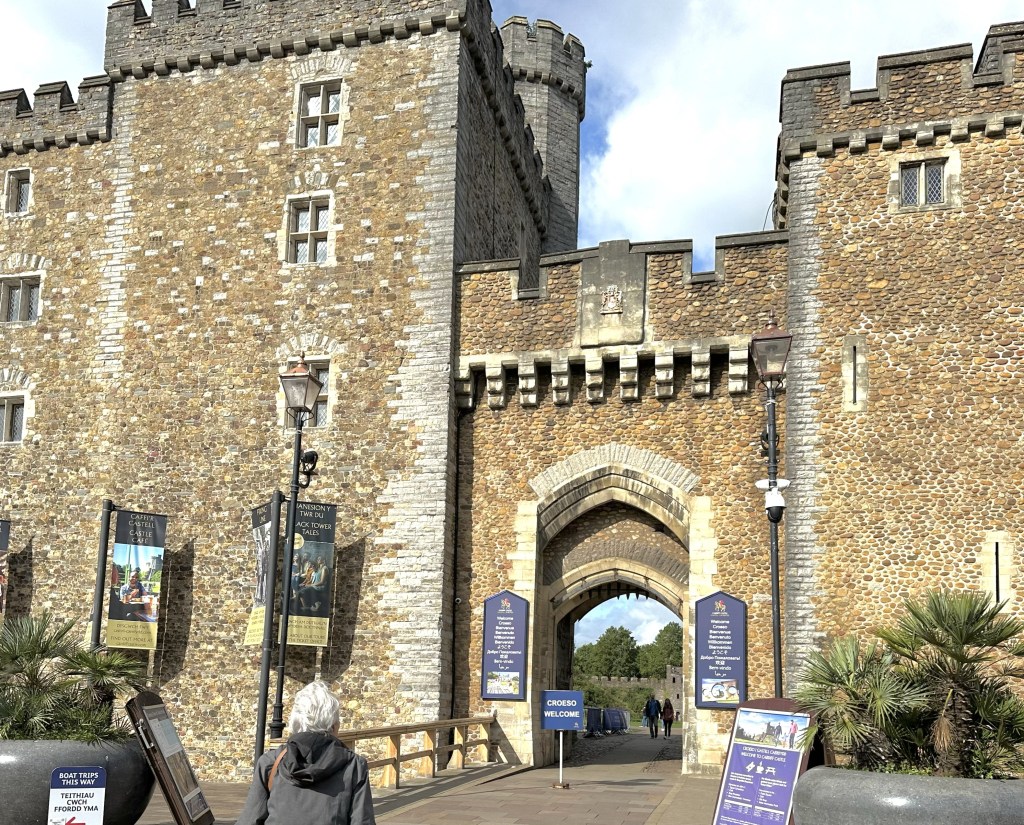
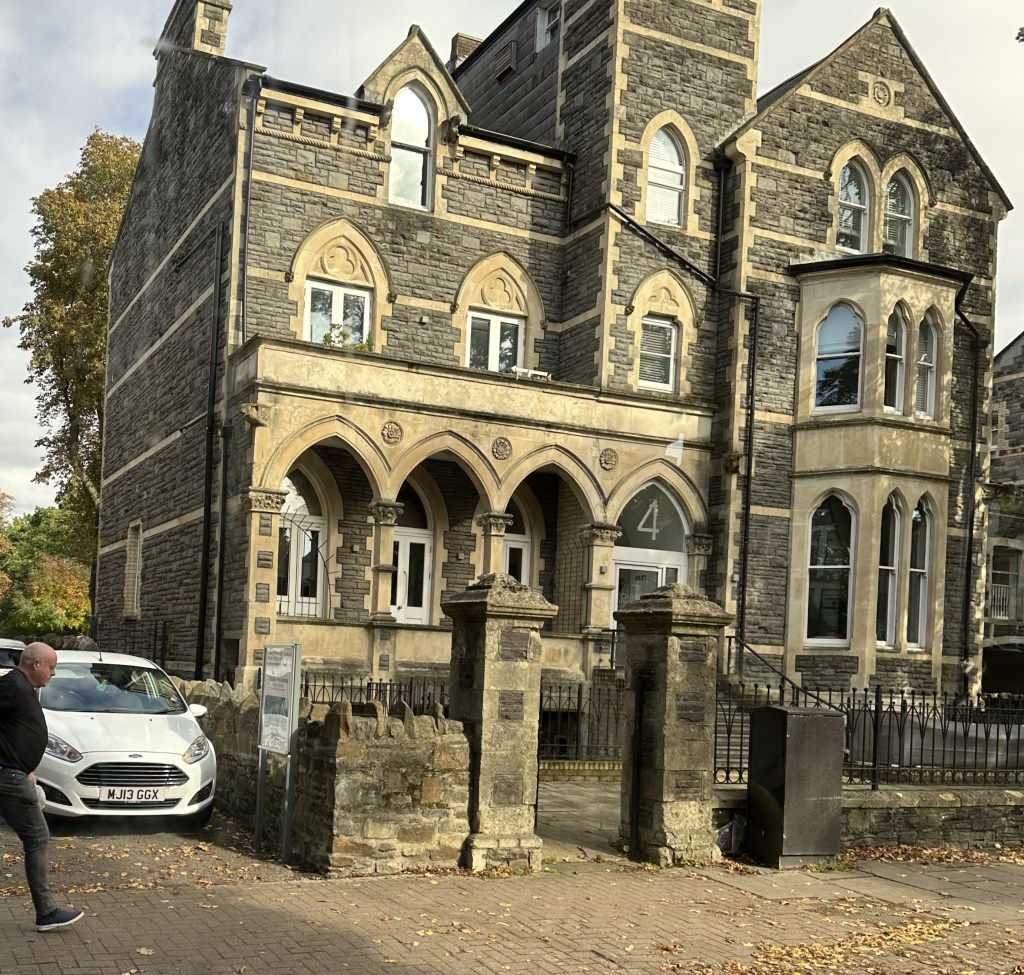
Most evident were different eras of buildings. The old is represented by monumental buildings of various styles from Norman through Georgian, many Victorian styles into Arts and Crafts.


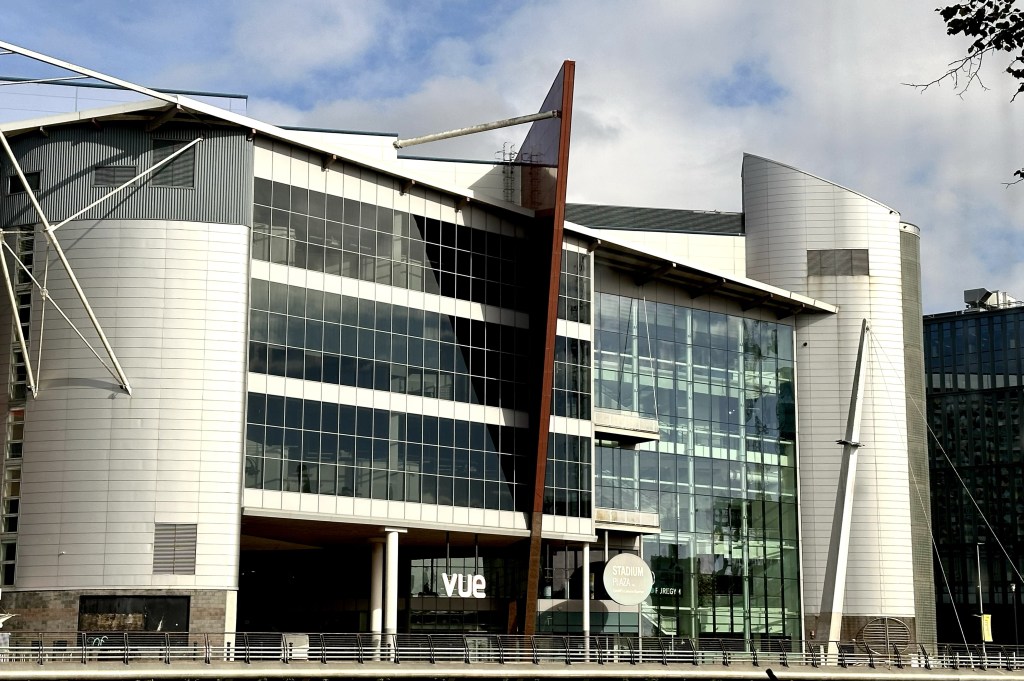
A few Brutish buildings from the 50s and 60s are more modern, but the skyline now sparkles of glass and steel.

The old and new look of the city mirrors its boom and bust history as the coal capital of the world. For almost 100 years, the coal of Wales fired the Industrial Revolution in England and supplied energy for World War II. Accord to local lore, at one time, Cardiff was the wealthiest city in the world and the old buildings can attest to wealth and civic exuberance.
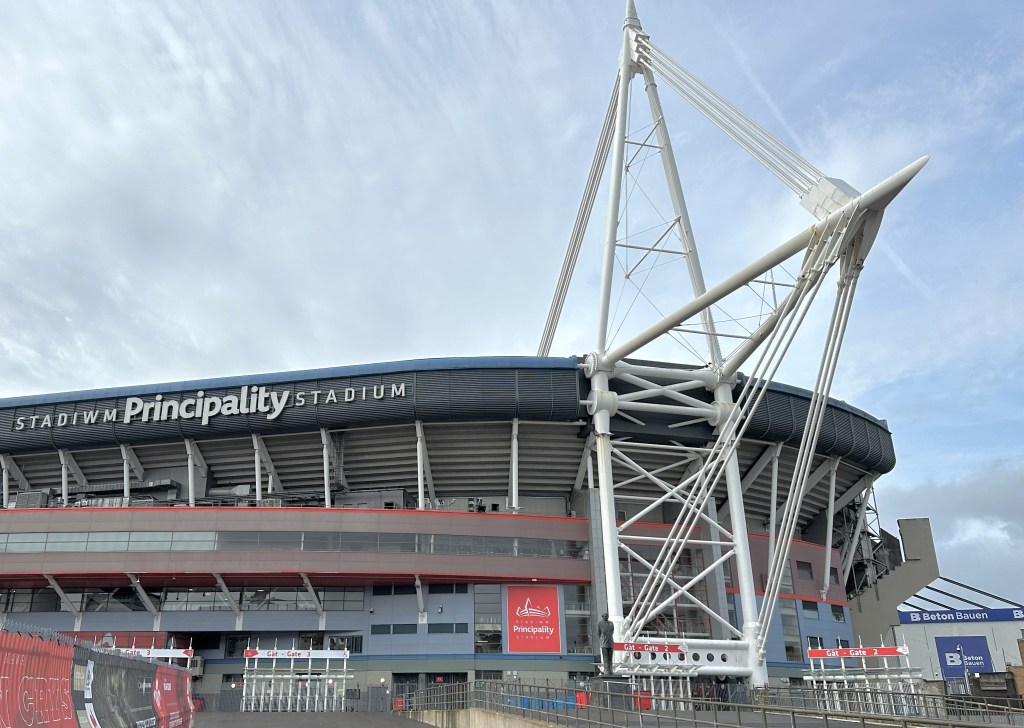
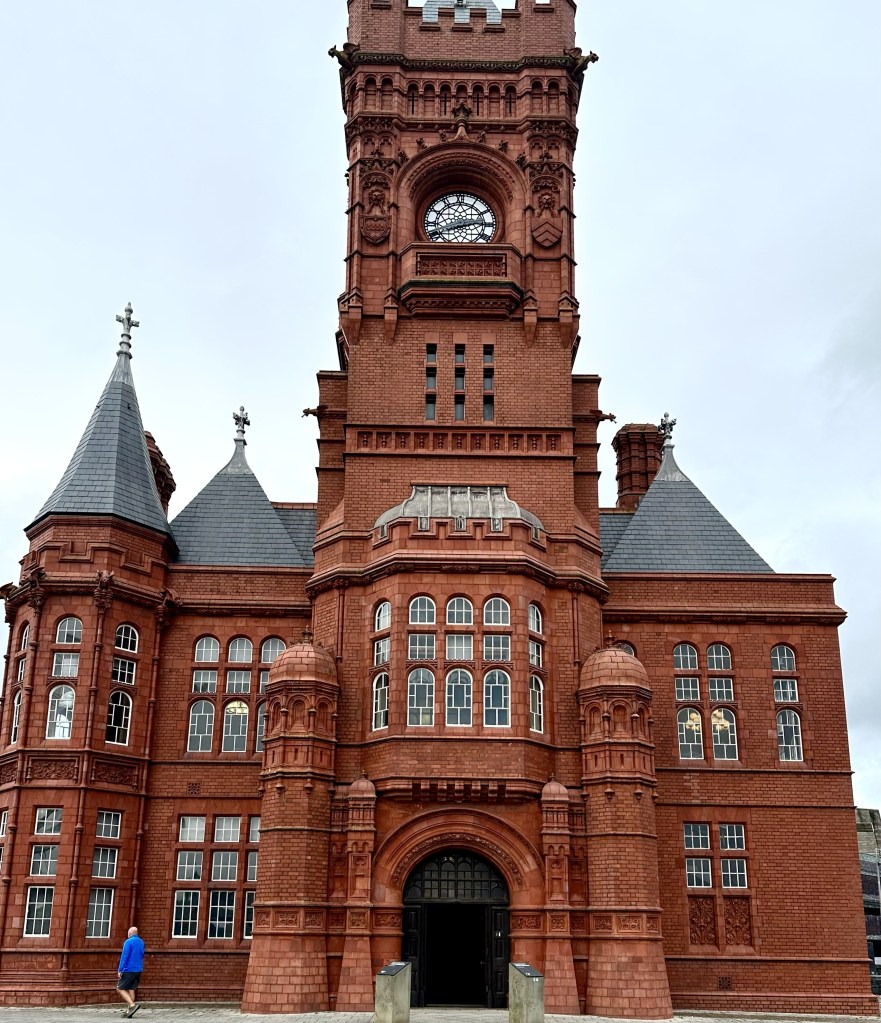

After WW II the demand for coal waned; petroleum products became the dominant fuel source; Cardiff was depressed. Only after a concerted effort has the economic revitalization arrived with a focus on technology. BBC has recently completed their largest studio and huge office building in Cardiff and Cardiff Bay.

The HOHO bus, here called the TOOT, took us around city center with ticket good for two days of hopping. We made the full circuit, walked some more, had tea, and noticed the Cardiff City Museum was just across the street. We arrived at 3:45 and the museum closed at 4:00— not enough time, even for fast lookers.
Back at the hotel, we faced the reality of the mini/mini room. No place to store luggage, not even place to open luggage which created real problems for us living out their suitcases. The bed was “standard” which I don’t think means “full.” After pasta at Ask Italian, we went back to hotel to watch an episode of new “British Bake-off” which will not come to the US for months. We already know who is going to be star baker.
Day 2 Moving Around Cardiff
After a pretty miserable night, punctuated with stubbing my toes left and right on furniture, I went down to the lobby to talk with my new best friend Salvatore. I asked what it would cost to upgrade our room for 3 nights. After a little calculation and negotiation, we paid a little and got a lot—better room. We were heading out when Salvatore announced that our new room was ready. We moved our luggage from the mini/mini room to maxi/mini room with room for luggage and feet.
Our Welsh friend Anne recommended Museum of Wales in Cardiff which is a monument to Beaux-Arts grand design in every way. It holds a fine collection of impressionist and post impressionist paintings.

The museum sponsored an exhibition called Art 100. During Covid, they digitized many works in of the collection of all media including contemporary works and recent acquisitions. These art works were made available for comment online and also were on tour around Wales.
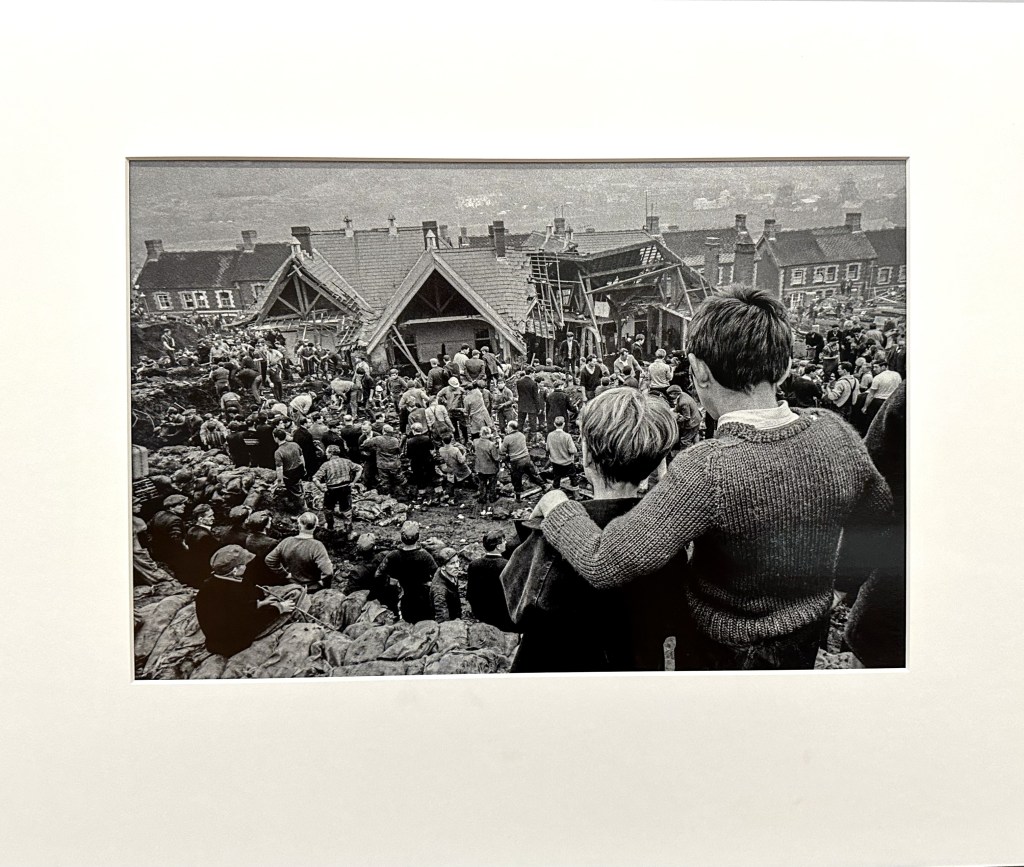
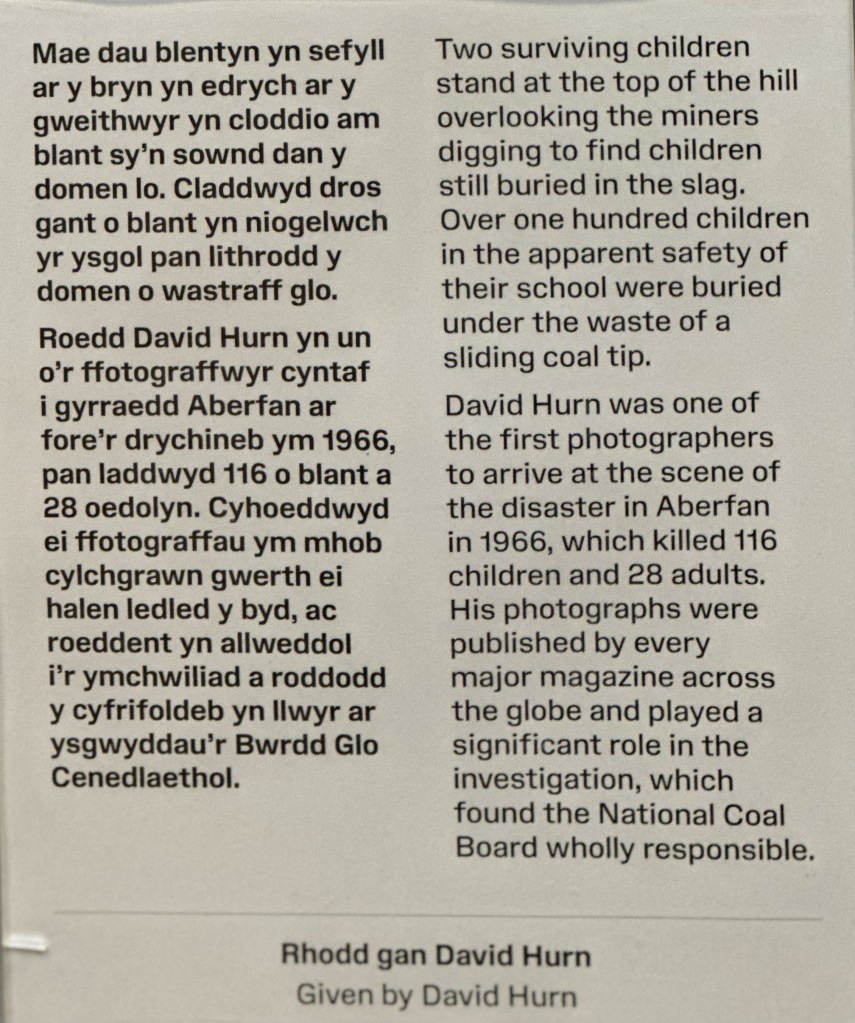
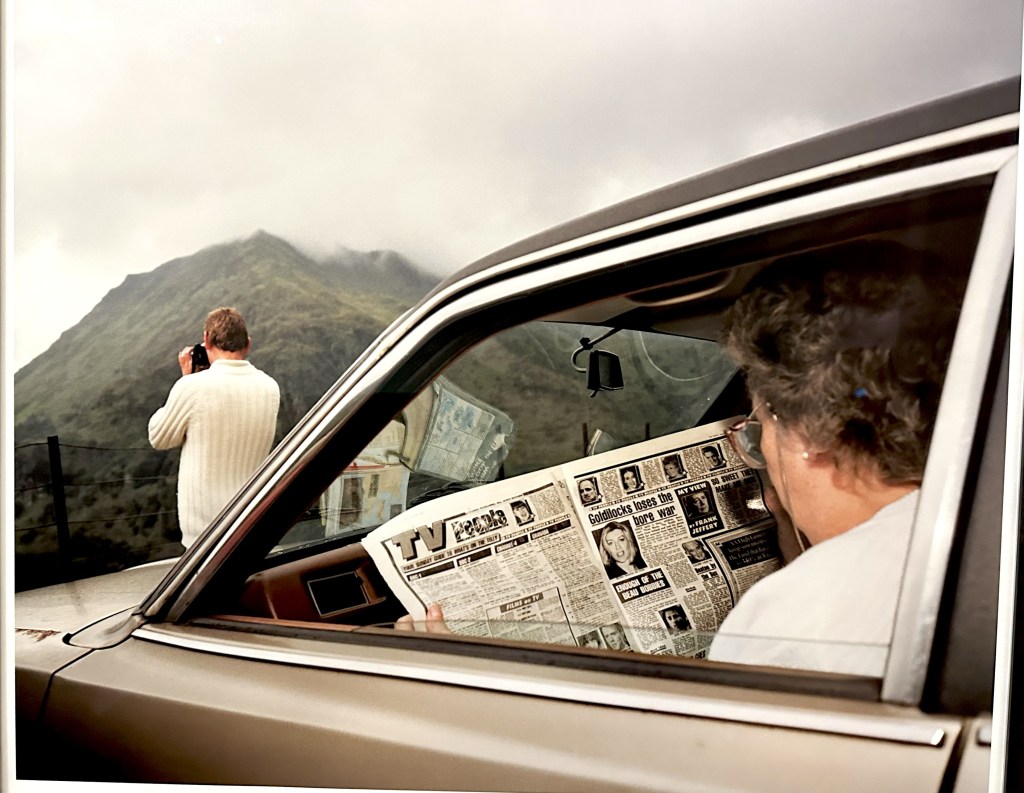
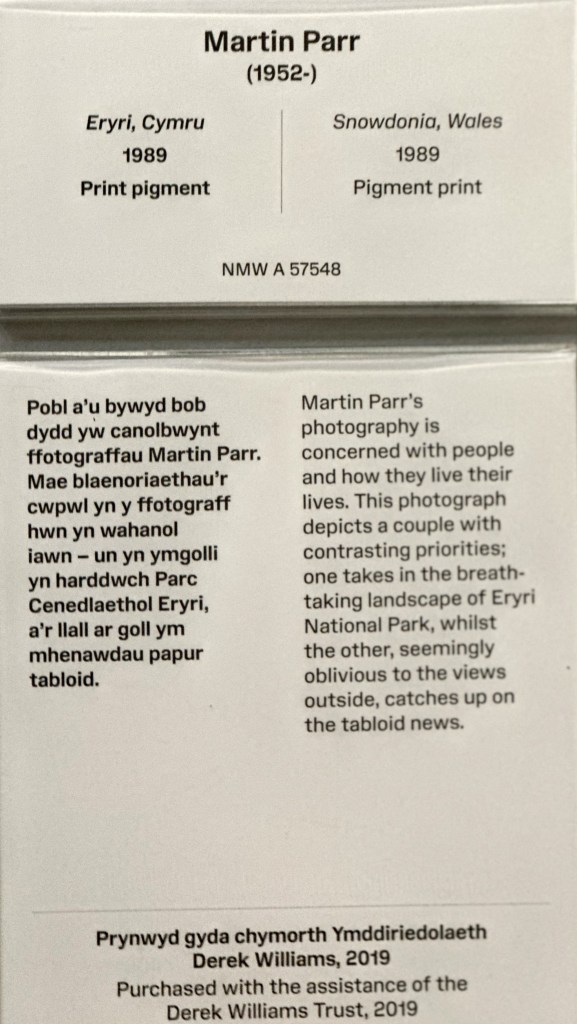
Two photographs with very different stories.
This exhibition reflected what was learned from this impressive effort at arts outreach and community building. Note the Welsh and English signage required everywhere by law.
The museum also houses natural science exhibits including the geological study of landmass showing how the land of Wales migrated from the South Hemisphere to the Northern Hemisphere as part of different continental plates.
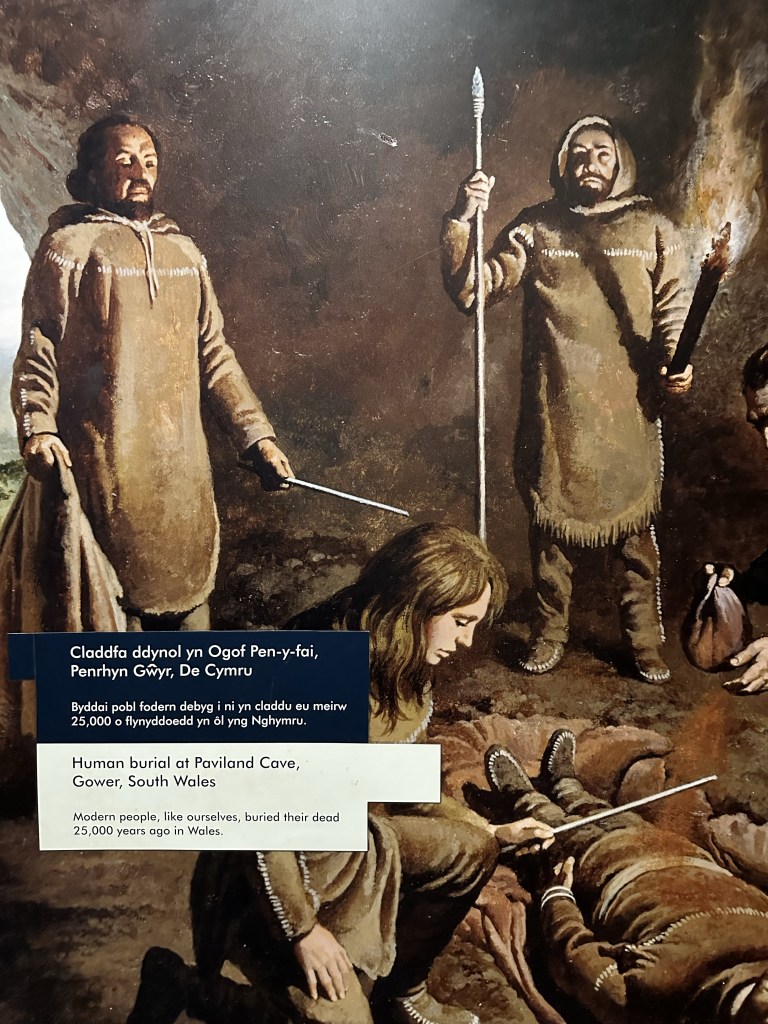
The exhibit occupied almost the full first floor with an excellent combination of video, displays, information, and story.
On our wanderings, we found two different displays of street art. In an alley, many buildings had elaborate spray paint art.
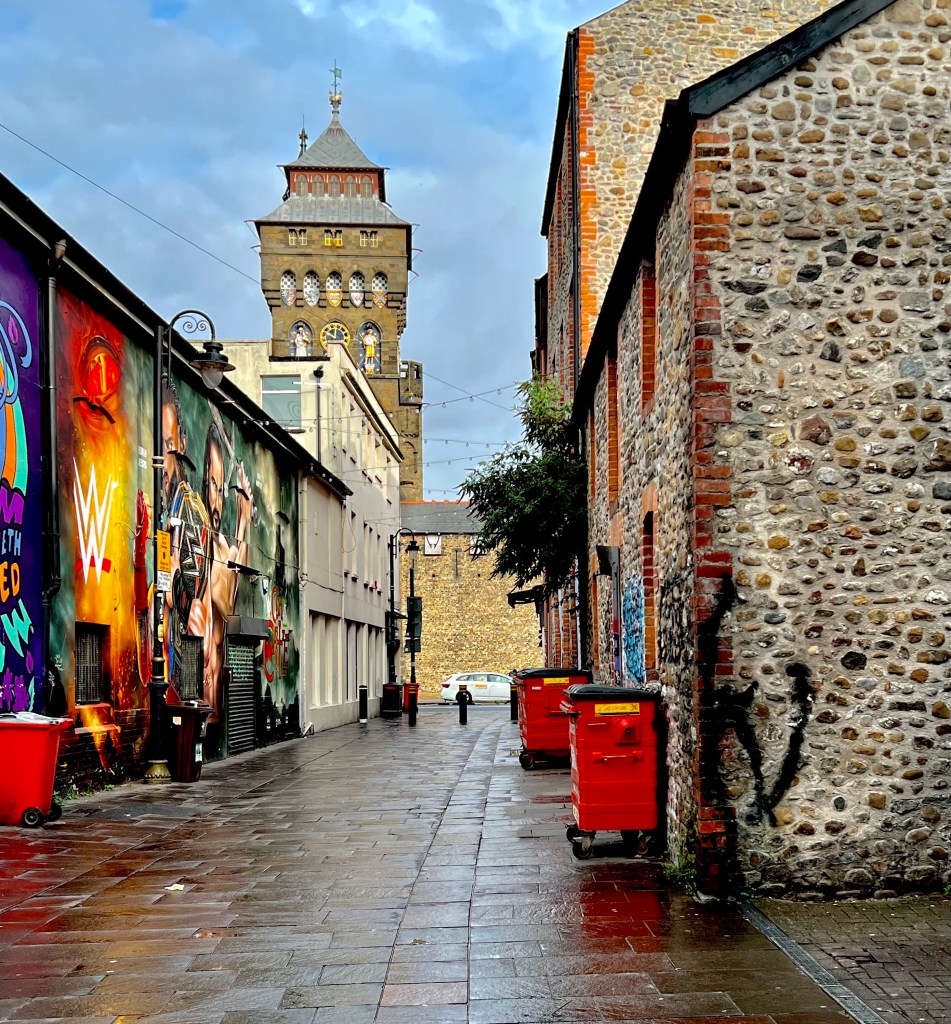
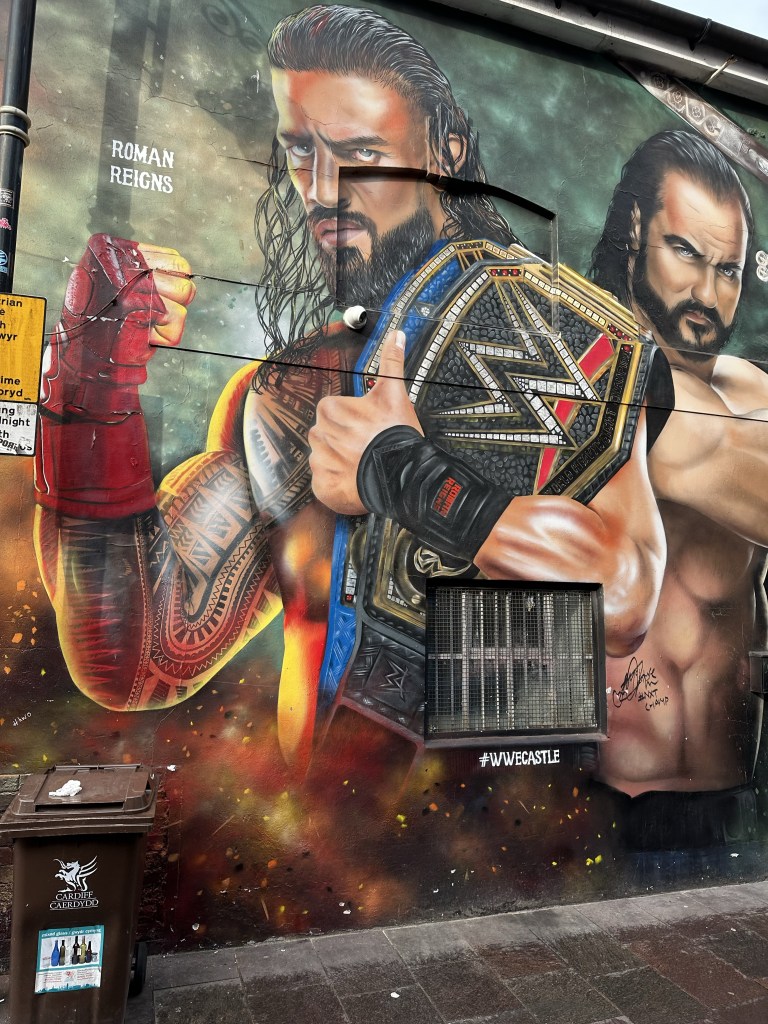
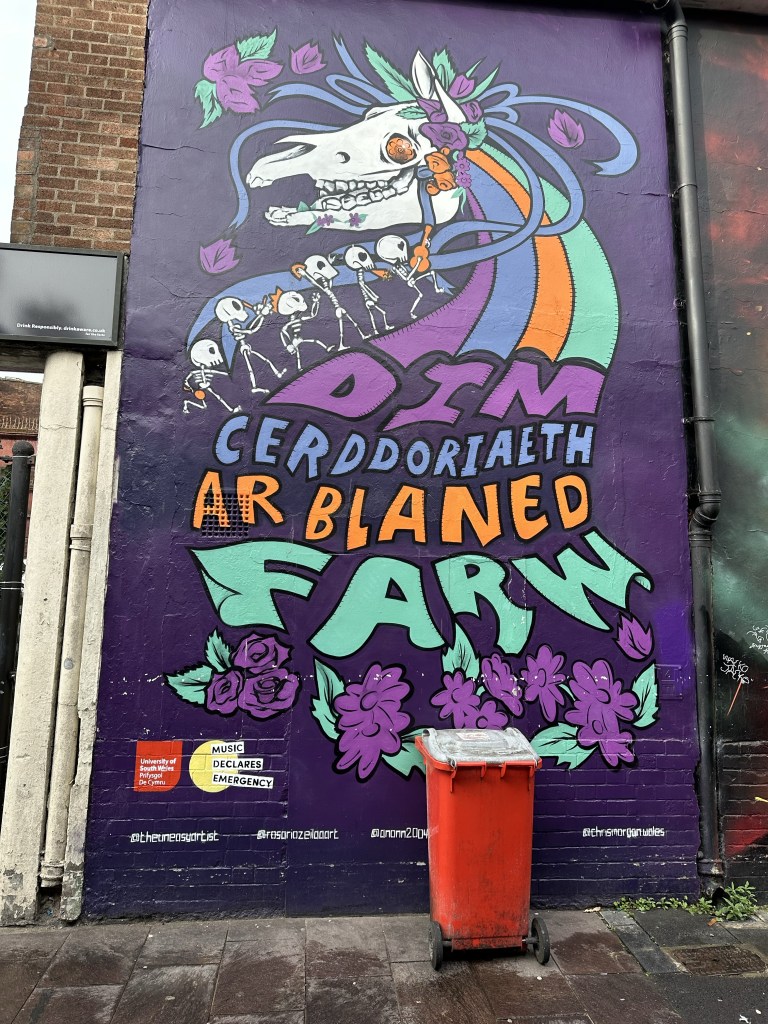

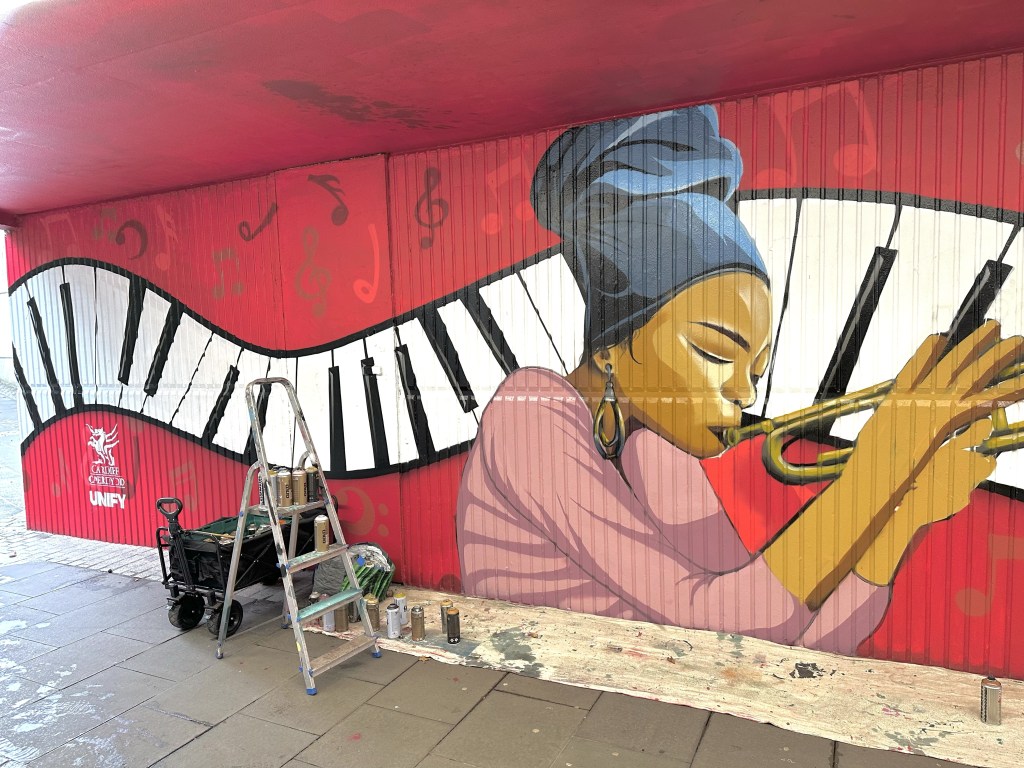
In a tunnel leading to City Hall, a artist was finishing a music-related mural on both sides. The authorized artwork brighten the walk for pedestrians under major intersection and roundabout.
Our legs and brains were on overload from the museum; a TOOT ride to Cardiff Bay allowed us to rest our feet and hop off. Cardiff Bay is a couple of miles from city centre. Much of the Cardiff revitalization involved changing the old coal docks into housing, entertainment, and government use. A new Welsh Senate building and a huge entertainment center are part of the revitalization as well as trendy housing away from the downtown.
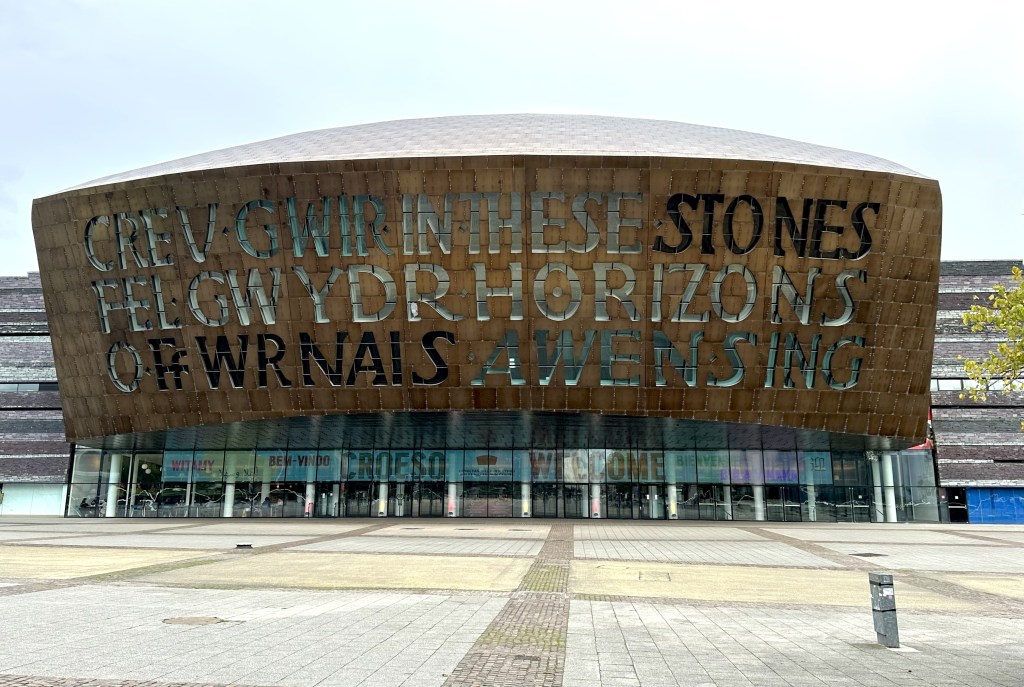
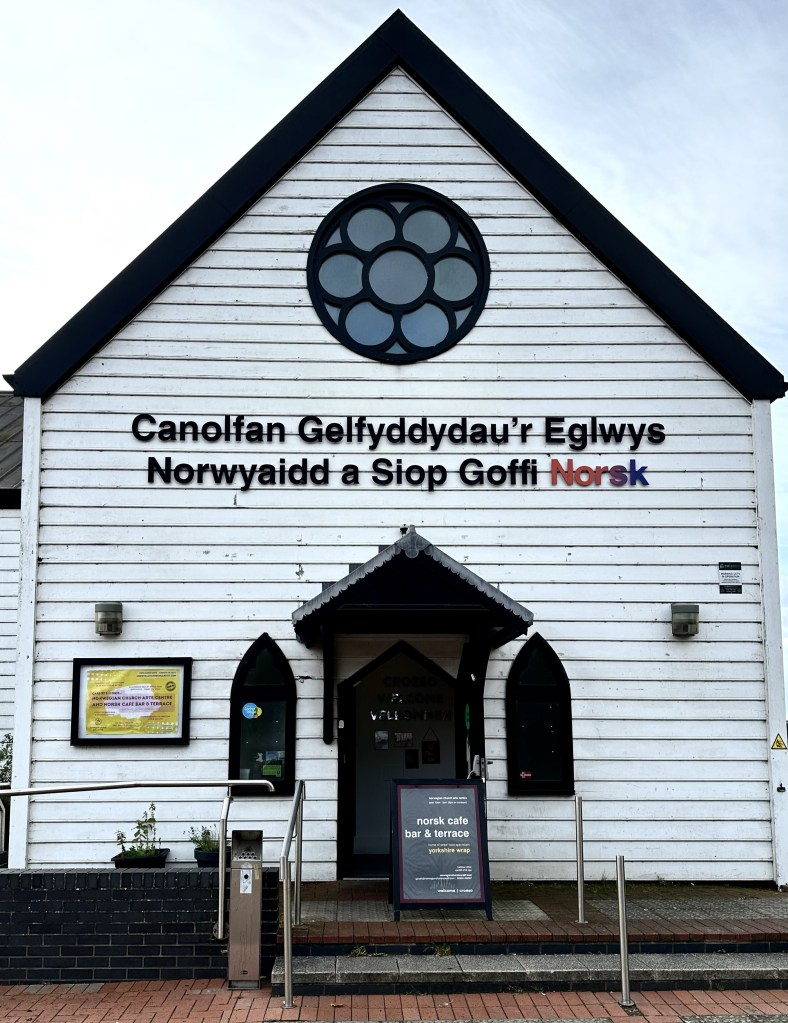
We ate lunch at the historic Norwegian church now art center and cafe. As rain began, we hopped back on for a quick ride to the hotel for late afternoon napping. We roused around 8:00 for delicious salad supper at Bill’s Cafe.
Day 3 On the Gower With Anne and Pete
We met Anne and Pete on our Hurtigruten cruise of the Norwegian Fjords where they were jolly companions for dinner and other activities. We arranged to meet them for a day in Swansea an hour away by train. What a visit!
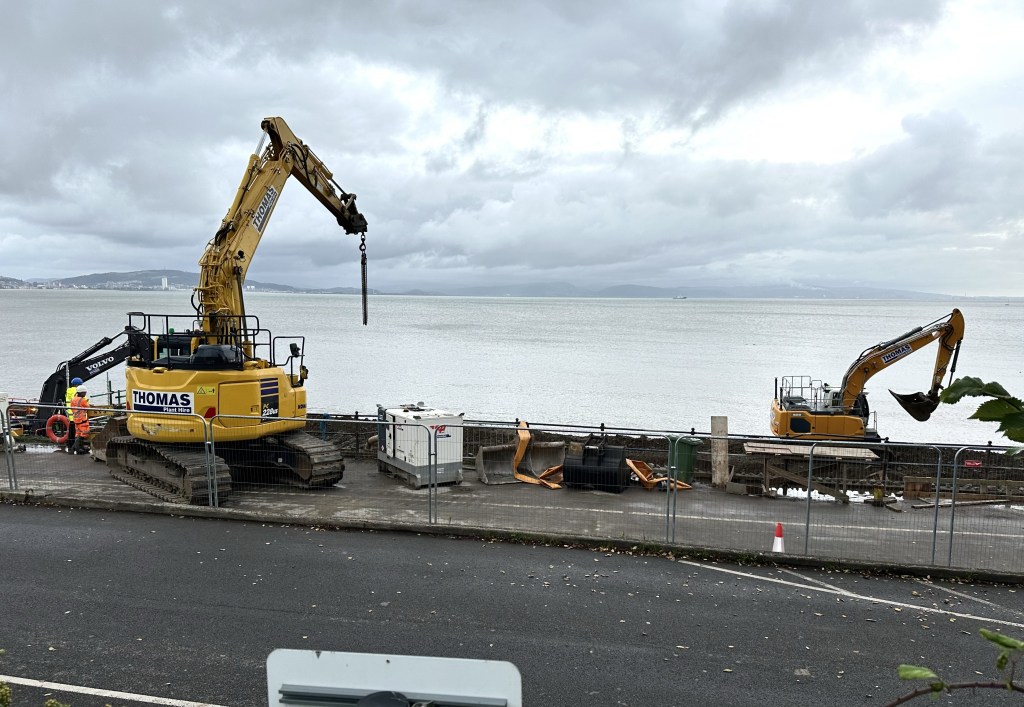
They took us on a grand tour into the beautiful countryside on the Gower Peninsula. Along the Swansea wide bay, a new sea wall was being constructed wider and taller to protect the town from high tides and changing sea levels. Recently, the water has been high enough to cover roads along the bay.
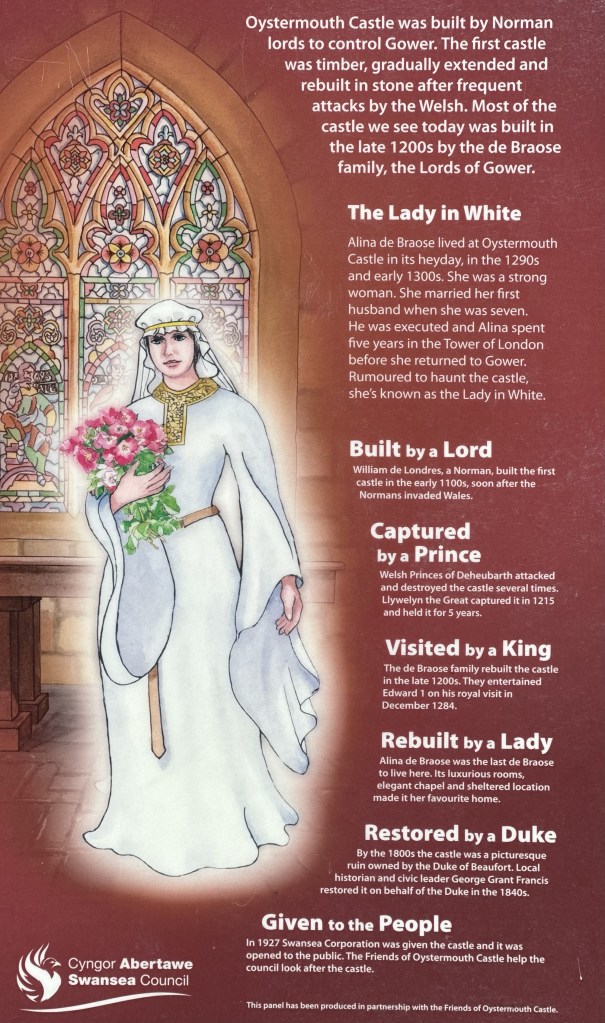
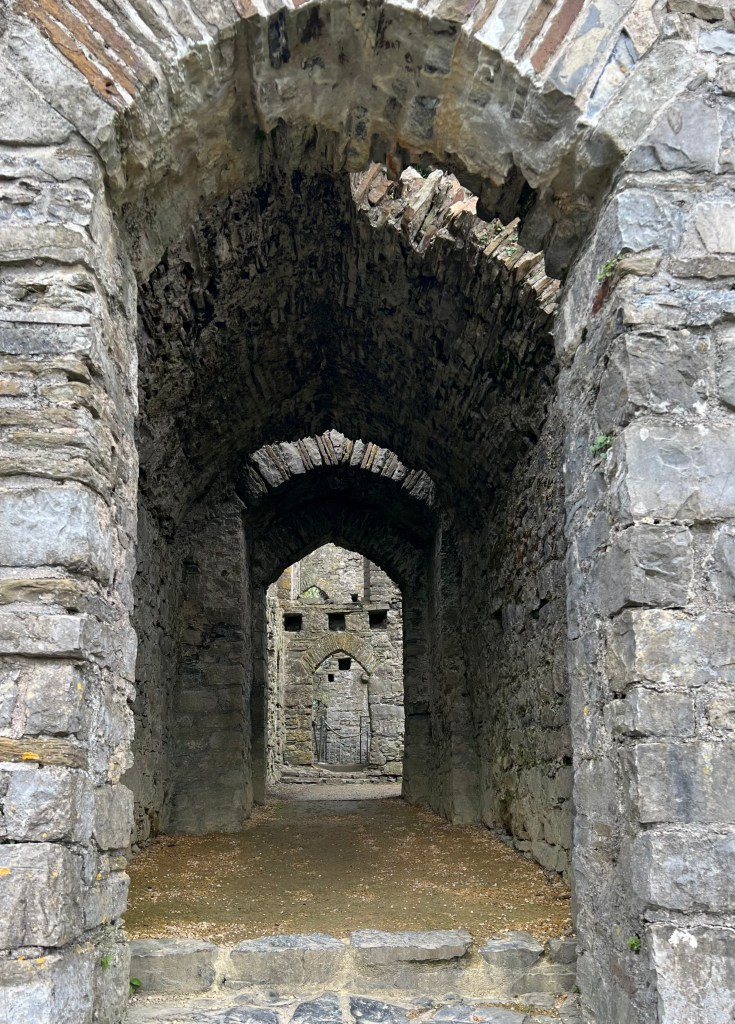
Our first stop was near the Castle at Oystermouth, one of those beautiful ruins with 1500 years of fascinating history. Built high on a hill, the castle overlooks the sweeping Swansea Bay and a residential area known as Mumbles.

After morning tea, we walked up the steep hill to the Castle. Officially closed on October 1, the volunteers who operate the castle welcomed us through locked gates for a short lecture and mini tour. They were excited to have visitors all the way from North Carolina and we got some small souvenirs from the gift shop.

The Gower Peninsula is a great sheep and farming interior and a rugged mountain and beach coastline. As we drove along, Anne pointed out many places where she and her family had lived, worked, and played.

Having this narrative made the ride even richer. We stopped at Rhossili, a promontory over a wide beach. In the distance, we could see the White House where Anne spent summers with her gran.


Our final destination for the great ride across Gower was the Britannia Inn with a reputation for fine fare.
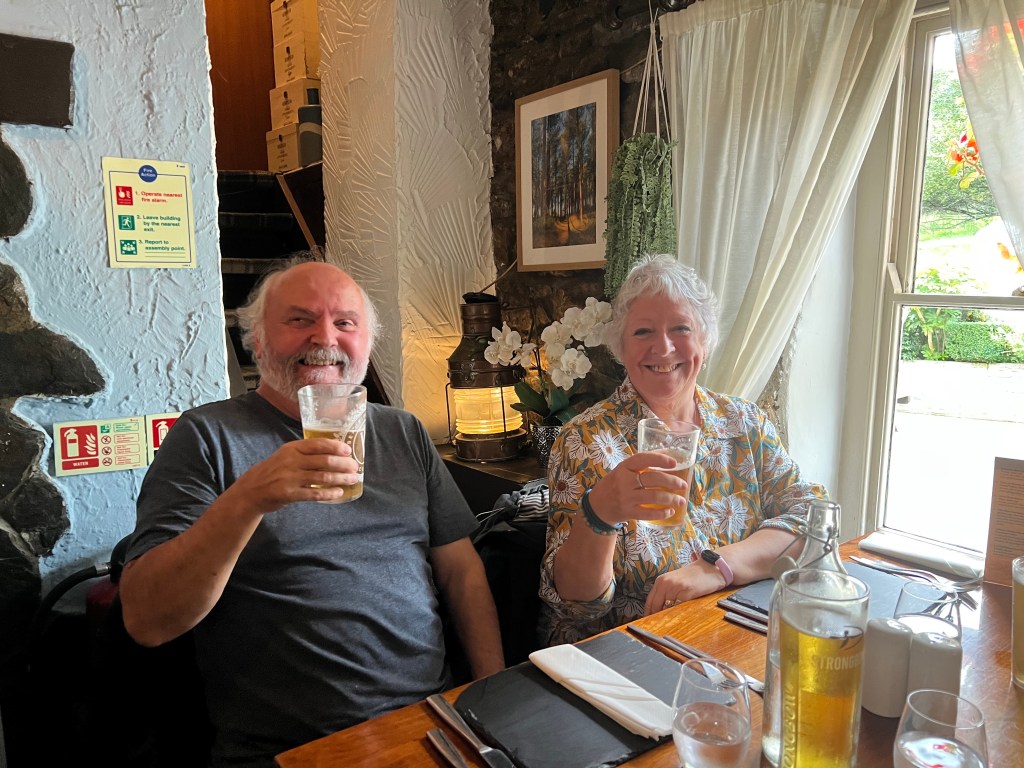
That reputation is well deserved offering a wide menu with many Welsh dishes; I had the classic beef and potato pie and Becky ate lamb. Although we were full, we could not pass up sharing authentic “sticky toffee pudding” a confection of dense, rich, dark cake soaked in hot toffee sauce with ice cream.
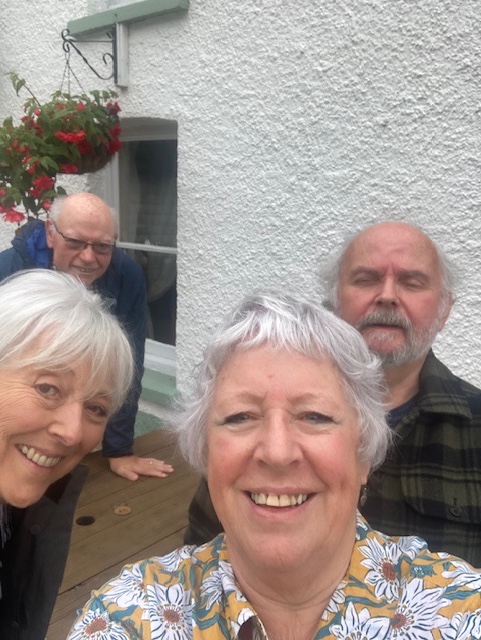
The return to the rail station took us through more beautiful fields of harvested hay and grazing sheep. We bade farewell with hugs and smiles and sadness as we parted after a wonderful day on the Gower.
Day 4 St Fagans Village
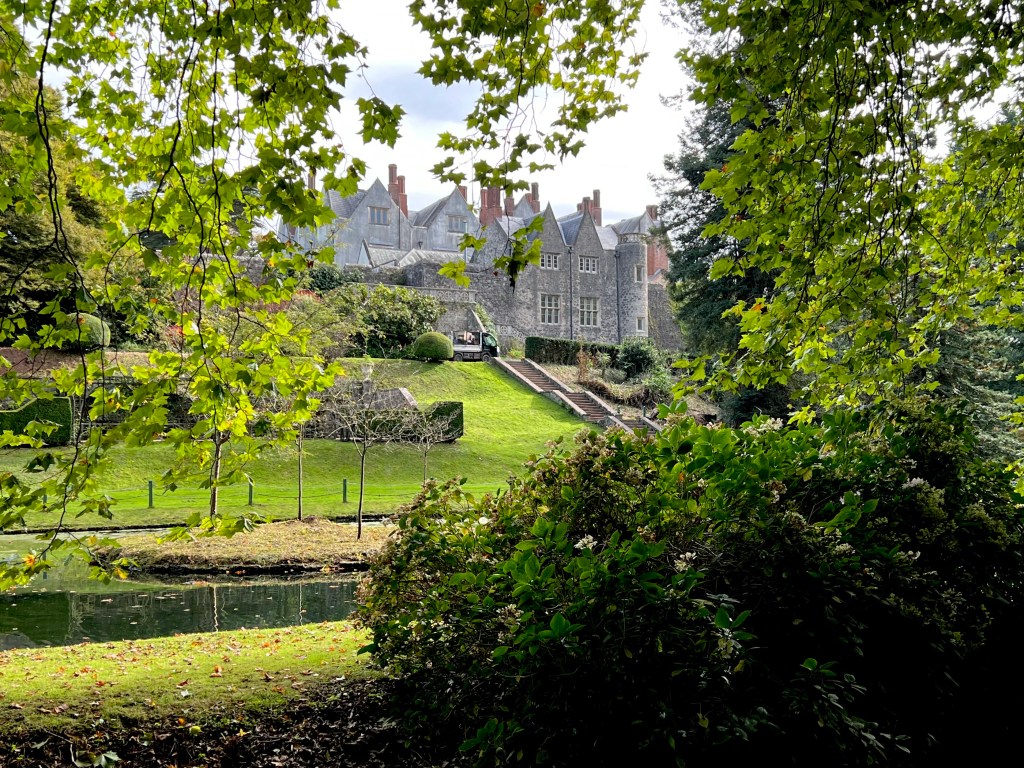
St Fagans is a small village 9 miles from Cardiff that houses two intriguing historic sites. One is the manor house dating from 1750 with an extensive garden. A reconstructed Welsh village occupied 100 acres once part of the manor.
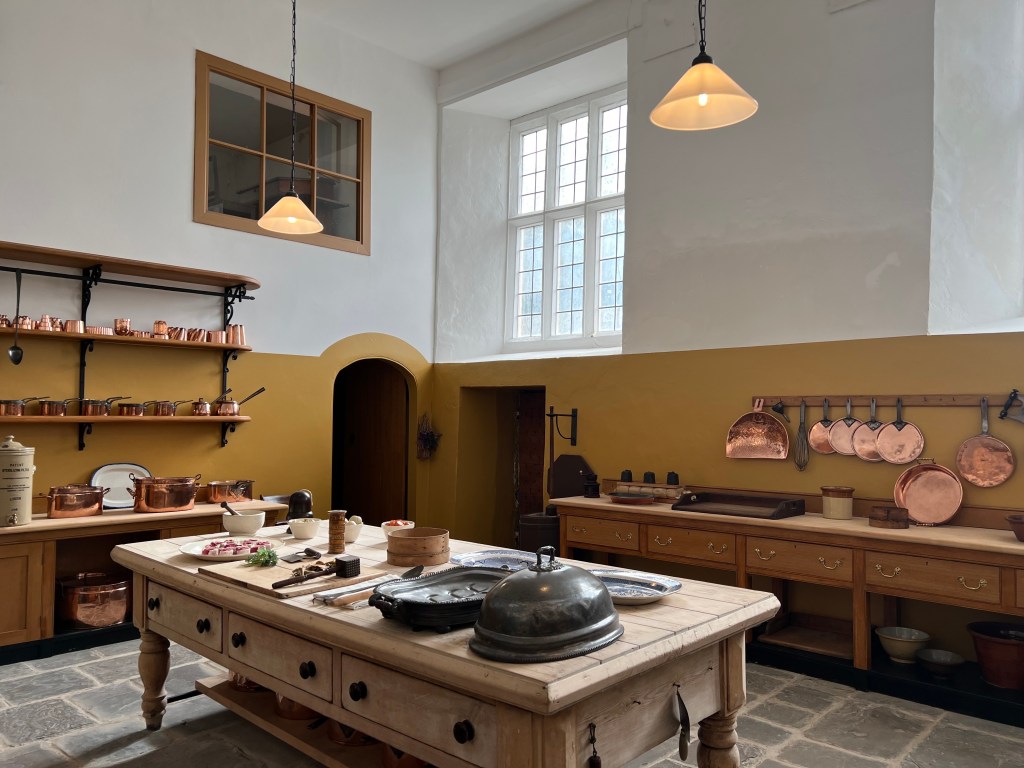
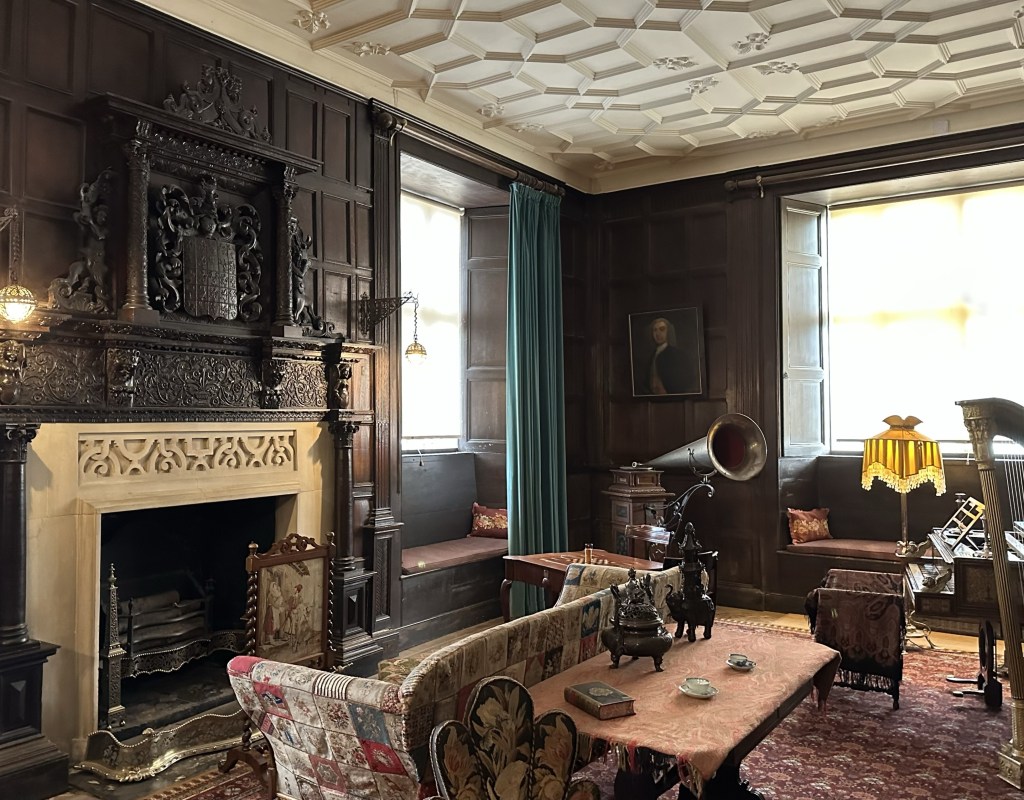
Original buildings from across Wales were dismantled and rebuilt to preserve and portray Welsh life before 1900. Most of the 50 buildings onsite represent rural life in the 1700s and 1800s, but some Iron Age stone mound huts are included.
Docents were located at different houses and buildings. A row of attached cottages are filled with period furniture and artifacts. Groups of school children were going in and out with us.


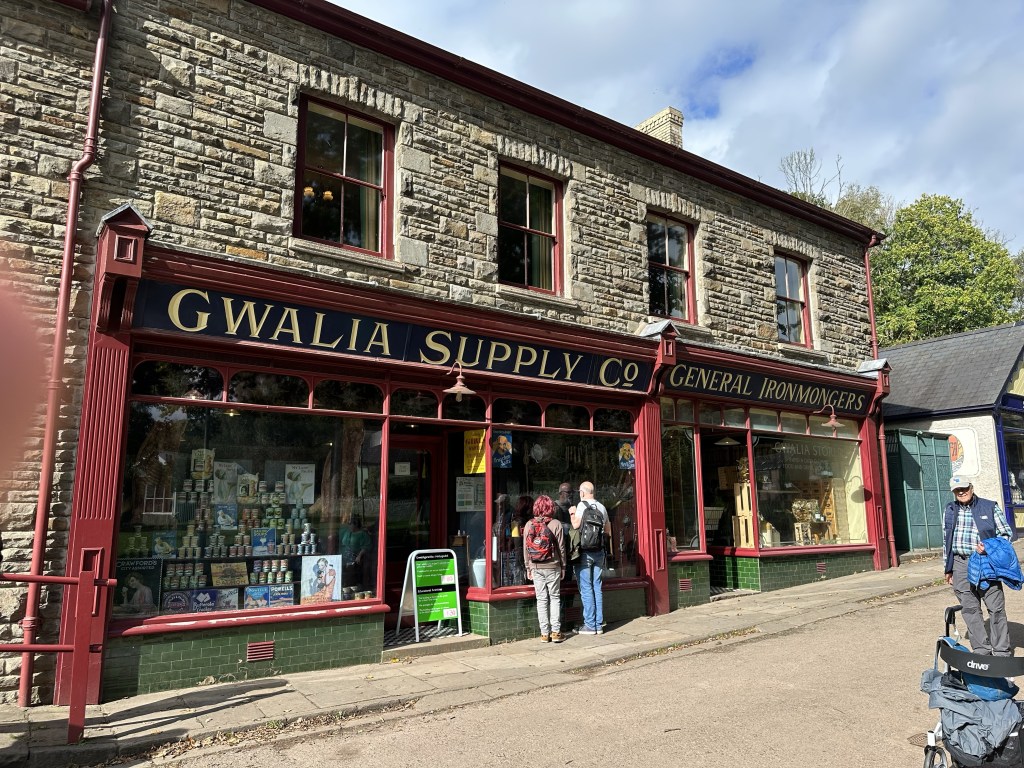
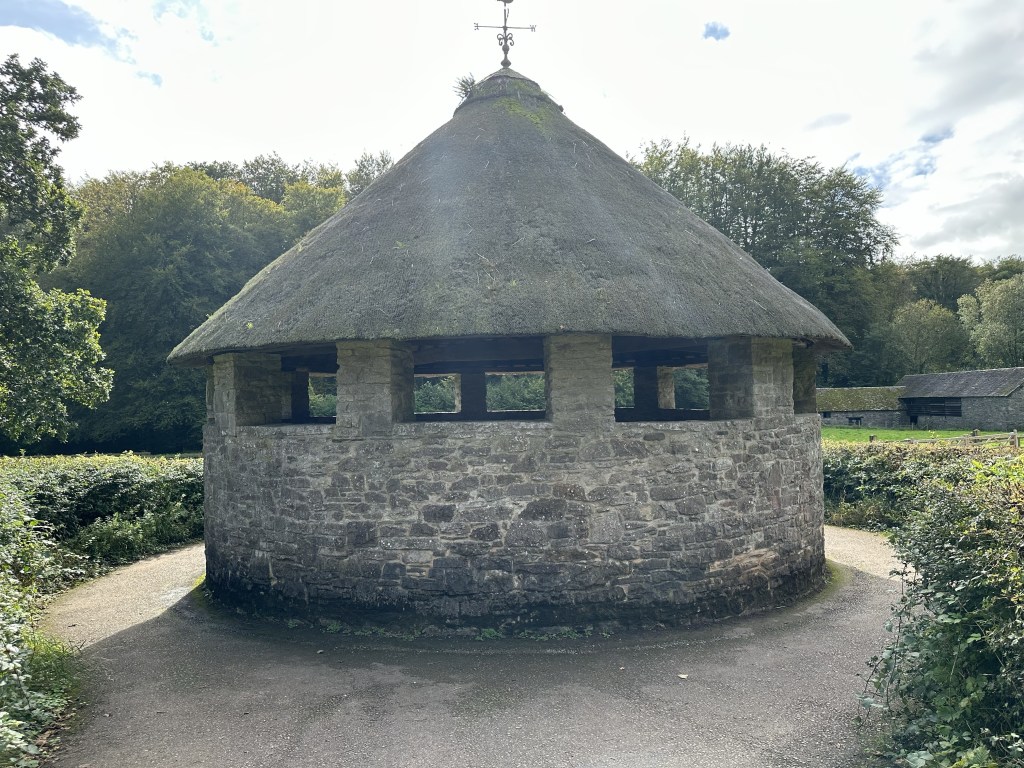
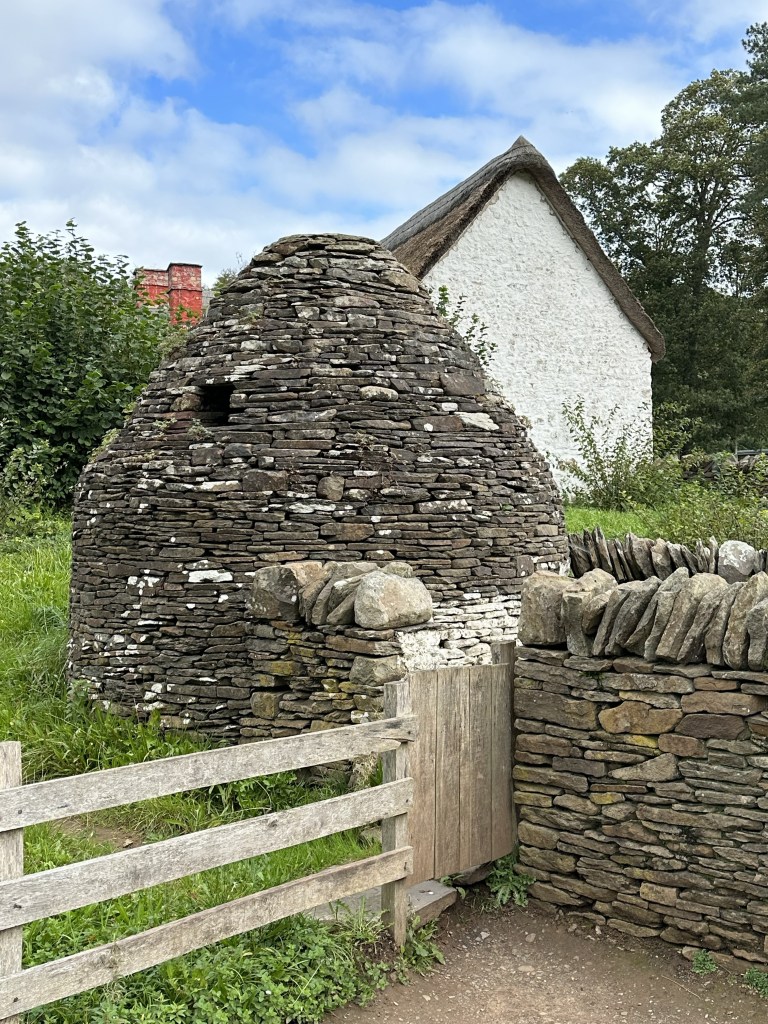
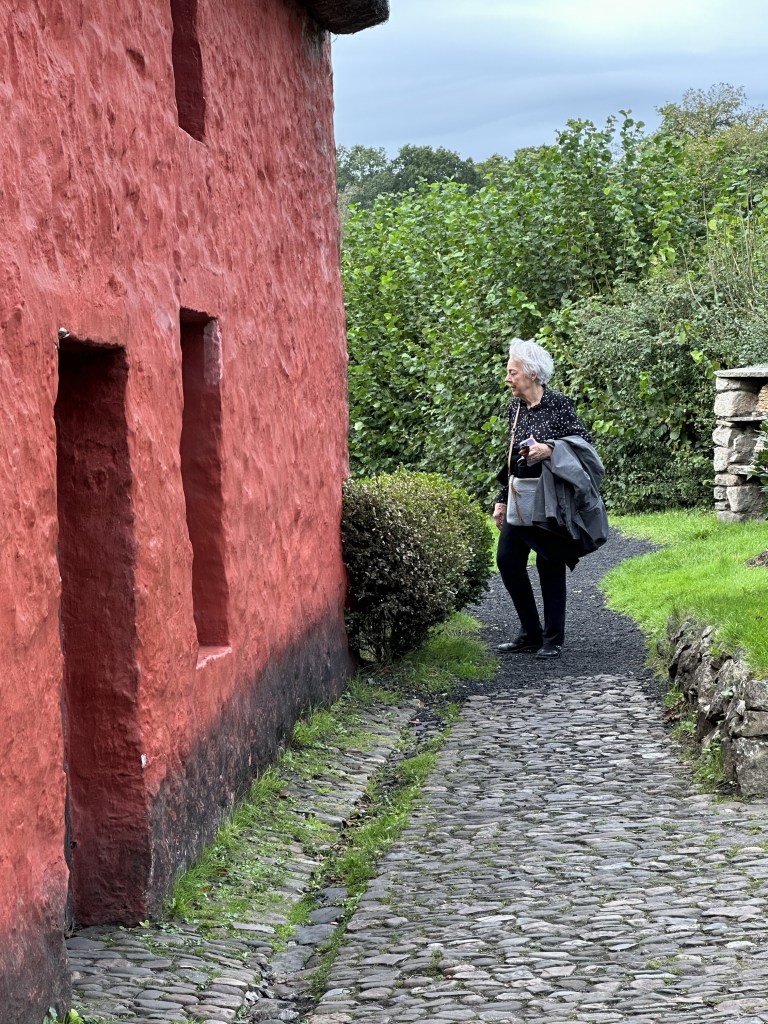
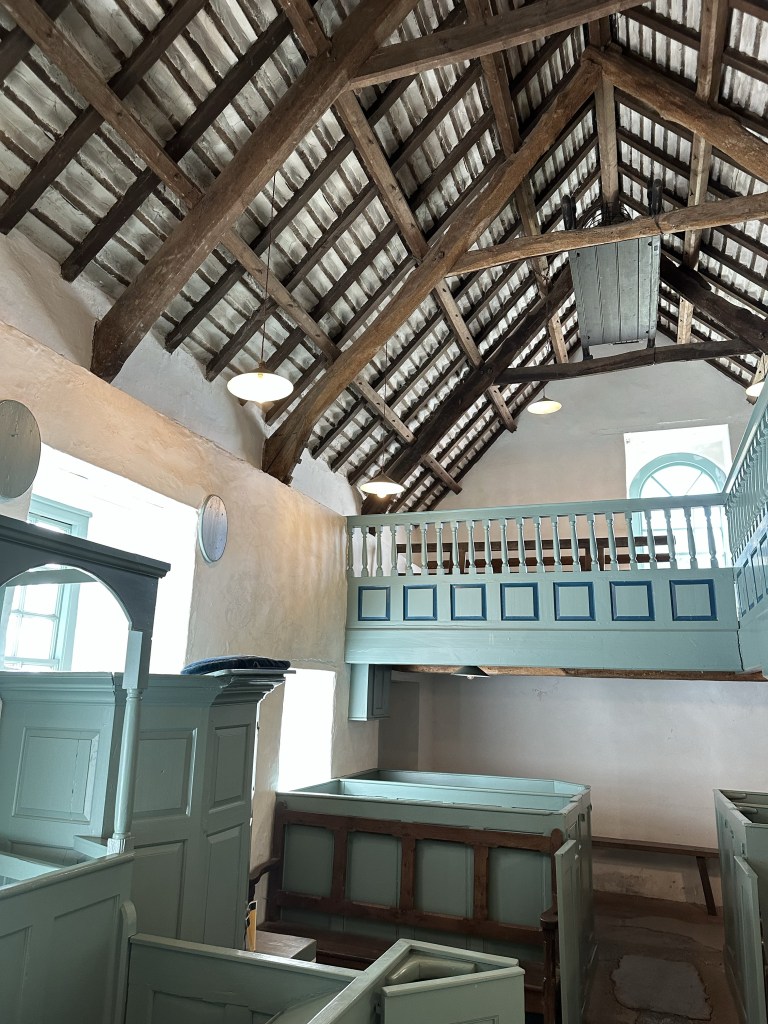
Some of the business are still operational such as the bakery and the candy shop. One surprise was the reconstruction of Pen-rhiw Chapel, a Unitarian meeting hall from 1777.


Getting to St Fagans village and museum was more difficult than expected. We were at the KN bus stop 20 minutes early, but the only bus to St. Fagans was delayed another 20 and 40 minutes. We waited and watched the traffic jams and people. Buses tend to be reliable but not punctual. Most of the time, they finally show up. The return bus to Cardiff was also late by about 20 minutes while we chatted with man from Malaysia.
Who was St. Fagan? Some historians trace the name back to a monk who brought Christianity to Wales. Serious questions arise since this name does not appear in writing until several hundred years after his supposed pilgrimage to Wales. Whether Fagans was an actual person or a composite of several early monks is unclear.
We got back in town in time for a quick look in the Cardiff City Museum. The main exhibit presents the history of Cardiff, good times and bad, with videos and multi media displays for great end to our sightseeing in Cardiff.
Following a now requisite afternoon nap, we went looking for pizza and salad. We lucked into a wonderful Turkish restaurant and ordered cheese and spinach “pide” with cucumber, tomato, and red onion salad. The place had a busy, lively atmosphere but not ear-busting music and noise. It was decorated with red mosaic feature and Murano-style globe lighting.
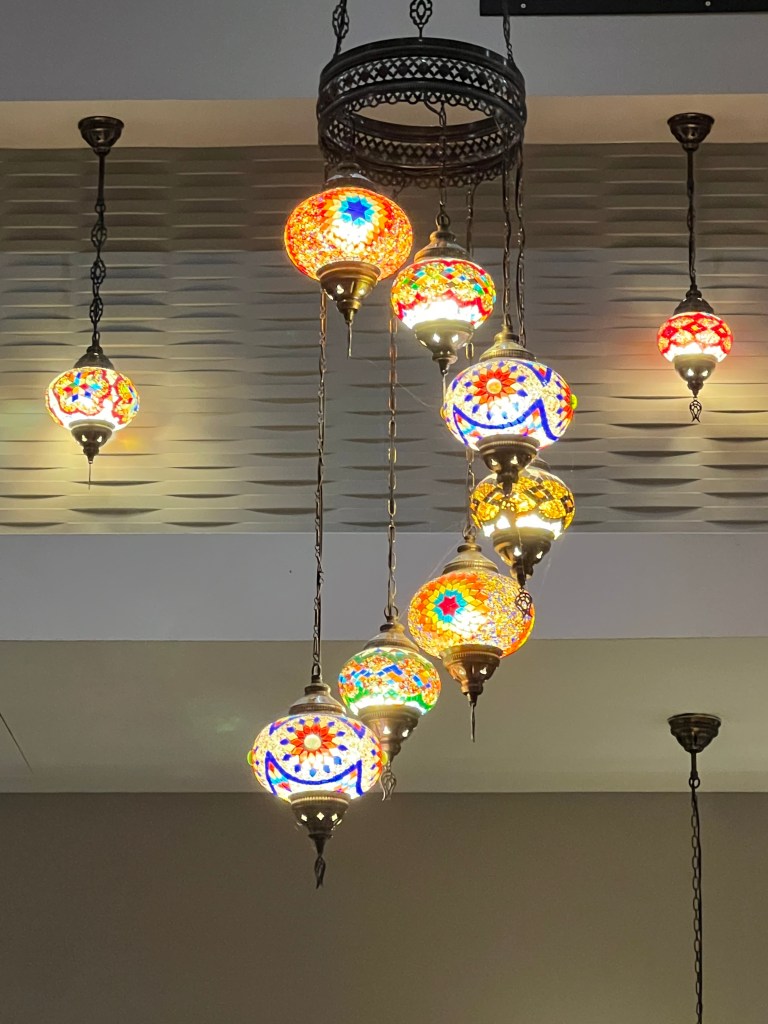
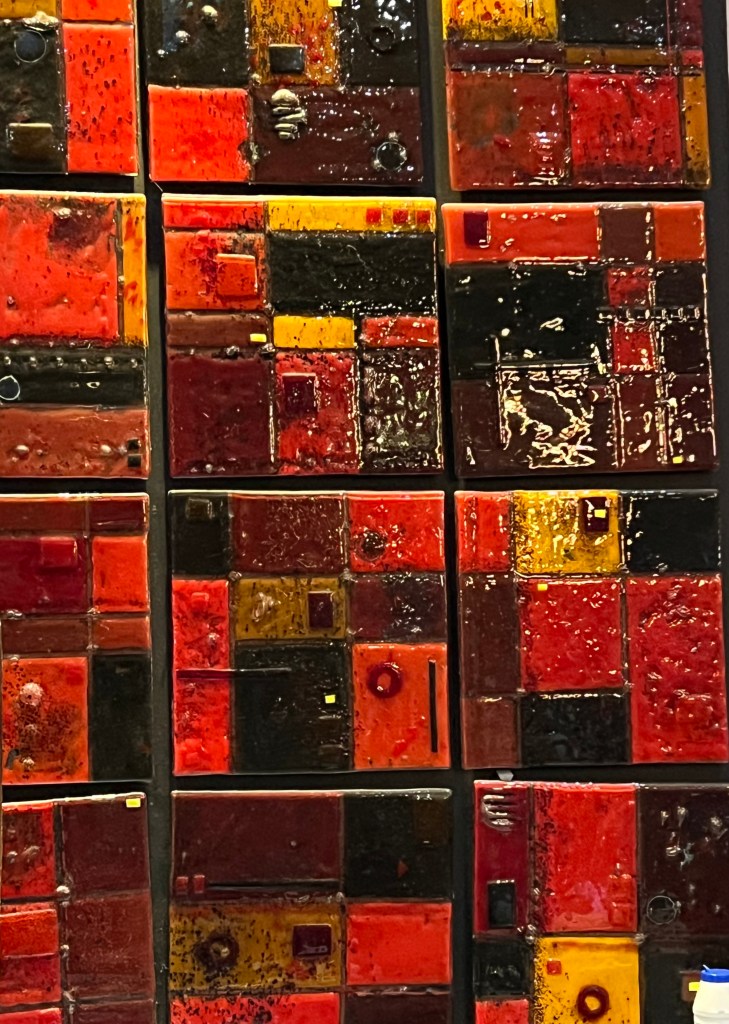
The chef lost our order, so the manager provided a plate of olives and flat bread to munch while we waited for dinner which was definitely worth the wait.
Day 5 Off to Bath
We were able to adjust train tickets avoid the rail strike and leave earlier to meet up with the Robsons in for one day in Bath before they go to Cornwall to see Land’s End and hunt for Poldark. A Replacement Rail bus was substituted for the train to Bath. A fellow wearing a Bath Rugby shirt pointed us in the right direction and rushed on to get on the bus. Smart guy because the bus was over full.
Those with luggage had no way to get on that bus; we stood back for those without luggage and willing to stand while we waited for the next bus. Then the bad news, the next replacement bus had broken down and would not be picking anybody up today. About 20 people were stranded with no way to go.
The bus supervisor had one possible solution if we would take a 20 passenger van. All were willing and that was good. She told us she was going off shift as soon as we were loaded and did not know when or if another Replacement Bus was coming. After a rough morning with buses and unhappy travelers, she just wanted to go home. We got to Bath about 2:00 in spite of the travails of travel.
 Tipps for Travel